Let's cut to the chase. You're here because you want to feel that incredible, cloud-like softness against your skin, whether it's for a sweater, bedsheets, or a baby's blanket. The search for the softest fabric isn't just about luxury; it's about comfort, reducing skin irritation, and that simple, daily pleasure of wearing or using something that feels amazing. But here's the thing most articles don't tell you: "softness" is surprisingly subjective. It's a combination of fiber fineness, yarn construction, and weave – and your personal skin sensitivity. After years of working with textiles, I've learned that the "best" soft fabric is the one that fits your specific life, not just the most expensive one on the list.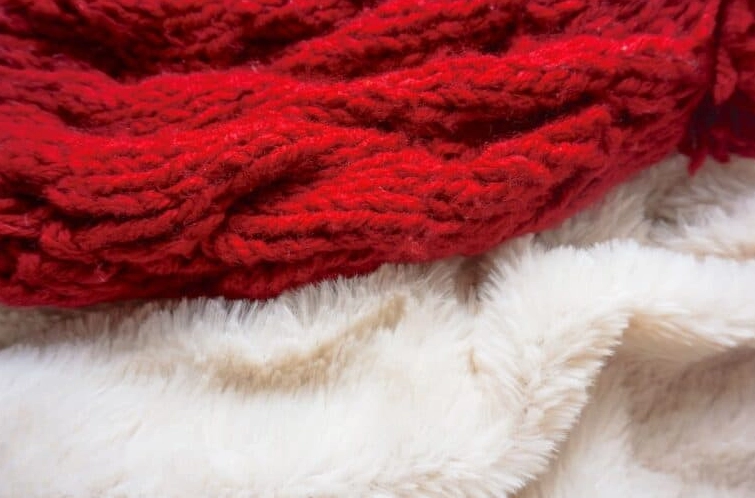
Your Quick Guide to the World's Softest Fabrics
What Makes a Fabric Truly Soft?
We often think softness is just about the material. Cashmere is soft, right? Yes, but a poorly spun, coarse cashmere can feel scratchy. Meanwhile, a high-quality, finely woven cotton can feel like a dream.
Softness comes from three main factors:
- The Fiber Itself: This is the raw material. Natural fibers like cashmere, merino wool, and silk have scales and structures that are inherently fine and smooth. Micron count is key here – it's the diameter of the fiber. Lower micron = finer, softer fiber. Premium cashmere can be under 15 microns, finer than human hair.
- The Yarn and Spin: How the fibers are twisted together. A loose, low-twist yarn will feel fluffier and softer than a tight, high-twist yarn meant for durability. This is where "single-ply" and "two-ply" come into play, affecting the hand-feel dramatically.
- The Weave or Knit: A satin weave (where threads float over several others) feels smoother than a plain weave. A jersey knit is stretchy and soft, while a tweed is intentionally nubby. The construction creates the final texture your skin touches.
I've handled fabrics that scored high on lab tests for fiber fineness but felt mediocre because the manufacturer used a harsh chemical finish or a rough spin to save money. Your fingertips and cheek (the classic draper's test) are often better judges than a spec sheet.
The Top Contenders for World's Softest Fabric
Let's break down the usual suspects. This isn't just a list; it's a comparison of what each brings to the table (and what their hidden drawbacks are).
| Fabric | Source & Key Trait | The Feel | Durability & Care | Best For |
|---|---|---|---|---|
| Cashmere | Undercoat of Kashmir goats. Ultra-fine micron count (14-19µ). | Light, fluffy, insulating, luxuriously soft with a dry feel. | Delicate. Pills easily. Hand wash cold, lay flat to dry. | Luxury sweaters, scarves, lightweight wraps. |
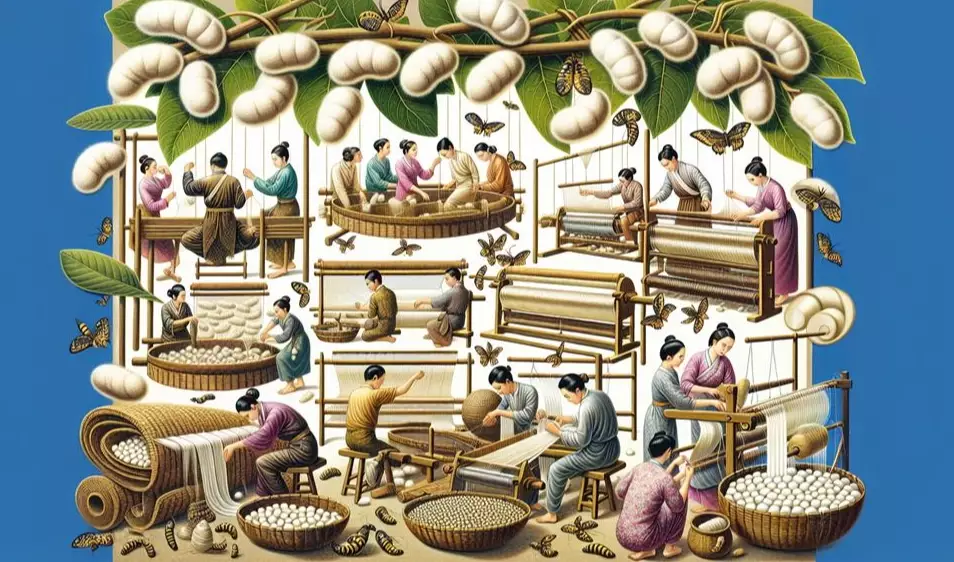
| Silk (Mulberry) | Silkworm cocoons. Continuous protein filament. | Cool, smooth, sleek, and lustrous. A slippery, weightless softness. | Strong but sun-sensitive. Hand wash or dry clean. Can water spot. | Lingerie, pillowcases, blouses, linings. |
| Merino Wool | Merino sheep. Finer and softer than regular wool. | Soft, springy, breathable. Less itchy, more of a cushioned soft. | Surprisingly durable, wrinkle-resistant. Often machine washable. | Base layers, activewear, socks, all-season sweaters. |
| Pima/Supima Cotton | Extra-long staple (ELS) cotton. Smooth, long fibers. | Crisp, cool, and smooth softness that improves with washes. | Very durable, gets softer. Easy care, machine wash and dry. | Premium t-shirts, bedsheets, towels, baby clothes. |
| Lyocell (Tencel™) | Wood pulp (often eucalyptus). Eco-friendly process. | Incredibly smooth, drapey, silky-soft with a cool touch. Hypoallergenic. | Strong when wet, can wrinkle. Gentle machine wash recommended. | Breathable loungewear, dresses, sustainable bedding. |
Now, for some real talk. Cashmere is often crowned the king, and for good reason. The first time I held a genuine, high-grade cashmere sweater, it felt like holding warm air. But not all cashmere is equal. The market is flooded with "blended" cashmere or coarse grades that pill into a mess after two wears. If you're buying cashmere, look for provenance (Mongolian or Inner Mongolian is often top-tier) and a high ply for better durability.
My personal dark horse for everyday softness? High-quality, long-staple cotton like Pima or Supima. It's accessible, durable, and that worn-in softness of a great cotton tee is unmatched. Silk is magical, but I've seen people ruin it by assuming it's delicate in all ways—it's actually quite strong, but it hates sweat and sun with a passion.
How to Choose the Softest Fabric for You
This is where you move from theory to practice. Don't just buy the most expensive thing labeled "soft." Think about your actual use case.
Scenario 1: You need everyday loungewear or baby clothes.
Here, easy care and breathability are as important as softness. My go-to is a lyocell (Tencel) and organic cotton blend. Lyocell brings that silky feel and moisture-wicking, cotton adds breathability and easy washing. For babies, avoid loose fibers that can be inhaled—tightly woven cotton or merino are safer bets than fluffy, low-ply cashmere.
Scenario 2: You want luxury bedding for sensitive skin.
Sateen-weave Pima cotton or mulberry silk are the champions. Cotton is easier. Look for a high thread count (300-600) from a single-ply, long-staple cotton—not a misleading multi-ply high count. Silk feels incredible and can help with hair frizz, but it requires commitment to careful washing.
Scenario 3: You need a warm, soft sweater that lasts.
Consider a fine merino wool or a cashmere-wool blend. Pure cashmere is heavenly but delicate. A merino-cashmere blend gives you that softness with more resilience for daily wear. Check the knit density—a tighter knit will pill less.
A Non-Obvious Tip: Feel the fabric inside out. The wrong side of the material often has a looser, softer weave. If that side feels rough or prickly against your skin, the right side might become irritating over time, especially in fitted garments.
Beyond the Label: The Touch and Sound Test
If you can shop in person, use your senses. Crumple the fabric in your hand. Does it spring back or stay crumpled? A good, resilient soft fabric should recover. Listen to it. Rub it gently near your ear. High-quality silk has a distinct, crisp "scroop" sound. A soft, dense cotton will make a softer rustle. Cheap polyester tries to mimic softness but often feels clammy and makes a synthetic whisper.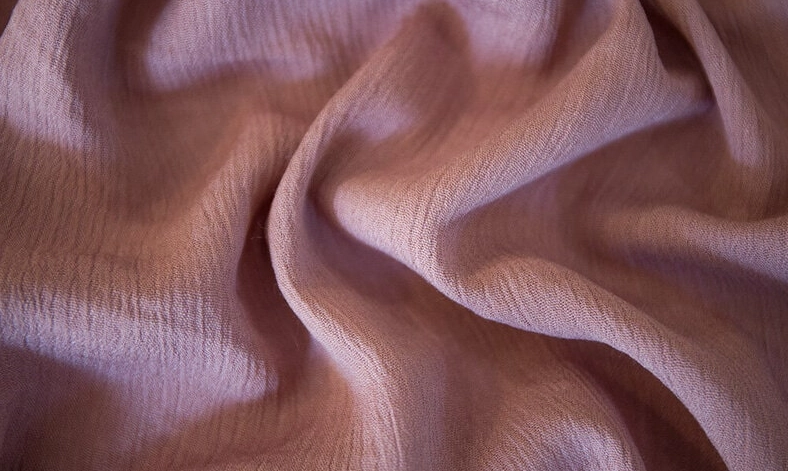
Caring for Your Soft Fabrics (The Right Way)
This is where people destroy softness. That $300 cashmere sweater? Thrown in a hot wash with jeans. I've seen it happen.
The Universal Rules for Keeping Fabrics Soft:
- Wash Less, Air More: Often, just airing out a garment is enough. Overwashing breaks down fibers.
- Cold Water is Your Friend: Always. Hot water shrinks and felts natural fibers, especially wool and cashmere.
- Ditch the Harsh Detergent: Use a mild, liquid detergent for delicates. Powder can leave residues that stiffen fibers.
- Skip the Fabric Softener: Seriously. It coats fibers in a chemical film that actually reduces absorbency and can degrade elasticity over time. For natural fibers, a half-cup of white vinegar in the rinse cycle acts as a natural softener and odor remover.
- Dry Flat: The dryer is the enemy of soft, delicate fabrics. It causes friction, pilling, and shrinkage. Lay items flat on a drying rack.
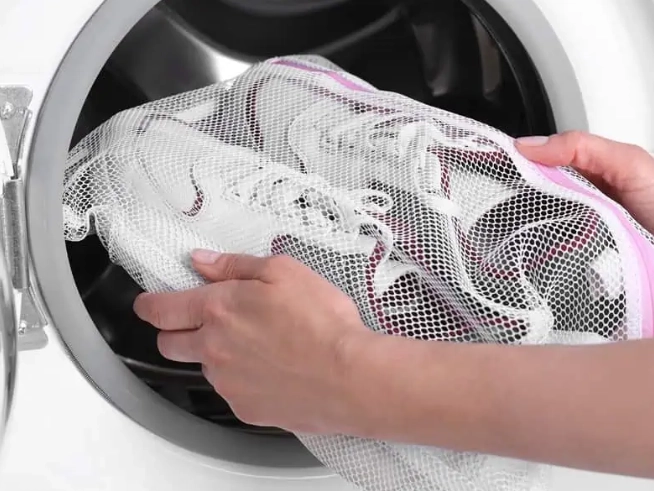
For specific fabrics: Cashmere and wool benefit from a rest between wears (fibers need time to bounce back). Store silk away from direct sunlight to prevent yellowing. Turn delicate items inside out before washing to minimize surface friction.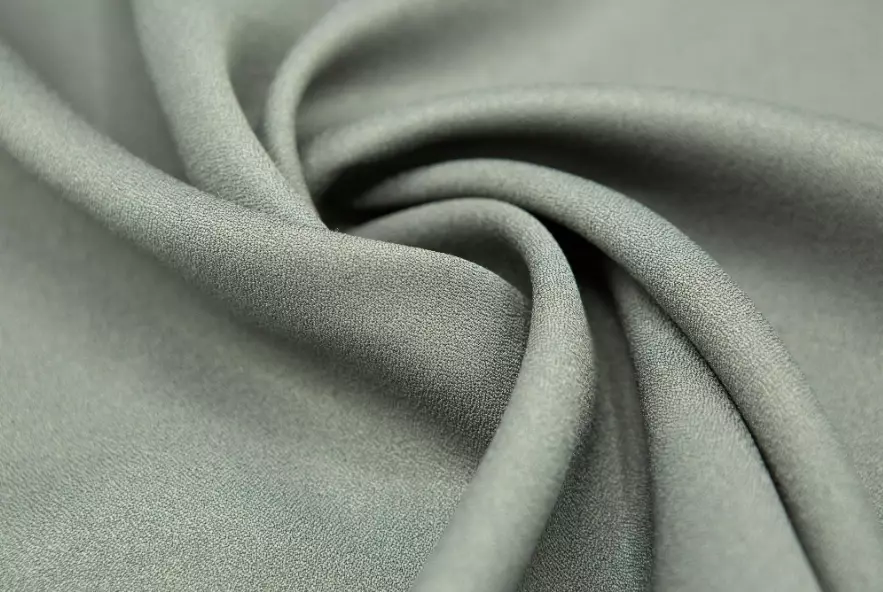
Your Soft Fabric Questions, Answered
 Why does my new "soft" towel or sheet feel stiff after the first wash?
Finding the softest fabric isn't about a single winner. It's about matching the incredible properties of fibers like cashmere, silk, and fine cotton to what you actually need from them—how you'll wear it, wash it, and want it to feel day after day. Start with the feel, respect the care instructions, and you'll build a wardrobe or home that's genuinely, lastingly comfortable.