You're staring at two online shopping carts. One has a set of crisp, classic cotton sheets. The other promises silky-soft bamboo bedding with eco-friendly claims. Which one do you actually buy? I've spent over a decade testing bedding for a living, and I can tell you the answer isn't as simple as "bamboo is better" or "cotton is king." It depends entirely on how you sleep, what you value, and your budget. Let's cut through the marketing fluff and compare them where it really matters: on your bed, night after night.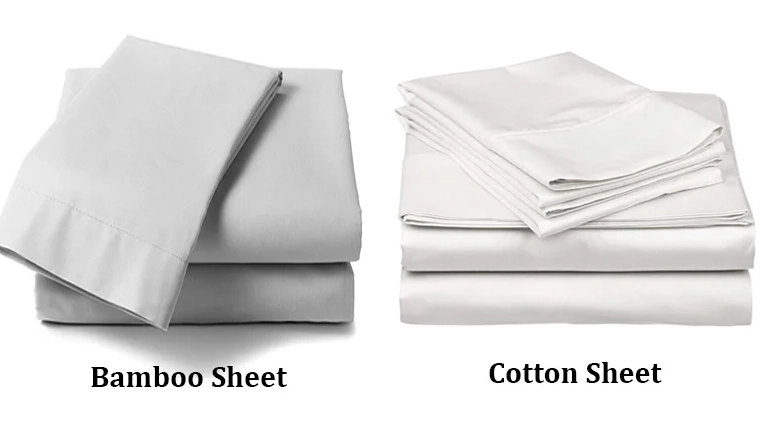
Jump Straight to What Matters
Where They Come From: Plant to Fabric
This is where most comparisons start, but they often get it wrong. Understanding the process explains a lot about the final product.
Bamboo: The Rayon Reality
Here's the first big misconception. "Bamboo sheets" are almost always bamboo viscose or bamboo lyocell (a type of rayon). The bamboo plant is pulped into a cellulose soup, then chemically processed to extrude fibers. It's not a simple, natural weave. The good news? The closed-loop lyocell process (used by brands like Tencel™) recycles most chemicals, making it more sustainable. The bad? Some cheap bamboo viscose uses harsh chemicals with poor environmental controls. The Forest Stewardship Council (FSC) certification is a good sign the bamboo was sourced responsibly.
Cotton: It's All About the Thread
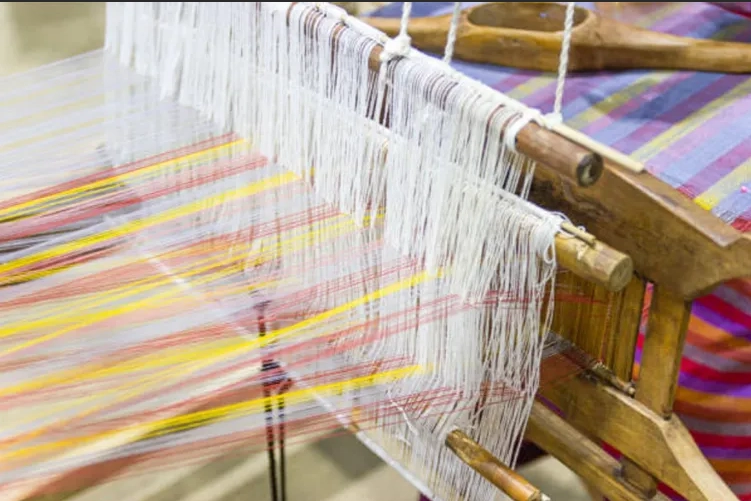
Cotton is woven directly from the fluffy boll of the cotton plant. The massive difference lies in thread quality and processing. Long-staple cotton (like Egyptian or Pima) has fibers over 1.5 inches long. They create stronger, smoother, more lustrous threads. Short-staple cotton feels rougher and pills easily. Organic cotton, certified by groups like GOTS, avoids synthetic pesticides but doesn't automatically mean it's long-staple. A high thread count (300-500) with long-staple cotton is great. A 1000-thread-count sheet made from short staples is a marketing gimmick that will fall apart.
I made the mistake early on of buying "luxury" 800-thread-count sheets on sale. They felt amazing for two months. Then the pilling started. They looked worn out in six months. It was a lesson in prioritizing fiber quality over a big thread count number.
Feel & Comfort: The Touch Test
This is subjective, but there are clear patterns.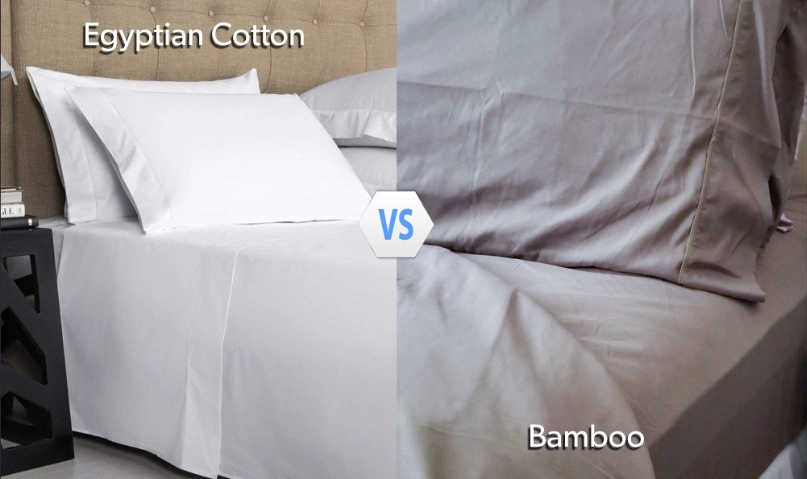
High-Quality Bamboo (Lyocell): The feel is its biggest selling point. It's inherently silky, fluid, and cool to the touch right out of the package. It drapes beautifully and has a subtle sheen. It feels less like traditional bedding and more like high-end sleepwear. This is a major win for people who dislike the initial stiffness of new cotton.
High-Quality Cotton (Percale vs. Sateen): Here, weave matters more than fiber alone.
Percale weave (one-over, one-under) is crisp, cool, and matte—like a classic button-down shirt. It gets softer with every wash.
Sateen weave (three-over, one-under) is heavier, warmer, and has a smooth, lustrous surface. It feels luxurious immediately but can trap more heat.
For a cool, crisp feel: Bamboo or Cotton Percale. For a warm, smooth feel: Cotton Sateen.
Temperature Regulation: For Hot or Cold Sleepers
If you're a hot sleeper, this section is for you.
Bamboo rayon is a superstar here. The micro-gaps in the fibers and their natural moisture-wicking properties pull sweat away from your body and allow it to evaporate quickly. You stay dry. In my experience, a good set of bamboo lyocell sheets can feel 3-5 degrees cooler than average cotton sateen. It's the closest thing to "air conditioning in fabric" I've found.
Cotton is breathable, but its performance varies. A lightweight, high-quality percale is excellent for airflow and feels cool. Cotton sateen, with its denser weave and sheen, is less breathable and can feel clingy on humid nights. If you sleep hot, avoid high-thread-count sateens.
Durability & Care: The Long-Term Reality
This is where cotton often has an edge, but care is everything.
| Aspect | Bamboo Sheets | Cotton Sheets |
|---|---|---|
| Strength & Pilling | Bamboo lyocell is surprisingly strong when wet, but the silky surface can be prone to pulls or snags from rough toenails or pet claws. Pilling is minimal on good quality sets. | Long-staple cotton (Egyptian, Pima) is incredibly durable and resistant to pilling when properly woven. Short-staple cotton pills badly. |
| Care Instructions | More delicate. Usually requires cold water wash, gentle cycle, low heat tumble dry or air dry. High heat can weaken fibers and cause shrinkage. | Generally more robust. Can usually handle warm water and medium heat drying, especially for percale. Sateen may require more care to prevent shine loss. |
| Wrinkling | Wrinkle-resistant. Comes out of the dryer looking relatively smooth, a huge plus for people who hate ironing. | Percale wrinkles easily (that's part of its charm). Sateen wrinkles less. Both often need a quick shake and fold straight from the dryer. |
| Longevity Expectancy | 3-5 years with proper care. Lifespan is more dependent on following care labels. | 5-10+ years for premium long-staple cotton. Can become family heirlooms. |
Price & Value: Breaking Down the Cost
Let's talk numbers. For a Queen set (flat sheet, fitted sheet, 2 pillowcases):
Budget Tier ($50-$100): Here, you're likely getting short-staple cotton or lower-grade bamboo viscose. The cotton will be rough and may pill. The bamboo might feel soft initially but thin out quickly. I don't recommend either for long-term satisfaction.
Mid Tier ($100-$250): This is the sweet spot for decision-making. You can get excellent 100% long-staple cotton percale or sateen from reputable brands. You can also find good bamboo lyocell sets in this range. The value is high for both.
Luxury Tier ($250+): Here you find extra-long-staple cottons (like Supima® or specific Egyptian varieties) with exquisite weaves, or premium organic bamboo lyocell with enhanced certifications. The differences become more about nuanced feel and brand prestige.
My take? If you're on a tight budget, save up for the mid-tier. A $150 set that lasts 5 years is cheaper per night than a $60 set you replace every year and hate sleeping on.
The Final Verdict: Who Wins in Each Category?
So, bamboo vs cotton sheets: which should you buy? Don't look for one winner. Choose based on your priority.
Buy Bamboo Sheets If: • You are a hot sleeper or live in a warm climate. • You prioritize a silky, cool-to-the-touch feel right away. • You have sensitive skin and want a very smooth surface. • You hate ironing and want low-wrinkle bedding. • You are specifically seeking bedding from a rapidly renewable resource (when certified).
Buy Cotton Sheets If: • You want proven, long-term durability (a decade or more). • You prefer the classic, crisp feel of percale or the warm, smooth feel of sateen. • You want simpler, more forgiving care instructions (warmer washes, higher heat drying). • You are buying for a guest room or child's bed where toughness matters. • You value the natural, minimally processed aspect of a woven plant fiber.
For me, personally? I've split my wardrobe. My summer setup is all bamboo lyocell. The temperature regulation is unbeatable. For the other three seasons, I'm a die-hard cotton percale fan. I love the crispness and the way it softens over years of use.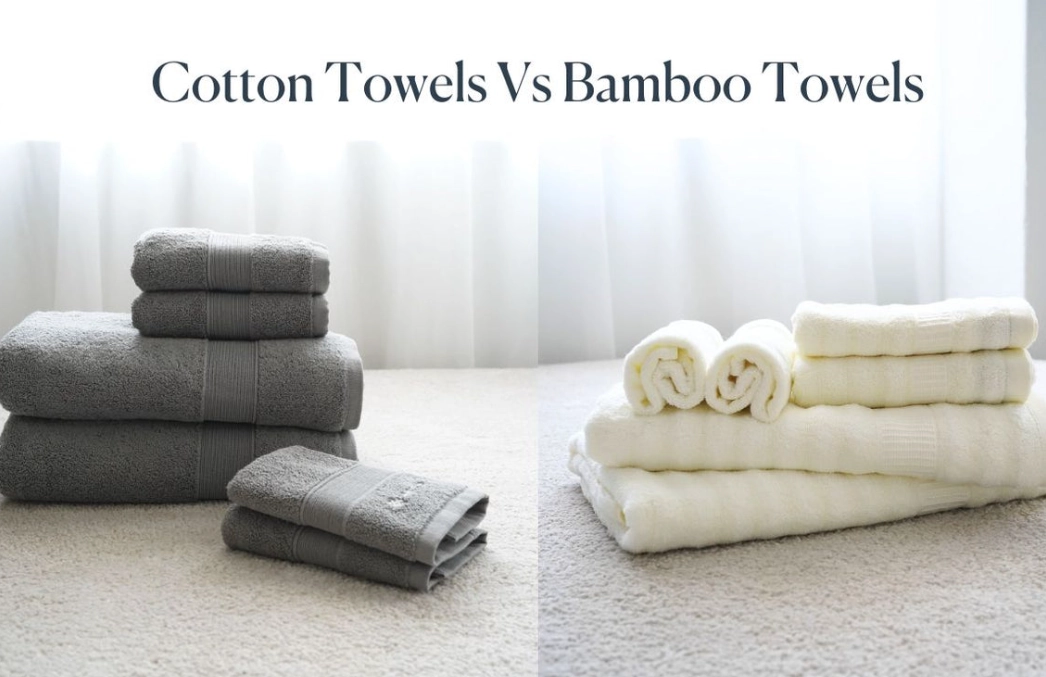
Your Burning Questions Answered
 Why do my new bamboo sheets feel slippery, and the fitted sheet won't stay on?