Linen. Just saying the word conjures images of breezy summer dresses, crisp tablecloths, and a certain effortless elegance. But beyond the romantic ideal lies a fabric with real substance, a natural material that's been around for millennia and for good reason. If you've ever hesitated to buy a linen piece because you heard it wrinkles too much, or you're unsure how to care for it, this guide is for you. We're cutting through the myths and getting into the practical, beautiful reality of linen fabric.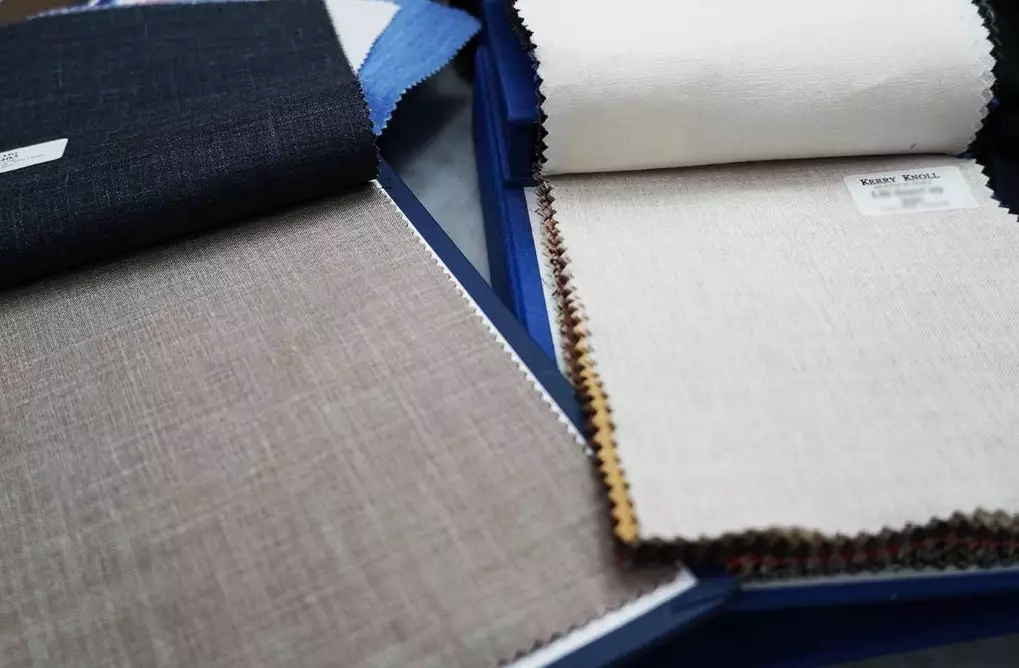
What's Inside?
What Makes Linen Special?
Linen comes from the flax plant. Unlike cotton, which grows as a fluffy boll, flax fibers are found in the stalk. Extracting them is a more involved process, which is part of why high-quality linen often carries a higher price tag. But you're paying for a unique set of properties.
Let's talk about the good stuff first. Linen is highly breathable. The hollow fibers allow air to circulate freely, making it the undisputed champion of summer fabrics. It pulls moisture away from your skin and dries incredibly fast. On a humid day, cotton can feel clammy; linen feels cool.
It's also exceptionally durable. Linen fibers are long and strong. A good linen sheet or shirt doesn't just last for years; it actually gets better with age. It softens with every wash, developing a beautiful, lived-in texture that new linen can't replicate. This is the opposite of most synthetics, which pill and degrade.
Then there's the sustainability angle. Flax is a resilient crop that typically requires less water and fewer pesticides than cotton. Almost every part of the plant is used, leading to minimal waste. Organizations like the European Confederation of Linen and Hemp work to promote these sustainable practices. When you buy linen, you're often choosing a more eco-friendly option.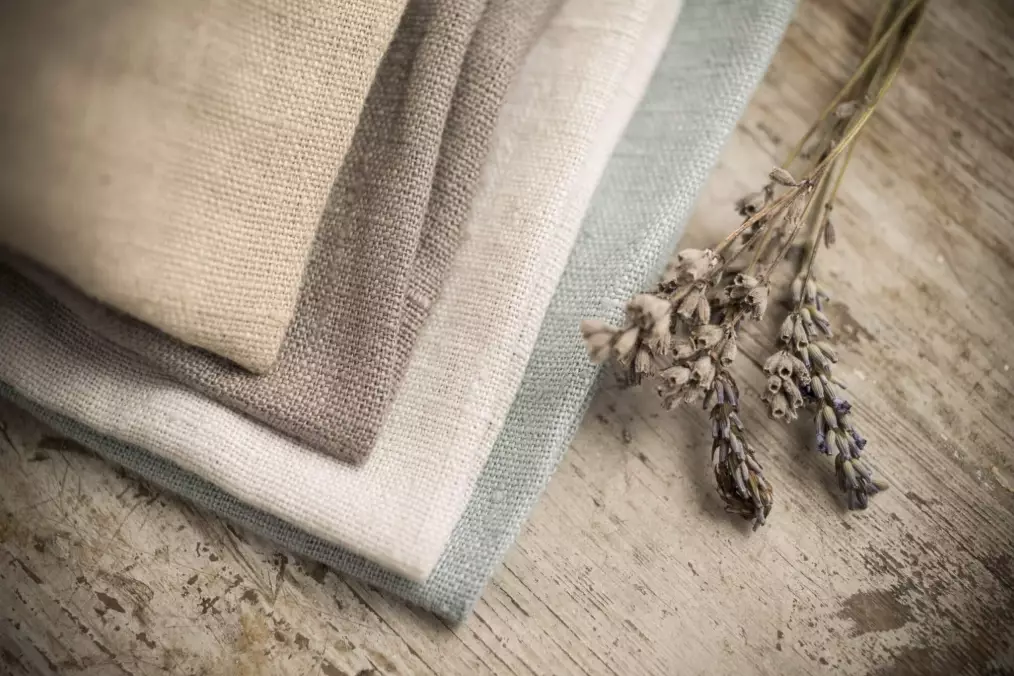
The Wrinkle Reality Check: Yes, linen wrinkles. It's a feature, not a bug. The fibers have low elasticity. Trying to fight this is a losing battle. The secret isn't finding a magic "wrinkle-free" linen (often a sign of synthetic blends or heavy chemical finishes), but in learning to love the relaxed, textured look. A perfectly pressed linen tablecloth is formal. A slightly rumpled linen shirt is cool.
How does it stack up against its main natural competitor? Here's a quick breakdown.
| Feature | Linen | Cotton |
|---|---|---|
| Breathability & Moisture Wicking | Excellent. Superior for hot weather. | Good, but can retain moisture longer. |
| Durability & Longevity | Very high. Strengthens when wet, softens with age. | High, but can thin and wear over time. |
| Texture & Feel | Crisp, textured, slubby. Softens significantly with wash. | Softer initially, can vary from crisp to flannel-like. |
| Wrinkling | Pronounced. Part of its characteristic look. | Wrinkles, but often less sharply than linen. |
| Environmental Impact | Generally lower water/pesticide needs for flax. | Varies widely (conventional vs. organic). |
How to Choose the Right Linen for Your Project
Not all linen is created equal. Walking into a fabric store or shopping online, the choices can be confusing. Here’s what to look for, based on what you want to make.
Understanding Linen Weight and Weave
Weight is measured in grams per square meter (GSM) or ounces per square yard (oz).
- Lightweight (3-5 oz / 100-150 GSM): Think breezy blouses, lightweight dresses, sheer curtains, and linings. This is your go-to for hot climates.
- Medium Weight (5-7 oz / 150-200 GSM): The workhorse. Perfect for shirts, pants, skirts, napkins, and standard pillowcases. It's versatile and durable.
- Heavyweight (7+ oz / 200+ GSM): Ideal for structured jackets, upholstery, heavy-duty bags, and tablecloths meant for daily use. It holds its shape well.
The weave matters too. A plain weave is most common, giving that classic linen look. A looser, open weave (like handkerchief linen) is airy and drapey. A tighter weave feels smoother and is slightly less prone to wrinkling.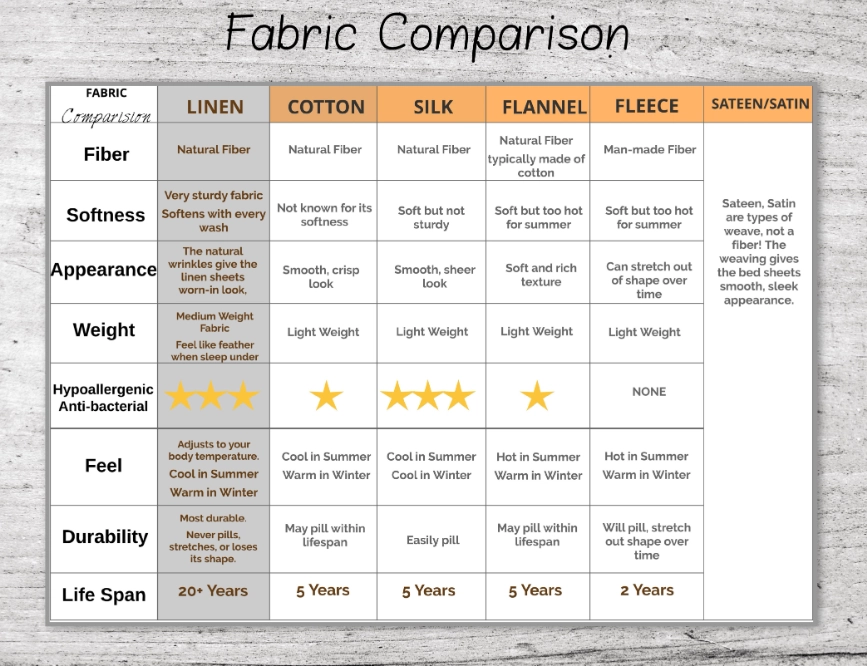
The Truth About Linen Blends
Pure linen is fantastic, but blends have their place. The key is knowing what you're getting.
Linen-Cotton: This is the most common blend. It marries linen's breathability with cotton's initial softness and reduced wrinkling. A 55% linen/45% cotton blend is a great starter fabric—it feels familiar but has that linen character. I often recommend this for people who are linen-curious but nervous about maintenance.
Linen-Rayon/Viscose: This blend increases drape and gives a beautiful, fluid, silky feel. It's gorgeous for flowing dresses. However, rayon is less durable and requires more careful washing (often cold water, lay flat to dry). Don't expect it to have the same longevity as pure linen.
A word of caution: Be wary of labels that just say "linen look" or "linen feel." This almost always means it's a synthetic (polyester) fabric printed to resemble linen. It won't have any of the temperature-regulating or biodegradable properties.
Using Linen in Your Everyday Life
Linen for Clothing: How to Wear It Without Looking Like You Slept in It
The trick with linen clothing is in the cut and the mindset. A tightly fitted linen blazer will be a wrinkle disaster. Look for styles with a bit of ease—relaxed-fit trousers, A-line dresses, shirt dresses, and oversized button-downs. The fabric needs room to move and crease naturally.
Embrace layers. A wrinkled linen shirt under a sleek sweater or blazer looks intentionally textured, not messy. For travel, linen is unbeatable. It packs light, doesn't hold odors, and a few wrinkles after being in a suitcase just add to the vibe. Roll your linen items instead of folding them to minimize sharp creases.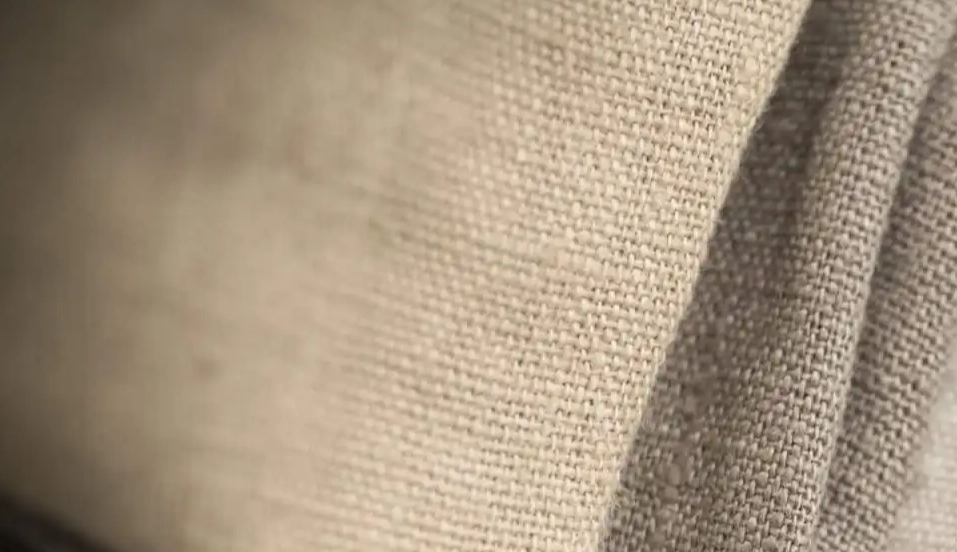
Linen for the Home: Beyond the Kitchen Towel
Everyone knows about linen tea towels (they're highly absorbent and great for glassware). But let's talk bigger.
Bedding: Linen sheets are a game-changer. They feel cool in summer and surprisingly warm in winter. Yes, they wrinkle. Your bed will look like a cozy, inviting cloud, not a hotel room. That's the point.
Tableware: A linen tablecloth makes every meal feel special. For daily use, a medium-weight fabric in a darker color or pattern hides minor stains between washes. Linen napkins are more absorbent than cotton and feel luxurious.
Upholstery: This is for committed linen lovers. Heavyweight linen canvas can make beautiful, durable slipcovers. It develops a patina that leather or synthetic fabrics can't match. Just know that it will show wear and creases—that's part of its charm.
The Definitive Guide to Caring for Linen
This is where people get scared. Don't be. Linen is robust. In many ways, it's easier to care for than delicate synthetics or dry-clean-only wools.
Washing Linen: Your Two Best Methods
Machine Washing: Most modern linen, especially for homewares and casual clothing, is perfectly machine washable. Use a gentle cycle with lukewarm or cold water. Hot water can cause excessive shrinkage and fading. Turn items inside out to protect the surface. Use a mild detergent—skip the heavy optical brighteners and fabric softeners. Fabric softener coats the fibers and reduces linen's natural absorbency and breathability.
Hand Washing: For a cherished, delicate, or vintage linen piece, hand washing is safe and gentle. Soak in lukewarm water with a small amount of detergent for up to 30 minutes. Gently agitate, then rinse thoroughly in cool water. Never wring or twist linen to remove water—this can distort the fibers.
Drying, Ironing, and Storing Linen
Drying: The absolute best way to dry linen is to tumble dry on low heat until just damp, then hang or lay flat to finish drying. This minimizes stiffness and major wrinkles. You can also line-dry it completely. It will be stiff and very wrinkled, but that's easily fixed. Never over-dry linen on high heat; it can weaken the fibers and cause drastic shrinkage.
Ironing: Iron linen while it's still slightly damp. Use a medium to high steam setting. For a crisp finish, spray a bit more water on stubborn wrinkles. If the fabric is dry, use your iron's spray function. Don't press down and slide—lift and press. This is less abrasive on the fibers.
Pro Tip for Softness: Want to accelerate that coveted broken-in softness? Throw a couple of clean, dry tennis balls or wool dryer balls into the dryer with your damp linen on a low-heat, short cycle. The gentle pounding helps relax the fibers.
Storing: Store linen in a cool, dry place. Avoid plastic bags, which can trap moisture and cause mildew. Cotton pillowcases or cloth bags are ideal. Refold items occasionally to prevent permanent crease lines.
Your Linen Questions, Answered
 I spilled red wine on my linen tablecloth. Is it ruined?