You've felt it in high-end hotel sheets, noticed it in a beautifully draped dress, or maybe you've run your hand over it in a store and wondered, "What is this?" That smooth, slightly glossy, incredibly soft fabric with a substantial weight is often cotton sateen. It's not silk, but it has a similar luxurious hand. It's cotton, but it feels nothing like your basic tee. The magic—and the confusion—lies in the weave, not the fiber. Cotton sateen is a specific way of weaving cotton threads to create a fabric that prioritizes a smooth surface and a beautiful drape. If you're tired of stiff, wrinkly cotton or find percale too crisp, understanding sateen weave is your first step to upgrading your bedding and wardrobe.
What You'll Learn in This Guide
What Makes It Sateen? It's All in the Weave
Let's get technical for a second, but I promise it's simple. Most fabrics are woven by passing a weft thread (side-to-side) over and under warp threads (up-and-down). In a plain weave (like percale or standard cotton broadcloth), it's a simple one-over, one-under pattern. This creates a strong, matte, and crisp fabric.
A satin weave—which is what sateen is—flips the script. It uses a "float" pattern where the weft thread goes over multiple warp threads (e.g., over four, under one), then shifts over to create a pattern. This means more of the soft, continuous weft threads are on the surface of the fabric.
Key Point: "Sateen" refers specifically to the satin weave when using short-staple fibers like cotton. When you use long-staple fibers like silk or polyester, it's called "satin." So, cotton sateen = cotton fibers in a satin weave structure.
The result of this float weave? That signature smooth, lustrous face and a wonderfully soft hand. The underside will be duller and may feel slightly rougher. The higher the thread count (with quality yarns), the more pronounced and silky this effect becomes.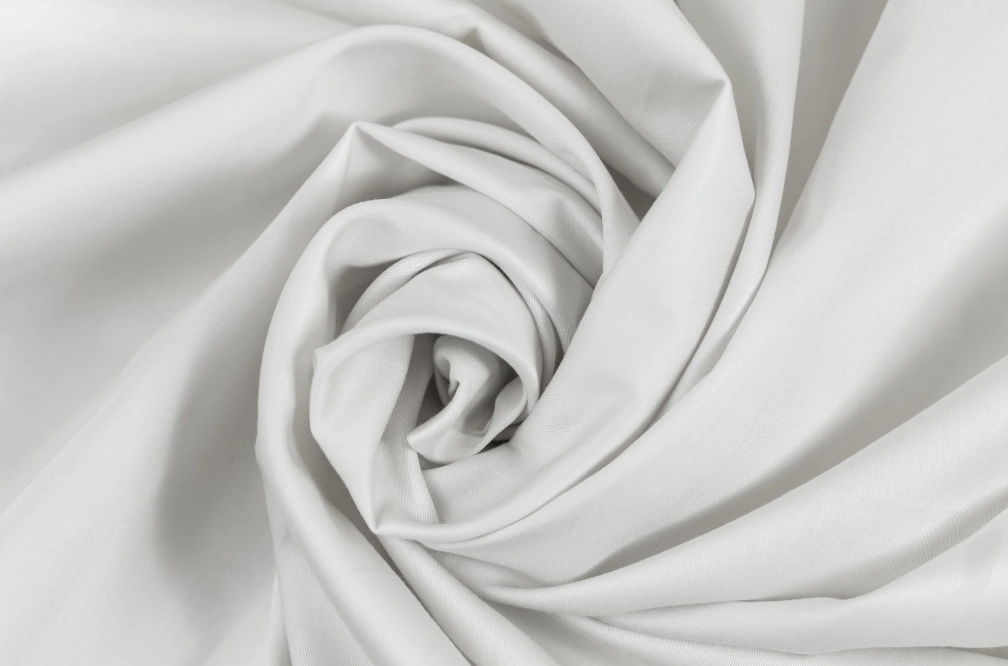
Cotton Sateen: Weighing the Luxurious Feel Against Practicality
Is cotton sateen right for you? It's a phenomenal fabric, but it's not perfect for every single situation. Here’s a blunt breakdown.
| The Good Stuff (Why You'll Love It) | |
|---|---|
| Luxurious Feel & Drape | The number one reason people choose it. It feels soft, heavy, and expensive against the skin. It drapes beautifully for clothing and hangs neatly on a bed. |
| Natural Wrinkle Resistance | This is a huge, often overlooked perk. The tight, float-heavy weave structure naturally resists wrinkles better than plain-weave cotton. It comes out of the dryer looking remarkably smooth. |
| Subtle Sheen | It has a soft, pearlescent luster, not a cheap plastic shine. This gives bedding and garments an elegant, dressed-up appearance. |
| Warmth & Coziness | The denser weave traps body heat more effectively than a breezy percale. It's ideal for cooler climates or people who get cold at night. |
| Durability | When made with high-quality, long-staple cotton (like Egyptian or Pima), the dense weave is very strong and resistant to pilling. |
| The Considerations (What Might Give You Pause) | |
| Less Breathable | The trade-off for warmth is less air flow. Hot sleepers might find it too warm in the summer. It's not the best choice for humid climates if you overheat easily. |
| Potential for Pilling (on low quality) | Cheap sateen made with short, weak cotton fibers will pill on the surface where the floats rub. You get what you pay for. |
| Can Feel "Slippery" | Some people dislike how sheets made from it can feel a bit slick compared to the grippy texture of linen or crisp percale. |
| Shows Water Spots | The slight sheen can make water droplets or spills more visible until they dry completely. |
Where You'll Find and Use Cotton Sateen
This fabric isn't just for one thing. Its properties make it a star in several areas.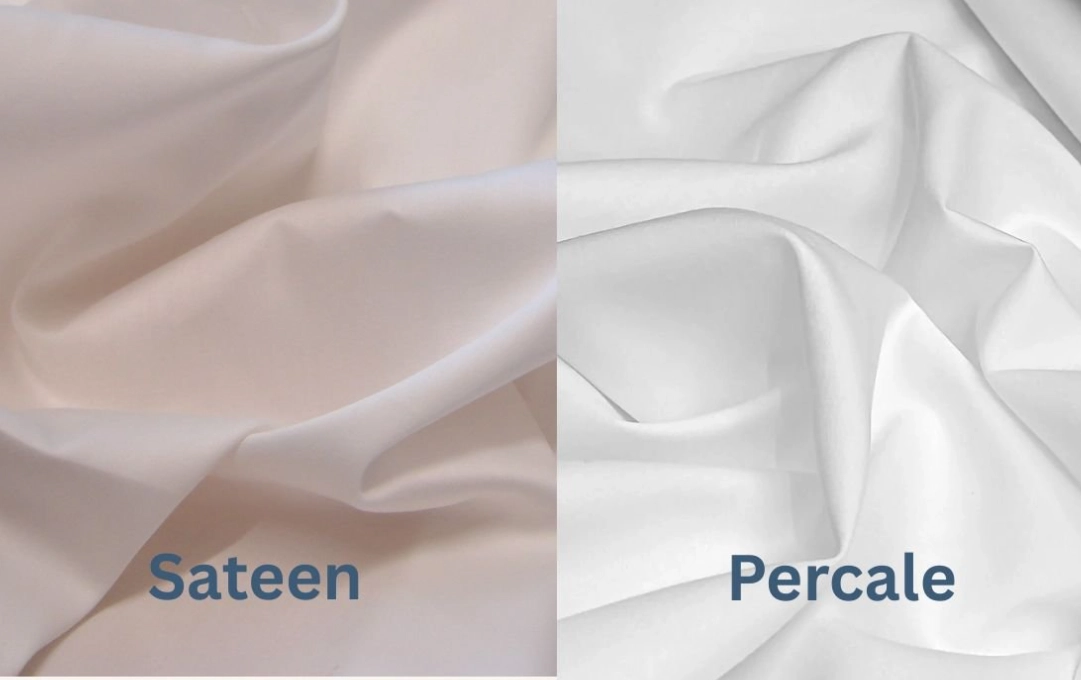
Bedding & Home Textiles (Its Biggest Stage)
This is where cotton sateen truly shines. High-thread-count sateen sheets are synonymous with luxury hotels for a reason. They feel instantly comforting, look pristine, and have that satisfying weight. You'll also find it in duvet covers, pillowcases, and decorative bedding. I made the switch five years ago and won't go back—the reduction in morning bedhead from less friction on the pillowcase is a real, if minor, life upgrade.
Apparel & Fashion
Designers use cotton sateen for structured blouses, dresses, skirts, and lightweight jackets. It holds a shape better than fluid silk but has a similar elegant drape. It's a fantastic fabric for workwear that needs to look polished all day without constant ironing. I have a sateen shirt that survives a cross-country flight in a carry-on and still looks presentable for a meeting.
Upholstery & Drapery
Its durability and attractive finish make it suitable for accent pillows, headboards, and curtains. It adds a touch of texture and sophistication without being overly formal.
Sateen vs. Percale: Choosing Your Bedding Personality
This is the most common comparison. Think of it less as "better vs. worse" and more as "hot sleeper vs. cold sleeper" or "crisp hotel vs. cozy lodge."
Percale is a plain weave, usually with a matte finish. It's lightweight, breathable, and crisp (like a classic men's dress shirt). It gets softer with every wash but maintains a cool, dry feel. If you sleep hot, love a "fresh" feeling, or live in a warm climate, percale is likely your soulmate fabric.
Sateen, as we know, is the warm, smooth, and heavy option. It's about a sensuous, enveloping feel. It's for those who want their bed to feel like a hug, who prioritize a lustrous look, and who appreciate fewer wrinkles straight out of the dryer.
One niche tip: Some brands now offer "brushed" or "peach skin" sateen. This is sateen that's been lightly sanded on the surface after weaving. It reduces the sheen slightly and creates an even softer, fuzzy, peach-like texture. It's incredibly cozy but can be less durable over the long run.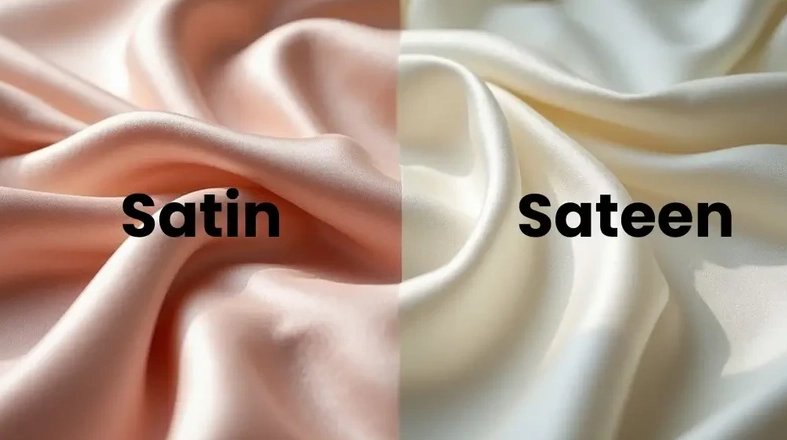
How to Shop for Quality Cotton Sateen: Don't Be Fooled by Marketing
Thread count is the most advertised number, but it's also the most misleading. A 1000-thread-count sheet made from crappy, short cotton is worse than a 300-thread-count sheet made from extra-long-staple cotton.
Here’s what to look for, in order of importance:
1. Cotton Quality (The Fiber): This is non-negotiable. Look for Egyptian, Pima, or Supima® cotton. These are trade names for extra-long-staple (ELS) cotton. The fibers are longer, stronger, and smoother, resulting in a softer, more durable, and less pilly fabric. If the listing doesn't specify the cotton type, assume it's generic, shorter-staple cotton.
2. Thread Count (The Density): For sateen, a good range is 300 to 600 threads per square inch. Anything below 200 will feel thin and cheap. Anything marketed above 600, especially at a low price, is often achieved through tricks like using multi-ply, weaker threads or counting each ply separately. Stick to reputable brands in that 300-600 sweet spot.
3. Fabric Weight (GSM): This tells you how substantial the fabric is. For year-round sateen sheets, aim for 120 to 150 grams per square meter (GSM). Lighter than 120 feels flimsy; heavier than 160 becomes very warm and less breathable.
4. Finish: Ensure it's mercerized. This is a chemical treatment that increases the cotton's strength, luster, and dye affinity. Almost all quality sateen is mercerized. It's a good sign.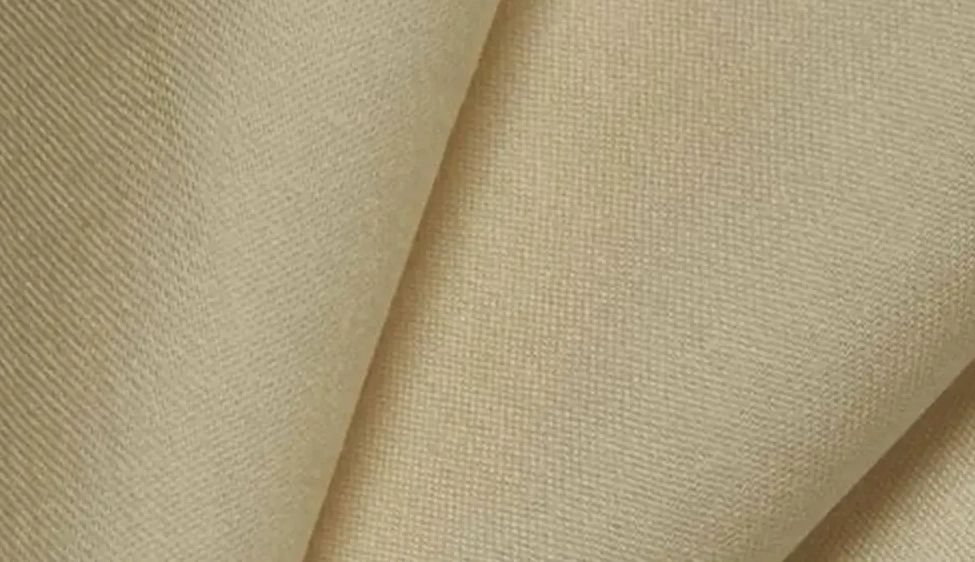
Caring for Your Cotton Sateen: Keep It Feeling Like New
You've invested in nice fabric. Don't ruin it in the wash. Here’s the expert-level care routine that most labels don't tell you:
Washing: Use cold or warm water on a gentle cycle. Hot water can weaken fibers and cause shrinkage. Turn garments inside out. Use a mild liquid detergent. Avoid powdered detergents or heavy-duty cleaners—they can leave residues that dull the sheen.
Drying (The Critical Step): This is where most damage occurs. Tumble dry on low or medium heat, and remove while still slightly damp. High heat is the enemy—it breaks the fibers, leading to pilling and premature wear. That slightly damp state is perfect for ironing if needed.
Ironing: If you must iron, do it on the reverse side (the dull side) with a medium-hot iron. Ironing on the shiny face can crush the floats and create an unnatural, glassy shine in spots. Better yet, fold or hang items immediately after drying to minimize wrinkles—sateen's natural resistance does most of the work.
Storage: Store in a cool, dry place. Avoid plastic bags; use cotton pillowcases or breathable fabric bags for off-season bedding.
Your Cotton Sateen Questions, Honestly Answered
Will cotton sateen sheets make me sweat at night?
It depends entirely on your personal thermostat. If you're a naturally hot sleeper or live in a hot, humid climate without air conditioning, yes, you might find them too warm in peak summer. They are less breathable than percale or linen. For most people in climate-controlled rooms or in cooler seasons, they are perfectly comfortable. The trade-off for that cozy, weighted feeling is less air flow.
Is cotton sateen good for people with sensitive skin?
Generally, yes, but with a caveat. High-quality sateen made from long-staple cotton (like Egyptian) is incredibly smooth, with fewer fiber ends to irritate skin. However, avoid sateen treated with heavy chemical wrinkle-resistant finishes (sometimes called "easy care" or "no-iron"), as these can contain formaldehyde or other irritants. Look for Oeko-Tex® Standard 100 certification, which guarantees the fabric is free from harmful levels of over 100 regulated substances.
 Why does my new sateen bedding feel stiff or slippery?
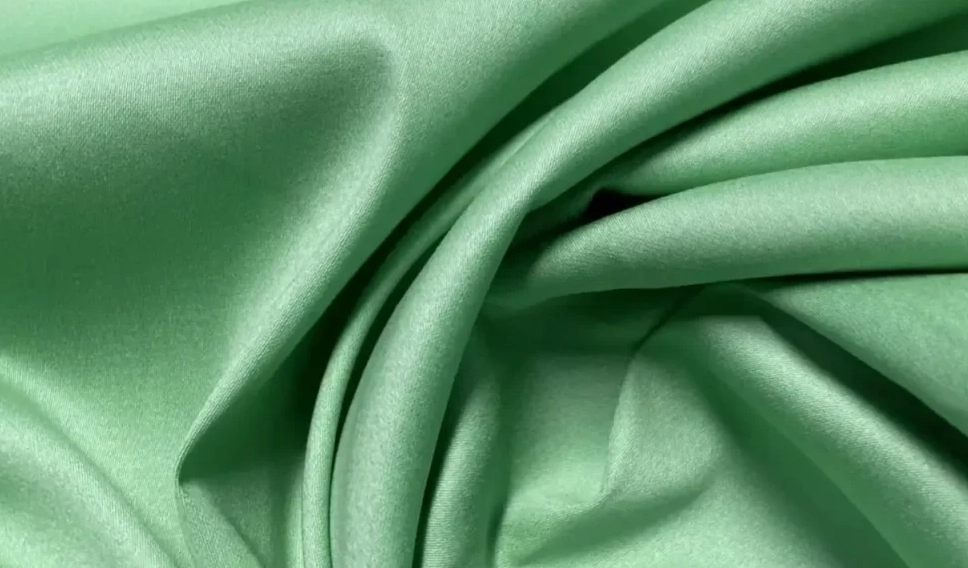
New sateen often has sizing—a starch-like coating applied during manufacturing to make it look crisp on the shelf. It will feel stiff and may have an exaggerated sheen. Wash it once or twice before use. The slippery feel is inherent to the smooth float weave. It will lessen slightly as the fabric breaks in and softens with washing, but that silky glide is part of its character. If you hate it, sateen might not be for you.
How do I fix pilling on my cotton sateen sheets?
First, prevention: buy quality and avoid high-heat drying. If pills appear, use a fabric shaver or pill remover gently. Do not pick at them or use a razor, as you can snag the floats and create pulls. Frequent, gentle washing can also help loosen and remove some pills. If a cheap set pills badly in the first few months, it's a sign of poor fiber quality, and replacement is the only real solution.
Can cotton sateen be used for summer clothing?
It can, but choose wisely. Opt for garments with a looser weave (a lower thread count indicated on the fabric bolt, if you're sewing) or in lighter weights (lower GSM). Look for styles with breezy designs—sleeveless tops, wide-leg pants, A-line skirts—rather than tight, fitted pieces. For true summer heat, a lightweight linen or cotton voile will always be more breathable.
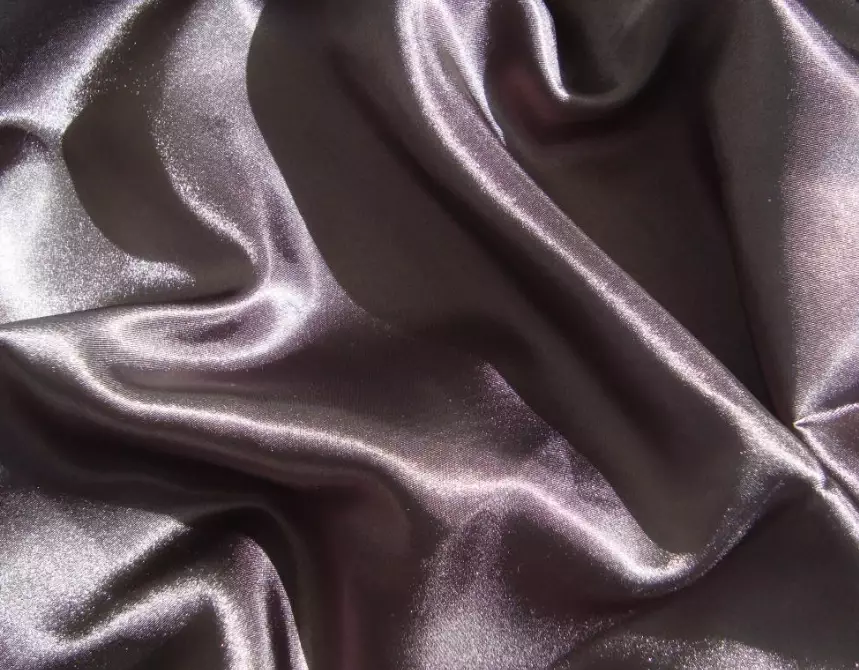 Cotton sateen isn't a magic fabric, but it solves specific problems beautifully. It’s for when you want your bed to feel like a retreat, your shirt to look ironed without the effort, and your home to have a touch of understated elegance. By understanding its weave, its trade-offs, and how to spot quality, you can make an informed choice that adds genuine, lasting comfort to your daily life. Skip the marketing hype, focus on fiber quality, and treat it right. Your reward is a fabric that gets better, softer, and more personal with every wash.