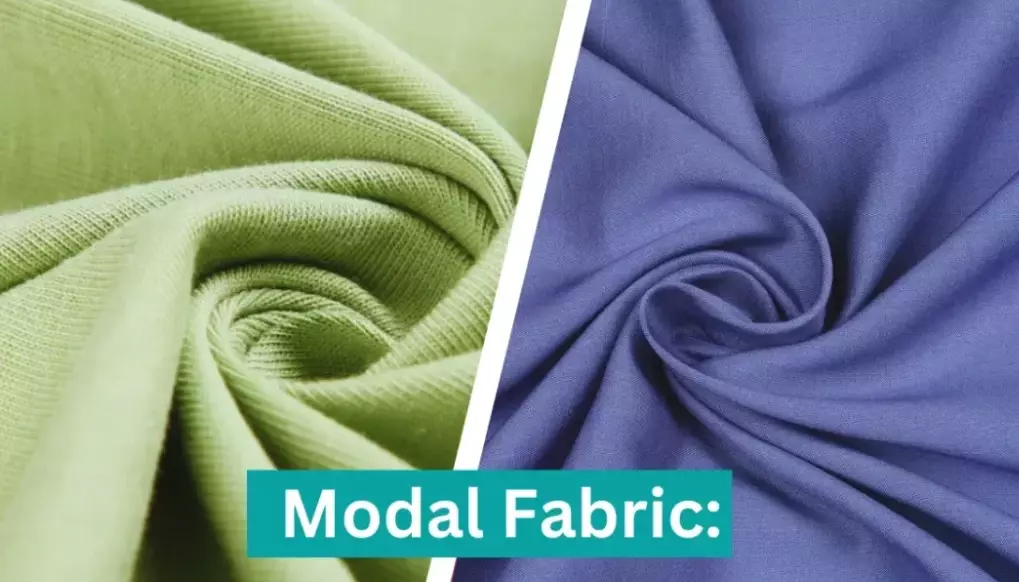
If you've ever owned a super-soft t-shirt or sheets that feel like a cloud, chances are you've touched modal fabric. But what is modal, really? It's a type of rayon made from beechwood pulp, and it's been quietly revolutionizing the textile industry for decades. I first stumbled upon modal in a pair of pajamas—they were so comfortable I forgot I was wearing them, and that got me digging into why this fabric works so well.
What You'll Learn in This Guide
Where Modal Comes From and How It's Made
Modal isn't some new, high-tech invention. It's been around since the 1950s, developed by Austrian company Lenzing AG. The process starts with beechwood trees—specifically from sustainably managed forests in Europe. I visited a mill once, and the smell of wood pulp was overwhelming, but seeing how they turn trees into silky threads was fascinating.
From Beechwood to Fiber: The Production Steps
First, the wood is chipped and processed to extract cellulose. This cellulose is then dissolved using a solvent, often an amine oxide solution, which is recycled in closed-loop systems to minimize waste. The resulting liquid is forced through spinnerets to form fibers, which are washed and dried. Lenzing calls their modal TENCEL™ Modal, emphasizing the eco-friendly aspect. A common mistake people make is thinking all modal is created equal. It's not—the production method matters. Cheaper versions might skip the closed-loop part, leading to more environmental impact.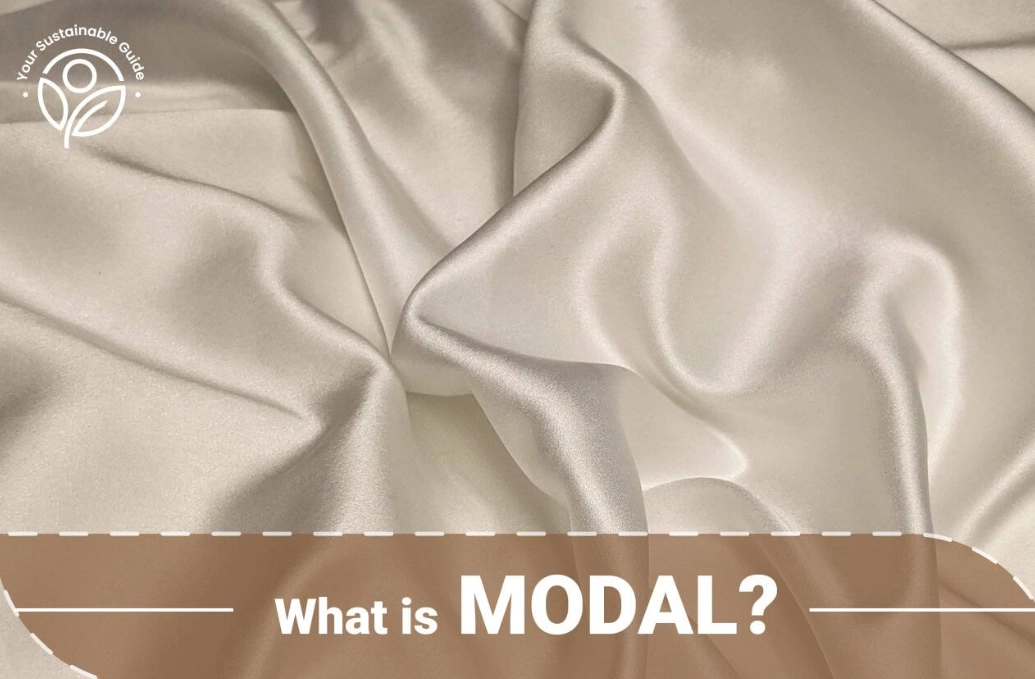
Fun fact: Beechwood grows quickly without pesticides, making modal a renewable resource. But don't just take my word for it—check out reports from the Textile Exchange for more on sustainable sourcing.
Key Properties and Benefits of Modal
Why bother with modal? Let's break it down. Modal fabric is known for its softness, but that's just the start. It feels smoother than cotton right out of the wash, and it gets even softer over time. I've had modal shirts that lasted years without pilling, unlike some cheap cottons that fray after a few wears.
Breathability and Moisture-Wicking: Modal absorbs water better than cotton—about 50% more, according to some studies. This makes it great for activewear or hot climates. I wore a modal polo on a hiking trip, and it kept me dry even when sweating buckets.
Durability and Drape: The fibers are strong when wet, so modal holds up well in washing. It also has a nice drape, meaning it hangs elegantly on the body. That's why you see it in flowy dresses and lingerie.
Sustainability Angle: Since it's derived from wood, modal is biodegradable under the right conditions. Lenzing's process uses less water than cotton farming—think 10-20 times less. But here's a nuance: not all modal is certified. Look for labels like OEKO-TEX or FSC to ensure it's responsibly made.
Common Uses in Fashion and Home Goods
Modal isn't just for luxury items anymore. It's everywhere, from budget brands to high-end lines. I've spotted it in H&M's Conscious collection and Patagonia's base layers. The versatility surprises many.
Apparel: - Underwear and socks: Modal's softness reduces skin irritation. Brands like Calvin Klein use it for their intimates. - T-shirts and casual wear: Ever wonder why some tees feel so light? Modal blends often include a bit of spandex for stretch. - Sleepwear and loungewear: That pajama set I mentioned? It's 95% modal, and it's ruined other fabrics for me.
Home Textiles: - Bed sheets and pillowcases: Modal sheets wick away moisture, which is a game-changer for night sweats. Brooklinen offers modal blends that feel silky but aren't slippery. - Towels and robes: They absorb water quickly and dry fast. I tried a modal bathrobe once—it was like wrapping yourself in a cloud, but it took forever to dry on a humid day.
Blends and Innovations: Modal is often mixed with cotton, polyester, or elastane to enhance properties. For example, a 60% modal, 35% cotton, 5% spandex blend gives you softness with structure. Some brands are experimenting with modal from bamboo, though that's technically a different fiber.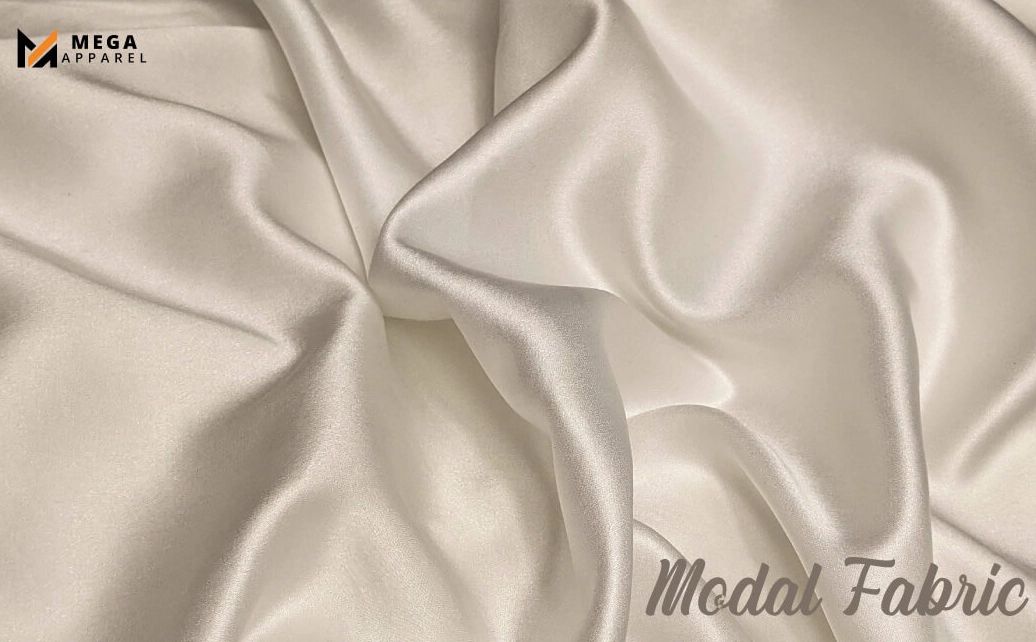
How Modal Stacks Up Against Cotton and Viscose
People always ask: is modal better than cotton? Or viscose? It depends on what you value. Let's compare.
| Fabric | Softness | Breathability | Sustainability | Durability | Cost |
|---|---|---|---|---|---|
| Modal | Very high – gets softer with washes | High – excellent moisture absorption | Good – renewable source, closed-loop options | High – strong when wet | Mid-range – more than cotton, less than silk |
| Cotton | High – but can stiffen over time | Moderate – absorbs moisture but slower | Variable – conventional cotton uses lots of water | Moderate – prone to shrinking | Low to mid – widely available |
| Viscose Rayon | High – similar to modal | High – but less eco-friendly production | Poor – often involves harsh chemicals | Low – weak when wet | Low – cheaper alternative |
| Tencel Lyocell | Very high – smooth and cool | High – similar to modal | Excellent – closed-loop standard | High – very strong | High – premium price |
From my experience, modal hits a sweet spot. It's softer than cotton, more durable than viscose, and more affordable than Tencel. But if sustainability is your top priority, Tencel might edge it out due to stricter certifications.
Caring for Modal Garments: A Practical Guide
Modal is low-maintenance, but it's not indestructible. I've ruined a modal dress by tossing it in a hot dryer—lesson learned. Here's how to keep your modal items looking fresh.
Washing: Use cold or lukewarm water on a gentle cycle. Hot water can weaken the fibers. Mild detergents work best; avoid bleach. I hand-wash my modal intimates to extend their life.
Drying: Air-dry is the way to go. Modal dries quickly, so hang it up or lay it flat. If you must use a dryer, choose the lowest heat setting. High heat causes shrinkage and loss of softness.
Ironing and Storage: Modal resists wrinkles, but if needed, iron on a low setting. Store in a cool, dry place. Don't cram it in a tight drawer—the fabric needs to breathe.
A pro tip: Modal blends with polyester might pill less, but pure modal can develop fuzz over time. Use a fabric shaver gently if that happens.
Frequently Asked Questions
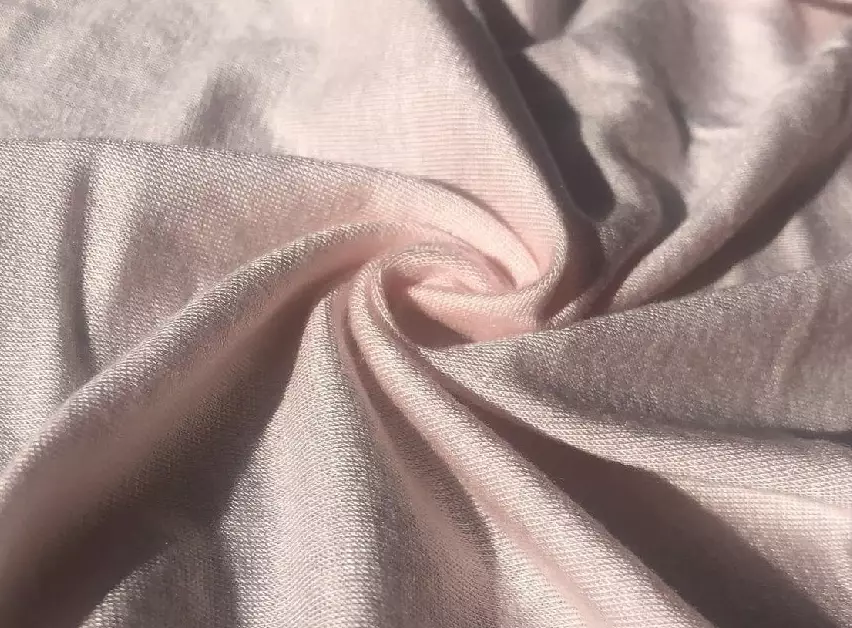 Can modal fabric be used for athletic wear, or is it too delicate?
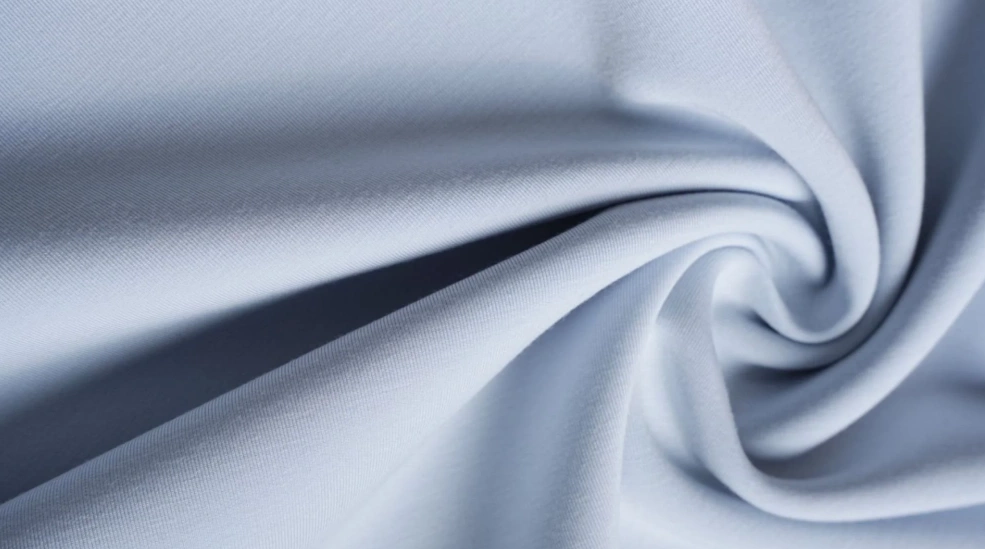 Modal fabric isn't perfect—it can be pricey, and sourcing matters—but for a balance of comfort, sustainability, and practicality, it's hard to beat. Next time you shop, give it a feel; you might just switch your whole wardrobe.