Let's be clear from the start: polyester fiber itself is not waterproof. If you pour a cup of water onto a raw piece of polyester yarn, it will eventually soak through. But that's only half the story, and stopping there does a huge disservice to anyone shopping for a rain jacket, a tent, or performance bedding. The real answer, the one that matters for your gear and your wallet, is far more interesting. Polyester is inherently hydrophobic—it hates water. This core property is the foundation for everything that comes next, from the light shower resistance of your favorite fleece to the fully waterproof membrane in a high-end ski shell. Understanding this distinction is the key to making smart purchases and caring for your stuff properly.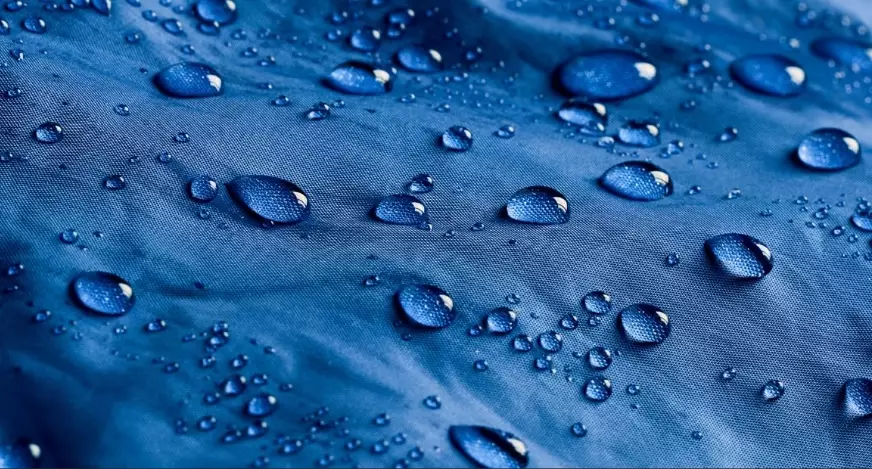
What You'll Learn in This Guide
What Is Polyester, Really?
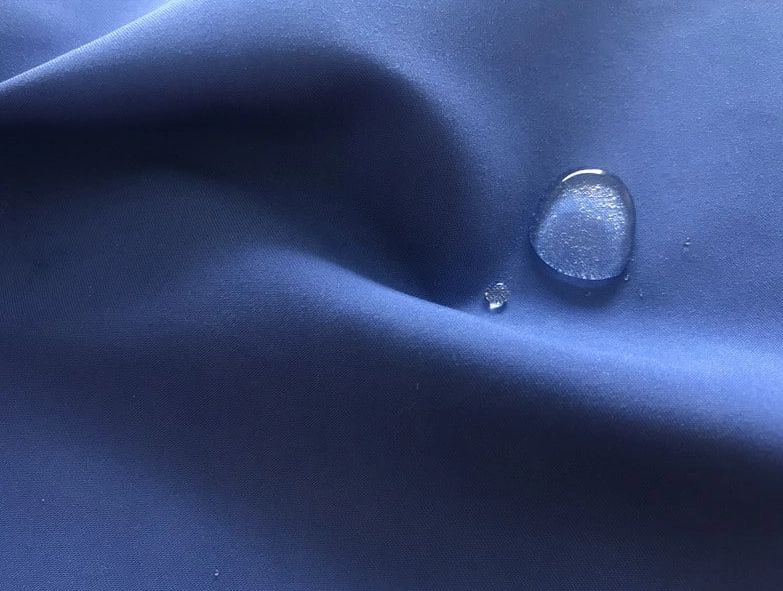
Polyester is a synthetic polymer, essentially plastic derived from petroleum. Its molecules are long, smooth chains with no natural affinity for water molecules. Think of it like a waxed car. Water beads up and rolls off because the surface tension is high. That's the hydrophobic nature at work. This is why a plain polyester t-shirt will dry faster than a cotton one—it doesn't absorb much water to begin with.
I learned this the hard way years ago on a hike. My cheap "water-resistant" polyester windbreaker wetted out in a steady drizzle within twenty minutes. It wasn't the polyester that failed; it was the lack of any meaningful treatment on top of it. The fabric was just thin, untreated polyester. It delayed the soak, but didn't stop it.
Waterproof vs. Water-Resistant: The Crucial Difference
This is where most marketing blurbs confuse people. They're not interchangeable terms.
Water-Resistant (or Water-Repellent): This describes that inherent hydrophobic property or a light treatment. It can handle light rain or splashes for a short time. Water beads up initially. Under pressure (like sitting on a wet bench) or prolonged exposure, it will eventually wet through. Most fleece, softshell jackets, and everyday bags have this level.
Waterproof: This is a performance claim. A waterproof fabric creates an impermeable barrier that prevents water from passing through, even under significant pressure (like a storm or kneeling on wet ground). This is achieved through coatings or membranes and is measured by a hydrostatic head rating (e.g., 10,000mm). True waterproof gear has taped seams to seal needle holes.
So, is polyester waterproof? Untreated, it's merely water-resistant. But it's the perfect canvas to become waterproof.
How Polyester Becomes Waterproof
Manufacturers use two main methods to transform hydrophobic polyester into a waterproof barrier. The method used drastically affects the feel, performance, and price of your gear.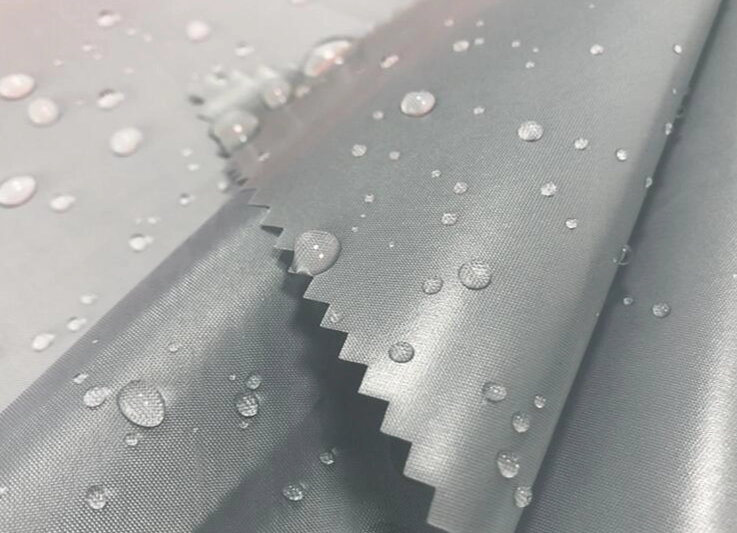
The Role of DWR (Durable Water Repellent)
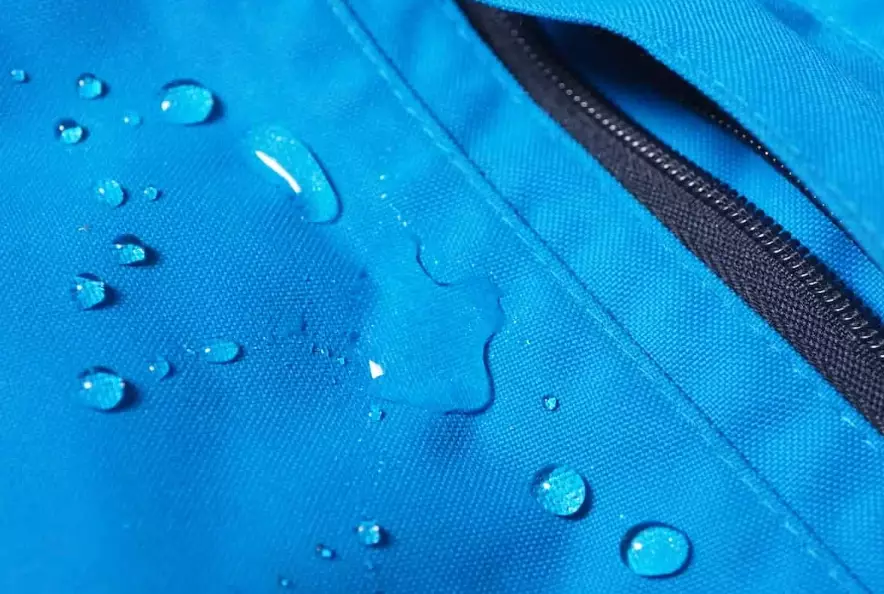
Almost all waterproof and many water-resistant items have a DWR finish. It's a coating applied to the outer fabric face that dramatically enhances the beading effect. You've seen it: water forms perfect little spheres and rolls off. The crucial, often-missed point is this: DWR does not make the fabric waterproof underneath. It protects the waterproof membrane or coating from being overwhelmed by a film of water, which can cause "wetting out" and make you feel cold and clammy. DWR wears off with dirt, oil, and abrasion. That's why your old rain jacket soaks through the outer layer but might still keep you dry—the membrane underneath is intact, but the DWR is gone.
Coatings vs. Laminates: The Engine Inside
This is the real waterproofing. A coating is a layer of polyurethane (PU) or similar substance applied directly to the back of the fabric. It's affordable and effective but can feel stiffer and is less breathable. It can also degrade and become sticky over time.
A laminate is a microscopic porous membrane (like Gore-Tex, eVent, or a brand's own proprietary version) bonded to the fabric. The pores are smaller than a water droplet but larger than a vapor molecule. This lets sweat escape (breathability) while blocking rain from entering. It's more expensive, more durable, and typically more breathable. Most high-performance apparel uses this method.
| Method | How It Works | Best For | A Key Consideration |
|---|---|---|---|
| DWR Finish | Coats outer fibers to increase surface tension, causing water to bead. | All water-resistant gear; the outer shield for waterproof gear. | Not permanent. Requires re-treatment with heat and spray-on products. |
| PU/PVC Coating | A continuous layer applied to fabric back, creating a physical barrier. | Budget rainwear, simple tarps, emergency ponchos, some backpacks. | Can reduce breathability significantly and may crack with age. |
| Laminated Membrane | A thin, porous film bonded between fabric layers. Blocks liquid, passes vapor. | High-end outdoor apparel (jackets, pants), premium tents, gaiters. | Requires an outer fabric and often an inner liner for protection. Delicate surface. |
How Waterproof Polyester Stacks Up Against Other Fabrics
Polyester isn't the only player. Nylon is its main competitor. Here’s the breakdown from a practical, in-the-field perspective.
Polyester vs. Nylon for Waterproofing: Both accept coatings and laminates equally well. The difference is in the base fabric. Nylon is generally stronger and more abrasion-resistant for its weight, but it absorbs slightly more water (hydrophilic). This means in a prolonged downpour, a nylon-based shell might absorb a bit more water weight, potentially feeling heavier. Polyester has higher UV resistance and dries faster in its untreated state. For most users, the choice is made by the brand based on desired fabric hand-feel and durability targets; you as a consumer often won't notice a drastic difference in waterproof performance between the two when they're properly constructed.
The Natural Fiber Contrast: Cotton and wool are hydrophilic. They absorb water readily, making them terrible candidates for waterproofing. A waxed cotton jacket works because the wax (like a heavy DWR) completely blocks the fibers; without it, cotton soaks through instantly.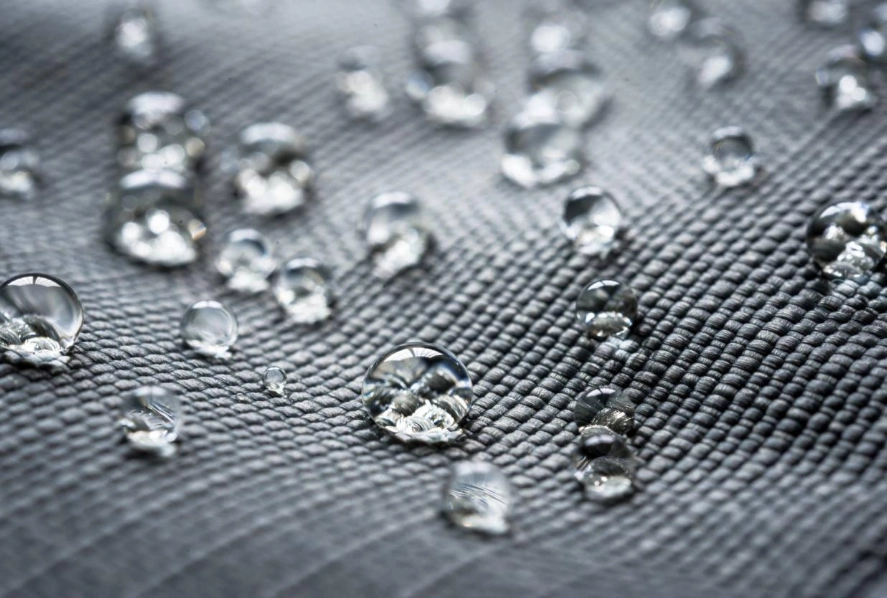
How to Test and Maintain Your Polyester Waterproof Gear
You bought a waterproof polyester jacket. How do you know it works, and how do you keep it that way?
The Home Waterproof Test
Don't just trust the tag. Do this:
1. Check the seams: Are they taped? If not, it's not fully waterproof.
2. The DWR test: Sprinkle water on the outer fabric. It should bead up aggressively. If it soaks in or "wets out" in a dark patch, the DWR is dead.
3. The pressure test (sink test): Lay the garment flat in a dry sink. Stretch the fabric over the drain. Run a gentle stream of water onto it for a minute. Check the inside. Any dampness? That indicates a coating flaw or laminate issue. Note: This tests the fabric, not the seams.
Maintenance: Reviving DWR and Washing
Here’s the expert tip everyone misses: Dirt and body oils are the #1 killer of DWR and can clog membrane pores. Regular cleaning is not optional; it's essential for performance.
**Wash your waterproof gear** with a technical cleaner (like Nikwax Tech Wash or Grangers Performance Wash). Never use detergent, fabric softener, or bleach. They coat the fibers and ruin water repellency. Tumble dry on low heat. The heat helps reactivate the DWR.
**Reapply a DWR treatment** (like Nikwax TX.Direct Spray-On) when water stops beading. Apply to clean, dry gear. Spray evenly and tumble dry again. This isn't a permanent fix, but it restores performance for a season.
Your Top Questions on Polyester and Water
 Is "waterproof polyester" bad for breathability?
 So, is polyester fiber waterproof? No, not on its own. But its inherent resistance to water makes it the foundational material of choice for creating durable, high-performing waterproof fabrics through clever chemistry and engineering. The magic isn't in the polyester—it's in what we add to it. Your job is to look past the label, understand the construction (coating vs. laminate), and commit to the simple maintenance that keeps the water on the outside where it belongs.