If you wake up with a stuffy nose, itchy eyes, or a cough that magically disappears by afternoon, your bed might be the problem. Dust mites are a prime suspect. The short answer is yes, dust mite proof bedding can be a game-changer for allergy sufferers. But it’s not a magic bullet you just buy and forget. It’s a tool, and like any tool, its effectiveness depends entirely on how you use it. I’ve seen clients get incredible relief and others waste money because they missed a few key details. Let’s cut through the marketing and look at what actually works.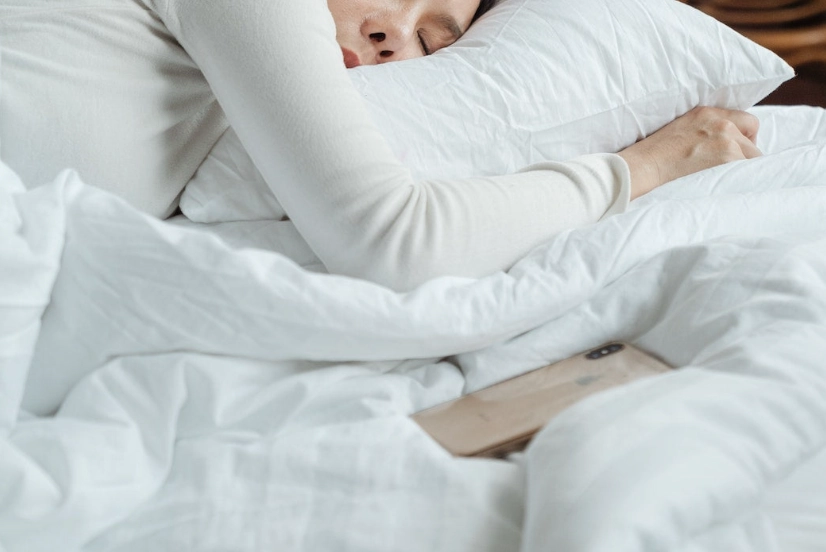
What's Inside This Guide
How Dust Mite Proof Bedding Actually Works (The Science)
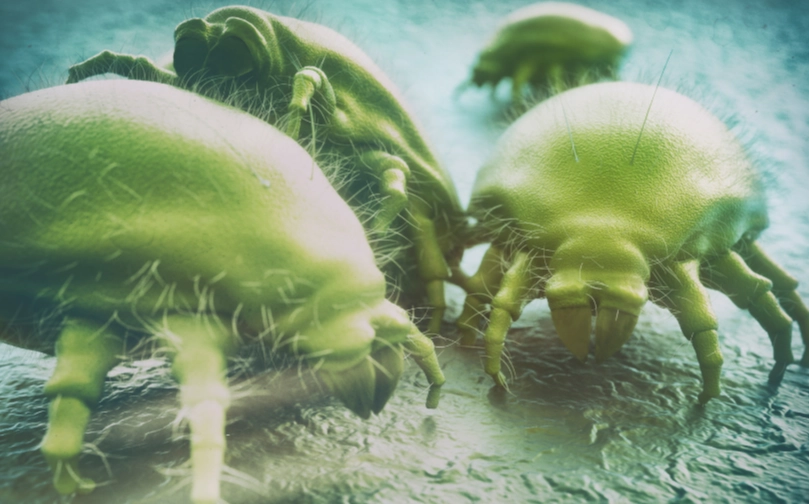
First, a quick reality check. The bedding itself isn't killing dust mites. These microscopic critters live deep inside your mattress, pillow, and comforter, feeding on your dead skin cells. They thrive in warmth and humidity—exactly the environment your body creates every night.
What the "proof" or "allergy" covers do is create a physical barrier. Think of it as a very fine, tightly woven zip-up bag for your mattress and pillow. The weave is so tight that the mites and, more importantly, their waste pellets (the real allergen trigger), cannot pass through. You're essentially sealing the allergen source inside and preventing new mites from colonizing the core filling.
Here’s the crucial part everyone misses: The barrier only works if it’s complete and intact. A cover with a poor zipper seal, a tear, or a fabric that degrades after washing is like putting a fence with a wide-open gate around your yard.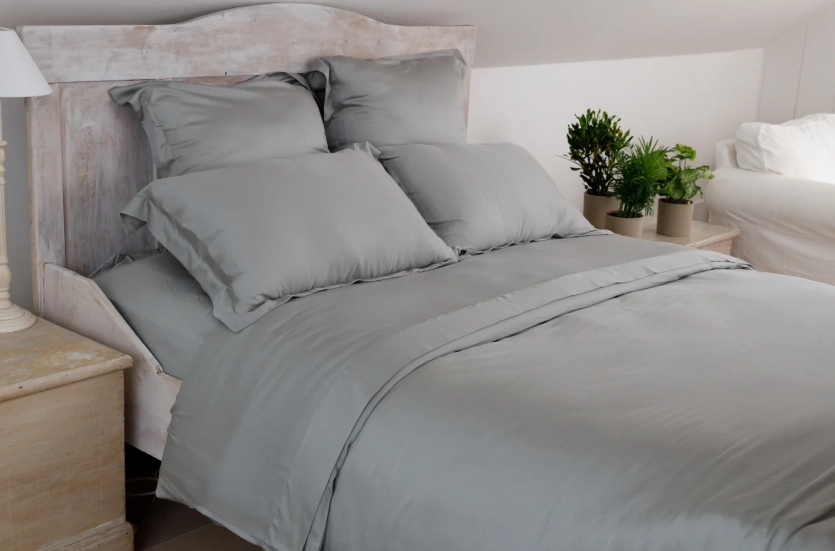
The Two Main Types of Barrier Fabrics
You'll mainly encounter two materials:
| Feature | Tightly Woven Fabric (e.g., Cotton, Polyester) | Laminated Microfiber (e.g., Polyurethane Membrane) |
|---|---|---|
| Breathability | High. Often feels more like regular sheets. | Variable. Can feel warmer or have a slight plastic-like sound. |
| Barrier Integrity | Excellent, if weave is tight enough ( | Excellent, relies on a non-porous membrane. |
| Durability with Washing | Very good. The barrier is the weave itself. | Can degrade. Lamination can crack or peel over time with heat. |
| Typical Feel | Softer, more natural. | Smoother, sometimes slicker. |
I generally lean towards high-quality, tightly woven fabrics for long-term use. They tend to last longer through repeated washings, which is non-negotiable for maintenance.
What to Look for When Buying: The 3 Non-Negotiables
Walking down the bedding aisle or scrolling online is overwhelming. Ignore fancy terms and focus on these three specs. If the product listing doesn't mention them, move on.
1. Pore Size or Micron Rating: This is the most important number. Dust mite allergens are about 10 microns or larger. To block them, the fabric's pores must be smaller than 10 microns. Look for claims like "
2. A Complete, Sealed Encasement: You need a zippered encasement, not a fitted sheet or a pad. It must fully enclose the mattress or pillow with a zip that closes tightly. Many have a "flap" behind the zipper to seal the gap. For pillows, ensure the cover is designed to go under your regular pillowcase.
3. Third-Party Certification: Don't just take the brand's word for it. Look for certification from independent bodies like the AAFA (Asthma and Allergy Foundation of America) or British Allergy Foundation. Their certification means the product has been scientifically tested to block allergens.
Let me tell you about a client, Sarah. She bought "hypoallergenic" mattress pads from a big-box store and saw zero improvement. Frustrated, she called me. We checked—they were just quilted pads with no pore size rating or zip. They were trapping allergens on top of her, not sealing them in. Switching to a certified, sub-10-micron encasement made a noticeable difference within two weeks.
The Maintenance Trap: Why Most People Fail
This is where 80% of the benefit is lost. Buying the cover is step one. Maintaining the system is step two, three, and four.
You've sealed the mites in your mattress. Great. But mites and allergens will now accumulate on top of the encasement—on your regular sheets, blankets, and pillowcases. If you don't wash those frequently in hot water, you're just creating a new allergen layer right where your face is.
Here’s a simple, effective weekly routine:
Wash all bedding (sheets, pillowcases) in hot water (>130°F / 54°C). Hot water kills dust mites. If your fabrics can't handle hot, wash in the hottest water they can tolerate and then dry on a high-heat setting for at least 15 minutes. The heat from the dryer is also effective.
Vacuum the top of the mattress encasement monthly when you change your sheets. Use the upholstery attachment. This removes any skin flakes that have settled there.
Wash the encasement itself every 2-3 months. Follow the care label religiously! Some can handle hot water, many require warm or cold to protect the barrier. The dryer heat is usually fine, but check the tag.
Neglect this, and your expensive encasement becomes a redundant layer under a pile of allergens. It's like installing a top-tier air filter in your home and then leaving all the windows open in a dust storm.
Setting Realistic Expectations: What It Can and Can't Do
Dust mite proof bedding is a powerful component of an overall allergy management plan, but it's not a standalone cure.
What it CAN do: Drastically reduce your nightly exposure to a major indoor allergen. For many, this leads to significantly less morning congestion, fewer sinus headaches, and better sleep quality. It's a proactive, physical barrier you control.
What it CANNOT do: Eliminate allergies caused by pollen (that blows in through windows), pet dander (if your pet sleeps with you), or mold. It won't instantly cure severe asthma. It addresses one specific, but very common, trigger zone: your bed.
For best results, pair it with other strategies: using a HEPA air purifier in the bedroom, keeping humidity below 50% with a dehumidifier, and regularly vacuuming carpets with a HEPA-filter vacuum. The EPA's guide to indoor air quality has great resources on creating a holistic healthy home environment.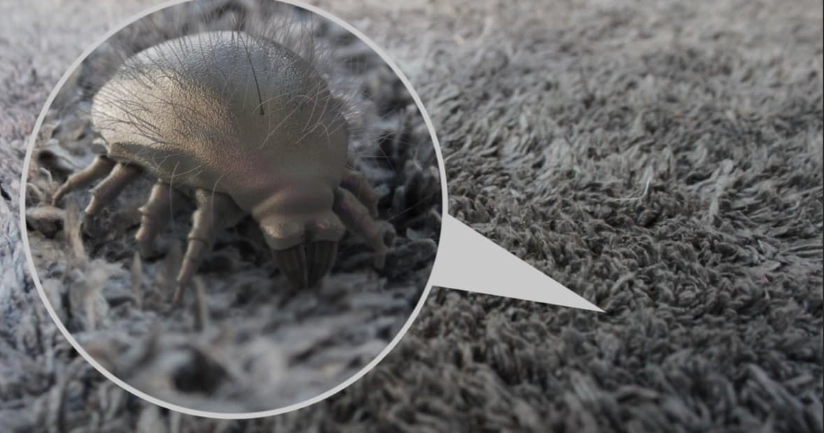
Your Dust Mite Bedding Questions, Answered
 The bottom line is clear: dust mite proof bedding is a highly effective tool if you understand its role. It’s not a passive purchase but an active part of your allergy management. Invest in a quality, certified encasement with the right specs, and commit to the simple but essential washing routine. For millions, it’s the difference between a restless, congested night and waking up actually feeling rested. Your bed should be a sanctuary, not a source of sneezes.