Modal fabric, celebrated for its silky touch, is a semi-synthetic cellulose fiber primarily derived from beechwood trees. It's not fully natural like cotton nor fully synthetic like polyester; it sits in a sweet spot in between, created by chemically processing natural wood pulp. If you own incredibly soft underwear, breathable bedsheets, or a drapey t-shirt that feels like a second skin, there's a good chance you're already familiar with Modal's luxury. But its origin story is what makes it truly fascinating.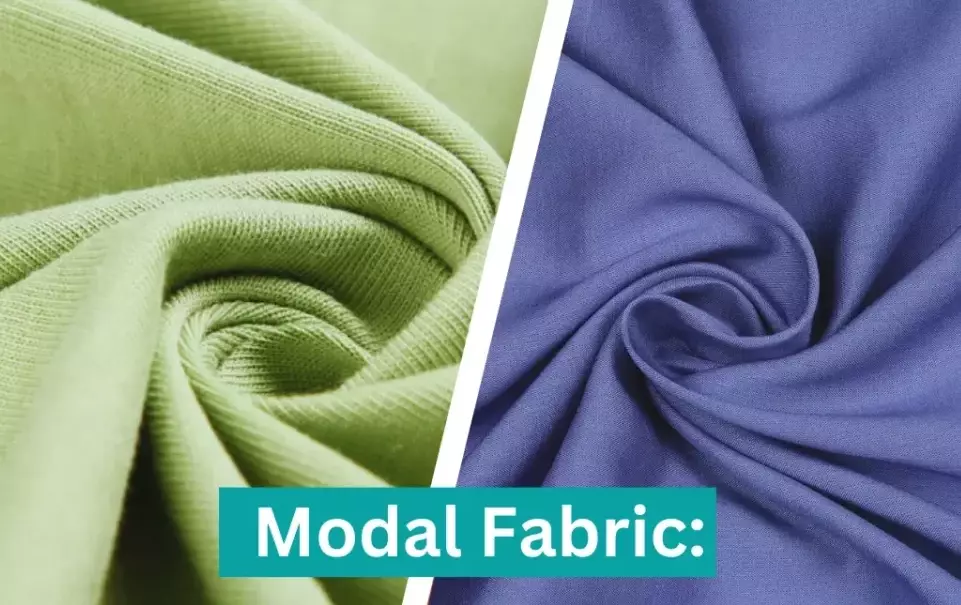
What You'll Learn Inside
The Core Ingredient: Beechwood Trees
Let's get specific. Modal isn't made from just any tree. The gold standard, especially for brands like Lenzing (the Austrian company that trademarked TENCEL™ Modal), is beechwood from sustainably managed European forests.
Why beechwood? It's a fast-growing hardwood that doesn't require irrigation, pesticides, or converting land from food crops. The trees are basically chipped into a fine pulp, which becomes the raw material. This is a crucial detail most summaries miss. The type of wood and its source forestry practices (look for FSC or PEFC certification) directly impact the fabric's environmental footprint. Not all Modal is created equal. A generic "wood pulp" label could mean anything, but premium Modal proudly states its beechwood origin.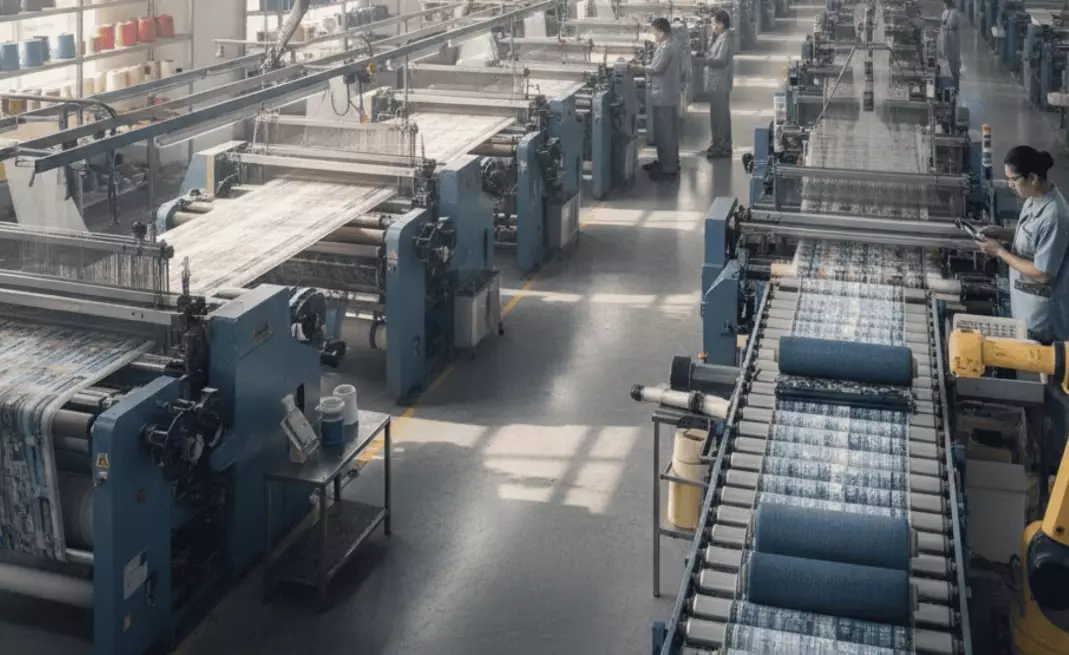
A Personal Note on Fabric Sources
Having worked with textiles for over a decade, I've seen fabrics come and go. The shift towards wood-based fibers like Modal, Lyocell, and Viscose is significant. But here's a subtle point beginners often overlook: the term "Modal" describes the fiber structure and production method, not just the source. While beechwood is dominant, the process can technically use pulp from other hardwoods like eucalyptus or spruce. However, the performance and sustainability claims hinge heavily on that specific beechwood source and a closed-loop manufacturing process.
From Wood to Wear: The Modal Production Process
This is where the magic—and the chemistry—happens. Turning hard wood into soft thread isn't simple. Here’s a breakdown of the key steps:
1. Harvesting & Chipping: Sustainably harvested beechwood logs are debarked and chipped into tiny, uniform pieces.
2. Pulping: The wood chips are dissolved in a chemical solvent to extract the pure cellulose. This is the semi-synthetic part. The solvent used is typically sodium hydroxide. In modern, eco-friendly facilities like Lenzing's, over 99% of this solvent is recovered and reused in a closed-loop system, minimizing waste and pollution.
3. Filtering & Spinning: The cellulose solution is filtered and then forced through tiny spinnerets (devices with microscopic holes) into a bath. This regenerates the cellulose into long, continuous fibers. The fiber is then stretched, which aligns its molecules and gives Modal its renowned strength and silky feel.
4. Washing, Drying & Finishing: The fibers are washed, dried, cut to staple length (or kept as filament), and then spun into yarn, ready to be woven or knitted into fabric.
The process is more resource-intensive than processing raw cotton but often uses less water than cotton farming. The closed-loop system is the game-changer for its eco-credentials.
Modal vs. Cotton: A Side-by-Side Wear Test
People often ask, "Is modal better than cotton?" It's not about better, but different. Think of it as a high-performance upgrade for specific uses. Here’s how they stack up where it matters most: on your body.
| Feature | Modal Fabric | Cotton (Standard) |
|---|---|---|
| Softness | Exceptionally soft, silky smooth from the first wear. Gets softer with washes. | Soft, but can be slightly crisp. Often requires break-in washes to reach peak softness. |
| Breathability | Excellent. Wicks moisture away efficiently, keeping you dry. | Good, but can retain moisture and feel damp if you sweat heavily. |
| Durability | Surprisingly strong when wet (stronger than cotton). Holds its shape well over time. | Strong when dry, but loses about 20% strength when wet. Can shrink and pill. |
| Drape & Feel | Luxurious, fluid drape. Clings elegantly without being restrictive. | More structured drape. Can feel bulkier in heavier weaves. |
| Color Retention | Accepts dye beautifully, resulting in vibrant, long-lasting colors. | Also dyes well, but colors can fade faster with repeated hot washes. |
| Typical Use | Underwear, pajamas, luxury t-shirts, bedsheets, drapey blouses. | Everyday t-shirts, jeans, towels, shirts, a wide range of home textiles. |
I once advised a boutique hotel switching their standard cotton linens to a modal-cotton blend. The housekeeping manager later told me the biggest feedback wasn't about luxury—it was that the sheets dried faster after laundering, saving them time and energy. That's a practical benefit you don't see in marketing brochures.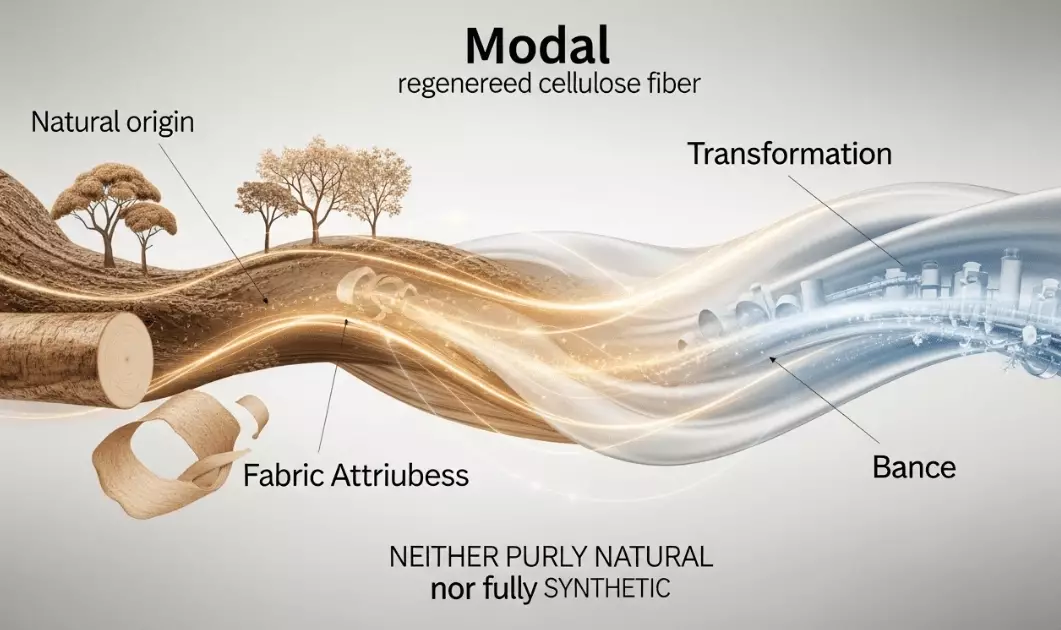
The Big Sustainability Question
"Is modal fabric eco-friendly?" This is the million-dollar question. The answer is: It can be, but you must check the details.
The wood source is critical. Look for brands that specify FSC-certified beechwood. The manufacturing process is even more important. The closed-loop system, pioneered by Lenzing, is the industry benchmark. It captures and reuses solvents, drastically reducing chemical and water waste. If a brand just says "modal" without any transparency about the producer or certifications, be skeptical.
Compared to conventional cotton, which is notoriously water and pesticide-intensive, Modal from a responsible producer has a lower environmental impact in those areas. However, the chemical transformation process does carry an energy footprint. It's a trade-off. For a deep dive into the science, research organizations like the Textile Exchange publish comparative lifecycle assessments of different fibers.
How to Care for Your Modal Clothes (So They Last)
Modal is durable, but mistreat it and it will lose its glory. Here’s the insider care guide:
Washing: Use cold or lukewarm water. Hot water is the enemy—it can break down the fibers over time and cause shrinkage. Turn garments inside out. Use a gentle, liquid detergent.
Drying: This is non-negotiable: Air dry flat. Never, ever tumble dry Modal on high heat. The intense heat can melt or severely damage the fibers, causing them to shrink irreversibly and lose their softness. If you must use a dryer, only use the absolute lowest heat or air-fluff setting for a short time, but air drying is the only surefire method.
Ironing: If needed, use a low heat setting. The fabric usually drapes so well that ironing is rarely necessary.
Following these steps will keep your Modal pieces feeling like new for years. I've had Modal t-shirts outlast cheaper cotton ones because the fibers maintained their integrity.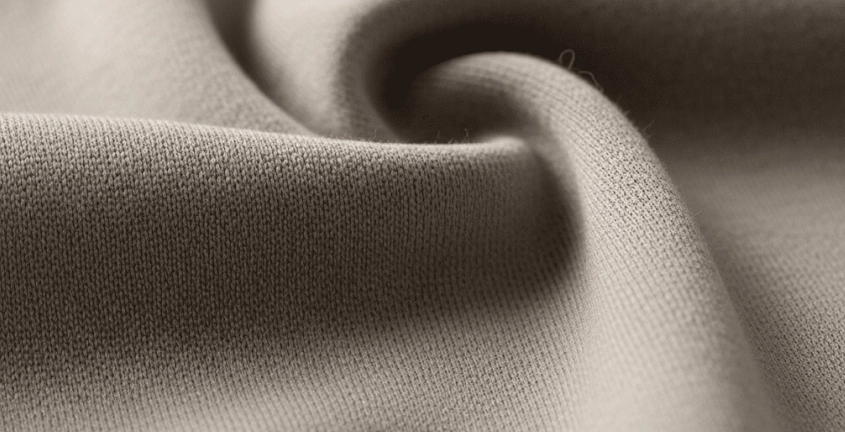
Your Modal Questions, Answered
 Is modal the same as bamboo or viscose?