That soft, breathable cotton t-shirt you love started its life in a field, not a factory. The process of turning fluffy, seed-filled cotton bolls into durable, wearable fabric is a fascinating blend of agriculture, mechanical engineering, and chemistry. It's not magic, but it might as well be. We're going to walk through every stage, from the first pick to the final finish on the fabric roll. You'll see why some cotton feels like sandpaper and some feels like silk, and what really happens when you throw that "100% Cotton" tag into the wash.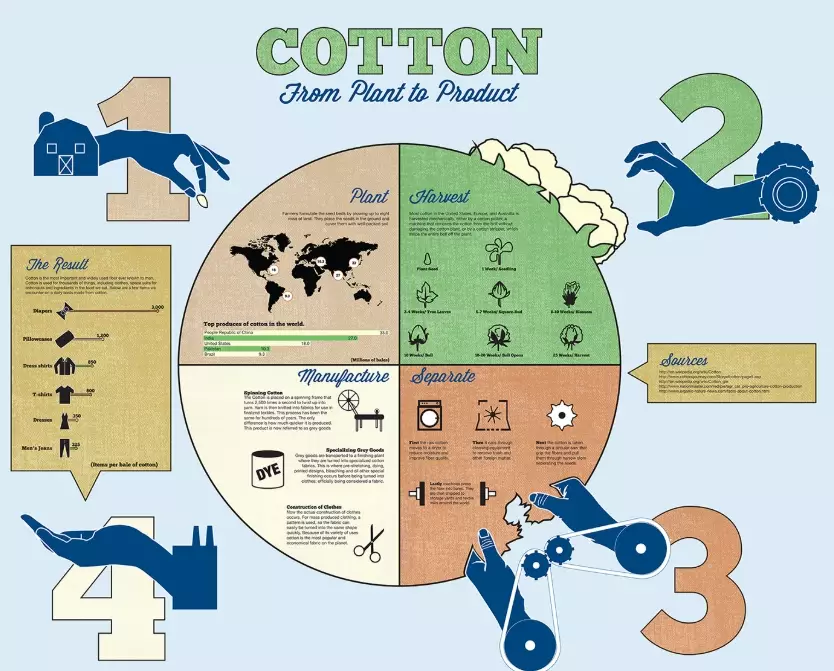
What You'll Learn
From Field to Bale: Harvesting and the Crucial Ginning Step
It all begins with the cotton plant. After the pretty flowers fall off, the boll (the protective case) matures and bursts open, revealing the raw cotton fiber. This fiber is nature's perfect package for protecting seeds. Modern harvesting is mostly done by massive machines called cotton pickers or strippers. They efficiently pull the fluffy lint from the plants, but they're not gentle. They can grab bits of leaf, stem, and dirt along for the ride.
Here's where the first major factory process begins: ginning. The cotton gin's job is brutally simple—rip the fibers away from the seeds. Modern saw gins use rotating circular saws that pull the lint through narrow gaps, leaving the too-large seeds behind. It's fast and effective, but it can stress and break the fibers. The quality of ginning matters more than most people think. A poorly adjusted gin can chop up long-staple fibers, turning premium cotton into a mediocre product before it's even spun.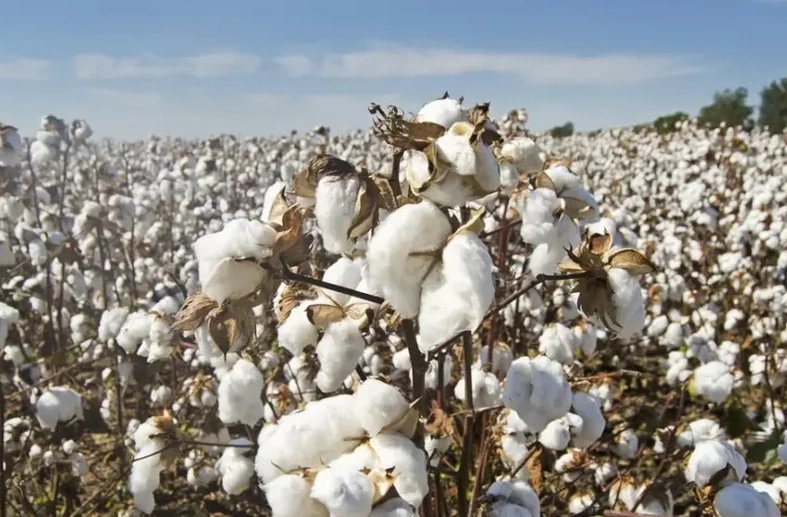
What's left after ginning? You get two main products: 1) The clean lint, now called ginner's cotton, pressed into huge bales weighing about 500 pounds each. 2) The seeds, which aren't waste. They're crushed for cottonseed oil (used in food) and the leftover meal becomes animal feed.
Those bales are then sold and shipped to spinning mills worldwide. Before spinning, the cotton goes through blending and cleaning. Mills often blend bales from different farms or regions to ensure consistency in color and fiber length. Machines called openers and cleaners use beaters, air streams, and screens to remove any remaining plant debris. The cotton emerges as a uniform, clean sheet called a lap.
Creating Cotton Yarn: The Intricate Art of Spinning
This is where the magic of turning fluffy mass into strong, continuous thread happens. Spinning has several sub-steps, each refining the material further.
Carding and Combing: The Great Detangler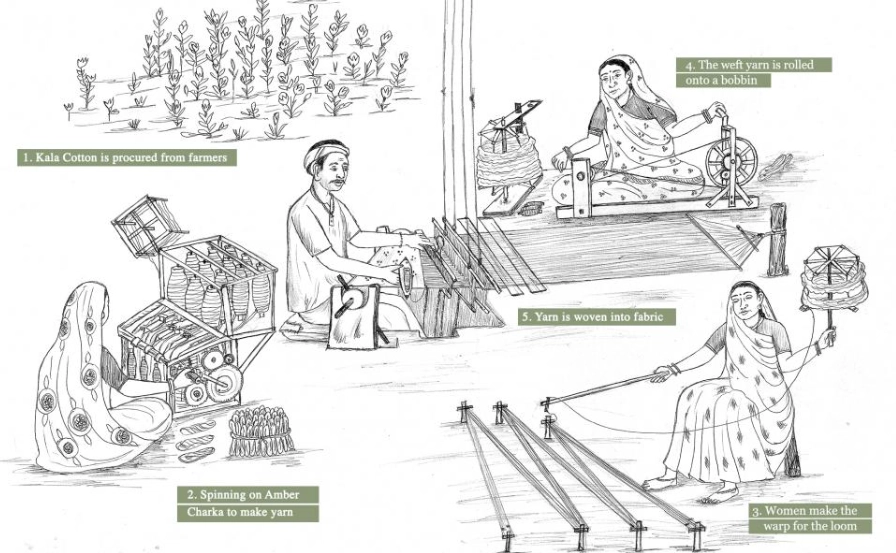
Carding is like thoroughly brushing tangled hair. The cotton lap is fed into a carding machine where wire-toothed rollers separate, align, and form the individual fibers into a loose, rope-like strand called a sliver. It removes most short fibers and any tiny remaining impurities. All cotton yarn goes through carding.
Combing is an extra, optional step for higher-quality yarns like those in premium dress shirts or fine bed linens. The sliver is pulled through fine pins that remove the shorter fibers (called noils) and perfectly align the long ones. The result is a combed cotton sliver that is smoother, stronger, more lustrous, and less prone to pilling. You pay more for it, but the feel is noticeably different.
Drawing, Roving, and Spinning: From Sliver to Thread
The sliver is still thick and uneven. Drawing (or drafting) machines pull multiple slivers together, blending them and thinning them out into a more consistent strand.
Next, a roving frame slightly twists the drawn sliver and winds it onto a bobbin, giving it just enough strength to handle the final spinning. This product is called roving.
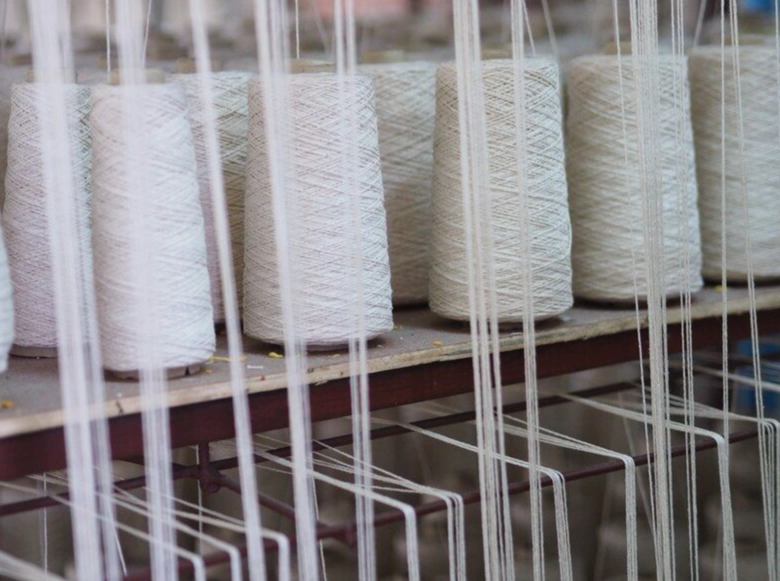
Finally, we get to spinning itself. This is where the roving is dramatically attenuated (thinned) and twisted to create the final yarn. The twist is critical—it's what gives yarn its strength. Two main modern methods dominate:
| Method | How It Works | Resulting Yarn Character | Common Uses |
|---|---|---|---|
| Ring Spinning | Roving is fed, drawn, twisted by a rotating traveler on a ring, and wound onto a bobbin. A slower, traditional method. | Yarn is stronger, smoother, with more organized fibers. Produces a firmer, denser feel. | High-quality shirting, denim, towels, bed linens. |
| Open-End (Rotor) Spinning | Fibers are fed into a high-speed rotor where centrifugal force twists them into yarn. Much faster and cheaper. | Yarn is bulkier, softer, hairier, and slightly weaker. Can have a more "cottony" loft. | Knitwear (t-shirts, sweatshirts), casual fabrics, lower-cost items. |
Most people can't tell by looking, but the hand feel and performance differ. That "heavier" feel of a good ring-spun t-shirt isn't just in your head.
How Yarn Becomes Fabric: Weaving and Knitting
Now we have yarn. Time to make cloth. The two primary methods are weaving and knitting, and they create fundamentally different structures.
Weaving interlaces two sets of yarns at right angles. The lengthwise yarns are the warp (they need to be strong and held under tension on the loom). The crosswise yarns are the weft or filling (shuttled back and forth through the warp). The pattern of interlacing is called the weave. The three basic ones are everywhere:
- Plain Weave: Over one, under one. Simple, strong, and cheap. Think of broadcloth, muslin, and chambray.
- Twill Weave: Creates a diagonal rib pattern (like denim or chino). It's more durable, drapes better, and hides dirt well.
- Satin Weave: Warp yarns "float" over many weft yarns before going under one. Creates a smooth, lustrous surface (sateen sheets) but the floats can snag easily.
Knitting forms fabric by interlooping yarn with needles. It's faster than weaving and creates a naturally stretchy, flexible fabric. Your t-shirts, socks, and sweatshirts are knit. The main types are weft knit (one continuous yarn runs crosswise, like hand-knitting) and warp knit (multiple yarns run lengthwise, creating runs less likely, like in athletic mesh).
The fabric coming off the loom or knitting machine is called greige goods (pronounced "gray"). It's stiff, dirty, maybe yellowish, and absolutely not ready to be made into anything. It often feels like cardboard.
The Finishing Touch: Making Fabric Usable and Desirable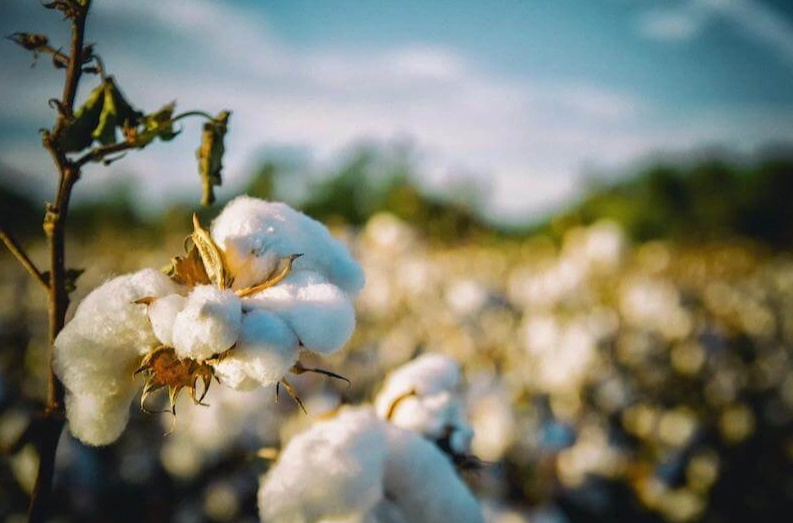
Finishing is the unsung hero of the cotton fabric journey. This series of chemical and mechanical treatments transforms greige goods into the material you recognize. Skipping or cheaping out on finishing is why some cheap cotton items feel awful.
First, scouring and bleaching. The fabric is washed in hot alkaline solutions to remove natural waxes, oils, and impurities. Then it's bleached to a consistent white (if destined for dyeing or white products). This step is crucial for absorbency and even dyeing.
Next, maybe mercerization. This is a game-changer for quality. The yarn or fabric is treated under tension with a cold sodium hydroxide solution. The fibers swell, become rounder, and develop a permanent silk-like luster. Strength and dye affinity skyrocket. Mercerized cotton is what gives high-end polos and button-downs their rich, deep colors and smooth sheen.
Then, dyeing or printing adds color and patterns.
Finally, mechanical and chemical finishes apply specific properties:
- Pre-shrinking (Sanforization): Compresses the fabric mechanically and with moisture/heat to remove most residual shrinkage. Your jeans that don't shrink much? Thank this.
- Softening: Chemical softeners give that "out-of-the-package" soft feel.
- Wrinkle-Resistance (Durable Press): Resin treatments cross-link fibers so they "remember" a flat state. The trade-off is often a stiffer hand and slightly reduced strength.
- Water-Repellency: Fluorochemical coatings make fabric bead water.
The fabric is then inspected, graded for defects, and rolled onto bolts for shipment to clothing manufacturers.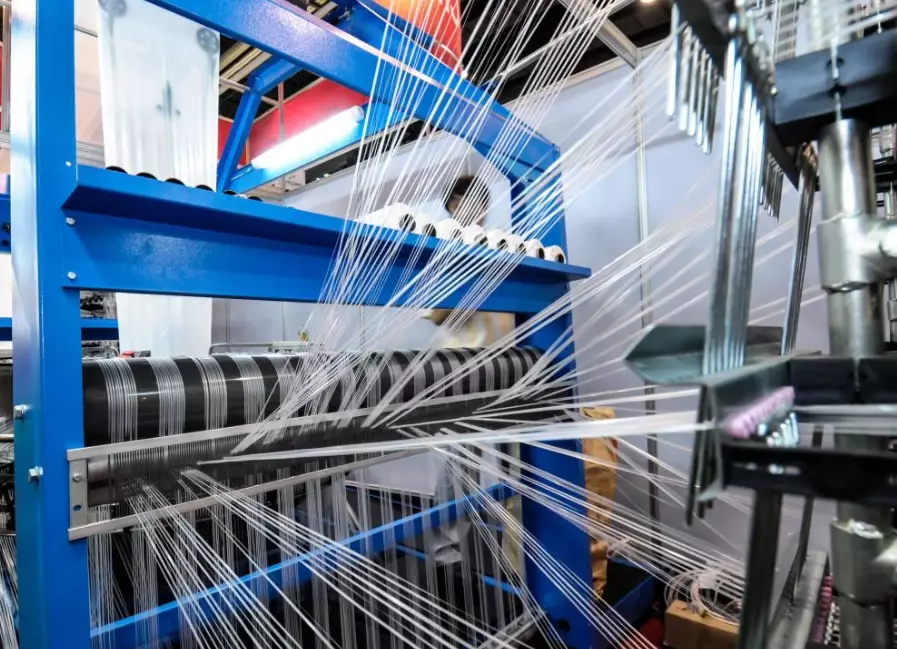
Beyond the Basics: What Determines Quality & Your Burning Questions
Not all cotton fabric is created equal. The starting point matters. Staple length is king. Longer staples (like Egyptian or Pima cotton) spin into finer, stronger, smoother yarns. The yarn count (like 40s, 80s, 200s) indicates fineness—higher numbers mean finer yarns, potentially softer fabric, but not necessarily more durable. Weave, finish, and thread density (threads per inch) are equally important. A densely woven, long-staple, ring-spun, mercerized cotton will outperform a cheap open-end spun short-staple fabric in every way except price.
I remember visiting a mill and feeling greige goods for the first time. It was a revelation—so harsh and dull. The finishing room where it emerged soft and bright felt like alchemy. It's easy to overlook, but that's where much of the cost and character of your fabric is decided.
 What's the real difference between woven and knit cotton fabrics?
 What does "sustainable cotton manufacturing" actually involve?