Let's be honest. You probably have that one shirt, a pair of curtains, or a set of old napkins that are perfectly fine... except for the color. Maybe it's faded, stained, or just doesn't spark joy anymore. Before you toss it, consider this: learning how to dye fabric at home is easier, cheaper, and more rewarding than you think. It's not just for hippies or professional artists anymore. With the right guide, you can breathe new life into old textiles, customize new ones, and even create unique gifts. I've been doing this for over a decade, and I still get a thrill from pulling a freshly dyed piece out of the pot. This tutorial will walk you through the entire process, step-by-step, while pointing out the little mistakes most beginners make that can ruin a project.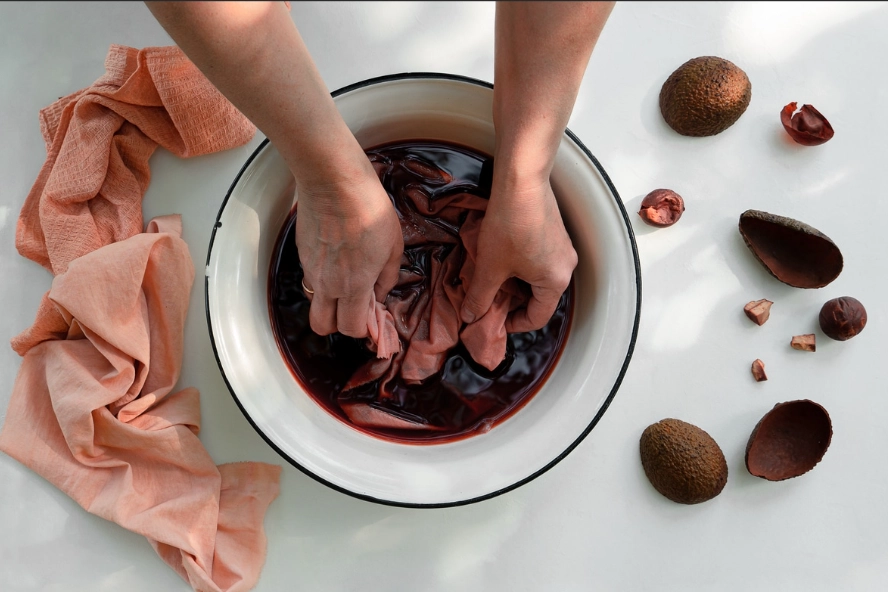
What You'll Learn
Why Dye Fabric at Home?
Beyond saving money, home dyeing is about control and creativity. You're not limited to store-bought colors. Want a lavender that's a touch more grey? A green that reminds you of a specific forest moss? You can mix it. It's also surprisingly sustainable. The Environmental Protection Agency (EPA) notes that textile waste is a significant issue. Redyeing extends the life of clothing and home goods, keeping them out of landfills longer. Plus, there's a deep satisfaction in wearing or using something you've personally transformed. It stops being just a shirt and becomes a project you're proud of.
Gathering Your Materials
You don't need a professional studio. Most items are already in your kitchen or can be bought cheaply.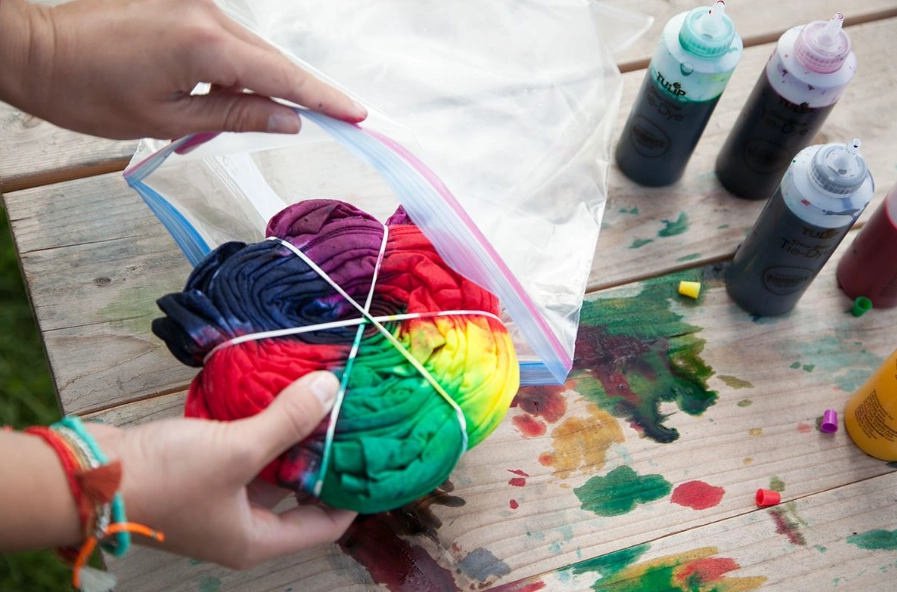
- The Fabric: Natural fibers like cotton, linen, silk, wool, and rayon work best. Synthetics like polyester are very difficult to dye with home kits.
- The Dye: More on this in the next section.
- A Large Pot or Bucket: Dedicate one to dyeing—don't use it for food afterwards. Stainless steel or enamel is ideal.
- Stirring Utensils: Long wooden spoons or sticks.
- Rubber Gloves: Essential unless you want rainbow hands for a week.
- Measuring Cups & Spoons: For accuracy.
- Salt or Vinegar: These are "fixatives" that help set the dye, depending on the dye type.
- Synthrapol or Mild Detergent: For washing the fabric before and after dyeing to remove oils and excess dye.
Safety First: Always work in a well-ventilated area. Wear old clothes and protect your surfaces with plastic sheets or newspaper. That dye splatter is permanent.
The Crucial Prep Work Everyone Skips
This is where most first-timers fail. You cannot dye dirty or finished fabric. New fabric often has starches or "sizing" applied by manufacturers. Old fabric has body oils, dirt, and detergent residue. All of these create a barrier between the fiber and the dye.
You must scour your fabric. Wash it in hot water with a bit of Synthrapol or a mild, dye-free detergent. No fabric softener. For brand-new, unbleached cotton or linen, you might need to simmer it in a pot of water with detergent for 30 minutes. Rinse thoroughly. The fabric should be completely wet before it goes into the dye bath. Damp fabric absorbs dye more evenly than bone-dry fabric.
I ruined a beautiful silk scarf once by assuming it was "clean enough." The dye came out blotchy and washed out quickly. Lesson learned the hard way.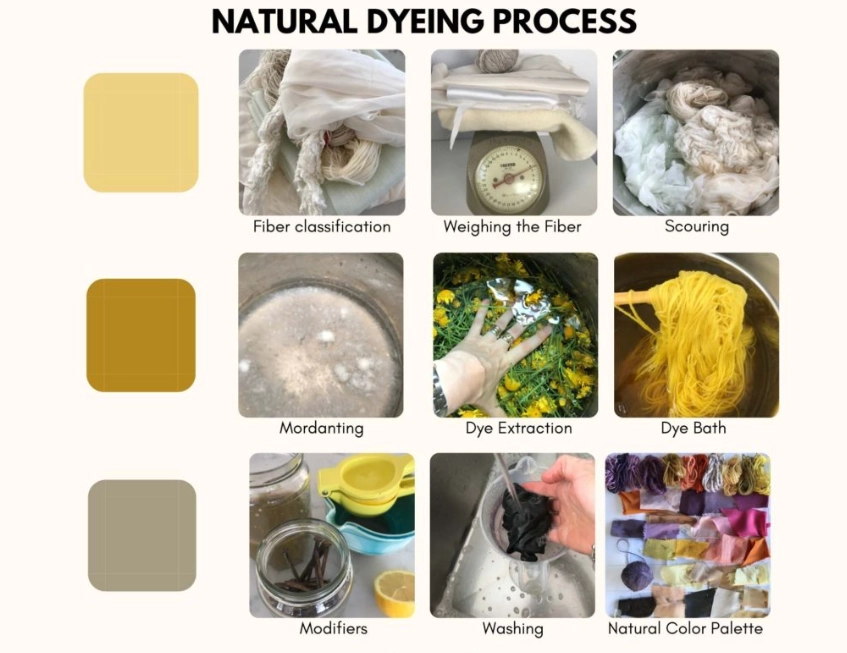
Choosing Your Dye: A Quick Comparison
Your results depend heavily on this choice. Don't just grab the first box you see.
| Dye Type | Best For | Key Requirement | Color Vibrancy | My Personal Take |
|---|---|---|---|---|
| Fiber Reactive Dye (e.g., Procion MX) | Cellulose fibers (Cotton, Linen, Rayon) | Needs a fixative (soda ash) & time to cure | Exceptionally bright, very permanent | The gold standard for cotton. Colors are unmatched, but the process has more steps. |
| Acid Dye | Protein fibers (Silk, Wool, Cashmere) | Requires an acidic environment (vinegar, citric acid) | Rich, deep, and brilliant | Makes silk and wool sing. Gentle on delicate fibers. |
| All-Purpose Dye (e.g., Rit, Dylon) | Mixed fibers, beginners | Hot water, often uses salt | Good, but can fade faster | Convenient and accessible. Great for a first try or for blends, but don't expect heirloom-level colorfastness. |
| Natural Dyes (e.g., avocado pits, onion skins) | All natural fibers, experimental projects | Requires a mordant (like alum) to bind | Soft, earthy, subtle tones |
For this tutorial, we'll focus on the most common and forgiving method: using an all-purpose dye like Rit on cotton. The principles apply broadly.
The Step-by-Step Dyeing Process
Follow these steps in order. Patience is not optional.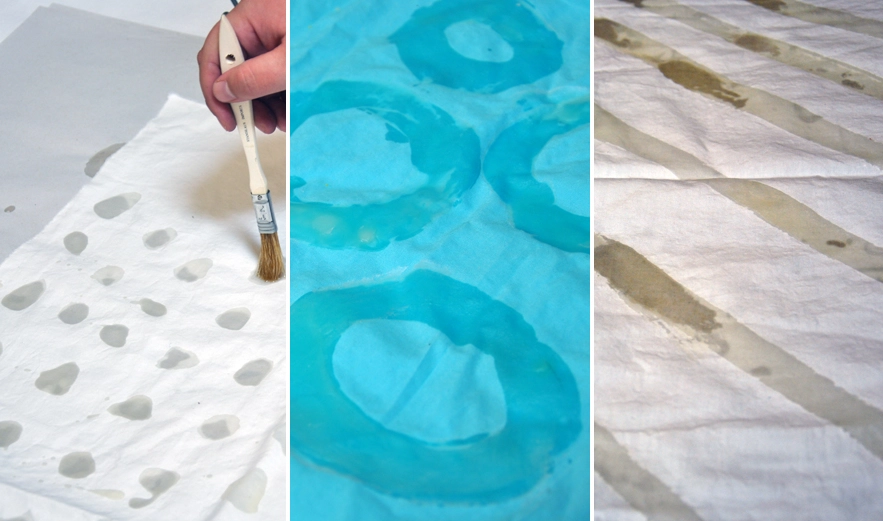
Step 1: Read the Dye Instructions
I know, it's boring. But every brand and type is slightly different. Note the water temperature, dye-to-water ratio, and required fixative (salt or vinegar).
Step 2: Prepare the Dye Bath
Fill your pot with enough hot water (usually 140°F/60°C or hotter) for the fabric to move freely. Add the dye powder or liquid and stir until completely dissolved. No granules or streaks. Now add the fixative—for Rit All-Purpose, this is usually 1 cup of salt. Stir again.
Pro Tip: To test your color, dip a small piece of paper towel or a fabric scrap in the bath. The wet color will be darker than the final result, but it gives you a clue.
Step 3: Add the Wet, Prepared Fabric
Lower your damp fabric into the bath slowly. Use your stirring tool to gently submerge it and keep it moving for the first 10-15 minutes. Constant agitation is the secret to even color.
Step 4: Simmer and Soak
Maintain the heat for the time specified on the package—usually 30 minutes to an hour. For deeper colors, you can even turn off the heat and let it soak overnight in the cooling bath. The longer the soak, the deeper the shade.
Step 5: The First Rinse (This is Critical)
Wearing gloves, remove the fabric and rinse it under cool running water until the water runs mostly clear. Gradually make the water warmer. Do not wring it out harshly. This step removes excess, unfixed dye that would otherwise stain your hands or other laundry.
Step 6: Wash and Dry
Wash the dyed fabric separately in warm water with a mild detergent. Tumble dry on low or air dry. Congratulations, you've just dyed fabric at home.
Pro Tips & Advanced Techniques
Once you've mastered the basics, try these.
For Even Color: Use more water than you think you need. Crowding the pot leads to splotches.
To Prevent Fading: Wash dyed items in cold water, inside out, and avoid strong detergents or chlorine bleach. This is the user pain point—color fading—addressed directly.
Experiment with Techniques: Try tie-dye (bind fabric with rubber bands before dyeing), ombre (dip fabric gradually), or low-water immersion (using very little dye bath for a textured, uneven look).
Sustainable Dyeing: Look into natural dyes from kitchen scraps. Avocado pits give a dusty pink, onion skins create warm golds and oranges. You'll need a mordant like alum, which you can find at dye suppliers or online. The website of the Textile Society often has resources on traditional methods.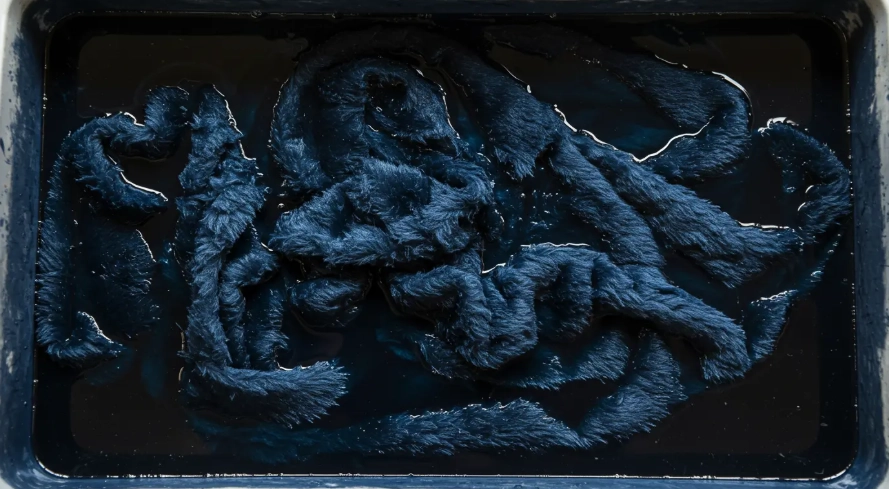
Your Dyeing Questions, Answered
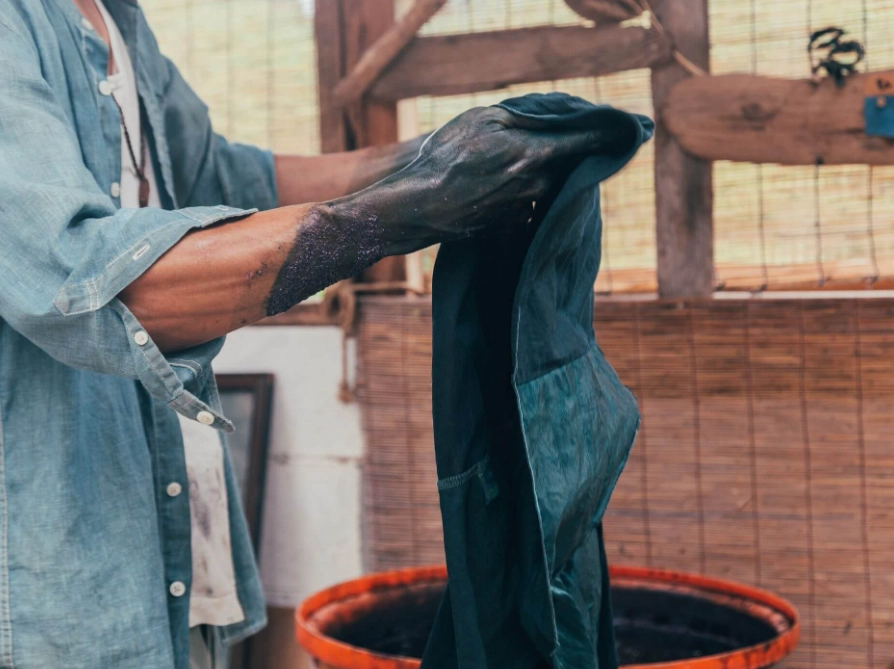 My dye came out splotchy. What did I do wrong?
So, grab an old pillowcase or t-shirt and give it a shot. Start simple. The worst that can happen is you learn something for next time. The best that can happen? You unlock a whole new way to personalize your world, one piece of fabric at a time.