You've probably seen the claims. Bamboo sheets, bamboo socks, bamboo t-shirts—all touting "natural antibacterial" properties. It sounds great, especially if you're dealing with workout sweat, sensitive skin, or just want fresher-smelling clothes. But is bamboo fabric truly antibacterial, or is it just clever marketing? The short answer is: yes, the raw bamboo plant has inherent antimicrobial properties, but whether your finished bamboo t-shirt retains them is a much more complicated story. It depends entirely on how the bamboo is processed into fabric, and many brands gloss over this critical detail. Let's dig into what the science actually says, where the benefits are real, and how to spot the difference between genuine performance and greenwashing.
What You'll Discover
The Natural Source: What Makes Bamboo Resistant to Microbes?
First, let's talk about the bamboo plant itself. It's not magic. Bamboo thrives in warm, humid climates—prime real estate for mold, fungi, and bacteria. To survive, it evolved its own defense system. The key player is a substance called "bamboo kun." This is a bio-agent found within the bamboo fibers that has demonstrated antimicrobial activity in laboratory studies.
Research, including work highlighted by the USDA Forest Service on natural product chemistry, supports that extracts from bamboo show inhibition against certain bacteria and fungi. Think of it as the plant's built-in immune system. This is the foundational truth that all the marketing claims spring from.
From Plant to Fabric: Where the Antibacterial Claim Often Falters
This is where most online articles stop. They say "bamboo is antibacterial" and leave it at that. But the type of bamboo fabric is everything. There are two main ways bamboo becomes cloth, and they are worlds apart in terms of retaining natural properties.
1. Bamboo Viscose/Rayon (The Most Common)
Over 99% of "bamboo fabric" on the market is actually bamboo viscose or rayon. The process is chemical-intensive. Bamboo pulp is dissolved in solvents like sodium hydroxide and carbon disulfide to create a syrupy solution, which is then forced through spinnerets to form fibers. I've spoken with textile chemists who confirm that this process typically destroys the natural structure of bamboo kun. The resulting fiber is primarily regenerated cellulose—it came from bamboo, but its innate properties are largely gone.
Any antibacterial effect in standard bamboo rayon is usually minimal and not reliably durable through repeated washes. The softness and moisture-wicking you feel are real, but the strong antibacterial claim? That's often a borrowed attribute from the source plant, not a guaranteed feature of the final fabric.
2. Mechanically Processed Bamboo Linen (The Rare Gem)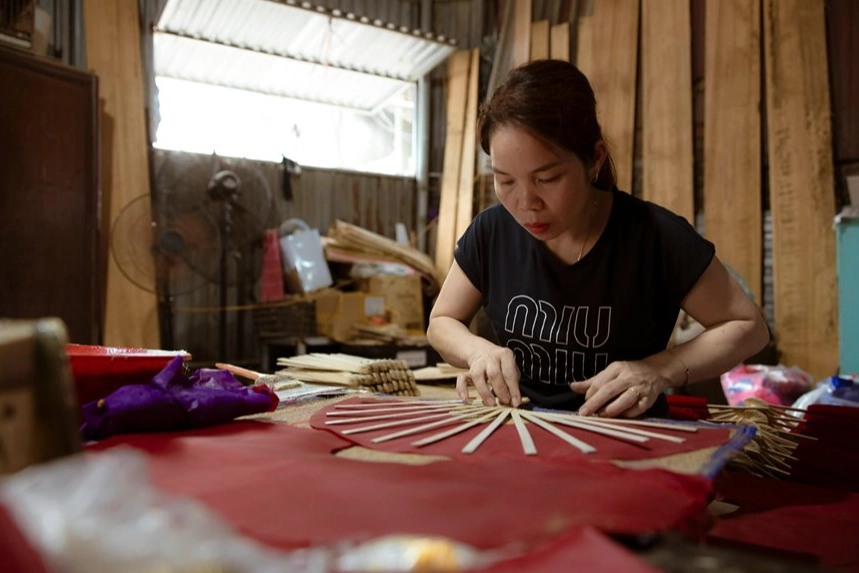
This is the method that actually preserves the natural antibacterial qualities. It's similar to how flax is turned into linen. The bamboo stalks are crushed and broken down using natural enzymes, then the fibers are combed out and spun. It's more expensive, labor-intensive, and results in a slightly coarser, more linen-like fabric.
If you want bamboo's true antibacterial benefits, you need to look for this. Brands will usually call it "bamboo linen" or "mechanically processed bamboo." It's harder to find, but it's the only version where the science of the plant translates directly to the science of your sheet or shirt.
Bamboo vs. Cotton: A Real-World Comparison for Odor & Hygiene
Let's get practical. Forget lab petri dishes for a second. What does this mean for your gym bag or your bed? The primary benefit of antibacterial properties in everyday life is odor control. Body odor is caused by bacteria on your skin breaking down sweat.
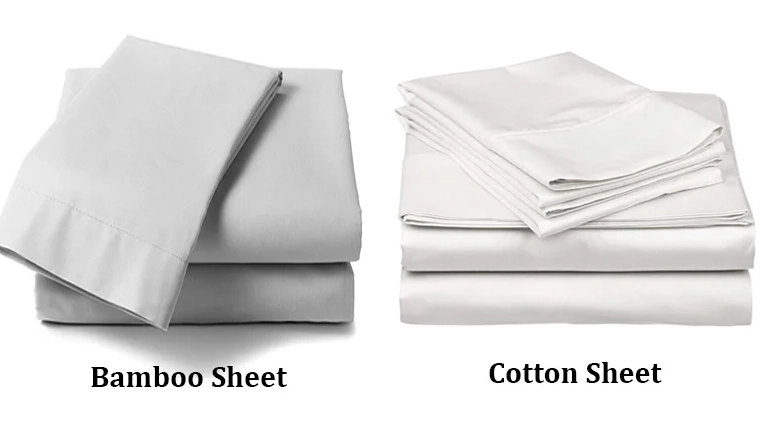
Even standard bamboo viscose often outperforms cotton here, but for a different reason than pure "antibacterial" action.
| Feature | Typical Bamboo Viscose | Cotton | Mechanical Bamboo Linen |
|---|---|---|---|
| Moisture Wicking | Excellent. Fibers are more hydrophilic, pulling moisture away faster. | Good, but absorbs and holds moisture longer (can feel damp). | Excellent. |
| Drying Speed | Dries faster than cotton. | Dries slower, allowing bacteria more time in a damp environment. | Dries very quickly. |
| Odor Retention | Generally less than cotton due to faster drying and smoother fibers that trap less bacteria. | Tends to hold odors more stubbornly, especially synthetic blends. | Least odor retention due to drying speed + natural antimicrobials. |
| Breathability | Very breathable. | Breathable, but can become clammy. | Extremely breathable. |
| Key Driver of Freshness | Superior moisture management and fiber structure. | Natural but less effective moisture management. | Moisture management + retained natural bamboo kun. |
So, even if your bamboo socks aren't "antibacterial" in the strictest scientific sense, their physical structure makes them a far less hospitable environment for odor-causing bacteria compared to a cotton sock that stays damp. That's a tangible benefit you'll notice.
How to Choose Truly Antibacterial Bamboo Products
Cutting through the marketing requires a detective's eye. Here’s my practical checklist, born from years of testing fabrics and feeling disappointed by vague labels.
Look for Specifics on Processing: A trustworthy brand will be transparent. Look for phrases like "mechanically processed," "bamboo linen," or "enzyme retting." If it just says "bamboo viscose" or "rayon from bamboo," assume any antibacterial benefit is secondary and likely not durable.
Check for Third-Party Certifications: This is gold. Look for test certifications from reputable labs like OEKO-TEX or specific antimicrobial tests (e.g., AATCC 100, JIS L 1902). A claim like "Tested to inhibit 99% of S. aureus and E. coli bacteria" is meaningful, especially if they state it's still effective after X number of washes. A brand that won't share test details is hiding something.
Beware of Blended Fabrics: A "bamboo blend" with 40% polyester might be cheaper, but the synthetic component can completely negate the moisture-wicking and breathability benefits. For optimal hygiene performance, aim for 100% bamboo or a high-percentage blend with another natural fiber like organic cotton.
Price is a Clue (But Not a Guarantee): Mechanically processed bamboo linen costs significantly more to produce. If the price seems too good to be true for "antibacterial bamboo sheets," it's probably standard viscose. Invest in key items where the benefit matters most, like sheets, pillowcases, socks, and activewear base layers.
Your Top Questions on Bamboo & Bacteria, Answered
Does bamboo fabric stay antibacterial after washing?
For mechanically processed bamboo linen, yes, the property is inherent to the fiber and should last the lifetime of the fabric. For bamboo viscose, any initial treatment or minor residual effect will diminish significantly after 10-20 washes. Always follow care labels—using harsh detergents or fabric softeners (which coat fibers) can block moisture-wicking and antibacterial effects on any fabric.
Is bamboo fabric antibacterial enough for people with eczema or sensitive skin?
It can be an excellent choice, but not primarily because of antibacterial claims. Its real value lies in being ultra-soft (reducing friction), highly breathable, and superb at moving moisture away from the skin. Keeping skin dry and cool is a major factor in managing eczema flare-ups. The potential for reduced microbial growth is a bonus. Look for Oeko-Tex certified fabrics to ensure no harmful chemical residues.
 I've seen "bamboo charcoal" fabric. Is that different?
Completely different, and often more reliably antimicrobial. Bamboo charcoal is made by burning bamboo at high temperatures to create a porous carbon. This charcoal is then embedded into fibers (often polyester). The charcoal acts as a physical absorber of moisture, odors, and can inhibit bacterial growth on its surface. It's an added technology, not a natural property of the bamboo fiber itself.
Can bamboo fabric help with mattress dust mites or bed bugs?
This is a stretch. While a less humid, drier sleep environment (which bamboo bedding promotes) is less ideal for dust mites, the fabric itself is not an acaricide (mite-killer). It won't repel or kill bed bugs. Its benefit is in creating a cleaner, drier sleeping surface, which is a good preventative measure as part of an overall strategy, but don't buy it as a standalone solution for pest infestations.
 The bottom line? Bamboo fabric can offer genuine hygiene and freshness benefits, but the blanket statement "bamboo is antibacterial" is overly simplistic. Your focus shouldn't just be on the material, but on the manufacturing process behind it. For day-to-day odor control, even standard bamboo viscose is a smart upgrade over cotton due to its superior moisture management. But if you're seeking the documented, long-lasting antimicrobial properties of the bamboo plant itself, you need to seek out—and be willing to pay for—mechanically processed bamboo linen. It's the difference between buying a fabric that started as bamboo, and one that truly behaves like it.