Let's cut straight to the point. If you're holding a soft modal t-shirt or eyeing some modal bedsheets and worrying about PFAS, I can give you a quick initial answer: pure, standard modal fabric is highly unlikely to contain PFAS. The core reason is simple – PFAS chemicals are typically applied to fabrics for specific performance features like extreme water or stain resistance, which are not inherent properties of modal and are rarely added to it.
But, and this is a big 'but' that most articles gloss over, the world of textiles is messy. The final product in your hands isn't just the fiber; it's the result of spinning, weaving, dyeing, and finishing. That's where potential contamination or intentional addition can sneak in. I've spent years looking at fabric supply chains, and the assumption that 'natural-based' equals 'chemical-free' is where many well-meaning shoppers get tripped up.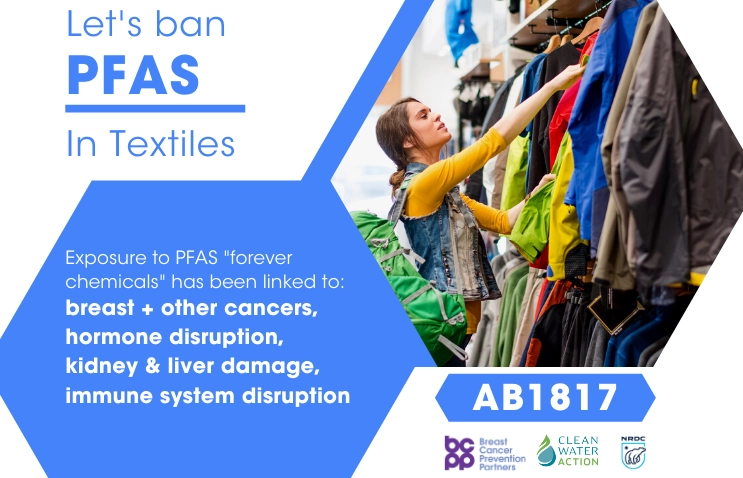
What You'll Learn in This Guide
What is Modal Fabric and How is it Made?
Modal isn't a synthetic plastic like polyester. It's a type of rayon, which puts it in the 'regenerated cellulose' family. The raw material is beechwood pulp from sustainably managed forests. This pulp is dissolved using a chemical process (often involving sodium hydroxide and carbon disulfide) to create a viscous solution, which is then forced through tiny spinnerets to form fibers.
The key here is the base material and the standard process. Beechwood pulp has no need for PFAS. The standard goal of modal production is to create a fiber that's softer than cotton, more absorbent, and has a beautiful drape. It's prized for underwear, t-shirts, bedding, and towels precisely for these comfort properties, not for repelling liquids.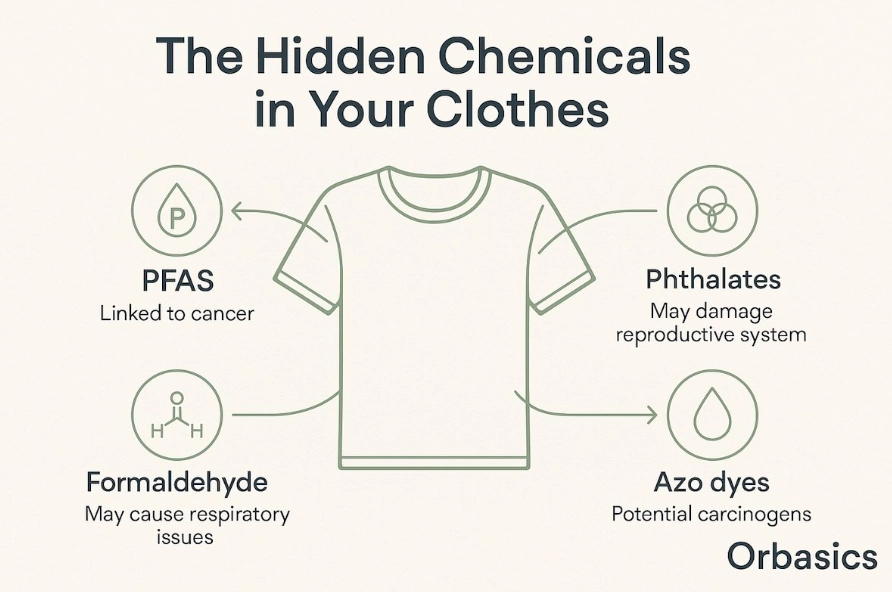
The PFAS and Modal Connection: Why It's Usually Safe
PFAS, or 'forever chemicals,' are a group of thousands of synthetic compounds. In textiles, they were the magic behind phrases like "StainGuard," "Stain Defender," or "waterproof breathable." They work by creating an invisible, persistent barrier that makes liquids bead up and roll off.
Now, think about what you use modal for. A modal t-shirt? You want it to absorb sweat to keep you cool. Modal bedsheets? You want breathability and moisture-wicking, not a plastic-like barrier. Modal towel? Its job is to soak up water.
Applying PFAS to standard modal would be counterproductive and economically silly. It would add significant cost (those chemicals aren't cheap) and destroy the very performance benefits modal is marketed for. From a manufacturer's perspective, it makes zero sense. This is the fundamental reason you can breathe easy about most modal items.
How Can PFAS Get into Modal Fabric? (The Exceptions)
Here's where my experience kicks in. You can't be 100% complacent. The textile industry is complex, and cross-contamination or niche products create gray areas.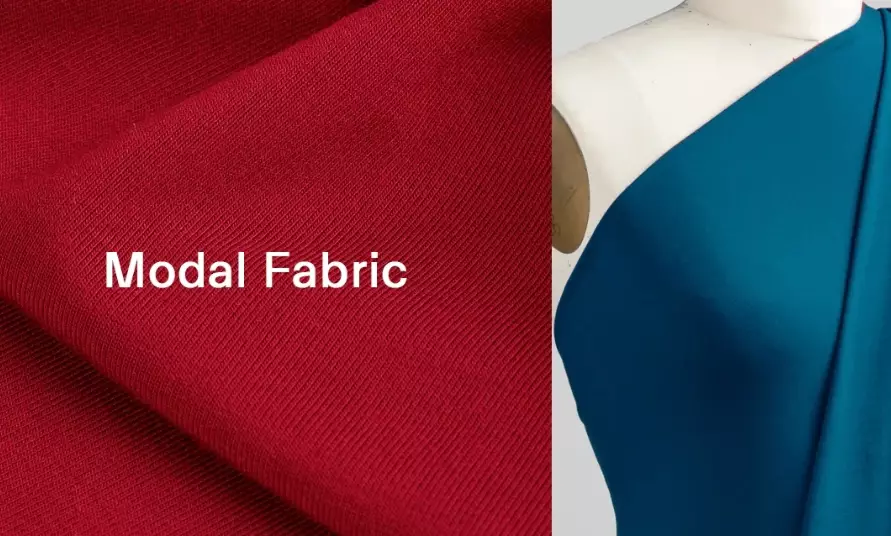
1. Blended Fabrics
This is the most common vector. Modal is often blended with other fibers to adjust its characteristics. A common blend is modal with cotton or a touch of spandex for stretch. The risk isn't from the modal, but from what it's mixed with.
Imagine a 60% modal, 40% polyester blend. If that polyester component was originally treated with PFAS for outdoor furniture or athletic wear (where moisture-wicking and stain resistance are sold as features), that PFAS treatment comes along for the ride into the blend. The final fabric tag won't say "Contains PFAS-treated polyester." It just says "60% modal, 40% polyester."
2. Functional Finishes (The Red Flag)
If you see modal advertised with properties alien to its nature, be suspicious. Keywords are your warning signs:
- "Waterproof modal"
- "Stain-resistant modal pajamas"
- "Spill-proof modal tablecloth"
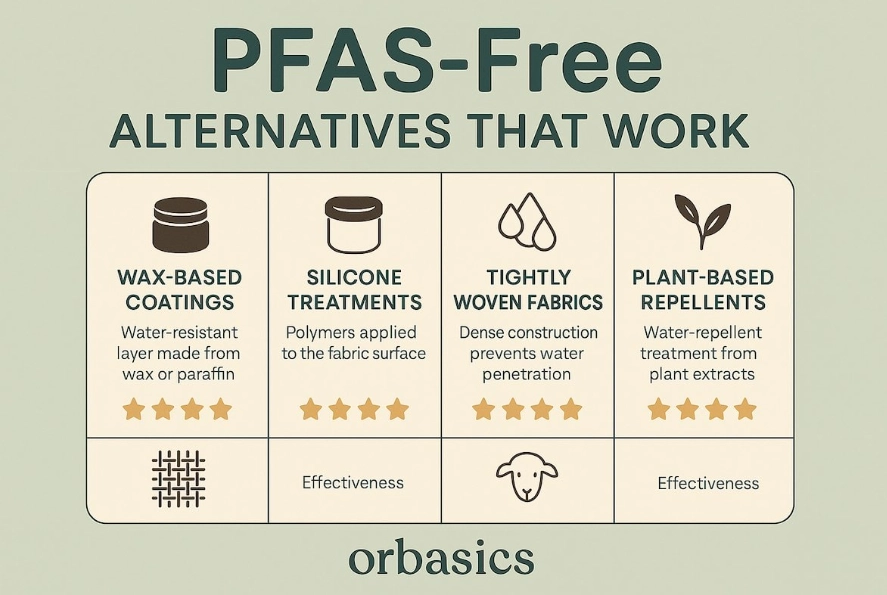
To achieve these properties, a finish must be applied. While newer, safer chemistry (like silicone-based or PFC-free finishes) is growing, the cheapest and most historically effective way to achieve heavy-duty repellency has been with PFAS. If a modal product makes a big deal about repelling liquids or stains, you must investigate further.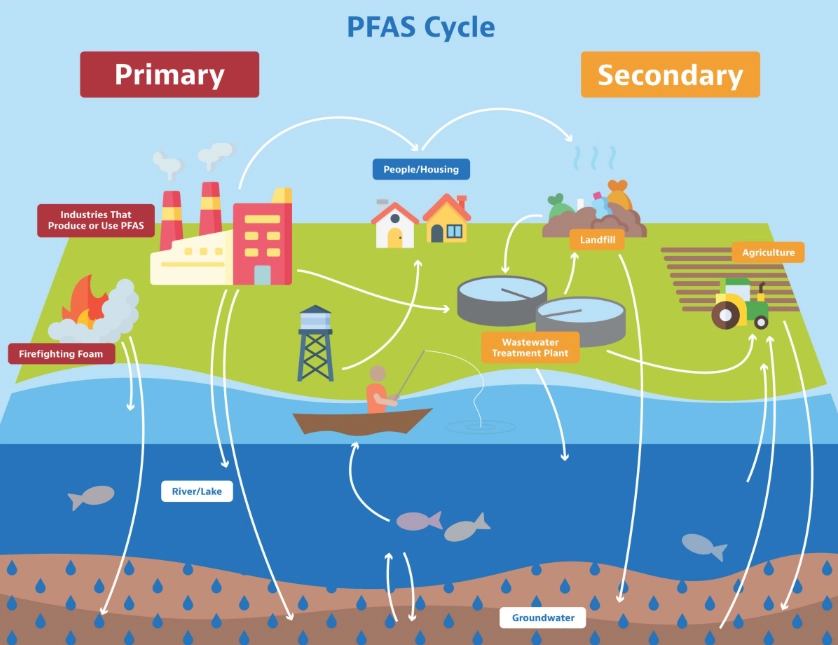
3. Environmental Contamination
This is a broader, scarier, but less direct issue. PFAS pollution in water and soil is widespread. If the beech trees are grown in contaminated areas or the manufacturing plant uses water from a contaminated source, trace amounts could theoretically be present. However, this would be at negligible levels compared to intentional application for performance. The bigger risk from environmental PFAS is in our food chain, not specifically in modal fabric.
How to Ensure Your Modal is Truly PFAS-Free
You don't need a lab in your basement. Smart shopping habits are your best tool. Don't just trust the word "modal." Dig deeper.
Your Action Plan for Safe Shopping
| What to Look For | Why It Helps | Example/Red Flag |
|---|---|---|
| Third-Party Certifications | These are your strongest allies. They verify the final product against strict chemical standards. | Green Flags: OEKO-TEX® STANDARD 100 (Class I for baby products is best), GOTS (Global Organic Textile Standard). Note: OEKO-TEX® explicitly restricts many PFAS substances. |
| Brand Transparency & Statements | Leading sustainable brands are now proactively banning PFAS and publishing Restricted Substances Lists (RSLs). | Check the brand's "sustainability" or "our materials" page. Look for phrases like "PFC/PFAS-free," "Our RSL bans all PFAS chemicals." Patagonia and Fjällräven have been leaders here. |
| Scrutinize Performance Claims | Question any claim that turns absorbent modal into a repellent fabric. | Avoid items labeled "waterproof," "stain-proof," or "oil-repellent" unless they specifically state the technology used (e.g., "PFC-free DWR"). |
| Prioritize Simplicity | The fewer the components and finishes, the lower the risk. | Choose 100% modal or blends with known safe fibers like organic cotton or lyocell (TENCEL™). Be more cautious with complex blends involving unknown synthetics. |
One resource I consistently recommend is the OEKO-TEX® website. You can search for their standards and understand what they test for. It's a credible, independent checkpoint.
Understanding the Regulatory Shift
This isn't just a niche concern. States like California, New York, and Colorado are passing laws (like California's AB 1817) that will ban the intentional use of PFAS in most textiles by 2025. The market is being forced to change. When you look for brands complying with these coming regulations, you're future-proofing your wardrobe against toxins.
Your PFAS and Fabric Questions, Answered
I have a modal shirt labeled "wrinkle-resistant." Does that mean it has PFAS?
Not necessarily, but it raises the probability. Wrinkle-resistant finishes often use cross-linking resins (like DMDHEU), which are a separate chemical concern (they can release formaldehyde). However, some finishes might combine anti-wrinkle with easy-clean properties. The lack of transparency is the issue. Your best move is to check for an OEKO-TEX® label, which limits both formaldehyde and PFAS. If it's uncertified and heavily marketed as "easy care," there's a chance less-scrupulous manufacturers might have used a multi-purpose chemical cocktail that includes PFAS.
Are brands like Patagonia or Lululemon, who use modal blends, safer choices?
Generally, yes, because they have public-facing chemical management policies. Patagonia has a detailed Footprint Chronicles and has been phasing out PFAS for years. Lululemon publishes a Restricted Substances List. These brands face more scrutiny and have dedicated teams to ensure compliance. They're not perfect, but their modal items are a lower-risk bet compared to a no-name brand with zero transparency. Always check the specific product's material description and care tags for any repellent claims, even from trusted brands.
 What about modal for babies? Is there a special certification to look for?
Absolutely. For baby clothes, bedding, or anything touching an infant's skin, do not compromise. You must look for OEKO-TEX® STANDARD 100, Class I. This is the strictest classification. It tests for a vast array of harmful substances, including PFAS, at levels safe for a baby's sensitive skin and tendency to chew on fabric. Don't just trust a "for baby" label. Trust the independent certification. GOTS certification for organic textiles also includes strict chemical criteria.
If I've bought modal items for years, have I been exposed to PFAS?
Probably not from the modal itself. Your exposure from clothing is primarily through skin contact or, more concerning, inhalation of dust from degrading finishes in your home. If your modal items were basic t-shirts, underwear, or simple bedsheets, your risk is extremely low. The higher-risk exposures come from older outdoor gear, stain-treated carpets, or non-stick cookware. Don't panic about your past modal purchases. Use this knowledge to make more informed choices moving forward.
Is "TENCEL™ Modal" different regarding PFAS than generic modal?
Yes, in a positive way. TENCEL™ is a branded lyocell and modal fiber from the company Lenzing. They have a strong environmental and safety platform. Lenzing fibers are inherently produced in a closed-loop system that recycles solvents, and the company explicitly adheres to strict substance guidelines. While no brand is immune from what a manufacturer does downstream, starting with a TENCEL™ Modal fiber from a reputable supplier significantly lowers the risk of PFAS being introduced at the fiber production stage. It's a better starting point.
 The bottom line is reassuring but requires vigilance. Modal fabric, in its pure, intended form, is one of the safer textile choices regarding PFAS. Its very purpose contradicts the need for these chemicals. The danger lies in the extras—the blends, the magical performance finishes, and the lack of transparency from some brands.
Your power as a consumer is in asking questions and looking for proof. Prioritize certified goods, support transparent brands, and be skeptical of marketing that seems to turn a comfort fiber into a superhero. That's how you build a truly non-toxic, comfortable wardrobe.