Let's get straight to the point you're searching for. Is modal fabric toxic? For most people, wearing or using items made from properly produced modal fabric is not toxic. The base material—reconstituted cellulose from beech trees—is inherently non-toxic. But here's the catch most articles miss: the potential for toxicity lies almost entirely in the chemical processing and finishing treatments, not the fiber itself. If shortcuts are taken, harmful residues can remain. Your real question shouldn't just be "is modal toxic?" but "how can I identify modal that's processed safely?"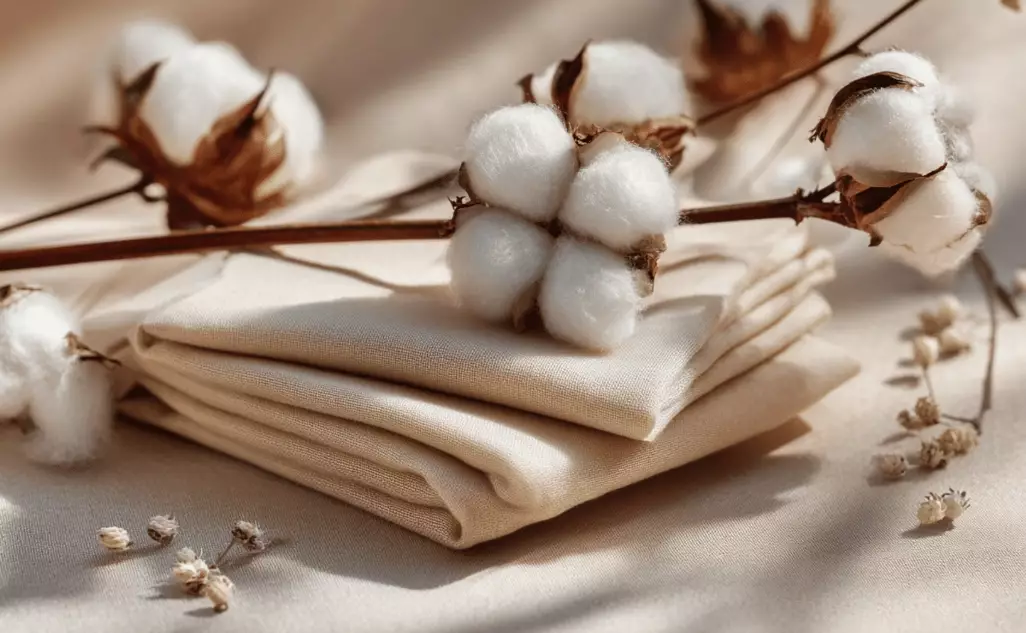
What You'll Find in This Guide
What is Modal Fabric Made From?
Modal is a type of rayon. Calling it "beechwood fabric" is a smart marketing spin, but it's technically a semi-synthetic. It starts with wood pulp from sustainably harvested beech trees. That pulp is then dissolved using chemicals to create a viscous solution, which is forced through a spinneret to form fibers. The feel is incredibly soft, silky, and breathable—often compared to high-end cotton but more drapey and less prone to shrinking.
I've handled a lot of fabric over the years. The first time I felt a high-quality modal tee, I was skeptical. It was almost too soft, like it had to be synthetic. But the breathability was real. The problem starts when we confuse "derived from nature" with "processed without chemicals." They are not the same thing.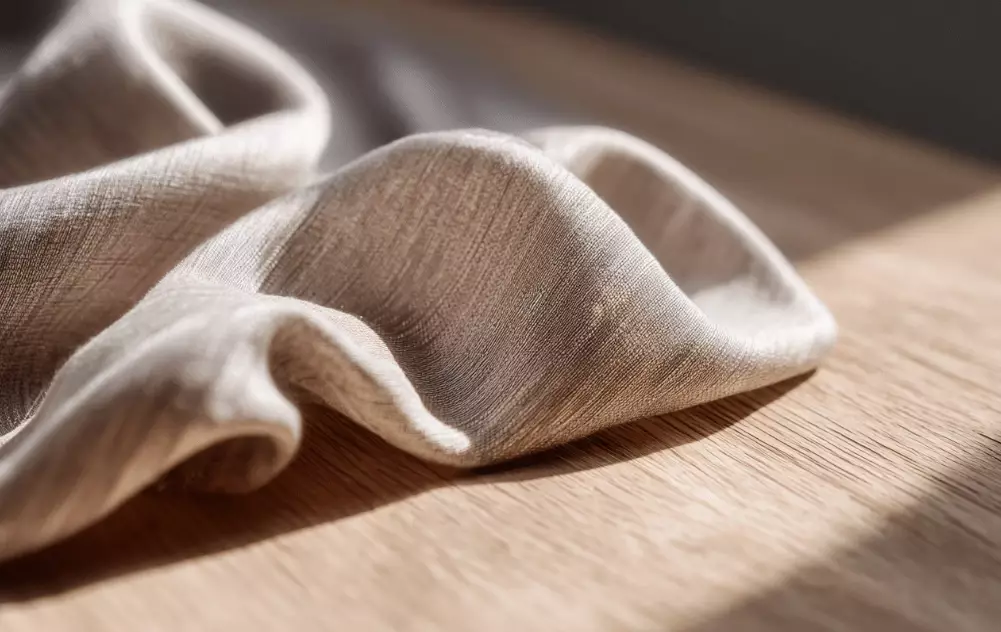
How Modal is Made: Where Things Can Go Wrong
This is the most important section. The safety of your modal sheets or underwear hinges on the steps here. The main process is called the viscose process, and it involves carbon disulfide. Yes, that sounds scary. It's a volatile chemical that, in high exposure, is a known neurotoxin.
The environmental and worker safety concerns around the traditional viscose process are legitimate and well-documented. However, for the end consumer, the critical issue is whether this chemical is fully recovered and removed from the final fiber you wear.
In a closed-loop, responsibly managed system like the one used by Lenzing (the company behind TENCEL™ Modal), over 99% of the solvent is captured and reused. The fibers are thoroughly washed. The risk of toxic residue on your clothing from such a process is extremely low.
But not all modal is created equal. Unbranded, cheap modal from uncertified factories might use open-loop systems with poor chemical recovery. The washing might be rushed. This is where residues could linger. The fiber itself isn't the villain; the manufacturing shortcuts are.
The Lyocell Alternative: A Cleaner Process
Often lumped with modal, TENCEL™ Lyocell uses a different, newer solvent called N-Methylmorpholine N-oxide (NMMO). This process is famously more eco-friendly, with a recovery rate of over 99.8%. It's often cited as non-toxic. From a chemical residue perspective, lyocell sets a very high bar. If you're hyper-concerned about processing chemicals, looking for lyocell is a great move.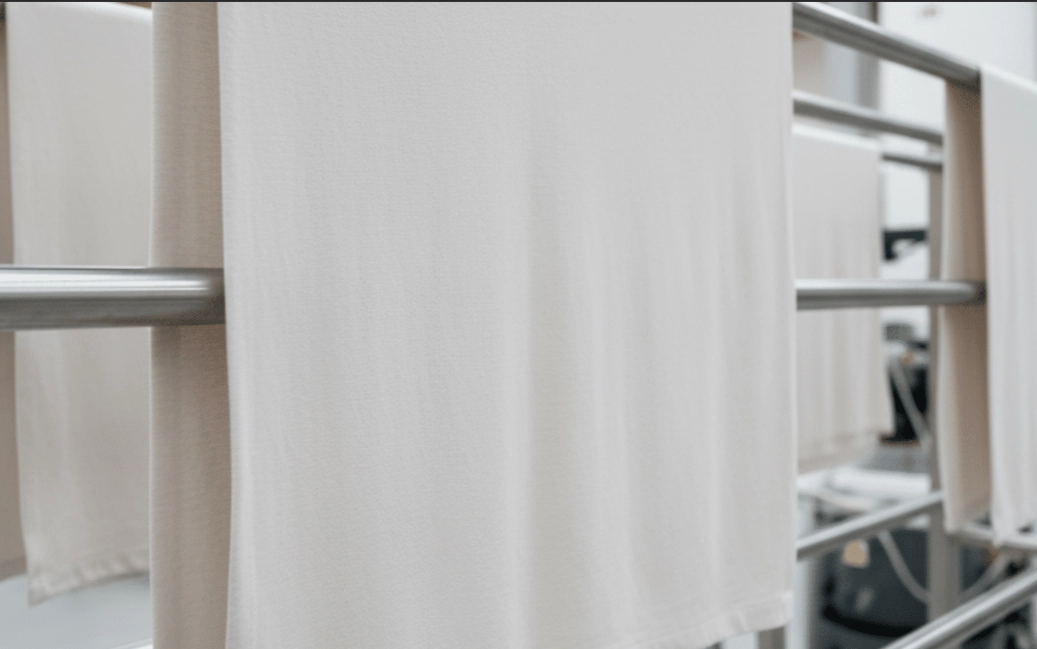
Is Modal Fabric Toxic to Humans? The Core Question
Let's break down the specific concerns:
| Potential Concern | Root Cause | Risk Level for Finished Fabric | How to Mitigate |
|---|---|---|---|
| Chemical Residues (e.g., carbon disulfide, sulfuric acid) | Incomplete washing/recovery during manufacturing. | Low for certified brands; Unknown/Medium for cheap, uncertified goods. | Buy from certified sources (OEKO-TEX®, GOTS). Wash new items before wearing. |
| Skin Irritation or Allergy | Residues, harsh dyes, or finishes (formaldehyde, softeners). | Low for undyed/organic; Medium for brightly dyed, cheap modal. | Choose GOTS-certified (limits dyes/finishes) or items labeled "hypoallergenic." |
| Off-Gassing (that "new clothes" smell) | Volatile organic compounds (VOCs) from finishes and dyes. | Present in most new textiles, not unique to modal. Usually dissipates. | Air out new clothes for 24-48 hours. Wash with mild detergent. |
| Environmental Toxicity | Pollution from irresponsible manufacturing. | High for the planet/workers, but an indirect human health risk. | Support brands transparent about their supply chain (e.g., Lenzing). |
My personal rule? I'm not worried about modal from reputable, certified companies. My concern is reserved for the no-name modal blend on a fast-fashion rack, sold for $5. That price tag almost guarantees corners were cut somewhere, and chemical management is the first place.
The Biggest Misconception: People think "toxic" means the fabric will poison them through their skin immediately. That's rarely the case. The more realistic concern for sensitive individuals is low-grade, chronic skin irritation from chemical residues, which can manifest as redness, itchiness, or eczema-like symptoms.
How to Choose Non-Toxic Modal Fabric Products
You don't need a chemistry degree. You need to know what labels to look for. Here’s your actionable checklist: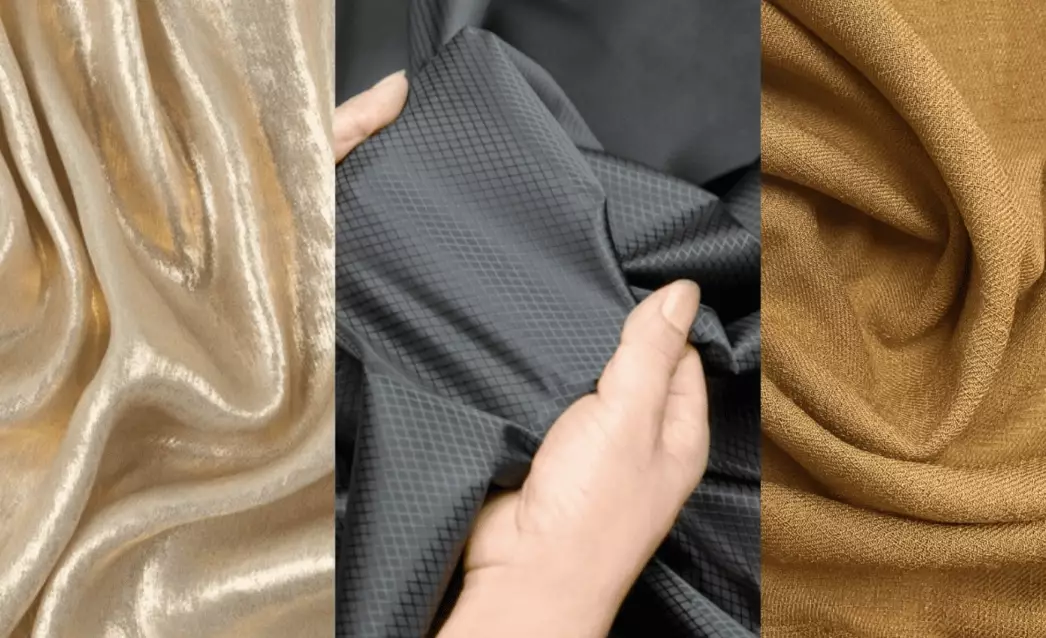
1. Prioritize Third-Party Certifications. This is non-negotiable for peace of mind.
- STANDARD 100 by OEKO-TEX®: This is your baseline safety screen. It tests the final product for a list of over 100 harmful substances (residues, heavy metals, pesticides). If it has this label, it's deemed safe for human skin contact. Look for the label or check the brand's website.
- Global Organic Textile Standard (GOTS): The gold standard. It covers organic fibers, but also strictly limits the dyes, auxiliaries, and chemical inputs allowed in processing. A GOTS-certified modal product is about as safe and clean as you can get.
2. Trust the Fiber Source. Branded fibers like TENCEL™ Modal (by Lenzing) come from a company that publishes extensive environmental and safety data. They pioneered the closed-loop process. I trust their modal far more than a generic one. Visit the TENCEL website to see their sustainability reports.
3. Wash Before First Use. Always. This isn't specific to modal; it's for all clothes. It removes superficial finishes, dust, and any minuscule residues from transport and storage. Use a mild, fragrance-free detergent if you have sensitive skin.
4. Opt for Lighter Dyes or Undyed. The deeper and brighter the color, the more intense the dyeing process. Pastels, naturals, and undyed (often called "ecru") options typically involve fewer chemicals. For bedding or underwear for sensitive skin, go light.
5. Be Wary of "Wrinkle-Free" or "Stain-Resistant" Claims. These properties are often achieved with chemical finishes like formaldehyde (yes, still used in textiles). These can be irritants. If you want non-toxic modal, you often have to accept that it might wrinkle a bit more.
Your Questions on Modal Fabric and Toxicity
 How does modal compare to cotton in terms of safety?
So, is modal fabric toxic? The answer isn't a simple yes or no. It's a "it depends." It depends on who made it and how. By choosing certified modal from responsible brands, you're selecting one of the safest, softest, and most sustainable fabrics available. You're voting for closed-loop systems and transparent manufacturing. Skip the mystery fabric from discount retailers. Your skin, and the planet, will thank you for the extra bit of diligence.