Let's cut to the chase. If you're here, you've probably felt the silky-smooth texture of a modal t-shirt or bedsheet and wondered, "This feels amazing, but is it actually good for my skin?" The short answer is a qualified yes, modal is generally excellent for skin. But like most things in life, the devil is in the details. As someone who's spent years testing fabrics for comfort and skin reactions, I've seen modal work wonders for some and cause minor issues for others. This isn't just about listing properties; it's about understanding how this specific fiber interacts with your skin under your daily conditions.
What's Inside This Fabric Deep Dive?
- What Exactly Is Modal Fabric?
- The Skin Benefits of Modal: Why It Feels So Good
- Modal vs. Cotton, Silk & Polyester: The Skin-Feel Showdown
- A Guide for Sensitive Skin, Eczema & Specific Conditions
- Common Misconceptions and What Most Articles Get Wrong
- How to Choose the Right Modal Product for Your Skin
- Your Modal & Skin Questions, Answered
What Exactly Is Modal Fabric? It's Not "Just Rayon"
Modal is a type of rayon. That's the standard line. But calling it "just rayon" is like calling a Ferrari "just a car" – it misses the crucial engineering. Modal is a second-generation rayon made from reconstituted cellulose from beech trees. The process, often called "gel spinning," creates longer, more consistent fiber chains than standard viscose rayon. This structural difference is the root of all its skin-friendly properties. It's a semi-synthetic, plant-based fiber. The sustainability angle (beech trees often require less water and pesticides than cotton) is a bonus, but our focus is skin.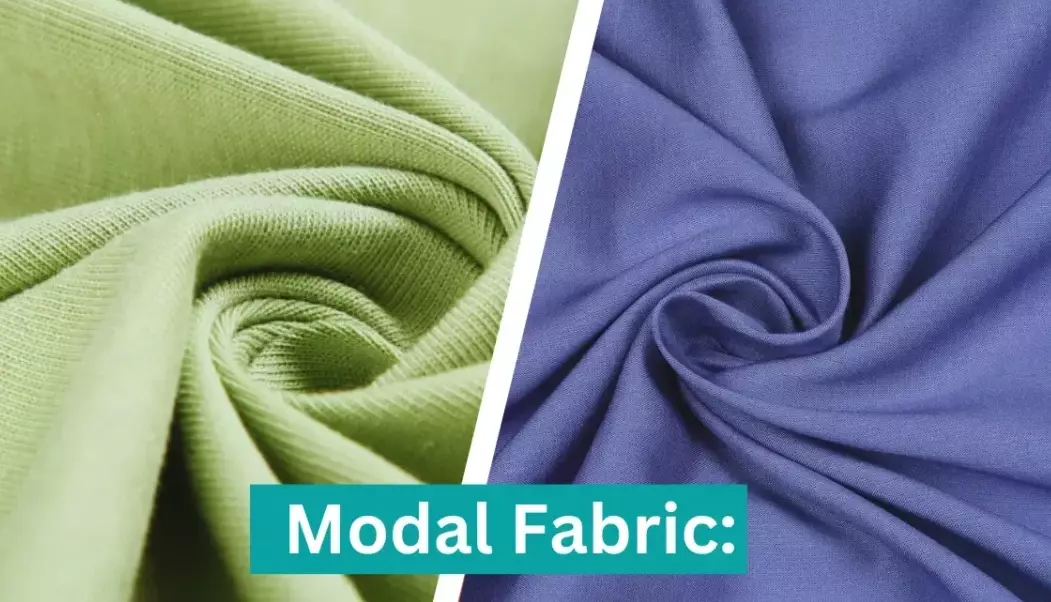
The Skin Benefits of Modal: Why It Feels So Good
The hype is real, but let's break down why.
Breathability That Actually Works
Modal is highly breathable. The fibers allow air to circulate, which helps regulate body temperature. This means less sweat pooled against your skin. For nightwear or sheets, this can be a game-changer if you tend to sleep hot. I switched to modal pillowcases a few years back, and the reduction in waking up with a clammy neck was noticeable. It's not as airy as linen, but it consistently outperforms standard cotton and obliterates polyester.
Moisture-Wicking: The Unsung Hero
This is modal's secret weapon. It can absorb up to 50% more moisture than cotton without feeling wet. The moisture is pulled into the fiber and then released into the air. For skin, this is critical. Damp fabric sitting on skin is a primary irritant – it can disrupt the skin's barrier, encourage chafing, and create a happy breeding ground for bacteria. Modal keeps the surface drier, which is a major win for comfort and skin health.
Silky Smoothness & Reduced Friction
The surface of modal fibers is incredibly smooth and round. This drastically reduces friction against the skin. If you have sensitive skin that reddens easily, or conditions like eczema where friction can trigger a flare-up, this gentle glide is a tangible benefit. It's why modal is often recommended for underwear and activewear seams that sit in high-friction areas.
Hypoallergenic and Color Retention
Being derived from natural cellulose, modal is inherently resistant to bacteria and mold growth. It also holds dye exceptionally well with less need for harsh chemical fixatives. A poorly dyed fabric that bleeds color can be a skin nightmare. High-quality modal tends to be colorfast, reducing one potential source of chemical contact.
Modal vs. Cotton, Silk & Polyester: The Skin-Feel Showdown
Let's get practical. How does it stack up against the usual suspects? This table cuts through the marketing.
| Fabric | Skin Feel & Comfort | Breathability | Moisture Management | Best For Skin When... | Potential Skin Drawback |
|---|---|---|---|---|---|
| Modal | Exceptionally soft, smooth, silky. Drapes well. | Very High | Excellent absorption & wicking. | Daily wear, sensitive skin, hot sleepers, light activity. | Low-quality blends or heavy chemical finishes can irritate. |
| Cotton (Pima/Egyptian) | Soft, natural, can be crisp. Gets softer with washes. | High | Absorbent but slow to dry. Holds moisture. | General everyday use, highly sensitive to synthetics. | Can feel damp and clingy when sweaty, promoting chafing. |
| Silk | Luxuriously smooth, cool to the touch. | Moderate | Moderate absorption. Can feel clammy. | Minimizing friction (e.g., for hair, delicate facial skin). | Expensive, delicate, requires special care. Some find it too slippery. |
| Polyester | Can feel synthetic, plasticky. Varies widely. | Low (unless engineered) | Poor. Repels moisture, traps sweat on skin. | Not ideal for sensitive skin. Okay for outer layers only. | Traps heat and sweat, leading to irritation, odor, and acne mechanica. |
| Tencel™ Lyocell | Similar to modal: very soft, smooth, cool. | Very High | Superior even to modal. Excellent wicking. | All the same as modal, especially for very sweaty or eczema-prone skin. | Similar to modal; check finishes. Often the top-tier choice. |
The verdict? For balanced softness, breathability, and moisture management, modal sits in a sweet spot between everyday cotton and premium silk/Tencel.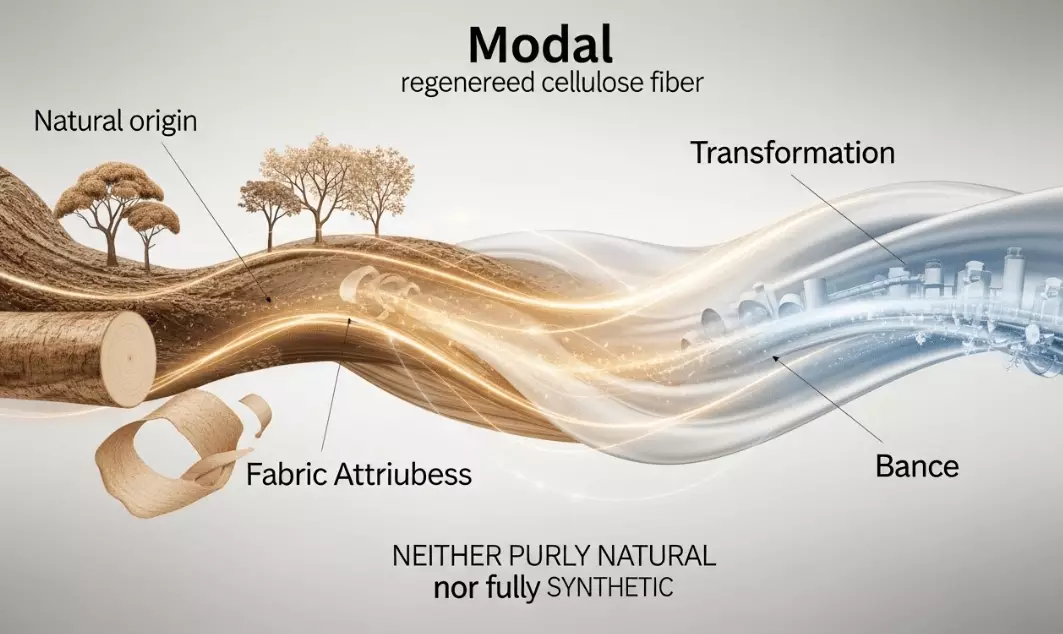
A Guide for Sensitive Skin, Eczema & Specific Conditions
Here's where generic advice fails. If your skin is reactive, you need specifics.
For Eczema-Prone Skin: Modal can be a fantastic choice if you choose wisely. Its smoothness reduces the "scratch" factor from fabric. Its breathability prevents overheating, a common eczema trigger. However, avoid modal blends with polyester or nylon. Seek out 100% modal or modal blended with cotton or Tencel. Always wash any new garment before wearing it to remove finishing chemicals. I've heard from readers with eczema who swear by modal pajamas, but one noted that a modal blend with spandex caused irritation at the seams.
For Acne-Prone Skin (Body Acne): Modal's moisture-wicking is key. It helps keep sweat from sitting on your skin, which can clog pores. For workout gear, a modal blend might work, but for intense sweating, a fabric specifically engineered for sport with antimicrobial treatment might be more reliable.
For Extremely Sensitive/Allergic Skin: Proceed with caution but optimism. The base fiber is benign. The risk lies in dyes and finishes (formaldehyde-based resins for wrinkle resistance, softeners). Look for items labeled OEKO-TEX Standard 100. This certification limits harmful substances. Start with one item, like a simple t-shirt, and see how your skin reacts over a few days.
Common Misconceptions and What Most Articles Get Wrong
Most content just parrots the positives. Let's clear the air.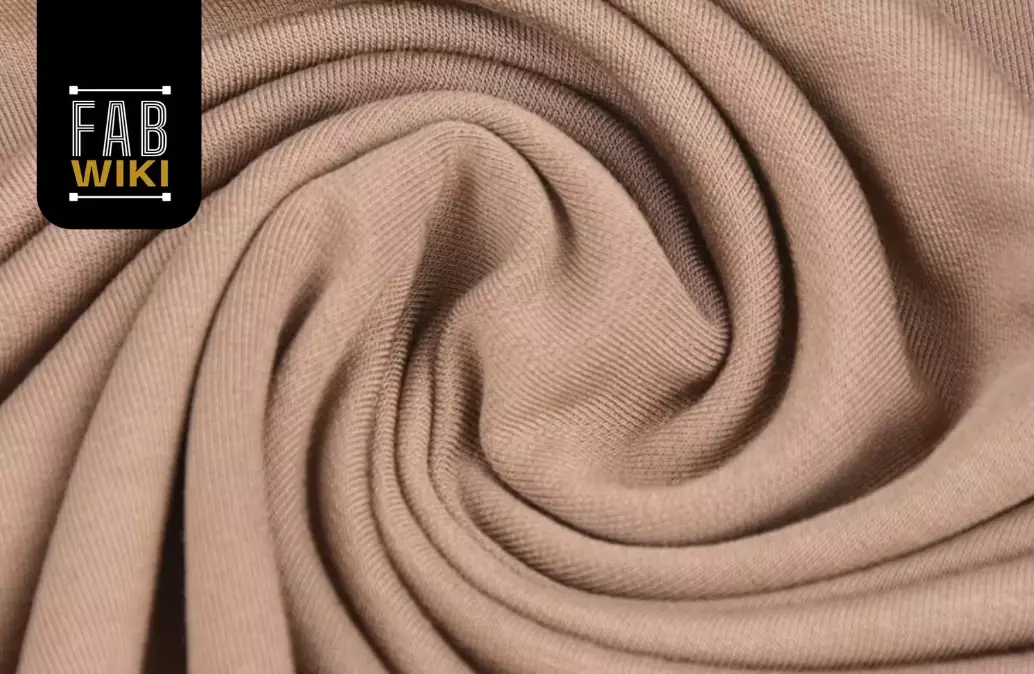
Misconception 1: All modal is created equal. False. The quality of the beech pulp, the spinning process, and the finishing chemicals vary wildly between a cheap fast-fashion brand and a reputable sustainable brand. A $5 modal shirt is likely using lower-grade fiber and harsher processing.
Misconception 2: It's always cool to the touch. It starts cool, but like any fabric, it warms to body temperature. Its benefit is breathability, not a permanent chill.
Misconception 3: It's immune to pilling. While more resistant than cotton, lower-quality modal or blends can still pill with abrasion, creating tiny bobbles that might feel rough against very delicate skin.
The Big One: "It's 100% natural." This is a marketing stretch. It's made from natural raw material but through a significant chemical process. It's better termed "regenerated cellulose." This doesn't make it bad for skin—the final fiber is pure cellulose—but don't buy it thinking it's straight from a tree.
How to Choose the Right Modal Product for Your Skin
Ready to try it? Don't just grab the first thing you see.
- Check the Blend: For maximal skin-friendliness, aim for 95-100% modal. Blends with cotton or Tencel are also safe. Be wary of blends with more than 5% synthetic fibers (polyester, nylon, elastane) if you have sensitive skin, as these can compromise breathability.
- Feel the Fabric: Does it feel silky and substantial, or thin and slightly sticky? Quality matters.
- Look for Certifications: OEKO-TEX Standard 100 is your best friend for ensuring low levels of harmful substances. GOTS (Global Organic Textile Standard) is even stricter but rarer for modal.
- Consider the Garment Type: Start with low-risk, high-reward items: underwear, pajamas, t-shirts, bedsheets. These have maximum skin contact.
- Wash Before Wear: This is non-negotiable. It removes residual processing chemicals.
Your Modal & Skin Questions, Answered
It's generally one of the safer bets among common fabrics. The smooth fiber minimizes mechanical irritation (the "scratch"), and its breathability helps prevent the overheating-sweating-itching cycle. However, the trigger is rarely the fiber itself. The culprit is usually the chemical finish, dye, or blend. My advice is to treat any new modal garment as a test sample. Wash it with your usual fragrance-free detergent, wear it for a few hours on a small area, and monitor. Many dermatology resources, like the National Eczema Association, list breathable, smooth fabrics like modal as suitable, but they always emphasize individual patch testing.
Almost certainly. Polyester rashes often stem from its inability to breathe and wick sweat, creating a hot, damp microenvironment that irritates skin and breeds bacteria. Modal operates on the opposite principle. It's breathable and pulls moisture away. The fiber chemistry is also completely different (plant cellulose vs. petroleum-based plastic). While any fabric can cause a reaction, the mechanism that makes polyester problematic is specifically addressed by modal's properties. You have a very high chance of tolerating it well.
 Can modal fabric cause acne on the back or chest?
It's more likely to help than cause. Body acne (acne mechanica) is exacerbated by sweat, heat, and friction trapped against the skin. Modal's moisture-wicking reduces sweat buildup, and its smoothness reduces friction. If you're wearing a tight-fitting modal top during heavy sweating, it's still a physical occlusive, so changing out of sweaty clothes quickly is rule number one. The fabric itself isn't comedogenic (pore-clogging). If you're breaking out in a specific area covered by modal, consider your laundry detergent or fabric softener first.
This is a trade-off. Pure modal isn't ideal for high-intensity workouts—it can get heavy when soaked and lacks the elasticity of synthetics. However, for yoga, Pilates, or low-impact training, a modal blend (with a small amount of spandex) can be superb for skin. It's breathable, soft, and reduces chafing. For intense sweating, a technical fabric like polyester treated with an antimicrobial silver or polygiene finish might keep you drier, even if it feels less natural. For skin health during moderate activity, modal is a strong contender.
Tencel Lyocell, specifically from the Lenzing group, often has a slight edge. The closed-loop manufacturing process (like the NMMO process) is exceptionally clean, leaving fewer chemical residues on the fiber. It also has a slightly smoother fibril structure, making it feel even softer and giving it marginally better moisture management. In practice, both are excellent. If you've reacted to modal in the past, trying Tencel is a logical next step. If you find a Tencel product with OEKO-TEX certification, that's arguably the gold standard for sensitive skin in regenerated cellulose fibers.