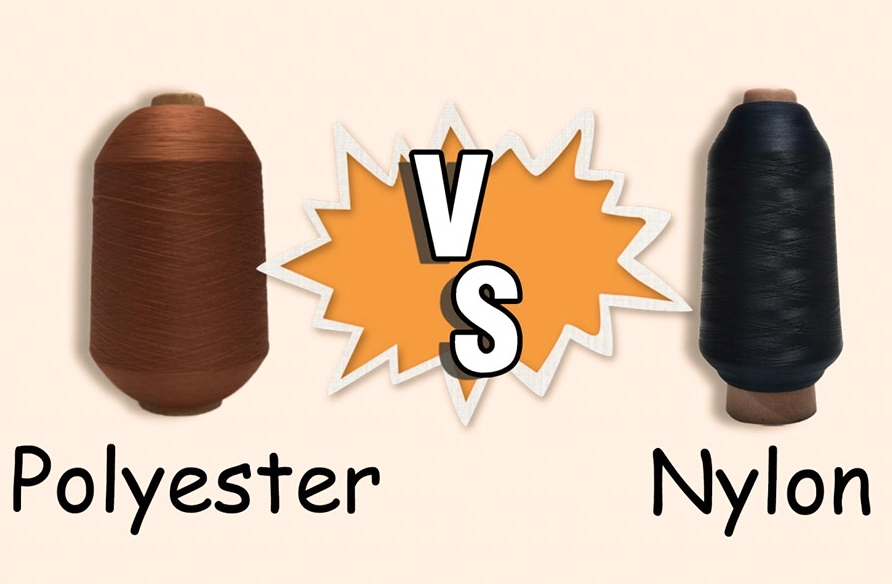
You're staring at two jackets online, or maybe you're comparing backpacks. One tag says 100% polyester, the other boasts high-denier nylon. Which one do you buy? Most articles just throw a bunch of technical specs at you. I've been working with fabrics for over a decade, designing gear and seeing what fails in the field. The truth is, the "best" fabric doesn't exist in a vacuum. It depends entirely on what you're going to do with it. Let's cut through the marketing fluff and talk about how polyester and nylon actually perform where it matters—on your body, in the rain, and after months of use.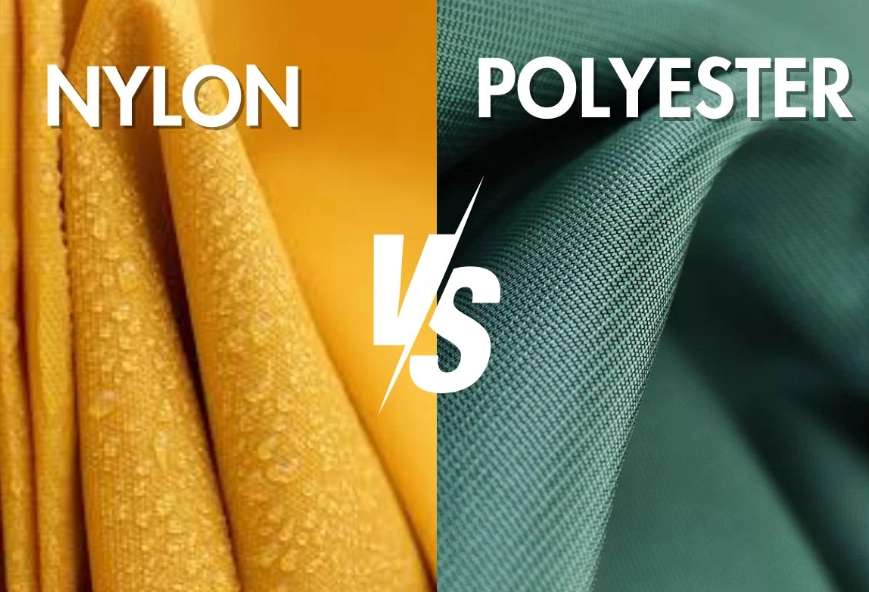
What You'll Discover in This Guide
- The Core Chemical Difference (And Why It Matters)
- The Durability Showdown: Tear Strength vs. Abrasion Resistance
- Water Resistance & Drying Speed: A Critical Breakdown
- Comfort, Weight, and Feel on Your Skin
- The Sustainability Angle: It's More Than Just Recycled
- Your Decision Guide: Which Fabric for Which Job?
- Expert Answers to Your Specific Fabric Questions
The Core Chemical Difference (And Why It Matters)
This isn't just chemistry class trivia. The molecular structure of each fabric dictates everything. Polyester is made from polyethylene terephthalate (PET). Think plastic bottles. Its molecules are stiff and hydrophobic—they hate water from the get-go. Nylon, or polyamide, has a different backbone. Its molecules are more flexible and have amide groups that can form weak bonds with water. This single difference explains why nylon feels slightly more absorbent and polyester feels more plasticky.
Here's a practical implication many miss: that initial hydrophobia of polyester means it takes less durable water repellent (DWR) coating to achieve good water beading initially. But when the DWR wears off, the underlying fabric's behavior takes over. This is where people get confused about "waterproofness."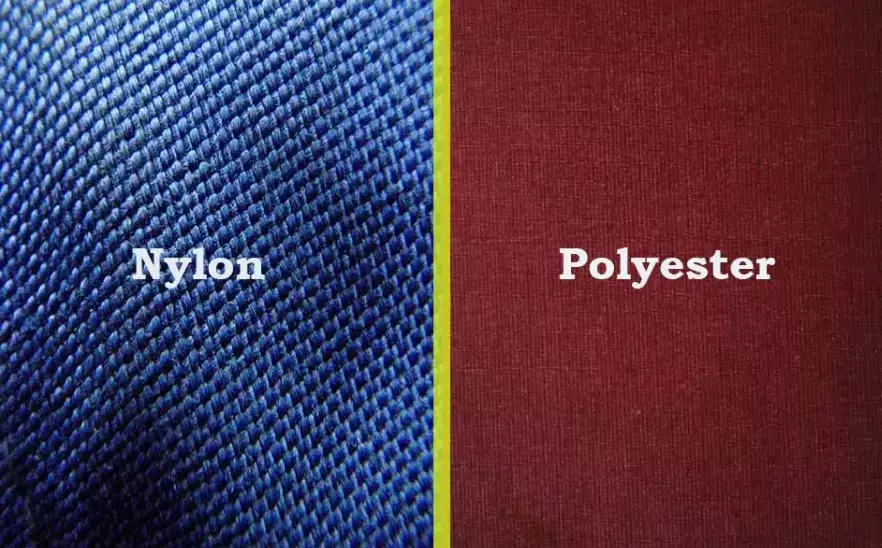
The Durability Showdown: Tear Strength vs. Abrasion Resistance
Ask anyone which is stronger, and they'll likely say nylon. It's more complex. Nylon has higher tensile strength and elastic recovery. If you stretch it, it wants to bounce back. This makes it phenomenal for things that experience sudden, sharp impacts—like a climbing rope (traditionally nylon) or the knees of hiking pants brushing against granite.
My Take: I've seen nylon backpack straps outlast polyester ones when the pack is overloaded and jerked around. The nylon gives a little, absorbing the shock. Stiff polyester straps can develop permanent creases that weaken over time.
Polyester, however, often wins in pure abrasion resistance. It's harder. Slide a polyester backpack along a concrete floor repeatedly, and it might show less scuffing than a comparable nylon one. It also has far superior UV resistance. Leave a nylon flag in the sun for a summer, and it becomes brittle and fades. A polyester flag holds up much longer. The American Chemical Council notes polyester's inherent resilience to sunlight degradation.
| Durability Factor | Polyester | Nylon | Real-World Winner For... |
|---|---|---|---|
| Tear & Pull Strength | Good | Excellent | Climbing gear, heavy-duty luggage, load-bearing straps |
| Abrasion Resistance | Excellent | Very Good | Backpack bottoms, workwear knees, furniture upholstery |
| UV Resistance | Superior | Poor to Fair | Outdoor cushions, awnings, car covers, flags |
| Elasticity / Stretch Recovery | Low (unless blended) | High | Activewear, swimwear, form-fitting apparel |
Water Resistance & Drying Speed: A Critical Breakdown
This is the biggest point of confusion. Neither raw polyester nor nylon is waterproof. They're woven fabrics. Waterproofness comes from a membrane (like Gore-Tex) and/or a DWR coating.
Nylon absorbs about 4% of its weight in moisture, while polyester absorbs less than 1%. When untreated, a nylon fabric will feel damp quicker. However, because it absorbs a tiny bit, it wicks moisture (like sweat) away from the skin slightly more effectively in some weaves. Once wet, nylon's higher absorbency means it holds more water and takes longer to dry.
Polyester's near-zero absorption is a double-edged sword. It dries incredibly fast—you can literally wring it out and put it back on. But that same property can make it feel clammy against sweaty skin, as it doesn't manage moisture vapor as well in basic forms. High-end performance polyesters use complex fiber engineering (like capillary channels) to overcome this.
For a rain jacket shell, the base fabric matters less than the membrane and DWR. But for a backpack or a pair of quick-dry hiking pants, polyester's rapid dry time is a massive advantage.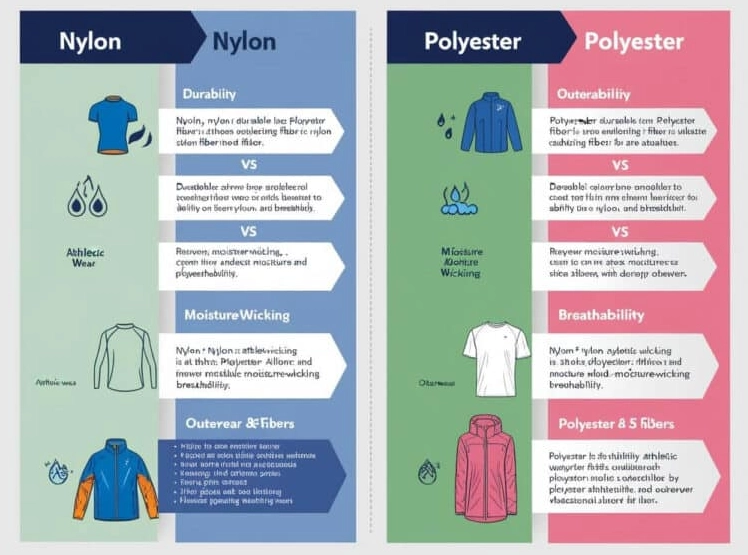
Comfort, Weight, and Feel on Your Skin
Walk into a store and feel a budget polyester shirt. Then feel a high-end nylon one. The polyester often feels slicker, slightly plastic-like. The nylon can feel softer, more cotton-like. This isn't a hard rule—finishes matter hugely—but it's a common experience.
Nylon fibers can be spun finer than polyester. This allows for incredibly light, silky fabrics. Think ultralight wind jackets or premium lingerie. Polyester can feel stuffier to some people because it's less breathable in its standard forms. However, for baselayers, many prefer polyester because it moves sweat to the fabric's surface to evaporate, keeping you drier from your own sweat than cotton or even some nylons.
Weight? For the same denier (thread thickness), nylon is about 10-15% lighter. But you usually need less polyester to achieve the same strength, so the final weight difference in a finished product can be negligible.
The Sustainability Angle: It's More Than Just Recycled
Both are plastics derived from petroleum. The environmental conversation is nuanced. Recycled polyester (rPET) from bottles is everywhere now. It's good for diverting waste, but it's still a non-biodegradable synthetic. Washing it releases microplastics. Nylon is more energy-intensive to produce initially.
Newer developments include bio-based nylons (from castor oil) and recycled nylon from fishing nets or fabric waste (like ECONYL). These are steps forward. The most sustainable choice is often the most durable one—the jacket that lasts 10 years, not 2. From that angle, nylon's superior longevity in high-stress applications can be an ecological advantage.
Bluesign and the Outdoor Industry Association provide resources on more sustainable textile sourcing, pushing both industries forward.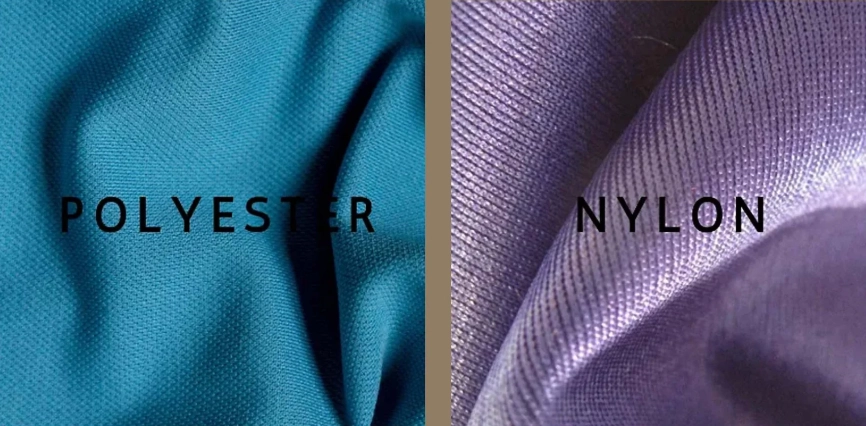
Your Decision Guide: Which Fabric for Which Job?
Stop looking for a universal winner. Start matching the fabric to the task.
Choose Polyester for:
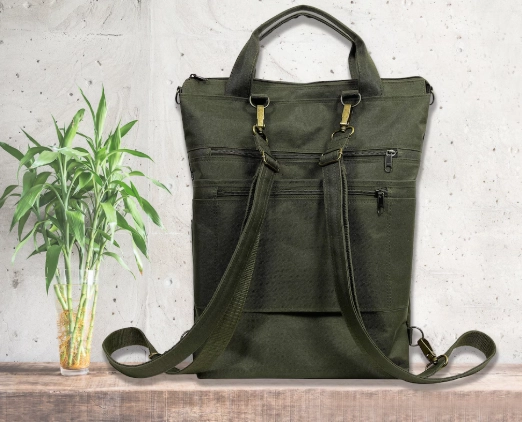
- Everyday Backpacks & Bags: Better UV resistance for the car, good abrasion for school floors, often more affordable.
- Quick-Dry Travel & Hiking Clothing: Those pants you can wash in a sink and that will be dry by morning. Unbeatable.
- Outdoor Furniture & Covers: Its UV resistance is the key factor here. It won't disintegrate in a season.
- Fleece and Insulation: Polyester fleece (like Polartec) is lightweight, warm when wet, and dries fast.
Choose Nylon for:
- Technical Backpacks & Luggage: For heavy loads, multi-day hikes, or rough handling, its strength and elasticity are superior.
- Rainwear & Hard Shells (as the outer fabric): Its strength handles lamination to waterproof membranes better, and it takes a smoother, more durable finish.
- Activewear & Swimwear: When blended with spandex, it offers fantastic stretch recovery and a soft, comfortable feel against the skin.
- High-Abrasion Workwear: While polyester resists scuffing, nylon's tear strength is critical for trades where fabric can get caught and ripped.