You saved up, you waited, and now you own a pair of those iconic Balenciaga Santiago boots. That soft, buttery lambskin, the chunky hardware—it's a statement piece. Then life happens. A splash of mud, a scuff on the toe, or just the general grime of city life. Suddenly, the panic sets in. How do you clean them without turning that $1,000+ investment into a cracked, discolored mess?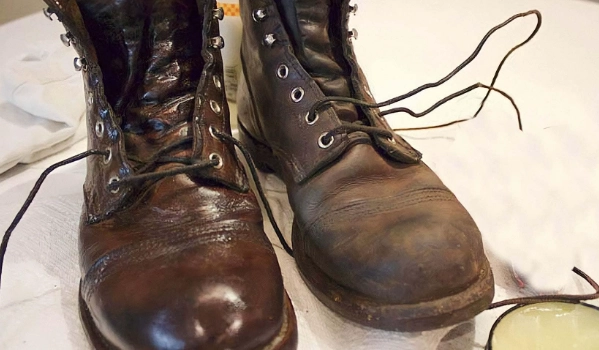
I've been there. I've seen friends make the classic mistake of reaching for a generic shoe cleaner or, worse, a household wipe, and watched the leather's finish turn dull and blotchy. The Santiago boot isn't just any leather boot; it's a specific beast. Cleaning it wrong is easy. Cleaning it right is simple, but only if you know the rules. This isn't about a quick wipe-down; it's about understanding the materials and using a gentle, methodical approach to preserve their luxury feel for years.
What Makes Santiago Boots Different? The Materials Matter
You can't clean something properly if you don't know what it's made of. The Santiago's look is defined by two key elements: the leather and the hardware.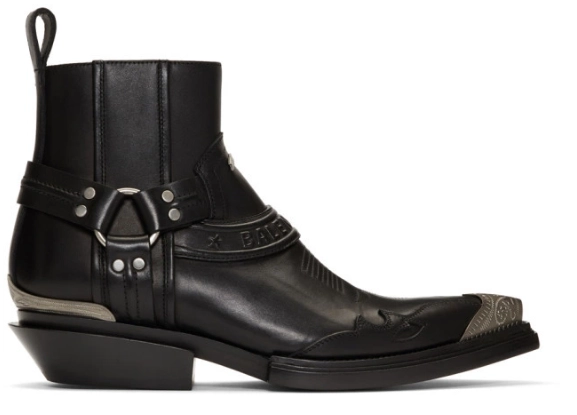
First, the leather. It's not stiff calfskin or a coated, weatherproof hide. It's a full-grain lambskin, known for its incredibly soft, supple, and almost velvety feel. This softness comes from a delicate grain structure and a relatively porous nature. Translation: it absorbs liquids and stains like a sponge. Harsh chemicals, alcohol (found in many wipes), and even excessive water can penetrate quickly, leading to permanent water spots, discoloration, and a loss of that signature softness.
Then there's the hardware. Those buckles, studs, and the iconic "Balenciaga" logo plaque are typically made from aged or brushed metal finishes, often with a gunmetal or dark nickel look. They're designed to have a "lived-in" appearance, but abrasive cleaners or rough scrubbing can strip this finish, leaving shiny, scratched patches that look cheap.
Gathering Your Arsenal: The Right Tools for the Job
Don't just grab whatever's under the sink. Using the wrong product is the most common cause of damage. Here's the shortlist of what you actually need. You'll notice it's not a long one—luxury care is often about simplicity.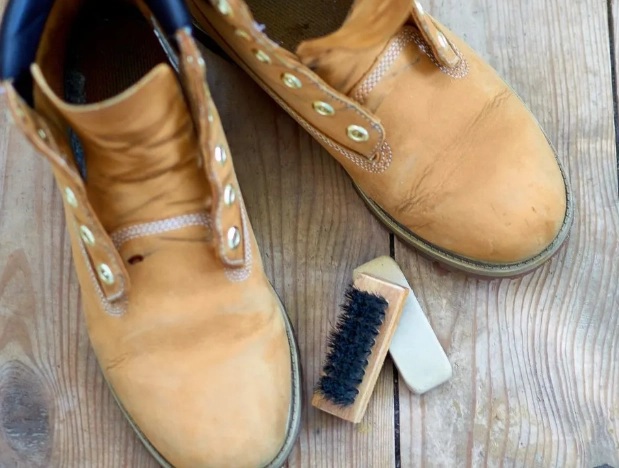
| Tool | What It Is & Why You Need It | What to Look For |
|---|---|---|
| Leather Cleaner | A pH-balanced, gentle cleaner specifically formulated for soft, aniline, or nubuck leathers. It lifts dirt without stripping oils. | Look for "suede and nubuck cleaner" or "delicate leather cleaner." Brands like Saphir, Bickmore, or Lexol are reliable. Avoid anything that says "all-purpose" or "degreaser." |
| Leather Conditioner | This is non-negotiable. Cleaning dries out leather. A conditioner replenishes lost oils to prevent cracking and keep the leather supple. | Choose a conditioner designed for soft leather. Saphir's Renovateur or Bick 4 are excellent. Avoid heavy, waxy conditioners meant for work boots; they'll clog the pores. |
| Soft-Bristled Brushes | Two types: a suede/nubuck brush with soft brass or nylon bristles to lift dirt and restore the nap, and a softer horsehair brush for general dusting and polishing. | The brass/nylon brush should be gentle; you're not scrubbing a deck. The horsehair brush should feel soft on your skin. |
| Microfiber Cloths | Your primary tool for application and wiping. Microfiber is soft, lint-free, and won't scratch. | Use clean, white cloths to avoid color transfer. Have at least 3-4 on hand. |
| Mild Soap | For the hardware. A drop of mild dish soap in warm water works perfectly. | Something gentle like Dawn or Castile soap. Harsh detergents can tarnish the metal. |
See? No magic potions. Just the right, gentle products. If you're at a store and a product label doesn't explicitly mention being safe for delicate leathers, put it back.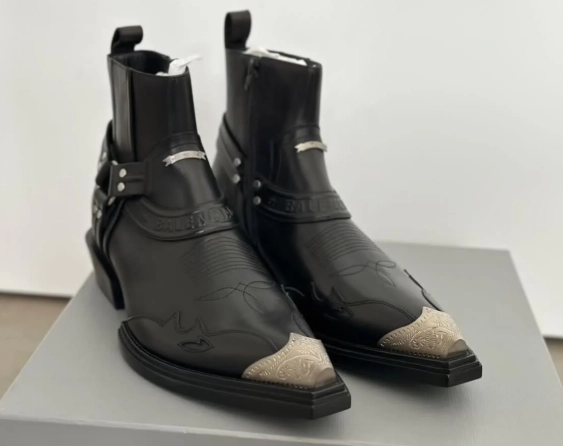
The Step-by-Step Cleaning Process: A Gentle Touch is Key
Alright, let's get to work. Patience is your best friend here. Don't rush.
Step 1: The Pre-Cleaning Ritual (Dry Cleaning)
Never start with a wet cloth. First, remove the laces. Then, take your soft horsehair brush and gently brush the entire boot to remove loose dirt, dust, and grit. Think of it like dusting a fine piece of furniture. Brush in the direction of the leather grain. This step is crucial because rubbing grit into the leather with a wet cloth is a recipe for micro-scratches.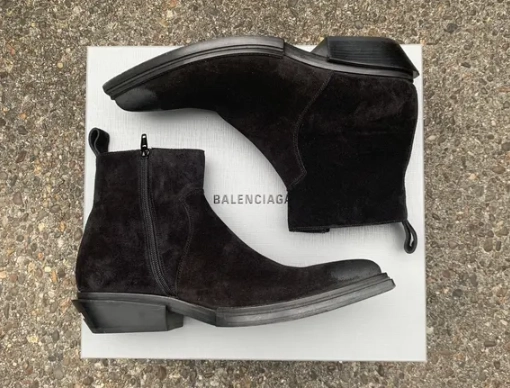
Step 2: Spot Test & Clean
This is the most important rule nobody follows. Apply a small amount of your leather cleaner to a discreet area—the inside of the ankle shaft or the back of the boot. Let it dry completely. Check for any discoloration or change in texture. If it looks good, proceed.
Now, apply a small amount of cleaner to a microfiber cloth. Never, ever squirt it directly onto the boot. You want the cloth damp, not soaked. Gently wipe the leather in small, circular motions, working on one small section at a time. Apply minimal pressure. For scuff marks, you can use the soft-bristled suede brush lightly. Rinse the cloth frequently to avoid reapplying dirt.
Step 3: The Crucial Conditioning Step
After cleaning, let the boots air dry completely at room temperature, away from direct heat or sunlight. Once bone dry, the leather will feel thirsty. Apply a small amount of conditioner to a clean microfiber cloth and massage it into the leather using small, circular motions. Let the conditioner absorb for 15-20 minutes, then gently buff off any excess with a clean, dry cloth. You'll immediately notice the leather feels softer and richer.
Step 4: Handling the Hardware
For the metal buckles and studs, dip a soft cloth in a solution of warm water and a drop of mild dish soap. Wring it out until it's just damp. Gently wipe the hardware to remove dirt and fingerprints. Immediately dry it thoroughly with a separate, dry cloth to prevent water spots or rust.
Important: Do not let the soapy water run onto the leather. Protect the leather with your other hand or a piece of paper while cleaning the metal parts.
Step 5: The Final Touches & Storage
Give the entire boot a final gentle buff with a clean, dry microfiber cloth. Re-lace your boots. For storage, stuff the boots with acid-free tissue paper or boot trees to help them keep their shape. Store them in their dust bags, in a cool, dry place. Never store them in a plastic bag, as this traps moisture and can cause mold.
The 3 Cleaning Mistakes That Will Ruin Your Boots
Let's be blunt. Most people mess this up. Here’s what to avoid at all costs:
- Using Household Products: Windex, Lysol wipes, baby wipes, hand sanitizer—these are death sentences. They contain alcohol and harsh solvents that will permanently dry out and discolor the lambskin.
- Dunking or Soaking: Never submerge these boots in water or run them under a tap. The leather will absorb water, the insole will be ruined, and the boots will lose their shape and develop permanent water stains.
- Skipping the Conditioner: Cleaning without conditioning is like washing your face with soap and never applying moisturizer. The leather will dry out, crack, and age prematurely.
I once saw someone try to clean a scuff with a Clorox wipe because they thought the leather was "stained." The result was a faded, ashy patch that looked worse than the original scuff. It was a painful lesson.
Your Cleaning Questions, Answered by Experience
Cleaning your Balenciaga Santiago boots isn't about heavy scrubbing; it's about gentle, mindful maintenance. It takes a bit more time than wiping down a pair of sneakers, but that's the price of owning a piece of luxury footwear. With the right tools and this methodical approach, you can keep them looking sharp and feeling buttery for years, ensuring they remain a statement piece, not a regret.