Let's talk about gold stud earrings. You probably own a pair, or you're thinking about getting your first pair. They seem simple, right? A little ball or a flat disc on a post. But that simplicity is a trick. A great pair of gold studs can be the most worn item in your jewelry box, the quiet hero that pulls an outfit together. A bad pair can turn your earlobe green, fall out constantly, or just look cheap. After years of wearing, losing, and finally investing in the right ones, I've learned there's a world of difference between any gold stud and the *right* gold studs.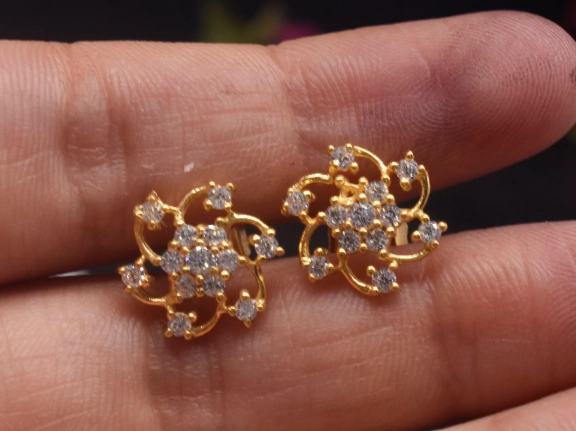
What's Inside?
Why Gold Stud Earrings Are a Non-Negotiable
Forget "just another accessory." A quality pair of gold studs serves multiple functions. They're your go-to for days when you want to look put-together in ten seconds flat. They're the foundation for ear stacking, peeking out behind your more dramatic hoops or dangly pieces. They're also the only jewelry many people feel comfortable sleeping in (though we'll get to that later).
The value isn't just in aesthetics; it's in versatility and longevity. Unlike trendy fashion jewelry that dates itself in a season, a classic gold stud is perennial. The Gemological Institute of America (GIA) notes gold's enduring appeal precisely because of its timelessness and inherent value. It's not just a purchase; it's a tiny, wearable asset.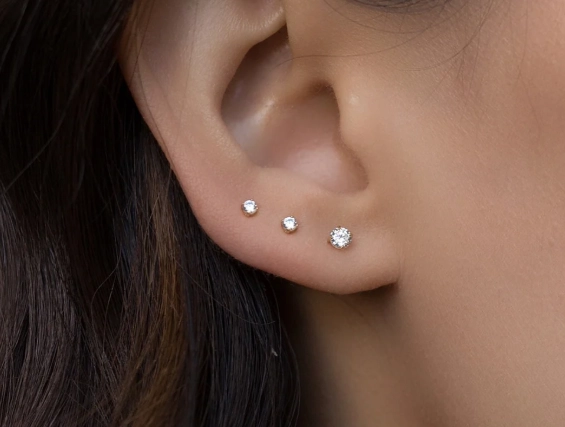
I made the mistake early on of buying several cheap, gold-plated pairs from fast-fashion retailers. Within months, the plating wore off the posts, revealing a silvery metal that irritated my ears. I was constantly replacing them, thinking I was saving money. In reality, I was wasting it. The moment I switched to a single pair of solid 14k gold studs, that cycle stopped. That was five years ago, and they look the same as the day I bought them.
How to Choose Your Perfect Pair: A Buyer's Checklist
This is where most guides get vague. "Choose what you love!" isn't helpful. You need a framework to decide. Think about these variables in this order.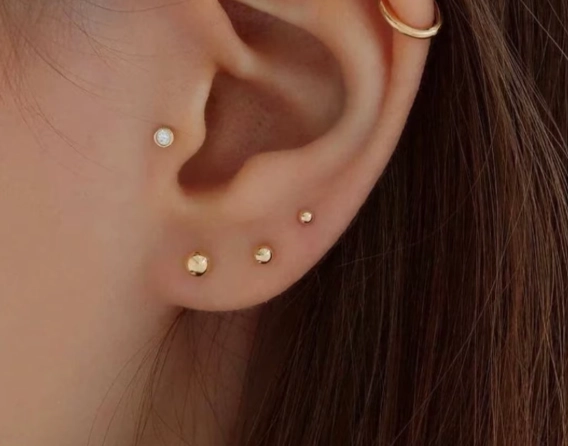
The Karat Conundrum: This is the biggest decision point for budget and look. Karat (kt) refers to the purity of the gold. Pure gold is 24k, but it's too soft for durable studs. So it's alloyed with other metals.
| Karat | Gold Purity | Pros | Cons | Best For |
|---|---|---|---|---|
| 14k | 58.5% | Excellent durability, rich color, great value. The industry sweet spot. | Slightly less "gold" color than higher karats. | Everyday wear, first investment piece. |
| 18k | 75% | Warmer, deeper yellow hue, higher intrinsic value. | Softer, more prone to scratches and dings. | Special occasion pieces, prefer a richer color. |
| Gold-Filled | Layer of 14k/12k | Much more affordable, good durability, won't chip like plating. | Not solid gold; can wear through over decades. | Testing a style, budget-conscious quality. |
| Gold-Plated | Micron-thin layer | Very inexpensive, access to many designs. | Wears off quickly, often over base metals that cause allergies. | One-night-only events, disposable trends. |
My take? If you can possibly swing it, start with 14k gold. The price jump from gold-filled to 14k is significant, but the longevity jump is a cliff. It's the workhorse.
Style and Size: The Devil's in the Details
"Stud" doesn't mean just a ball. The shape changes everything.
The Classic Round: A dome or ball. Timeless, reflects light beautifully. Start with a 3mm-5mm size. Smaller is more subtle, larger makes more of a statement.
The Flat Disc: A sleeker, modern cousin. Think a tiny coin. Less sparkle, more cool. Great for a minimalist look.
The Geometric: Squares, triangles, hexagons. Adds an edge. Pay attention to the corners—sharper corners can catch on clothing more easily.
Here's a rarely mentioned tip: Consider the post thickness (gauge). Most standard studs use a 20-gauge post (about 0.8mm), which is fine for most. If you have older, slightly stretched piercings or just prefer a sturdier feel, some brands offer 18-gauge (1.0mm) posts. It's a small detail that makes them feel more substantial and less likely to accidentally slip out.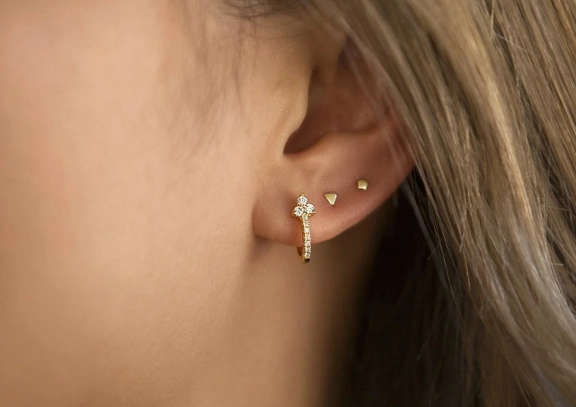
The Backing System: Security Matters
This is the most practical part. The standard push-back (butterfly clutch) is common but can get gunky and lose tension. Screw-backs are the gold standard for security—they literally thread on. You won't lose them, but they're a two-handed operation. La Pousette or lock-back clasps are a fantastic secure middle ground—they click and lock in place. For first piercings or active lifestyles, don't cheap out on the back.
The Real Guide to Care & Maintenance
You don't need to baby solid gold, but a few habits keep them perfect.
Cleaning: Once a month is plenty. Warm water, a tiny drop of mild dish soap (like Dawn), and a very soft baby toothbrush. Gently scrub the front, back, and post. Rinse thoroughly and pat dry with a soft, lint-free cloth. That's it. Avoid harsh jewelry dips for solid gold; they're overkill.
Storage: This is critical. Never throw them loose in a jewelry box. The posts will scratch other pieces and get bent. Get a small, multi-compartment box or use individual soft pouches. If you travel, a hard-shell pill case with cotton pads in each compartment works wonders.
The Shower & Sleep Debate: Can you? With solid gold, technically yes. Should you? I recommend taking them off. Soap scum builds up slowly, dulling the shine. Sleeping on them can bend posts over time (I've done it) and presses the earring back into your skin, which isn't ideal for hygiene. Make it a 10-second nightly ritual. It extends their life and keeps your piercings healthier.
Beyond Basic: How to Actually Style Them
They're not just for lazy days. Here’s how to use them intentionally.
The Solo Act: A single, slightly larger (5-6mm) geometric stud in one ear can look incredibly chic and modern. It's a deliberate, cool-girl move.
The Foundation Stack: This is their superpower. Wear your small, classic round studs as a base. Then add a hoop or a dangling earring in a second or third lobe piercing. The stud adds depth and ensures your ear never looks empty.
Mixed Metals: Throw out the old rule. A gold stud looks fantastic with silver or white gold hoops. The mix is intentional and interesting. It shows you know what you're doing.
With Necklaces: Pair small gold studs with a bold pendant necklace. The studs frame your face without competing. Conversely, with a delicate chain, slightly larger studs balance the look.
Your Gold Stud Questions, Answered
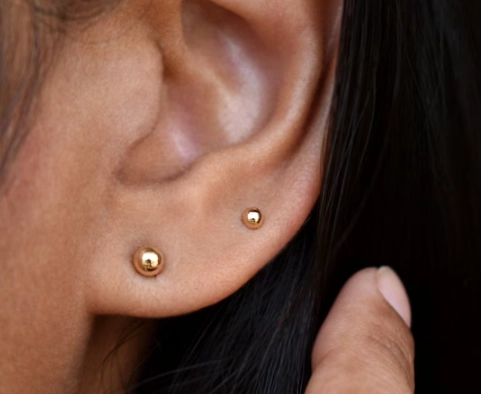
The bottom line? Gold stud earrings are a utility player that deserves star treatment. Don't buy them as an afterthought. Consider the karat, the clasp, the style. A well-chosen pair doesn't just accessorize an outfit; it becomes a part of your daily uniform, a small point of reliability and shine. Start with one great pair. You might find it's the only one you ever need.