What's Inside This Guide?
Let's cut to the chase. A summer bag isn't just any bag—it's your sidekick for sunny days, beach trips, and spontaneous outings. But most guides overcomplicate this. After years of testing bags from cheap market finds to high-end labels, I've learned that the best summer bag balances lightness, durability, and smart organization. Forget flimsy trends; we're talking about bags that survive sand, sweat, and sudden downpours. In this guide, I'll walk you through everything from materials that won't weigh you down to styles that actually work. We'll skip the fluff and focus on what matters: making your summer easier, one bag at a time.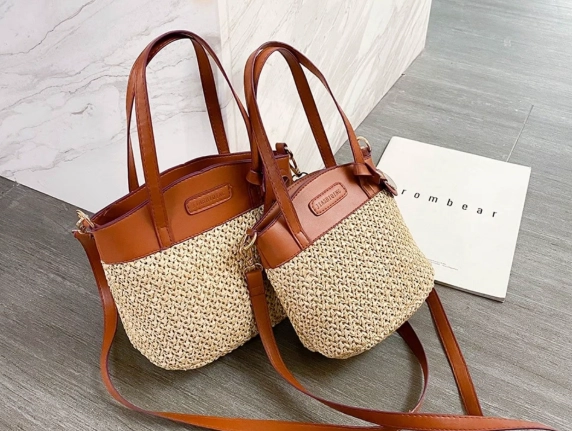
What Really Defines a Summer Bag?
Think about last summer. Did your bag fail you? Mine did—a leather tote that turned into a sweat magnet. A true summer bag has three non-negotiables: it's lightweight, weather-resistant, and versatile enough to handle multiple scenarios. Lightweight doesn't mean flimsy; materials like ripstop nylon or canvas can be tough without adding bulk. Weather-resistance isn't just waterproofing; breathability matters too, so your stuff doesn't stew inside. And versatility? It should shift from a beach carryall to a city companion without screaming "tourist." I recall a friend's bag that had separate compartments for wet towels and dry clothes—genius, right? That's the kind of thoughtfulness we need.
Key takeaway: If a bag feels heavy empty, it's a no-go. Summer heat amplifies every ounce, so prioritize materials under 1.5 pounds (0.7 kg) for larger bags. Trust me, your shoulders will thank you.
Breaking Down the Top Summer Bag Styles
Not all bags are created equal. Here's a quick breakdown of styles that actually work, based on real use, not just fashion spreads.
td>Lack of structure—items tumble around. Opt for ones with inner zippers.td>Poor ventilation on your back. Mesh panels are a lifesaver.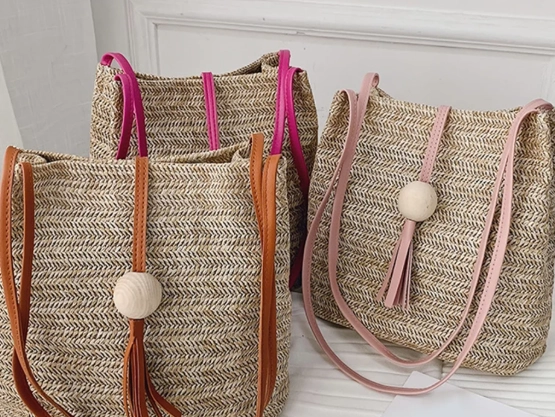
| Style | Best For | Watch Out For | My Personal Pick |
|---|---|---|---|
| Tote Bags | Beach days, casual outings, carrying towels and snacks. | A canvas tote with reinforced bottom gussets. It holds shape better. | |
| Backpacks | Hiking, travel, hands-free convenience. | Hydration-pack compatible backpacks for long walks. They're surprisingly versatile. | |
| Crossbody Bags | City errands, festivals, keeping items secure. | Straps that dig in. Adjustable, padded straps make a difference. | Water-resistant nylon crossbody with RFID pockets. Theft-deterrent and practical. |
| Convertible Bags | Multi-use scenarios, like day-to-night transitions. | Complex mechanisms that break. Stick to simple clip systems. | A backpack that converts to a tote via hidden straps. I've used mine for years. |
Notice how each style has a downside? That's where most buyers slip up. For instance, totes are popular, but I've seen too many with weak handles that snap under the weight of a water bottle. Always check stitching at stress points.
How to Choose Your Perfect Summer Bag: A No-Nonsense Approach
Choosing a bag isn't rocket science, but it requires a bit of strategy. Let's break it down step by step.
Step 1: Map Out Your Summer Activities
Be honest. Will you be hiking, lounging at the pool, or hopping between cafes? List your top three activities. For me, it's beach trips, weekend markets, and occasional travel. Each demands different features. A beach bag needs sand-proof lining (yes, that's a thing—look for smooth interiors that sand doesn't cling to). A market bag benefits from wide openings for quick access. Write this down; it clarifies your search.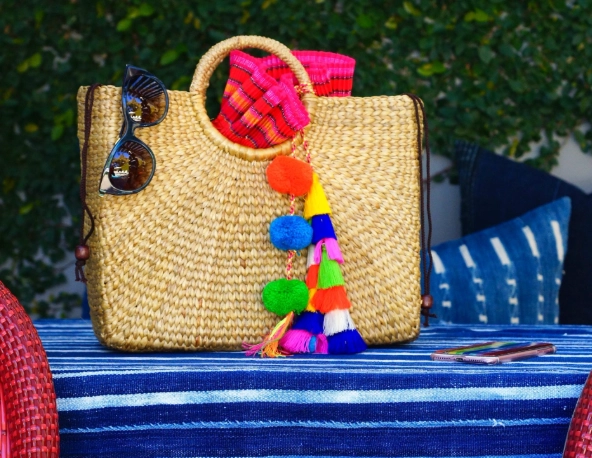
Step 2: Material Matters More Than You Think
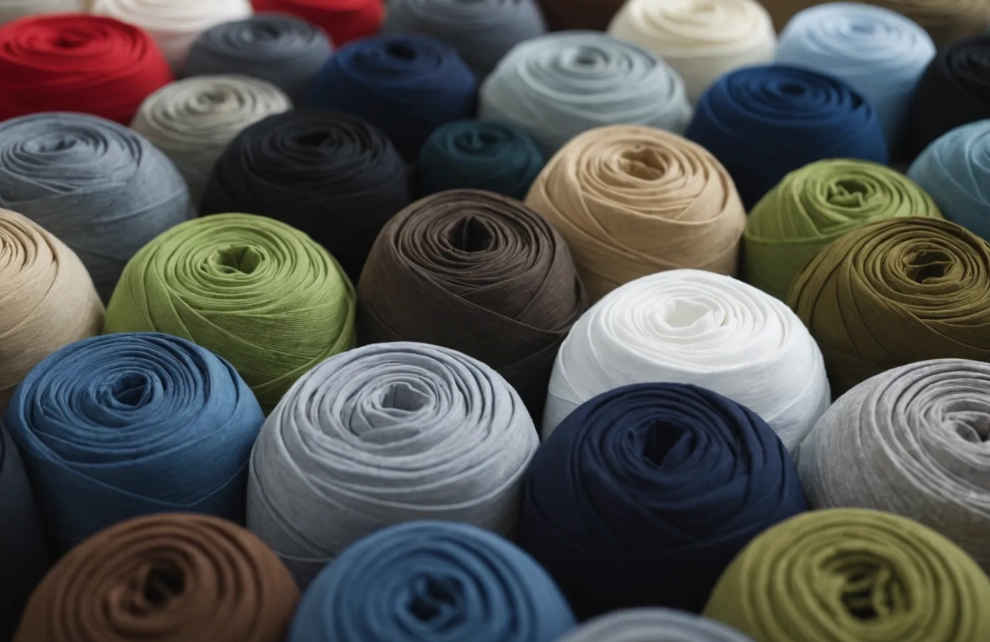
Materials make or break a summer bag. Here's a quick guide:
- Nylon/Polyester: Lightweight, water-resistant, and durable. Perfect for active use. But cheap versions can feel plasticky. I prefer brands that use recycled polyester—it's often sturdier, as noted in reports by the Sustainable Apparel Coalition.
- Canvas: Breathable and classic, but can get heavy when wet. Treat it with a waterproof spray for best results.
- Straw/Rattan: Trendy and breathable, but not practical for rain or heavy loads. I'd avoid unless it's for photo ops only.
- PVC/Coated Fabrics: Fully waterproof, ideal for boat trips or rainy climates. However, they trap heat, so ventilation is key.
Pro tip: Feel the material in person if possible. Online photos lie—a bag that looks sturdy might be thin and prone to tearing. I learned this the hard way with a "premium" straw bag that disintegrated after two uses.
Step 3: Size and Capacity—Don't Overpack, but Don't Underestimate
Summer essentials add up: sunscreen, water bottle, hat, phone, keys, maybe a towel. Measure your largest item (often the water bottle) and ensure the bag fits it comfortably. I use a simple rule: if it can't hold a 1-liter bottle and a small towel, it's too small for a day out. But oversized bags tempt you to carry junk. Aim for 10-20 liters capacity for versatility.
Consider compartments. Multiple pockets help organize, but too many can become black holes. Look for at least one zippered section for valuables and an external pocket for quick-grab items like sunglasses.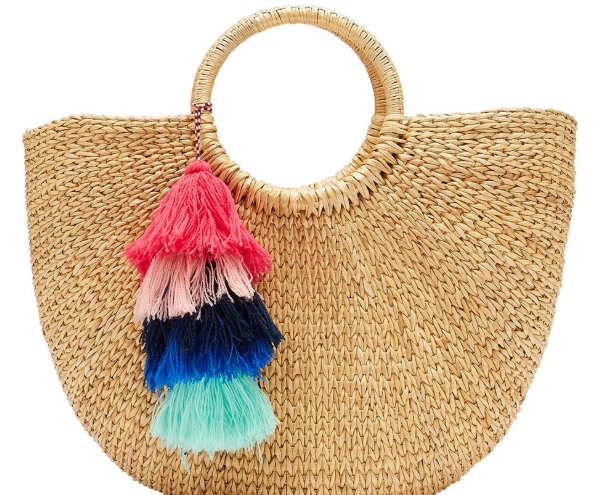
Common Mistakes Everyone Makes (And How to Dodge Them)
We've all been there. Here are pitfalls I've seen repeatedly, even among seasoned travelers.
Mistake 1: Prioritizing Aesthetics Over Function. A gorgeous woven bag might look Instagram-ready, but if it lacks a secure closure, you're begging for pickpockets. I once lost a wallet from a beautiful but open-top tote during a crowded festival. Lesson learned: always opt for zippers or magnetic clasps in busy areas.
Mistake 2: Ignoring Weight Distribution. A bag that hangs awkwardly causes back pain. Test the strap adjustability. Crossbody bags should sit at your hip, not swing around. Backpacks need padded straps and a chest strap for heavier loads. My go-to hack: load the bag with your typical items and walk around the store for a few minutes. If it feels off, move on.
Mistake 3: Assuming Waterproof Means Submersible. Water-resistant bags handle light rain; waterproof ones can withstand heavier downpours. But neither is meant for swimming. Check the IP rating if available—IPX4 is good for splashes. I ruined a phone by trusting a "waterproof" bag in a sudden thunderstorm; the seams leaked. Always use a separate dry bag for electronics in extreme conditions.
Mistake 4: Overlooking Maintenance. Summer bags get dirty fast. Choose materials that are easy to clean. Machine-washable options save time, but air-dry them to prevent shrinkage. I've had bags fade or warp from improper care—read the care label religiously.
Your Burning Summer Bag Questions Answered
Here are answers to questions I get asked all the time, based on real-world experience.

Wrapping up, choosing a summer bag boils down to matching your lifestyle with practical features. Don't get swayed by fleeting trends; invest in something that feels right and lasts. Start with your activity list, test materials, and avoid common pitfalls. Your perfect summer bag is out there—it just needs a bit of thoughtful hunting. Go try some on, and remember: comfort over couture, every time.