Your Beach Bag Companion Guide
- It Starts With the Stuff It's Made Of: A Material Breakdown
- Beyond the Label: Features That Actually Matter
- The Brand Landscape: From Heritage Houses to Cool-Girl Labels
- Your Designer Beach Bag, Beyond the Beach
- Navigating the Questions (And Avoiding Regrets)
- Parting Thoughts Before You Click 'Add to Cart'
Let's be honest. We've all been there. Standing in front of the closet, staring at a pile of totes and baskets, wondering which one will survive a day at the beach. The cheap straw one from last year is falling apart. The cute canvas tote has a mysterious stain that won't come out. And the idea of just shoving everything into a plastic grocery bag feels... wrong. That's the moment you start typing "designer beach bag" into the search bar, hoping for a solution that's both beautiful and tough enough for sand, sunscreen, and the occasional rogue wave.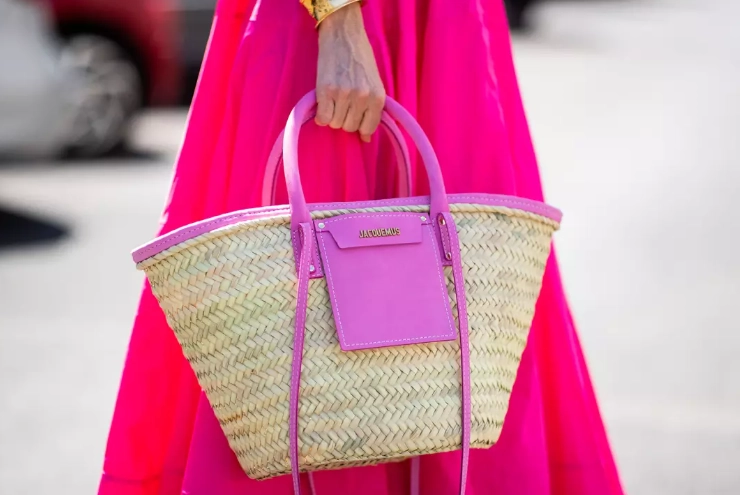
But what makes a beach bag worthy of the "designer" label? Is it just the logo and the price tag? In my experience, having tested and (sometimes regrettably) purchased my fair share, it's so much more. A true designer beach bag is a masterclass in solving problems you didn't even know you had. It's about a fabric that laughs at saltwater, a shape that somehow fits a beach towel, a novel, sunglasses, snacks, *and* that oversized bottle of SPF 50. It's about a strap that doesn't dig into your shoulder when it's loaded up. It's about moving beyond just a bag to carry stuff, to finding a companion for your summer adventures.
If you're tired of bags that sag, stain, or fall apart after one season, you're in the right place. This isn't just a list of expensive bags. It's a deep dive into the why behind the price, the how of choosing the right material, and the what to look for in features that actually matter when you're miles from a clean, dry closet.
It Starts With the Stuff It's Made Of: A Material Breakdown
This is where most people get it wrong. They fall for a print or a color without thinking about what the bag will face. Sand is abrasive. Sunscreen and salt water are corrosive. A material that looks great in a boutique might be a disaster on the shore. Let's break down the common contenders.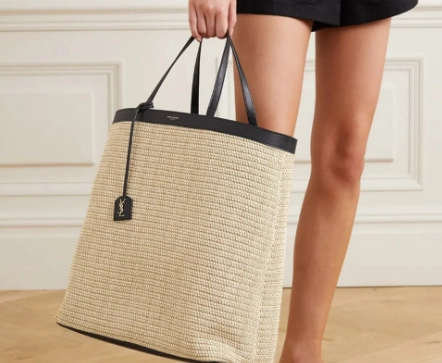
The Natural Fiber Crew: Canvas, Linen, and Straw
Ah, the classics. There's a reason they're popular. A heavyweight cotton canvas, like the kind used by brands like Faherty or Tory Burch, feels substantial and ages beautifully. It can develop a nice patina. But here's the catch: it's a sponge. Get it wet, and you're carrying an extra five pounds of water weight, and it'll take forever to dry. I learned this the hard way when a sudden rain shower turned my lovely canvas tote into a soggy, mildewy mess.
Linen is breezy and elegant, perfect for that Riviera vibe. But it wrinkles if you look at it sideways and can be surprisingly delicate. Straw or raffia bags scream summer. They're lightweight and photogenic. But they offer zero protection from the elements or from leaks inside your bag. That melting ice cream bar from the snack stand? It's now a sticky puddle at the bottom of your straw bag. Not ideal.
The Modern Powerhouses: Nylon, Polyester, and Technical Fabrics
This is where functionality truly shines. When I think of a workhorse designer beach bag, I often think of brands that use high-tech nylons. Think Longchamp's legendary Le Pliage nylon (surprisingly resilient) or Lululemon's venture into the category with their water-repellent fabrics.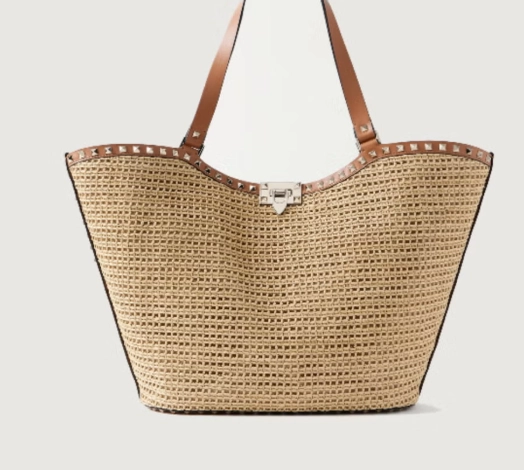
These materials are game-changers. They are inherently water-resistant, easy to wipe clean, and incredibly durable. Sand brushes right off. A spilled drink is a quick pat-down away from being a non-issue. The downside? They can sometimes lack the "summery" texture people crave. Some feel more sporty than chic. But the trade-off in practicality is, for many, absolutely worth it. A brand like Calpak does a great job of making technical fabrics look sleek and modern.
The Sustainable Shift: Recycled Materials and Innovation
This is a huge and growing trend, and for good reason. Who wants their vacation vibe ruined by guilt over plastic pollution? Many designers are now creating stunning bags from recycled plastics, like ECONYL® (regenerated nylon from ocean waste), or from innovative plant-based materials.
Stella McCartney has been a pioneer in this space for years, championing vegan and sustainable materials. More and more brands are following suit. The Global Fashion Agenda highlights this shift as a core industry focus, and it's fantastic to see it trickle down to beach bags. You get the durability of a synthetic with a much lighter environmental footprint. When you're shopping, look for certifications or clear material descriptions on the brand's website. It's not just a marketing buzzword anymore; it's a legitimate point of differentiation for a quality designer beach bag.
The best material is the one that balances your personal style with the brutal reality of beach life. Don't sacrifice function for form, but also don't buy something you'll hate looking at.
Beyond the Label: Features That Actually Matter
A logo doesn't keep your phone dry. Let's talk about the nitty-gritty design elements that separate a pretty bag from a perfect one.
Size & Shape: This seems obvious, but it's crucial. Too small, and you're juggling items. Too large, and it becomes a bottomless pit where you can never find your keys. A rectangular or square base helps the bag stand up on its own in the sand—a small luxury you'll appreciate. Consider a bag with some structure or reinforced bottom panels.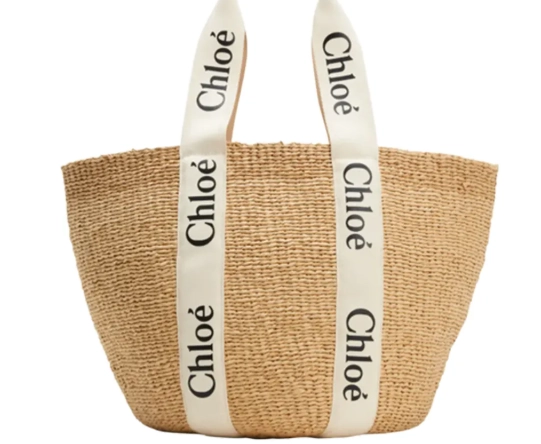
The Interior: Pockets or Chaos? An open abyss is my personal nightmare. A simple, zippered pocket inside for your phone, wallet, and keys is non-negotiable. Some designer beach bags go further with insulated bottle pockets (genius for keeping water cool) or even a separate wet pouch for a swimsuit. Lands' End, though not a traditional "designer" brand, has excelled at functional beach bag design for decades, and their thoughtful compartmentalization is worth studying.
Closure: A drawstring or a zipper? A drawstring is easy and casual but offers zero security in a crowd. A full-length zipper is more secure and keeps sand out better, but can be fussy. A happy medium is a top flap with a magnetic snap or a zipper across just the top portion.
Straps & Comfort: This is a big one. Thin, chain-link straps might look chic but will torture your shoulder. Wide, padded straps distribute weight beautifully. Look for a dual handle option (for hand-carry) plus a long, detachable crossbody strap. The ability to carry a bag hands-free when you're carrying chairs, a cooler, or a child is a game-changer. I once bought a bag with beautiful but skinny leather straps. After one long walk from the parking lot, I never used it for the beach again.
| Feature | Why It Matters | What to Look For | Brands That Nail It |
|---|---|---|---|
| Interior Lining | A dark, patterned, or waterproof lining hides dirt, sand, and stains. A light-colored lining shows every speck. | Dark colors (navy, black), fun patterns, or coated/PU lining. | Lily Pulitzer (bright patterns), Vera Bradley (signature prints). |
| Exterior Pockets | Quick-grab access for items you need constantly: phone, sunscreen, lip balm. | At least one zippered or snap-close exterior pocket. | L.L.Bean, Dakine (outdoor heritage brands). |
| Base Material | Protects the bottom from wet sand, sharp shells, and rough surfaces. | Reinforced leather, rubberized feet, or a tough, wipeable synthetic. | Goyard (canvas/leather), Many high-end leather goods brands. |
| Weight Empty | A bag itself shouldn't be heavy before you put anything in it. | Lightweight materials like nylon or thin canvas. | Longchamp, Baggu. |
The Brand Landscape: From Heritage Houses to Cool-Girl Labels
Okay, let's talk names. The world of designer beach bags isn't monolithic. It ranges from iconic French houses to contemporary brands that focus purely on function-forward design.
The Classic Luxury Play
Think Louis Vuitton's Neverfull (though it's more of a general tote), Goyard's St. Louis, or Gucci's canvas prints. These are status symbols. They're often made with coated canvas and leather trim, making them more durable than they appear. The investment is in the brand heritage and the resale value as much as the function. Are they the most practical for a messy beach day? Maybe not for everyone. But if you want that iconic look and are willing to be a little careful, they're an option.
The Modern, Functional Contenders
This category excites me more. Brands like Cuyana have made a name for themselves with timeless, lean design and high-quality materials. Their bags often feature clean lines, sustainable leathers or fabrics, and thoughtful details. Beis, founded by Shay Mitchell, exploded onto the scene by focusing on travel functionality—their beach bag has a removable, washable pouch and a shoe compartment, which is honestly brilliant.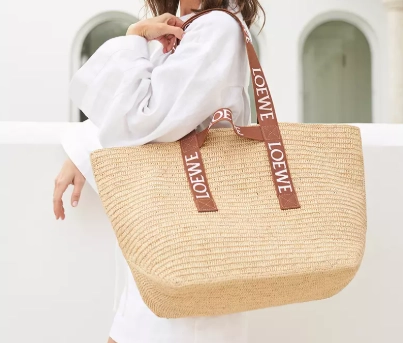
Then there are the lifestyle brands. Tory Burch's Miller bag is a perennial favorite for a reason—it's sturdy, has a great shape, and comes in endless colors. Lululemon's foray into bags brings their athlete-tested understanding of performance fabrics and ergonomics to the beach.
The Niche and Artisanal Makers
Don't overlook smaller labels. Etsy is a treasure trove for handmade canvas or raffia bags where you can often request custom features (like an extra pocket or a specific strap length). Brands like Auguste or Sea NY offer unique, often minimalist designs that won't be carried by everyone at the shore. This is where you find true originality.
My Personal Testing Ground: I took three different designer beach bags on a week-long coastal trip: a heavy canvas tote, a recycled-nylon bag with pockets, and a floppy straw bag. The nylon bag was the clear winner. It was the only one that looked as good on the last day as it did on the first, survived a juice spill, and its organization saved me from daily digging. The straw bag was relegated to carrying dry towels only.
Your Designer Beach Bag, Beyond the Beach
One of the best arguments for investing in a good one is versatility. A well-designed bag shouldn't hibernate for 9 months of the year.
The right designer beach bag can seamlessly become your summer everyday tote. Run errands, go to the farmer's market, head to a picnic in the park. A structured canvas or nylon tote works perfectly as a carry-on personal item for travel—it's roomy and easy to access. I've used mine as a gym bag (separate shoe compartment, thank you!), a diaper bag alternative (so many pockets!), and even a stylish work tote on casual Fridays when I need to haul a lot.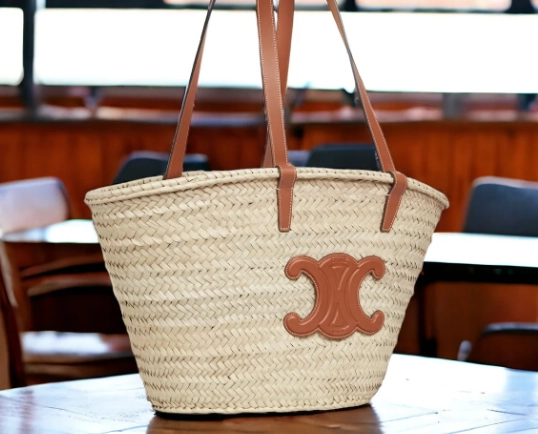
This multi-purpose use is what justifies the cost per wear. A $30 bag you use ten times a summer costs $3 per use. A $300 designer beach bag that you use 100 times a year across multiple scenarios costs the same, but brings you joy and function every single time.
Navigating the Questions (And Avoiding Regrets)
Let's tackle some of the specific things that might be swirling in your head as you shop.
How much should I really spend?
There's a massive range. You can find well-made options from contemporary brands in the $150-$400 range. Heritage luxury brands will push you into the $1,000+ territory. Set a realistic budget based on how often you'll use it. The sweet spot for quality materials and construction, in my opinion, is between $200 and $500.
Can it get wet?
This is the #1 question. You must check the care label. Most canvas bags are not fully waterproof. Nylon and polyester blends usually are water-resistant. If a bag has leather accents, getting them repeatedly soaked will damage them. If you want a bag you can literally dunk in the ocean to rinse off sand, you might be better served by a dedicated waterproof mesh bag. For most, water-*resistance* is the practical goal.
How do I keep it clean?
Spot clean with a damp cloth and mild soap is the universal first step. For fabric bags, check if they are machine washable (many nylon ones are). For straw, just brush off sand and let it air out. For leather trim, use a leather conditioner. The key is to not let sunscreen or salt sit on the material for weeks.
Is it worth buying a designer beach bag secondhand?
Absolutely. Sites like The RealReal, Vestiaire Collective, or even Poshmark are great for finding pre-owned luxury totes. You can often score a classic style at a fraction of the cost. Just inspect photos closely for stains, wear on the corners, and pen marks on the lining.
How can I tell if it's good quality?
Look at the stitching. Is it even and tight? Are straps securely attached with multiple rows of stitching or rivets? Feel the material—does it feel substantial or cheap and flimsy? Check the zippers—do they glide smoothly? Are the hardware pieces (d-rings, snaps) solid metal or plastic coated to look like metal? These small details reveal everything.
Don't get so caught up in the dream of the beach that you forget the reality of carrying it. The walk from the car, the wind, the sand, the snacks—your bag is the unsung hero of the whole day.
Parting Thoughts Before You Click 'Add to Cart'
Choosing your ideal designer beach bag is a personal equation. It's about adding up your style preferences, your practical needs, and your budget. It's about deciding what you value more: the effortless chic of a slouchy linen bag, or the military-grade organization of a technical tote.
My biggest piece of advice? Be brutally honest about your own beach (or park, or pool) habits. If you're a minimalist who brings a towel and a book, a smaller, prettier bag works. If you're the pack mule for a family of four, carrying enough supplies for a week, you need size, structure, and indestructible fabric.
The perfect designer beach bag is out there. It's the one that makes you smile when you grab it, functions flawlessly when you need it to, and looks great leaning against your beach chair. It's an investment in effortless summer style. Now that you know what to look for—from the secret of the right material to the life-changing magic of an interior pocket—you're ready to find yours.
Skip the regret of a beautiful but useless bag. Use this guide as your checklist. Prioritize material and features first, then fall in love with the design. Your future self, comfortably carrying a dry phone and easily finding the car keys, will thank you.