Your Reading Roadmap
- What Is Personal Color Analysis, Really?
- How Can You Figure Out Your Season? (DIY Methods)
- Beyond Undertone: Value and Chroma
- Why Bother? The Real Benefits of Knowing Your Colors
- Common Myths and Misconceptions About Color Analysis
- Professional Analysis vs. DIY: What's the Difference?
- Frequently Asked Questions (The Stuff You Actually Google)
- Putting It All Into Practice: Your First Steps
Let's talk about that sweater. You know the one. You bought it because it was "in" or on sale, and it's a perfectly nice color. But every time you put it on, something feels off. You look in the mirror and think, "Do I look tired today?" Spoiler: it's probably not you; it's the color fighting with your natural coloring. That's the whole idea behind personal color analysis. It's not magic, but it can feel like it when you finally see the difference.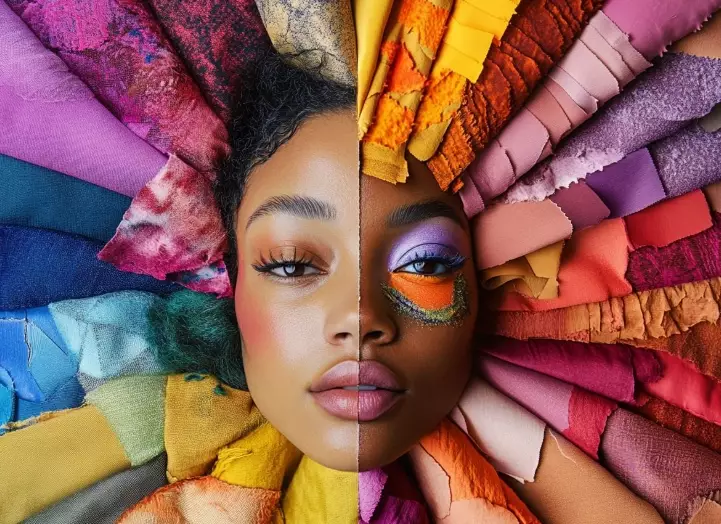
I remember dragging a friend to a consultant years ago, skeptical but curious. I walked in thinking I was a "Winter"—you know, dramatic and cool. I walked out a "Soft Autumn." My whole wardrobe was basically a monument to what didn't suit me. It was equal parts frustrating and liberating. This guide is what I wish I'd had before I spent all that money on the wrong lipsticks.
Personal color analysis isn't about restricting you. It's the opposite. It's a tool to understand the relationship between your skin's undertone, your hair, your eyes, and the colors in the world. It gives you a filter to make shopping easier, getting dressed faster, and feeling more confident in your skin. Literally.
What Is Personal Color Analysis, Really?
Forget the overly complex explanations. At its core, a personal color analysis is a system that categorizes individuals into "seasons" (Spring, Summer, Autumn, Winter) based on their natural, unchanging coloring—your skin's undertone, the value of your hair and eyes (light vs. dark), and their overall clarity or softness. Your "season" comes with a personalized palette of colors that harmonize with you, making you look healthier, brighter, and more vibrant.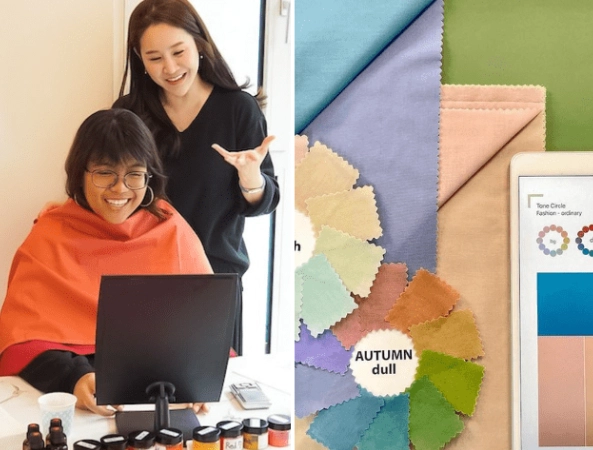
The theory has roots in artistic color theory but was popularized for fashion in the 1980s. While the methods have evolved, the goal hasn't: to take the guesswork out of looking your best. It answers the simple question: "Which colors look best on me?"
The Four Seasons Foundation
Most systems start with the classic four. Think of them as two key spectrums: warm (yellow/golden undertones) vs. cool (pink/blue undertones), and clear/bright vs. soft/muted.
| Season | Undertone | Key Characteristic | Example Colors |
|---|---|---|---|
| Spring | Warm | Light, Clear, & Warm | Coral, Peach, Camel, Bright Turquoise |
| Summer | Cool | Light, Soft, & Cool | Lavender, Powder Blue, Rose Pink, Mauve |
| Autumn | Warm | Deep, Soft/Muted, & Warm | Olive Green, Mustard, Terracotta, Rust |
| Winter | Cool | Deep, Clear/Bright, & Cool | True Red, Fuchsia, Royal Blue, Pure White |
Now, many modern systems expand this into 12 or even 16 seasons (like "Bright Spring" or "Soft Summer") for more precision. But the four-season model is your best starting point. Don't get lost in the sub-categories before you know your basic home base.
How Can You Figure Out Your Season? (DIY Methods)
Paying a pro is great, but you can get surprisingly close on your own. The key is good, natural light and a blank slate.
The Classic Vein Test (And Why It's Flawed)
Everyone says to look at your wrist veins. Blue/purple = cool. Green = warm. If you can't tell = neutral. Here's my take: this test is notoriously confusing. Lighting, skin tone (not undertone), and even your circulation can throw it off. I've seen people with warm undertones have blue-looking veins. Use it as a very initial clue, not a verdict.
The White Fabric Test
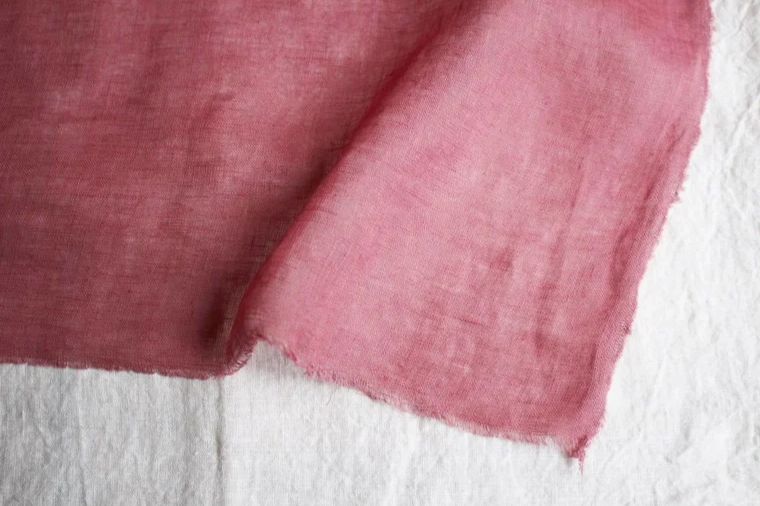
This is more reliable. In bright, natural light (no makeup!), hold a piece of pure, bright white fabric near your face. Then try an off-white, creamy fabric. Which one makes your skin look more even, healthier, and brighter? If bright white is better, you lean cool (Summer or Winter). If off-white is better, you lean warm (Spring or Autumn). If the bright white makes shadows or imperfections more noticeable, that's a big warm clue.
Personal opinion time: The single biggest mistake DIY-ers make is confusing personal preference with what actually harmonizes. You might love black, but if it washes you out, it's not in your best palette. The analysis is about objective observation, not wishful thinking.
The Jewelry Comparison
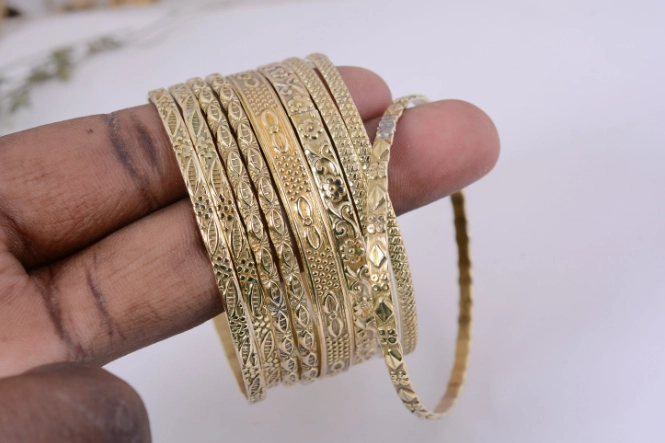
Again, in natural light, try on a piece of silver jewelry and a piece of gold jewelry (or hold foil/swatches near your face). Which metal looks more integrated, like it "belongs" on your skin? Does gold make you glow, or does it look separate and yellow? Does silver look sleek and modern, or cold and harsh? Gold typically flatters warms, silver flatters cools.
What if both look okay? That points to a neutral undertone, which is common. You'll then need to look at the other factors—contrast and clarity—to nail down your season.
Beyond Undertone: Value and Chroma
Okay, so you have a hunch about warm or cool. Next, look at your contrast level—the difference between your skin, hair, and eye color. Is it high (pale skin, dark hair), low (all features similar in depth), or medium?
Then, look at clarity. Are your features clear and bright (sparkling eyes, distinct hair color), or are they soft and blended (eyes with a misty quality, hair with multi-tonal highlights)?
- Think Winter or Spring if... your features have higher contrast and clarity. Colors that suit you will be clearer and more definite.
- Think Summer or Autumn if... your features have lower contrast and softer clarity. Colors that suit you will be more muted, grayed-out, or toned-down.
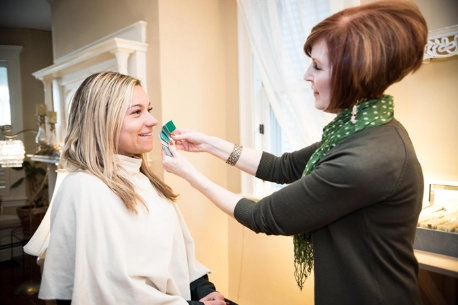
This is where holding up different colored fabrics (draping) is gold. You're not just looking for "pretty" colors. You're looking for colors where you are the star. The color recedes and your face comes forward. Shadows fade, your eyes pop, you look rested. A color in your palette shouldn't shout louder than you do.
Why Bother? The Real Benefits of Knowing Your Colors
It sounds like a frivolous fashion thing, but the impact is practical.
First, it saves money and time. How many impulse buys have you donated with tags still on? When you know your palette, you can quickly scan a rack and eliminate 70% of it. You shop with purpose. You build a cohesive wardrobe where everything mixes and matches because the colors are already in harmony.
Second, it simplifies everything. Makeup shopping becomes less of a gamble. That trendy mauve lipstick? If you're a Warm Autumn, it will probably make you look dead. Knowing your season guides you to flattering lipsticks, blushes, and even hair colors (but that's a whole other article).
Most importantly, it builds confidence. There's a subtle power in knowing you look put-together and healthy, not because you're wearing the latest trend, but because you're wearing what's right for you. It's personalized style.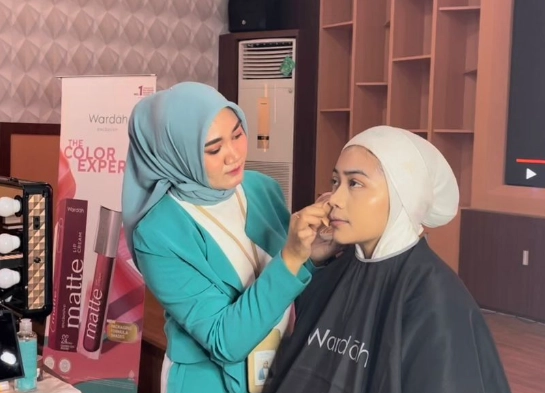
Common Myths and Misconceptions About Color Analysis
Let's clear some things up, because the internet is full of bad info.
Myth 1: "Your season can change with your hair color or tan." Nope. Your undertone is fixed. A tan darkens the surface of your skin (its overtone), but the underlying hue remains the same. A hair dye changes your hair's value, but your skin's relationship to color is constant. A Winter who dyes their hair honey blonde is still a Winter—they've just made it harder to see.
Myth 2: "You can only wear the colors in your palette." This is the rule that turns people off. Think of your palette as your "home base"—the colors guaranteed to make you shine. You can absolutely venture out! Use your best colors near your face (tops, scarves). You can wear a non-palette color in pants, skirts, or accessories. It's a guide, not a prison.
Myth 3: "All people of a certain ethnicity are one season." This is blatantly false and reductive. Every season includes incredible diversity. The principles of undertone, value, and chroma apply universally.
For deeper dives into the theory and its history, resources like the Wikipedia entry on Color Analysis provide a solid academic overview, while professional organizations like the Image Consultant Institute often discuss its application in personal styling.
Professional Analysis vs. DIY: What's the Difference?
So, should you pay someone? A good analyst uses a standardized set of drapes in controlled lighting to remove all variables. They're trained to see the subtle shifts in your skin tone as different colors are placed near you—reducing shadows, minimizing redness, creating a glow. It's objective.
The downside? Cost and finding a reputable one. Anyone can buy drapes and call themselves an analyst. Look for certified professionals from established training programs. Read reviews. A proper analysis should feel educational, not mystical.
My own professional personal color analysis took about two hours. The analyst didn't just give me a season; she explained the why behind every drape. She showed me how a "wrong" color created shadows under my eyes and how a "right" one erased them. That visual proof is hard to unsee and is the biggest benefit of going pro.
Frequently Asked Questions (The Stuff You Actually Google)
Can I be a mix of two seasons?
This is where the expanded 12-season system comes in. You might be a primary season with influence from another (e.g., a "Soft Summer" who leans toward the Soft Autumn palette because your undertone is neutral-cool). But you'll have one primary home base. True 50/50 splits are very rare.
What if I hate the colors in my season?
First, double-check your analysis—maybe you're wrong. If you're sure, look at the full range of your palette. Every season has a variety. Hate the brights in Winter? Look at the deeper, jewel-toned Winter colors. Also, focus on the neutrals in your palette (your best blacks, browns, navies, grays). They form the backbone of your wardrobe.
Does this apply to makeup?
Absolutely. Your best makeup colors will align with your season. Springs look amazing in peach and gold; Summers in cool pinks and mauves; Autumns in terracotta and bronze; Winters in berry and true red. Finding your foundation match becomes infinitely easier when you know your undertone.
How does hair color fit in?
Your natural hair color is a key component of your analysis. When dyeing, staying within the value and warmth/coolness of your natural season's range is safest. A Winter can go platinum or jet black. An Autumn can go auburn or golden brown. Straying too far can create disharmony, making your color analysis seem "off."
Putting It All Into Practice: Your First Steps
Feeling overwhelmed? Start small.
- Find Your Neutral. Identify your best neutral—the black, navy, gray, brown, or cream that makes your skin look alive. Build outfits around it.
- Create a Color Swatch. If you've pinned down a season, print a small palette card from online. Keep it in your wallet. Use it when shopping.
- Clean Your Closet (Gently). Don't purge everything that's "wrong." Instead, pull the items that are definitely in your palette and hang them together. See how you feel wearing them for a week.
- Experiment with One New Color. Pick one color from your suspected palette that you don't own. Buy a cheap scarf or top in that color. Wear it. Ask a honest friend, "Does this color look good on me?" Observe your own reaction in the mirror.
The goal of personal color analysis isn't to make you boring. It's to give you a foundation of confidence. When the colors you wear are in sync with you, everything else—the cut, the style, the accessories—becomes easier. You stop fighting with your clothes.
It's not about the colors you can't wear. It's about discovering the colors that make you feel like the best version of yourself, every single day. And honestly, who wouldn't want that?