In This Guide
- The Allure of Denim in the House of Chanel
- Navigating the Styles: From Classic Flaps to Rare Backpacks
- The Price Tag & The Investment Question: Is It "Worth It"?
- The Day-to-Day Reality: Care, Maintenance, and the Inevitable Scare
- Navigating the Pre-Owned Market: Authentication is Non-Negotiable
- Frequently Asked Questions (The Real Ones People Ask)
- Care Instructions You Must Follow
- Final Thoughts: Should You Pull the Trigger?
It starts with a scroll, doesn't it? A glimpse of that perfect, casual-yet-elevated look on someone's arm. Suddenly, you're down a rabbit hole searching for "Chanel denim bag" reviews, prices, and that one perfect style. I get it. I've been there too. The world of Chanel handbags is vast, but there's something uniquely tempting about their denim pieces. They whisper "effortless" but scream "investment" all at once. It's a confusing space.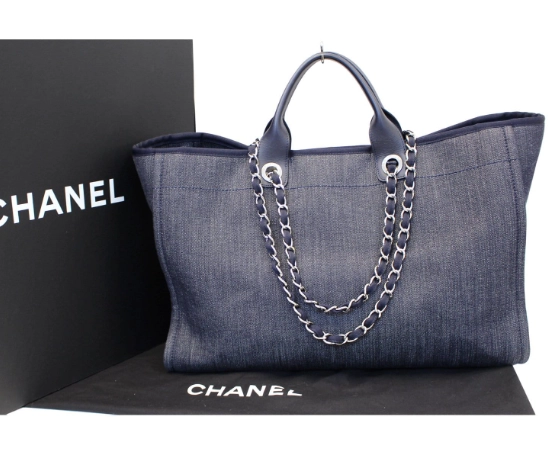
Is a denim bag from Chanel worth the often astronomical price tag? How do you even begin to choose a style? And let's be honest, the fear of buying a fake or ruining a precious item with a single rain shower is very real.
This guide isn't a dry list of specs. It's the conversation I wish I'd had before my first foray into luxury denim. We'll walk through the iconic styles, the practical realities of ownership, and the not-so-glamorous bits nobody talks about. We'll look at why a Chanel denim flap bag can cost as much as a used car, and whether it's a smart buy or just a beautiful indulgence.
The Allure of Denim in the House of Chanel
Chanel and denim might seem like an odd couple. Coco Chanel built her empire on tweed, pearls, and quilted leather. Denim was workwear. But that's precisely the genius. Karl Lagerfeld, in his endless creativity, saw the potential to elevate the everyday. He introduced denim to the Chanel runway not to dilute the brand, but to conquer another frontier of fashion.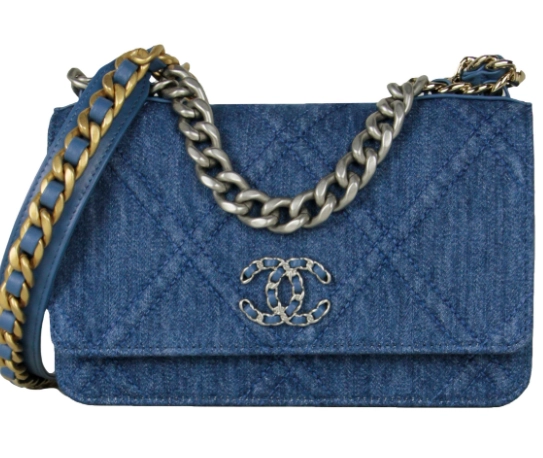
The result is a fascinating contradiction. You have the impeccable Chanel craftsmanship—the perfect chain straps, the iconic CC turn-lock, the meticulous quilting (yes, they often quilt denim!)—applied to a fabric we associate with jeans and jackets. This fusion of high and low is what makes a Chanel denim bag so compelling. It's a statement that you don't take your luxury too seriously, but you still demand the absolute best.
I remember seeing my first vintage Chanel denim backpack in a consignment store window. The denim had faded beautifully, the leather trim was worn in, and it looked like it had a thousand stories. That's the other magic. Unlike leather that can show scuffs as damage, denim often ages with character. A well-loved denim bag develops a patina, a personal history written in faint fades and soft creases.
But it's not all poetic aging. Which brings us to the first big question...
Navigating the Styles: From Classic Flaps to Rare Backpacks
The term "Chanel denim bag" covers a lot of ground. Chanel releases denim pieces in their seasonal collections, meaning styles come and go. However, a few silhouettes have become iconic, recurring in various washes and treatments.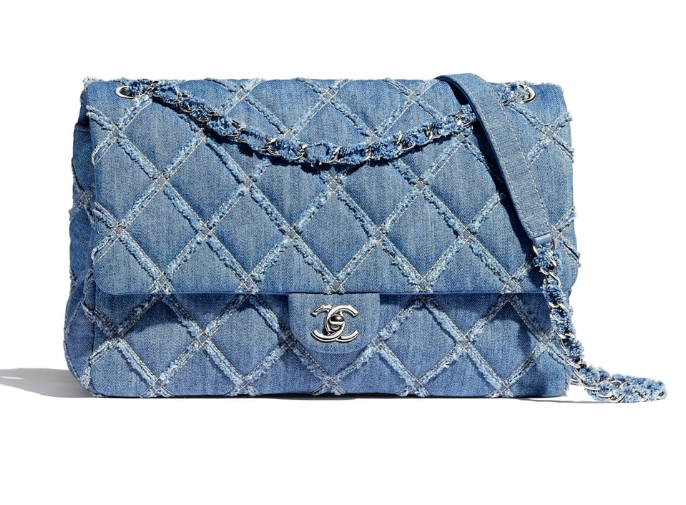
The Classic (But Not "Classic Flap") Shapes
You won't typically find a denim version of the timeless 11.12 Classic Flap in permanent collection. Denim is almost exclusively a seasonal material. But the shapes often mirror the classics.
- The Denim Flap Bag: This is the holy grail for many. It takes the beloved flap silhouette—often a medium or large size—and executes it in denim. You'll find them with classic diamond quilting, chevron quilting, or even plain denim with just the iconic turn-lock. The hardware can be gold-tone, silver, or ruthenium (a dark grey metal), drastically changing the bag's feel. A light wash denim flap bag with gold hardware is pure 2000s nostalgia and highly sought after.
- The Denim Tote: More practical and often more understated. The Chanel Denim Tote, like the Deauville style executed in denim, is a fantastic everyday bag. It's roomy, less fragile than some flaps, and perfect for a more casual, thrown-together look. The downside? It lacks the structured resale value of a flap.
- The Denim Backpack: Arguably the coolest iteration. A Chanel denim backpack combines youthful functionality with luxury. Vintage versions from the 90s and early 2000s are collector's items. They're surprisingly versatile and hands-free, but be warned: the canvas/denim straps on some older models can dig into your shoulders if the bag is heavy.
Understanding Washes, Embellishments, and Rarity
Not all denim is created equal. The value and look hinge on these details.
| Denim Type / Feature | Description & Look | Practical Considerations |
|---|---|---|
| Light Wash / Distressed | Vintage, casual, rock-and-roll vibe. Often seen on early 2000s pieces. | Shows dirt more easily. Distressing can make it feel less "precious." High vintage appeal. |
| Medium / Dark Indigo | Classic, cleaner, more formal (as far as denim goes). Looks newer for longer. | More forgiving with stains. Can sometimes transfer dye (cropping) onto light clothes initially. |
| Embroidered or Embellished | Denim covered in sequins, pearls, floral embroidery, or patches. Often from extravagant Métiers d'Art shows. | Extremely delicate. Dry clean only. Not for daily use. Highest price point and collectibility. |
| Plain (Non-Quilted) | Smooth denim surface, focusing on the fabric and shape. | Less "Chanel-identifiable" from afar. Can look like a premium high-street bag if you don't see the hardware. |
| Quilted Denim | The classic diamond or chevron pattern stitched into the denim. | Adds texture and unmistakable brand identity. The stitching can attract lint. |
See what I mean? A light-wash, distressed, quilted denim flap bag from 2004 tells a completely different story than a dark indigo, plain tote from 2022. Your personal style should lead this choice.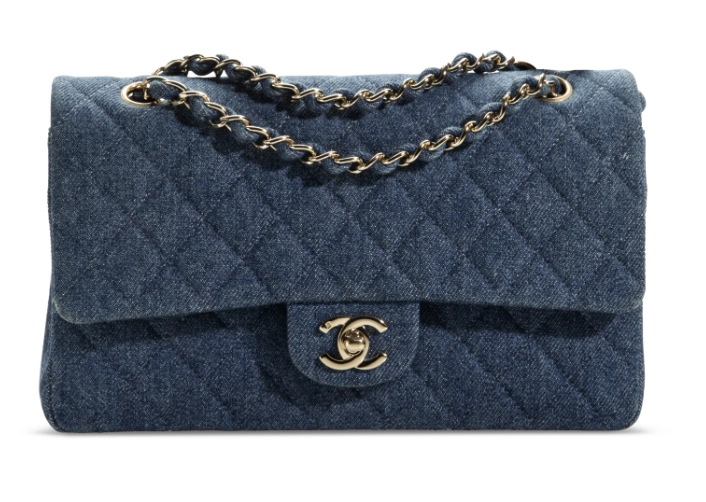
The Price Tag & The Investment Question: Is It "Worth It"?
Let's not skirt around it. A new Chanel denim bag from a boutique can easily range from $4,500 to over $10,000 USD, especially for heavily embellished styles. Pre-owned prices vary wildly based on rarity, condition, and hype.
So, is it an investment? The answer is frustratingly nuanced.
The Case FOR Investment Value:
- Rarity: Denim is not a permanent collection material. Limited runs mean certain styles become highly coveted. That early 2000s denim backpack? It sells for multiples of its original price.
- Cross-Category Appeal: A great denim bag bridges fashion enthusiasts and handbag collectors, potentially widening the buyer pool if you resell.
- Iconic Status: Pieces from famous collections (like the 2008 "Paris-London" Métiers d'Art denim) are blue-chip collectibles in the fashion world.
The Case AGAINST (or, The Reality Check):
- Not a Classic: It will never have the steady, bank-like appreciation of a black lambskin Classic Flap. Its value is trend-sensitive.
- Condition is King (and Cruel): Stains, water marks, or fading in unappealing ways can crater resale value. Denim is less forgiving than leather.
- You're Paying for the Idea: A significant part of the price is for the concept of a Chanel denim bag. The intrinsic material cost is low compared to calfskin or caviar leather.
My personal take? Don't buy a Chanel denim bag purely as a financial investment. Buy it because you are utterly in love with it and will wear it relentlessly. Any value retention should be a happy bonus, not the primary goal. The most "valuable" bag is the one you use.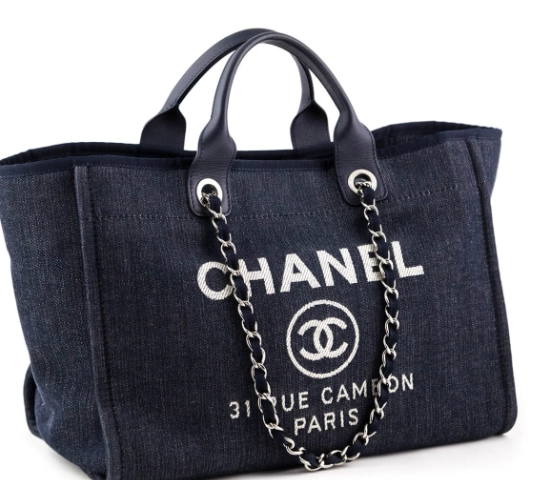
The Day-to-Day Reality: Care, Maintenance, and the Inevitable Scare
Owning one of these bags is a relationship. Here's the unvarnished truth about life with a denim Chanel.
Care Instructions You Must Follow
First, check any care tags or documentation that came with the bag. Chanel's official advice is paramount. Generally, for denim:
- Keep it Dry. Seriously. Water is the enemy. A sudden rain shower can leave permanent dark spots or water rings. Always carry a plastic bag or a foldable tote protector in your bag during uncertain weather. It's not glamorous, but it's smart.
- Store it stuffed, in its dust bag, away from direct light. Light can fade the denim unevenly. Stuffing helps it keep its shape.
- Clean Spills IMMEDIATELY. Use a clean, slightly damp (not wet) white cloth to dab—never rub—any spill. For oil-based stains, you're likely looking at professional help immediately.
- Professional Cleaning Only. Never, ever toss it in the wash or use household cleaners. Find a cleaner who specializes in luxury handbags. Chanel themselves offer a repair and maintenance service, which is your safest bet for major issues.
The Biggest Mistake People Make: Using denim-specific stain pens or sprays from the drugstore. These can set stains permanently or alter the dye. The chemicals are not formulated for the finishes and leather trims on a luxury bag.
What About Wear and Tear?
The denim itself is durable. The weak points are usually the same as on any bag: the corners, the underside of the flap, and the interior. The leather trim (often around the edges and on the chain) will scuff. The chain can tarnish if not stored properly. The interior microfiber or lambskin lining is delicate.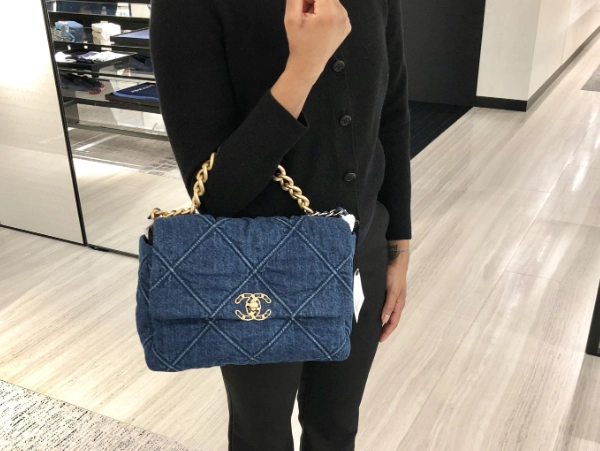
I have a friend who bought a pre-owned denim tote. The denim was perfect, but the interior was a mess of pen marks. It cost her nearly $500 to have the lining replaced. Always inspect the inside as carefully as the outside.
Navigating the Pre-Owned Market: Authentication is Non-Negotiable
Since most denim styles are seasonal, the pre-owned market (on sites like The RealReal, Fashionphile, or reputable Instagram sellers) is where you'll find the most variety. This is also where you can get scammed.
Fakes exist, and they're good. Here’s a simplified checklist, but remember, this is no substitute for a professional.
- The Denim: Authentic Chanel denim is high-quality, usually medium-weight with a tight weave. Stitching should be even, straight, and impeccable. On quilted styles, the diamonds or chevrons should line up perfectly at the seams.
- The Hardware: The weight. Fake chains feel light and tinny. Real ones have heft. The engraving on the turn-lock and CCs should be crisp, clear, and centered. The official Chanel website is a great resource for studying close-ups of current hardware.
- The Leather: Even on a denim bag, there's leather—on the trim, the chain strap, the turn-lock pull. It should feel like quality leather, not plastic.
- The Stitching: Look for the iconic quality. Thread color matches perfectly. Stitch count per inch is high. No loose threads.
- The Serial Sticker / Authenticity Card: This is crucial. The bag should have a matching serial code on a sticker inside (often in a hidden pocket) and on the authenticity card. The font and format of these codes have changed over the years. Resources like the Victoria and Albert Museum's fashion archives can give context on era-specific details, though they don't authenticate.
My rule? Only buy from platforms with a rock-solid, money-back authentication guarantee, or budget an extra $50-$100 to get the bag authenticated by a trusted third-party service after you receive it, during the return window.
Frequently Asked Questions (The Real Ones People Ask)
Can you dress up a Chanel denim bag?
Yes, but with intention. A dark indigo, clean flap bag can work with a little black dress or tailored trousers, especially if the hardware is elegant. A light-wash, distressed tote with a ballgown? Probably not. It leans casual, so use it to edge up a feminine look or keep a tailored look from being too stiff.
What size denim bag should I get?
Think about your life. If it's a daily driver, lean larger (a tote or large flap). If it's a special piece for weekends and events, a small or medium flap is gorgeous. Remember, denim is less structured than quilted leather, so a large tote might sag if overloaded.
How do you clean the inside of a denim Chanel bag?
For the fabric interior, gentle vacuuming with a brush attachment and spot cleaning with a cloth dampened with mild soapy water (dab, don't soak) can work. For leather interiors, use products designed for delicate leathers. When in doubt, professional cleaning is the answer.
Is vintage denim better than new?
"Better" is subjective. Vintage (typically pre-2010) often has more character, unique washes, and may be from a more coveted collection. New offers pristine condition, current styles, and a full set of accessories (dust bag, box, authenticity card). Vintage requires more diligence on condition and authenticity.
Does the color of the denim transfer?
It can, especially with new, dark indigo denim. This is called crocking. It's less likely after the bag has been "broken in" and any excess dye has worn off. To be safe, avoid carrying it against light-colored suede or delicate silk for the first few wears.
Final Thoughts: Should You Pull the Trigger?
Look, a Chanel denim bag isn't a logical purchase. It's an emotional one. It's for the person who sees luxury as part of their lived-in, real life, not just for special occasions.
If you crave the iconic status of a flap but want to break away from the ubiquitous black leather, a denim version is a brilliant choice. If you need a durable, everyday bag that still feels special, a denim tote could be your workhorse. If you collect unique fashion pieces, a rare, embellished denim style is a trophy.
But go in with your eyes open. Know it needs babying. Know its value is fickle. Know that for the same money, you could get a timeless leather piece.
I sold that too-small denim flap, but I later found a perfect medium denim tote from a 2015 collection. It's dark blue, slightly quilted, with ruthenium hardware. It's been with me to farmers' markets, on weekend trips, and even to casual work meetings. It has a small ink stain inside I'll never get out, and the corners are a tiny bit worn.
And I love it more for those imperfections. It feels like mine. That, in the end, is the point.
So, do your research, check those authentication points, and if your heart still skips a beat when you see that perfect Chanel denim bag… well, you only live once. Just maybe keep an umbrella handy.