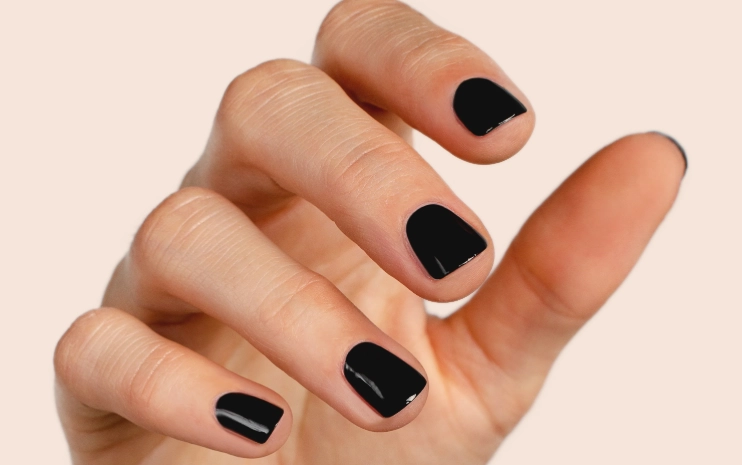
You've seen them all over Instagram and TikTok – nails that look like deep velvet, shimmering cat eyes, or even intricate stripes and waves, all without a single sticker or hand-painted line. That's the magic of magnet nail paint. I remember the first time I tried it. I was equal parts excited and convinced I'd mess it up. The little magnet wand looked like a toy, and I couldn't fathom how waving it over wet polish would create anything but a smudge.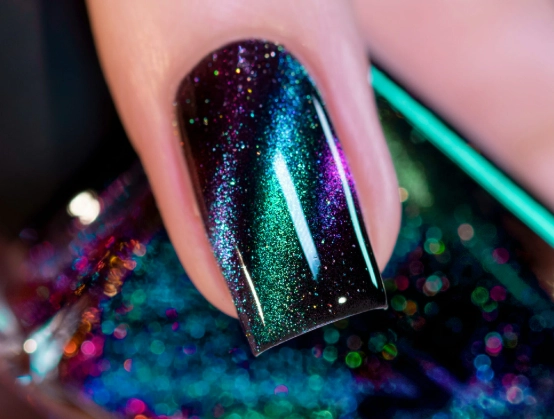
But then it did. The metallic particles swirled and gathered, creating a stark, beautiful line. It felt like a mini science experiment on my fingertips. Now, after countless bottles (and a few learning-curve disasters), I want to break down everything about magnetic nail polish for you. What is it, how does it actually work, and most importantly, how can you get salon-perfect results without leaving your house?
- What Exactly Is Magnet Nail Paint?
- How Does the Magnet Actually Work? A Simple Science Breakdown
- Your Step-by-Step Guide to Flawless Magnetic Nails
- Top Magnet Nail Paint Brands: A Quick Comparison
- Common Problems & How to Fix Them
- Pro Tips & Creative Ideas You Haven't Tried
- Safety & What's Really in the Bottle
- Is Magnet Nail Paint Worth the Hype?
What Exactly Is Magnet Nail Paint?
At its core, magnet nail paint is a specialized nail polish infused with tiny, suspended magnetic particles. Usually, these are fine iron oxide powders. They're what give many magnetic polishes that deeply saturated, metallic base color – think rich blues, purples, blacks, and silvers. The real party starts when you introduce the magnet. It's not magic, but it feels like it.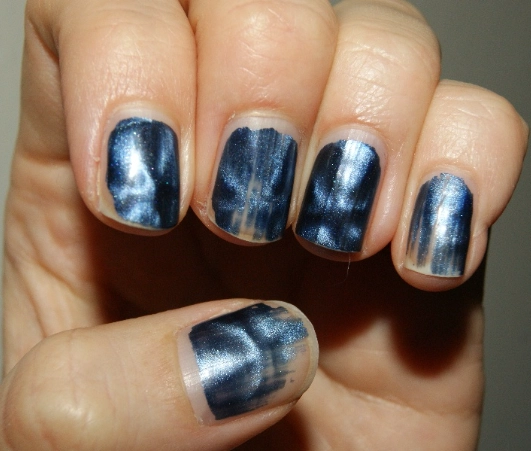
Think of the polish as a soup full of tiny metal filings.
When the polish is wet, those filings are free to move. Hold a strong magnet close to the surface, and the filings are pulled toward the magnetic field. By holding the magnet in a specific position (above, to the side, or using a magnet with a specific pattern cut-out), you can manipulate the particles into concentrated lines, waves, or gradients. Once the polish dries completely, those particles are locked in place, creating the iconic 3D-looking design.
It's different from regular glitter or shimmer polish. In those, the sparkles are randomly distributed. With magnetic nail polish, you have direct control. You're not just applying color; you're sculpting light and dimension on your nail. This is why the results from a good bottle of magnet nail paint can look so professional and complex, even for beginners.
How Does the Magnet Actually Work? A Simple Science Breakdown
I used to wonder if the magnet needed to touch the polish. (It doesn't! Please don't). The key is proximity and patience. The magnetic field needs to be strong enough and close enough to pull the particles, but you must keep it there long enough for the polish to begin setting.
The strength of the magnet matters a lot. The little wands that come with most kits are usually decent, but sometimes they're a bit weak. I've found that investing in a separate, stronger neodymium magnet (the kind used in cabinet closures or old hard drives) gives me much sharper, more defined lines. It's a game-changer for intricate designs.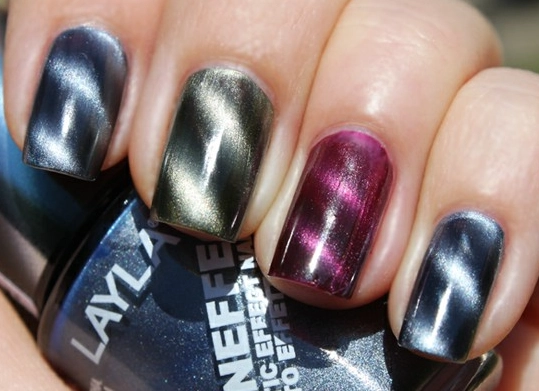
The Different Types of Magnet Wands and Their Effects
Not all magnets are created equal. The shape of the magnet's pole dictates the pattern you get. Most kits come with a standard rectangular or round wand, which pulls particles into a simple line or cat-eye effect. But the real fun starts with specialized magnets.
- The Standard Bar/Rectangle Magnet: This is your classic. You hold it parallel to the nail on the side or above. It pulls the particles into a straight, concentrated stripe. Great for a sleek, modern look.
- The Round/Disc Magnet: Often used for the popular "cat-eye" effect. You hold it directly above the nail, and the particles gather in a circular gradient, like a slit pupil. Very celestial.
- The Wave/Snake Magnet: This magnet has a wavy pattern cut out. It creates corresponding waves in the polish. It's surprisingly easy to use for a dramatic effect.
- The Sunburst/Starburst Magnet: Has lines radiating from a center point, creating a sun-ray pattern. This one is tricky – you need to hold it perfectly still.
You can even find combo packs with 5-10 different magnet heads. My advice? Start with a simple bar magnet to master the technique. The pattern from a basic magnet nail paint with a bar can still look incredibly chic.
Your Step-by-Step Guide to Flawless Magnetic Nails
This is where most people go wrong. Rushing. Magnetic polish is not a slap-it-on-and-go product. It demands a methodical approach. Here’s the process that finally gave me consistent, streak-free results.
- Prep is King (More Than Usual): File, shape, buff lightly, and push back cuticles. Then, dehydrate your nail plate with rubbing alcohol or a dedicated nail prep solution. Any oil or moisture is the enemy of adhesion, and you need this polish to stick perfectly.
- Base Coat is Non-Negotiable: Apply a thin, even layer of a good-quality sticky base coat. Let it dry completely. This provides a grippy surface for the magnetic polish.
- The First Coat of Magnet Polish: Apply your first coat of magnetic nail paint. Make it a medium layer – not too thick, not too thin. Don't use the magnet yet. Let this coat dry for a good 2-3 minutes until it's tacky but not wet. This creates a foundation.
- The Critical Second Coat & Magnetizing: Apply a second, slightly thicker coat. Immediately, within 5-10 seconds, hold your chosen magnet 1-2 millimeters above the nail surface. Do not let the magnet touch the polish. Hold it perfectly steady for 30-60 seconds. Yes, a full minute. This is the most common mistake – not holding it long enough.
- Quick-Dry Top Coat Technique: After magnetizing, wait another 1-2 minutes for the polish to set further. Then, float on a generous layer of quick-dry top coat. Apply it gently in smooth strokes; don't drag the brush back and forth, as this can smear the pattern. The top coat locks everything in and adds glorious shine.
Why does this work? The first tacky coat gives the particles in the second coat something to pull against. The prolonged magnet hold gives the polish time to start drying in that formed pattern. The quick-dry top coat then flash-freezes it all in place.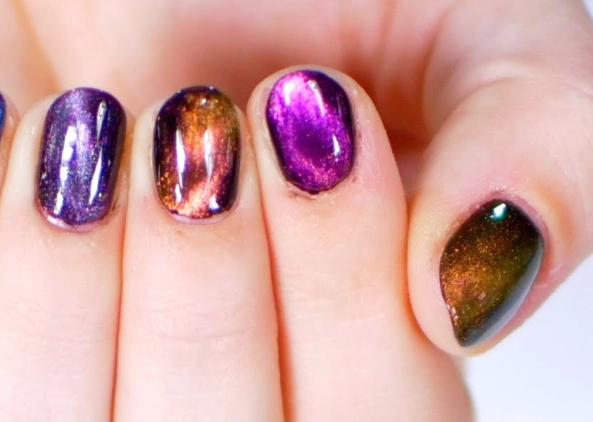
Top Magnet Nail Paint Brands: A Quick Comparison
Not all magnetic polishes are created equal. Some have stronger pigments, better suspension of particles, or more user-friendly formulas. Based on my own trials and consistent chatter in nail communities like those on Reddit's Laqueristas, here’s a breakdown of a few popular ones.
| Brand/Line | Key Feature | Magnet Strength | My Personal Take |
|---|---|---|---|
| Cirque Colors Magnetic | Extreme pigment, unique colors | Very Strong | My top pick for vibrancy. The magnets are great, but the polish is on the thicker side. Requires a light hand. |
| HoloTaco Magnetic Line | Linear holographic effect | Good | For those who love rainbow sparkle. The magnetic effect works best with their linear holos. The bundled magnet is solid. |
| ILNP Magnetic Polishes | Huge color range, good price point | Average | A fantastic place to start. Great value, beautiful colors. The magnet it comes with is okay, but you might want a stronger one. |
| Mooncat Magnetized | Dramatic, witchy aesthetic | Strong | Deep, complex colors. The formula is excellent and the patterns hold well. One of the more consistent performers. |
| Drugstore Brands (e.g., Sally Hansen) | Accessibility & affordability | Variable, often Weaker | Hit or miss. Great for a first-time experiment without a big investment. The magnetic effect is often subtler. Don't expect miracles from the included magnet. |
My personal workhorse is Cirque for special occasions and ILNP for everyday magnetic play. The Mooncat magnet nail paint has never let me down on opacity.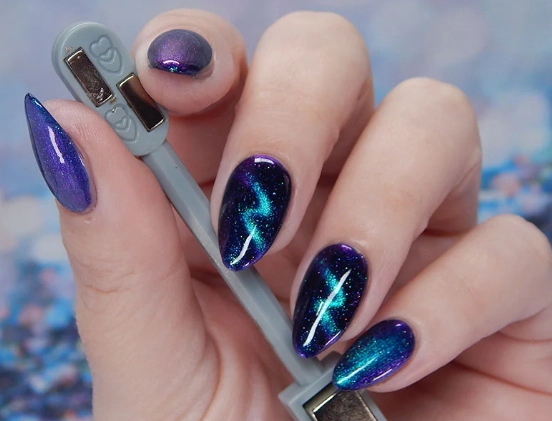
Common Problems & How to Fix Them
You will run into issues. Everyone does. Here’s the troubleshooting guide I wish I had.
Pro Tips & Creative Ideas You Haven't Tried
Once you've mastered the basic line, the world opens up. Here are some ideas to level up your magnetic nail art.
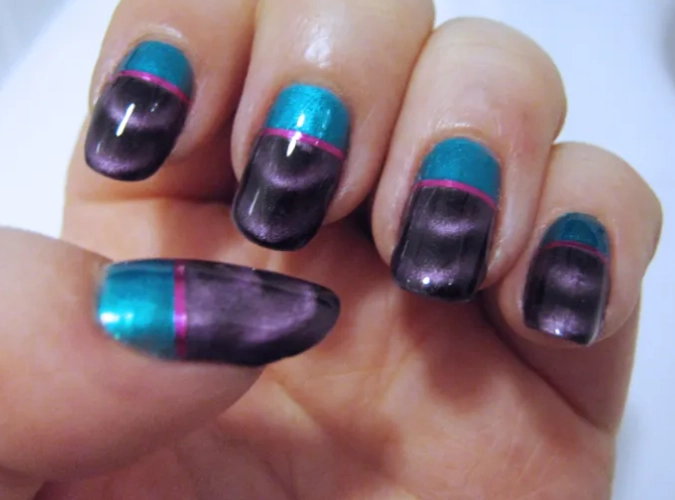
- The Velvet Nail: Use a round magnet held above each nail, but slightly angle it for each finger. It creates a soft, velvety, directional shimmer that's incredibly elegant.
- Double Magnetizing: Apply your second coat and hold the bar magnet on the left side for 15 seconds, then immediately switch and hold it on the right side for 15 seconds. This creates a sharp, contrasting double line. It's stunning.
- Mix with Creme Polishes: Do a base color of a creme polish, let it dry completely. Then apply one thin coat of a sheer or jelly magnetic polish over it and magnetize. You get a mesmerizing, deep effect over a colored base.
- Use on Gel Polish: Yes, there is magnetic gel polish! The process is similar, but you cure under the LED/Lamp while holding the magnet. It requires more coordination but is very durable. The BeautyTech forum has great threads on gel techniques.
Safety & What's Really in the Bottle
This is important. The magnetic particles are typically iron oxides, which are commonly used as colorants in cosmetics and are generally considered safe. However, magnet nail paint is still nail polish. It contains solvents, film-formers, and resins.
Always use in a well-ventilated area. The main safety concern with any nail product is proper ventilation to avoid inhaling fumes. If you have a specific iron allergy (which is rare), you'd want to patch test. For the most part, the safety profile is the same as your standard nail polish. Reputable brands comply with cosmetic regulations. You can check specific ingredient concerns on databases like the one maintained by the U.S. Food and Drug Administration (FDA) for cosmetics.
The magnet itself is harmless. Just don't swallow it or put it near pacemakers or magnetic strips on credit cards.
Is Magnet Nail Paint Worth the Hype?
Let's cut to the chase. Yes, but with a caveat. It's not a quick manicure. It demands time, patience, and a bit of practice. If you're someone who wants a perfect manicure in 10 minutes flat, this might frustrate you.
But if you enjoy the process of nail art, love learning a new skill, and get a thrill from creating something that looks professionally done, then magnetic nail polish is 100% worth it. The cost per bottle is often higher than regular polish, but the transformative effect is unique. No other DIY technique gives you such pronounced 3D-looking effects so reliably.
The learning curve is real, but it's short. Once you understand the rhythm—prep, thin first coat, thick second coat, hold magnet forever, wait, then top coat—it becomes a relaxing, almost meditative ritual. And the payoff, that first time you get a razor-sharp magnetic line, is incredibly satisfying.
So, grab a bottle of magnet nail paint, take a deep breath, and give yourself an evening to play. Start with one accent nail. Follow the steps closely. You might just surprise yourself. The world of magnetic nail art is deep, creative, and waiting for you to dip your brush—and your magnet—into it.