In This Article
- Why the Longchamp Backpack Became a Cult Classic
- Deep Dive: The Different Longchamp Backpack Models
- Picking Your Size: A Critical Decision
- Longchamp Backpack for Travel: The Ultimate Test
- Durability & Care: Will It Last?
- Styling This Backpack: It's Easier Than You Think
- The Sustainability Angle (And the Elephant in the Room)
- The Final Verdict
So you're thinking about getting a Longchamp backpack. Maybe you've seen them everywhere – on the subway, at the airport, slung over the shoulders of seemingly every stylish person in Paris (and now, pretty much every major city). There's a reason for that. But is the hype real, or is it just another trendy bag that'll lose its charm in a season? I've owned a few, worn them to death, and have some strong opinions.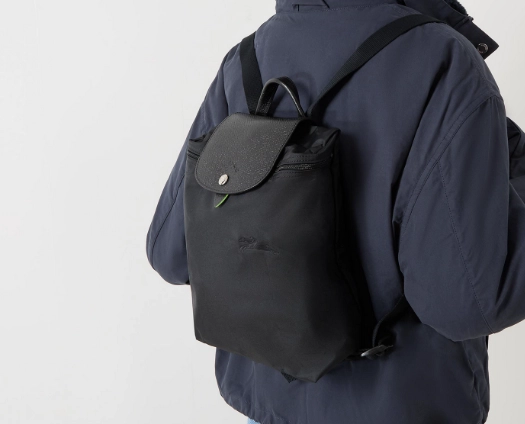
Let's cut through the marketing. We're not just talking about a bag; we're talking about the Longchamp Le Pliage backpack, a specific icon, and its siblings. This isn't a fluffy fashion piece. We're going to talk about nylon, zippers, weight, and whether that hefty price tag for what's essentially a fancy backpack is actually justified for your life.
Why the Longchamp Backpack Became a Cult Classic
It didn't happen overnight. Longchamp, as a French leather goods house, has been around since 1948. But the Le Pliage line, launched in 1993, was the game-changer. The name means "the fold" in French, and that was the genius – a bag that could fold into a flat, tiny square. The backpack version came later, applying the same practical philosophy to a hands-free style.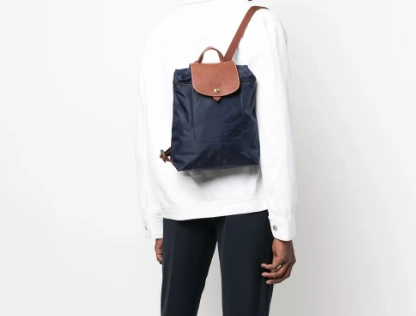
What makes it stick? It's a perfect storm of factors. The design is minimalist to a fault – just a simple shape, a flap, a leather strap, and that iconic horse-and-rider logo. It doesn't have a million buckles or compartments screaming for attention. This simplicity makes it incredibly versatile. You can wear it with jeans and a tee or a smart casual outfit and it just... works. It's the neutral background of the bag world.
But the real secret weapon? Practicality.
The nylon material (they call it "Le Pliage® nylon") is surprisingly tough and water-resistant. A quick wipe cleans up most spills. It's incredibly lightweight, which is a massive deal if you're carrying it all day. And that foldable nature means it's the perfect spare bag for shopping or an impromptu overnight stay. It's a problem-solver.
Deep Dive: The Different Longchamp Backpack Models
This is where people get confused. "Longchamp backpack" isn't just one thing. They've expanded the line, and picking the right one is crucial. Let's break down the main players.
The Icon: Le Pliage Original Backpack
This is the one you picture. The classic shape with the flap closure, leather straps and trim, and the leather horse logo. It comes in multiple sizes (we'll get to that) and a rainbow of colors, from sensible black to bright lime green.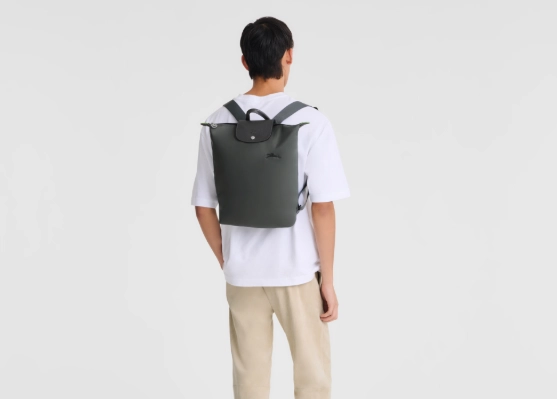
The Good and The Not-So-Good
What I love: The weight (or lack thereof). The packability. The timeless look that never feels outdated. The wide opening makes it easy to find your stuff. The fact that it's a blank canvas for pins and patches if you're into that.
What frustrates me: The lack of internal organization. It's basically a nylon sack. You'll need pouches for your pens, phone, and keys. The leather on the corners, while pretty, can get scuffed and show wear more obviously than the nylon. The smaller sizes have a single main compartment, which can be a black hole for smaller items.
The Modern Sibling: Le Pliage Energy Backpack
A more recent and sportier take. It uses a coated canvas that feels a bit more structured and has a subtle textured finish. The biggest difference? It has a zippered main compartment instead of a flap, and often includes an external pocket or two. The logo is embossed into the material, not leather.
I find the Energy model addresses some of the classic's flaws. The zip feels more secure for crowded places, and that extra pocket is a lifesaver for your transit card or phone. The material seems a tad more resistant to rain. But, it loses a bit of that iconic, slouchy charm. It's a trade-off.
The Luxe Option: Leather Backpacks
Longchamp also makes beautiful, full-grain leather backpacks. These are in a different league price-wise and feel-wise. They're heavier, more structured, and are investment pieces. They're less about packable travel and more about a statement backpack for work or daily luxury. If your Longchamp backpack dream involves buttery soft leather, this is your path, but be prepared for a different care routine and heft.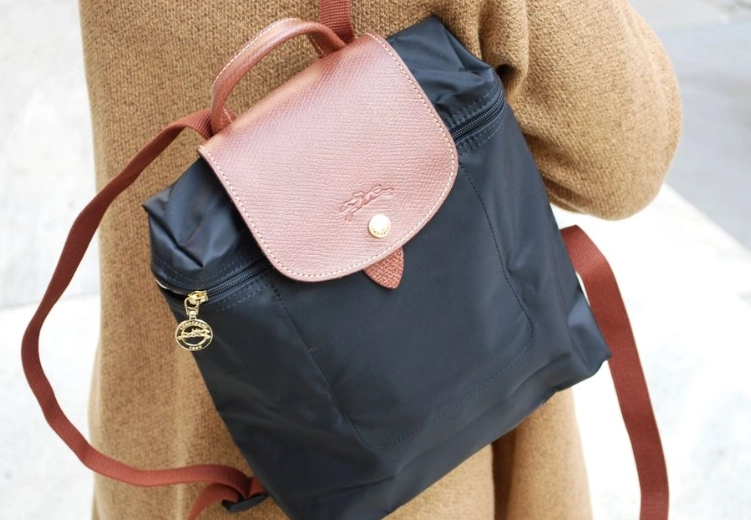
| Model | Best For | Key Feature | Consider This If... |
|---|---|---|---|
| Le Pliage Original Backpack | Everyday casual use, light travel, students | Ultra-lightweight, foldable, timeless look | You value simplicity and packability above all else. |
| Le Pliage Energy Backpack | City commuting, needing more security/organization | Zippered closure, extra pockets, coated canvas | The flap closure of the original makes you nervous. |
| Longchamp Leather Backpack | Work, luxury everyday bag, investment piece | Premium materials, structured shape, sophisticated look | You want a backpack that feels like a handbag and don't mind the weight. |
Picking Your Size: A Critical Decision
Choosing the wrong size is the most common regret. Longchamp's sizing can be deceptive in photos.
- Small/Medium: Often called the "essential" size. Perfect as a daypack for essentials – wallet, phone, small water bottle, sunglasses case. It can look a bit stuffed if you try to force a laptop in. Great for shorter people or as a secondary bag.
- Large: This is the workhorse. It comfortably fits a 13-inch laptop (maybe a slim 14-inch), a notebook, a small umbrella, and your daily stuff. This is the most popular and versatile size for adults. For a true travel backpack experience, this is the minimum I'd recommend.
- Extra-Large: A serious bag. Holds a 15-inch laptop, files, a change of clothes, and more. It's big. On a smaller frame, it can look overwhelming. Ideal if you carry a lot of gear daily or want it as your main personal item on flights.
Longchamp Backpack for Travel: The Ultimate Test
This is a huge reason people search for this bag. Can it handle being a travel backpack?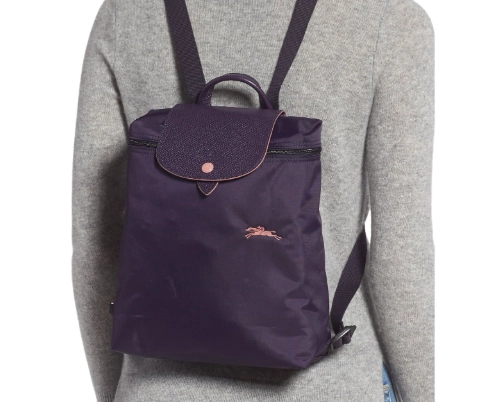
The short answer: Yes, but with caveats.
As a personal item under the airplane seat, it's brilliant. It's soft-sided, so you can squish it to fit into tight sizers. It's light, which matters when every kilo counts. The water-resistant nylon is a savior if your checked bag gets left on the tarmac in the rain. I've used mine for weekend trips alone – packing cubes are a must – and it works.
But it's not a hiking backpack. There's no padded back panel or breathable mesh. The straps are simple and adjustable, but they aren't ergonomically sculpted for 10km of walking. For city-hopping and airport dashes, it's perfect. For trekking, look elsewhere.
Publications like Travel + Leisure often include Longchamp in lists of great travel bags precisely for its packable, lightweight nature. They highlight its role as a superb secondary bag, which is spot on.
Durability & Care: Will It Last?
Let's be real. The corners and the leather straps are the weak points. The nylon is tough, but the painted edges on the leather can chip, and the corners can wear thin if you're really rough. I've had mine for 5 years, and the corners are definitely showing a bit of fraying. It's not falling apart, but it's not pristine.
Is that a bad thing? For some, yes. They want a bag that stays perfect. For me, it adds character. It's a bag meant to be used.
Care tips are simple:
- Wipe clean with a damp cloth and mild soap if needed.
- Let it air dry naturally, never machine dry.
- Stuff it with paper when storing to help it keep its shape.
- Condition the leather straps occasionally with a leather conditioner to prevent drying and cracking.
- Avoid overloading it to the point of strain on the seams.
Longchamp offers repair services, which is a good sign for a brand standing behind its products. You can find details on their official Longchamp website.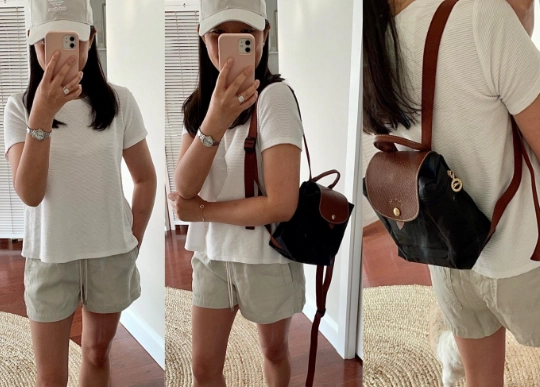
Styling This Backpack: It's Easier Than You Think
The beauty is its neutrality. A black or navy Longchamp Le Pliage backpack goes with everything. But the color is where you can have fun.
A bright red or khaki green can be a fantastic pop of color against neutral outfits. The trick is to treat it like an accessory. If your outfit is busy, a neutral bag works. If you're in all black, a colorful backpack can be the star.
It straddles casual and smart-casual effortlessly. Pair it with a blazer and jeans? Looks intentional. With workout gear? Looks practical. It's that chameleon quality that makes it a wardrobe staple. Fashion outlets like Vogue have often noted how French women use these bags as a foundational, mix-and-match piece, valuing utility alongside style.
The Sustainability Angle (And the Elephant in the Room)
This is a big topic now. Longchamp has made moves. Their leather is sourced from LWG (Leather Working Group) certified tanneries, which is a step towards better environmental practices. The bags are made in France, which for some means higher labor standards and lower transportation miles if you're in Europe.
But let's be clear: the main body is nylon, a synthetic material derived from petroleum. It's not biodegradable. The argument for sustainability here leans on longevity – the idea that you buy one well-made bag and use it for years, not seasons. That "anti-fast-fashion" ethos is part of its appeal. You're not buying a disposable backpack. You're investing in a tool. That's a mindset shift.
Is it the most eco-friendly bag on the market? No. But its durability and timeless design arguably make it a more sustainable choice than buying a new trendy backpack every year.
The Final Verdict
So, after all this, what's the bottom line on the Longchamp backpack?
It's not a perfect bag. It lacks organization. The corners wear. It's a simple design that you're paying a premium for. If you judge a bag purely on features-per-dollar, you might be disappointed.
But that misses the point.
What you're paying for is a specific kind of effortless utility and style that's incredibly hard to find elsewhere. It's the go-to bag when you don't want to think about your bag. It's the reliable spare bag in your suitcase. It's the backpack that doesn't clash with your outfit. It's a design that has remained virtually unchanged for years because it just works.
My advice? If you're curious, try one in person. Feel how light it is. Check the size. Imagine it in your daily life. For a specific person – the urban commuter, the light traveler, the student, the minimalist – a Longchamp backpack isn't just a purchase. It often becomes a loyal companion for years of commutes, trips, and everyday adventures. And that, in the end, is probably why it's still everywhere you look.