Quick Guide
- What Exactly Is Patent Leather? Let's Clear Up the Confusion
- Patent Leather vs. Real Leather: It's Not a Fair Fight
- How to Style Patent Leather Shoes (Without Looking Like a Disco Ball)
- The Non-Negotiable Guide to Caring for Patent Leather Shoes
- Buying Your Perfect Pair: What to Look For
- Frequently Asked Questions (The Real Stuff People Ask)
Let's talk about patent leather shoes. You've seen them. That blindingly glossy, almost liquid-looking finish that catches the light from across the room. Maybe you own a pair, tucked in the back of your closet for "special occasions." Or perhaps you've admired them on someone else but thought, "They look amazing, but aren't they... a lot?" I get it. I used to think the same thing. My first pair of patent leather dress shoes was a gift, and for the longest time, they just sat in the box. They felt too formal, too fragile, too easy to ruin. But then I started wearing them, and honestly? I was wrong about a lot.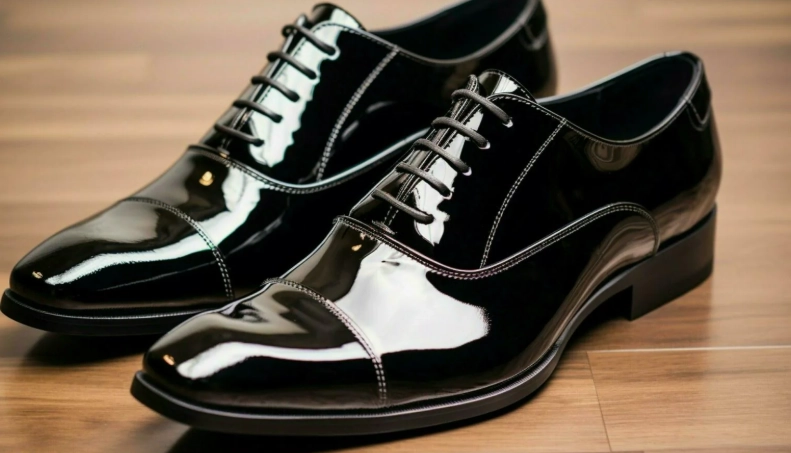
This isn't just about a type of shoe. It's about a material with a surprisingly rich history, a specific set of rules (and myths) for care, and a versatility that most people completely overlook. Whether you're trying to decide if patent leather shoes are right for your next wedding, figure out how to clean a scuff off your favorite pair, or simply understand what makes them different from your regular leather boots, you're in the right place. We're going to get into the nitty-gritty, the good, the bad, and the surprisingly practical world of glossy footwear.
What Exactly Is Patent Leather? Let's Clear Up the Confusion
First things first. That mirror-like shine isn't magic. The term "patent" refers to the finishing process, not the core material itself. Historically, real patent leather was just that—genuine leather (usually calfskin) coated with multiple layers of a lacquer, originally based on linseed oil, which created a hard, waterproof, and highly reflective surface. The process was patented in the late 18th and early 19th centuries, hence the name.
Today, the story is a bit more varied. You'll find:
- Genuine Patent Leather: The traditional kind. A high-quality leather base with a synthetic lacquer topcoat. This is what you'll get from finer shoemakers. It breathes a bit better than its synthetic counterparts because of the leather core.
- Patent Faux Leather (PVC/Vinyl): Very common, especially in fast fashion and more affordable shoes. It's a plastic material molded and finished to look like classic patent leather. The upside? It's often more consistent, cheaper, and can be vegan. The downside? It doesn't breathe at all, can feel plasticky, and might crack differently than the real deal.
- Bio-Based or "Eco" Patent: A newer development. Some brands are using coatings derived from plants or other bio-materials over leather or textile bases to create a similar high-gloss effect with a smaller environmental footprint.
So when someone says "patent leather," they could be talking about three different things. It pays to check the label.
The key takeaway? The "patent" is all about that signature glass-like finish. The material underneath can vary wildly in quality, cost, and feel.
Patent Leather vs. Real Leather: It's Not a Fair Fight
People often ask, "Is patent leather real leather?" and then, "Which is better?" Those are the wrong questions. It's like asking if a sports car is better than an SUV. It depends entirely on what you need it for.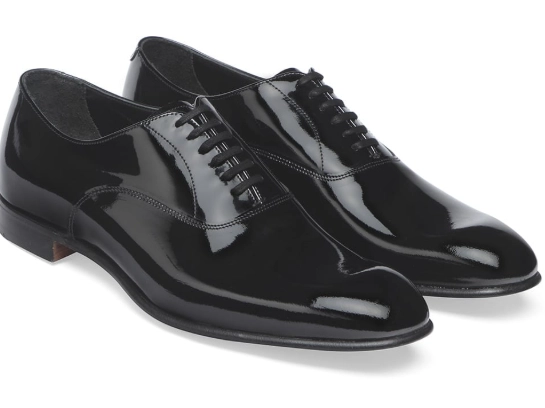
Let's break it down side-by-side. This table should make the core differences crystal clear.
| Feature | Patent Leather | Traditional Full-Grain Leather |
|---|---|---|
| Primary Look | High-gloss, reflective, formal, modern. | Matte to semi-gloss, develops a patina, classic, rugged to refined. |
| Durability | Highly resistant to water & stains on the surface. The coating itself is tough, but can be prone to deep scratches and cracks that are very visible and hard to repair. | Develops scuffs and scratches that often blend into the character of the leather. Can be more easily conditioned and repaired over time. |
| Breathability | Poor (especially if PVC-based). The plastic-like coating traps heat and moisture. | Excellent. Leather is a natural, porous material. |
| Maintenance | Easy surface cleaning with a damp cloth. Specialized care needed to prevent drying and cracking. No traditional polish. | Requires regular conditioning and polishing to maintain health and appearance. Scuffs can be buffed out. |
| Best For | Formal events (weddings, galas), fashion-forward looks, uniforms, rainy days (surface-wise). | Everyday wear, professional settings, boots, shoes that need to mold to your foot and last decades. |
| Cost (Generally) | Can range from very cheap (vinyl) to very expensive (artisanal calfskin patent). | Correlates strongly with quality; good leather is an investment. |
See? One isn't better. They're just different tools. I love my classic leather boots for walking the dog. But for a black-tie event? The sharp, clean lines of a good pair of patent leather shoes are unbeatable. The formality is simply unmatched.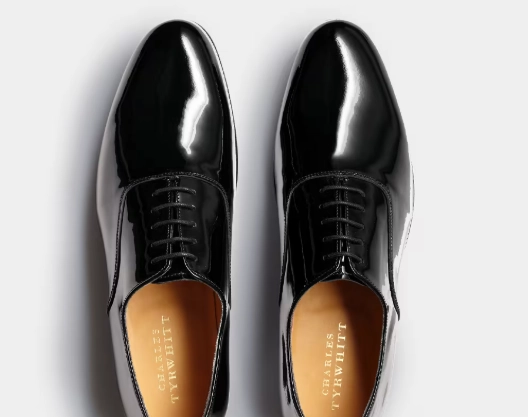
How to Style Patent Leather Shoes (Without Looking Like a Disco Ball)
This is where most people get nervous. That shine can feel intimidating. But with a few guiding principles, you can wear patent leather shoes confidently in more situations than you think.
The Formal Rules: Black Tie and Beyond
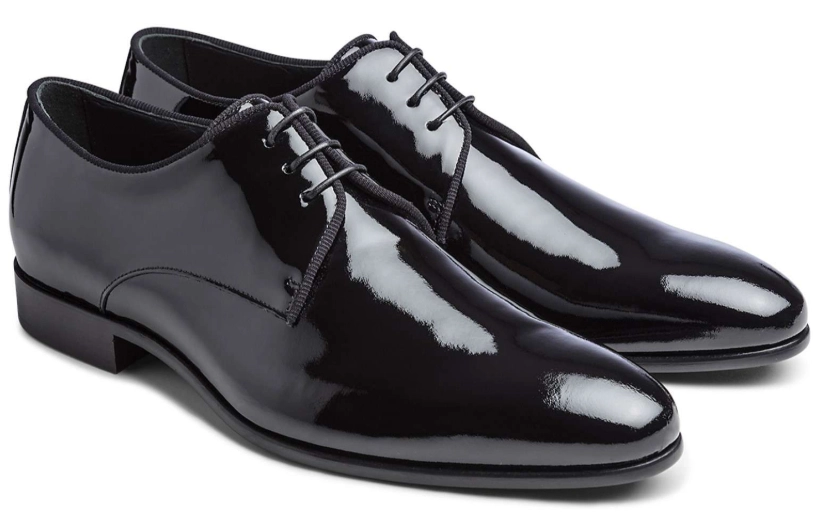
For men, black patent leather oxfords or opera pumps are the de facto standard for white-tie and black-tie events. It's a rule rooted in tradition—that flawless, mirror-like black complements the tailored lines of a tuxedo perfectly. For women, black patent leather heels or flats are a timeless, elegant choice for galas, weddings, and formal dinners. The key here is coordination. Match your patent leather to other black elements in your outfit for a cohesive, sharp look.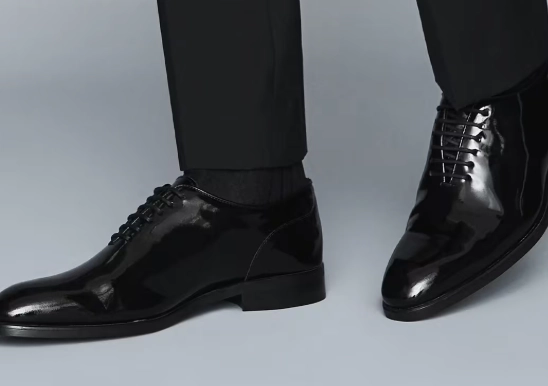
Breaking the Rules: Smart Casual and Fashion Experiments
This is the fun part. Patent leather doesn't have to live in a velvet box.
- Patent Leather Loafers or Derbies: A game-changer. A pair of burgundy or navy patent leather loafers with dark jeans and a crisp button-down? Incredible. It's polished but relaxed. The shine becomes a deliberate, cool accent, not a full-formal statement.
- White or Nude Patent: Fantastic for spring and summer. White patent leather sneakers or sandals look fresh and modern. Nude patent heels are a classic leg-lengthener.
- Color Pop: Don't shy away from red, cobalt blue, or even metallic patent leather shoes. Let them be the star of an otherwise neutral outfit (think a black dress, grey suit, or beige separates).
My personal favorite hack? Black patent leather ankle boots with all-black clothing. The different textures (matte wool, cotton, and the glossy patent) create a monochrome look that's anything but boring.
The Non-Negotiable Guide to Caring for Patent Leather Shoes
If you take away one thing from this entire article, let it be this: You cannot care for patent leather shoes the same way you care for regular leather shoes. Throw out your tin of Kiwi polish. It will ruin the finish.
The glossy coating is delicate in its own way. It can dry out, crack, cloud over, and discolor if treated harshly. Here’s your survival kit and routine.
- A soft, microfiber cloth (or two). This is your best friend.
- A mild soap (like dish soap) or a dedicated patent leather cleaner.
- Patent leather conditioner or protectant. Look for products specifically labeled for patent, vinyl, or PVC. Brands like Collonil and Saphir make excellent, trusted options.
- A soft-bristled brush (for suede-like patent finishes, if you have them).
- NEVER: Standard leather conditioner, polish, alcohol-based cleaners, acetone, or harsh chemicals.
The Basic Cleaning Ritual (After Every Few Wears)
- Wipe Down: Use a dry microfiber cloth to gently remove dust and surface dirt. Often, this is all you need.
- Damp Clean (If Needed): Dampen a second cloth with water and a tiny drop of mild soap. Wring it out completely—it should be barely damp. Wipe the shoe in gentle, straight motions. Never soak the shoe.
- Dry Immediately: Use a dry part of your microfiber cloth to buff the surface completely dry and restore the shine. Let the shoes air dry at room temperature, away from direct heat, for an hour.
Dealing with Scratches and Scuffs
Small, surface-level scuffs can sometimes be minimized by gently rubbing with the pad of your finger (the natural oils can help) or with a tiny, tiny amount of Vaseline on a cotton swab (test on an inconspicuous area first!). For deeper scratches, it's tough. There are patent leather repair kits, but results vary. Prevention is key—be mindful of where you walk.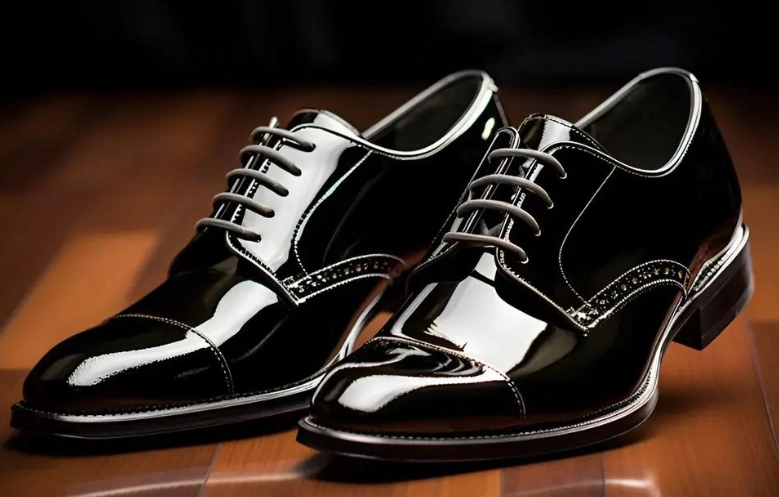
Long-Term Storage
This is crucial. Never store patent leather shoes in plastic bags. The trapped moisture can cause the finish to cloud or mildew. Stuff them with acid-free tissue paper to maintain shape, and keep them in their original dust bags or cotton pillowcases in a cool, dry place. A light application of patent leather conditioner before long-term storage helps prevent the coating from drying out and cracking.
For authoritative information on leather types and general preservation techniques, institutions like The Library of Congress offer great resources, though they focus more on historical bookbinding leathers. For modern shoe-specific finishes, leaning on established shoe care brands' guidelines is your best bet.
Buying Your Perfect Pair: What to Look For
Ready to invest? Don't just click "buy" on the shiniest pair you see. A little scrutiny goes a long way.
Top Considerations Before You Checkout
- Material: Check the product description. Is it "genuine patent leather," "patent finish calfskin," or "high-shine PVC"? Know what you're paying for.
- Construction: Look for Goodyear welted or Blake stitched construction if you want them to be resolable (this is rare but possible with high-end genuine patent leather shoes). Most patent leather shoes, however, are cemented.
- Comfort Lining: Since patent leather doesn't breathe, a quality interior lining (like soft leather or moisture-wicking fabric) is essential for comfort, especially in closed-toe styles.
- The Flex: Bend the shoe gently in your hands. Does the patent finish crack or crease unnaturally at the bending point? A finer finish over quality leather will crease more softly, like regular leather. A thick plastic coat on cheap material might look wrinkly and bad.
A Quick Look at Reliable Brands (Across Budgets)
I'm not going to give you a rigid top 10, because needs vary. But here's a spectrum of where to look, from investment pieces to more accessible options.
For the Investment/Heritage Buyer: Brands like Church's, John Lobb, and Berluti make exceptional patent leather shoes from the finest materials. You're paying for craftsmanship, last shape, and that sublime finish. These are heirloom pieces for formal wear.
For the Style-Conscious Value Seeker: Cole Haan, Allen Edmonds (when they have patent options), and Magnanni often strike a great balance between quality, style, and price. You can find good genuine patent leather here.
For Fashion & Trend-Driven Pieces: Brands like Steve Madden, Sam Edelman, and many contemporary designer labels offer trendy patent leather shoes, often in vinyl. Perfect for a specific look you might not wear for decades, but inspect the finish quality closely.
Remember, the world of footwear is vast. For historical context on how shoes like these fit into fashion history, places like The Museum at FIT have incredible online archives that show the evolution of materials and styles.
Frequently Asked Questions (The Real Stuff People Ask)
- Oxidation: The plasticizers or chemicals in the coating breaking down over time, especially when exposed to UV light (sunlight).
- Poor Storage: Reaction with materials in cardboard boxes or plastic bags.
- Low-Quality Materials: Simply put, cheaper coatings degrade faster.
So, there you have it. Patent leather shoes aren't a mysterious, untouchable category. They're a specific tool with a unique set of strengths, weaknesses, and rules. They command attention, demand specific care, and when chosen and worn right, can elevate an outfit like nothing else. Don't be afraid of the shine. Just respect it, care for it, and have fun with it. Now, go check on that pair in the back of your closet. They might be ready for a second act.