Quick Guide
- What Exactly Are Oran Sandals? More Than Just an 'H'
- The Good, The Bad, and The... Blistery? An Honest Review
- Oran Sandals vs. The Competition: A Quick Reality Check
- How to Style Oran Sandals: From Jeans to Dresses
- Caring for Your Investment: Make Them Last
- Answering Your Burning Questions (FAQ)
- The Final Verdict: Should You Buy Them?
Let's talk about those sandals. You know the ones. The ones you see on every fashion blog, every influencer's feet during summer, and probably sitting in your own online shopping cart right now. The Hermès Oran sandals. They're iconic, no doubt. But here's the thing I kept wondering before I finally bought a pair – are they actually worth it? I mean, it's a lot of money for what looks like a pretty simple leather sandal. Is it just hype, or is there something more to them?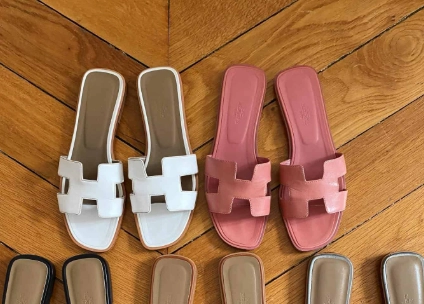
I spent way too much time digging through forums, reviews, and even asked a few friends who owned them. Then I got my own pair. And then another. This guide is everything I wish I had known before buying. We're going beyond the pretty pictures and getting into the nitty-gritty: the fit, the feel, the long-term wear, and whether they truly live up to their legendary status. No fluff, just real talk.
The Short Answer? Oran sandals are a specific kind of luxury. They're not for everyone, and they're definitely not perfect. But if what you're after is a timeless, incredibly well-made leather sandal that molds to your foot and goes with literally everything, they can be a fantastic investment. But let's not get ahead of ourselves.
What Exactly Are Oran Sandals? More Than Just an 'H'
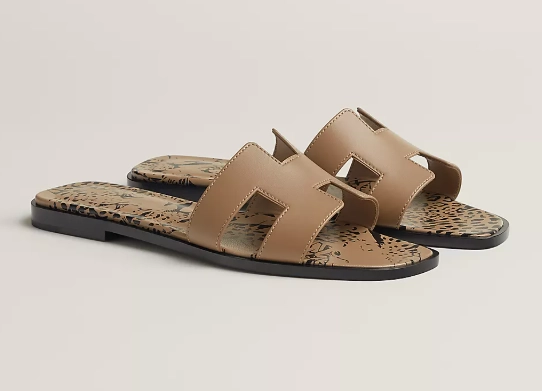
Okay, basics first. The Oran sandal is a design by the French luxury house Hermès. It was first introduced in the late 1990s, which honestly surprised me – they feel very of-the-moment, but that's the sign of a classic, right? The design is deceptively simple: a single leather sole, a slim T-strap that forms a lowercase 'h' over your foot (that's the iconic detail), and an open back. They come in a rainbow of colors, from classic black and gold to bright pinks and greens, and in different leathers like smooth calfskin, grained Evercalf, and even exotic skins.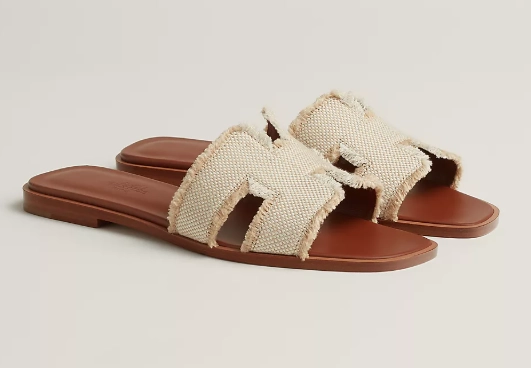
But calling them just "sandals" feels like an understatement. In the world of fashion, they've become a symbol of quiet, understated luxury. You're not wearing a loud logo; you're wearing a recognizable silhouette. That's a big part of their appeal.
The 'H' isn't screaming for attention. It's just there.
You can find the official product page and current collections directly on the Hermès website, which is always the best source for authentic details and materials. Fashion authority Vogue has also featured them countless times in editorial spreads, cementing their status as a wardrobe staple.
The Good, The Bad, and The... Blistery? An Honest Review
Let's break down the actual wearing experience. This is where most reviews either gush or complain, but I think the truth is somewhere in the middle.
Comfort & Fit: The Make-or-Break Factor
This is the number one question: Are Oran sandals comfortable? The answer is... it depends. They're not a cloud-like, memory foam sneaker. The sole is leather and relatively thin, so you'll feel the ground. For me, that's fine for city walking, dinner, casual days. But if you're planning to walk miles on cobblestones, maybe reconsider.
Sizing is TRICKY. Hermès sizing runs notoriously large. I'm a solid US 8 in almost every brand, and I take a 37.5 in Oran sandals. Some friends go down a full size. The best advice? Try them on if you can. If you can't, order two sizes from a retailer with a good return policy. The fit should be snug at first – the leather will stretch.
The breaking-in process is real. The first few wears, the strap across the top of my foot felt stiff. I got a tiny blister on my right foot the first full day I wore them. Not fun. But after maybe 3-4 short wears, the leather softened and molded perfectly to my foot. Now, they feel like they were made for me. That personalized mold is part of the magic, but you have to earn it.
Quality & Durability: Do They Last?
This is where the price tag starts to make a bit more sense. The craftsmanship is impeccable. The stitching is perfect. The leather is thick and high-quality. I've had my black pair for three summers now, wearing them at least once a week from May to September, and they still look fantastic. The sole shows wear, obviously, but it's held up well. I haven't needed a resole yet, but I know it's an option, which extends their life significantly.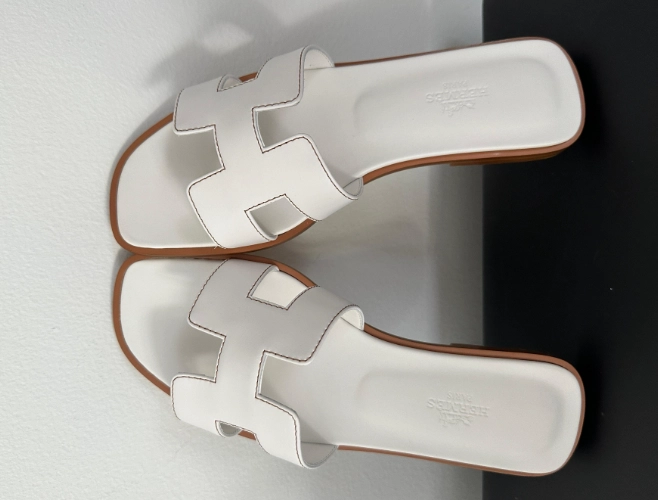
Compare that to a fast-fashion sandal that disintegrates after one season. The value proposition shifts from "cost per item" to "cost per wear." My cost per wear on my Oran sandals is now down to a few dollars, and it keeps dropping.
But it's not all roses. The thin leather sole is not waterproof. A sudden downpour will ruin them if you're not careful. And the light-colored leather can pick up dye from dark jeans or get scuffed. You have to baby them a bit, which is annoying for a sandal.
Oran Sandals vs. The Competition: A Quick Reality Check
It's easy to get stuck in the Hermès bubble. But are there alternatives that give a similar look for less? Absolutely. Let's be practical.
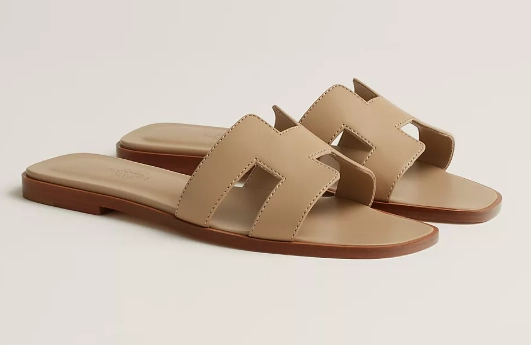
| Brand / Style | Key Similarities | Key Differences | Price Point | My Take |
|---|---|---|---|---|
| Hermès Oran | Iconic H-strap, leather construction, minimalist | Gold-standard leather, prestige, resale value | $$$$ (Luxury) | The original. Unmatched prestige and mold-to-foot feel over time. |
| High-Street Dupes (e.g., & Other Stories, Mango) | Almost identical H-strap silhouette | Pleather or thin leather, stiff straps, poor sole construction | $ (Budget) | Good for a season or a photo. Often uncomfortable and fall apart quickly. |
| Contemporary Designer (e.g., Ancient Greek Sandals, Larroudé) | High-quality leather, artisanal feel, classic styles | Different design ethos (more Grecian, architectural) | $$ (Mid-Range) | Excellent quality for the price. A true alternative if you don't crave the 'H'. |
| Other Luxury Brands (e.g., Chanel, The Row) | Luxury price, high-quality materials, status symbol | Completely different designs (logo, hardware, shape) | $$$$ (Luxury) | You're paying for a different brand aesthetic entirely. Not a direct substitute. |
See what I mean? The Oran sandals sit in their own niche. The dupes copy the look but not the substance. Other luxury brands offer similar status but a different style. If you want *that specific* Oran look and feel, there's really no perfect substitute. But if you just want a great leather sandal, the contemporary designer space is packed with amazing options.
How to Style Oran Sandals: From Jeans to Dresses
This is their superpower. The versatility is insane. Because the design is so simple, they don't fight with your outfit.
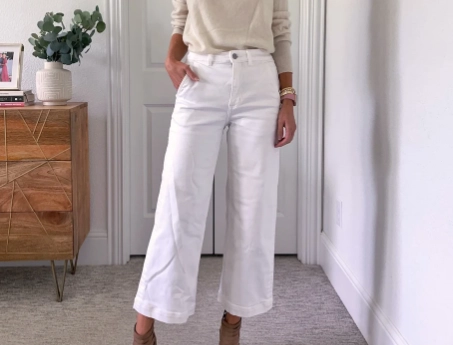
- With Jeans: My go-to. Cropped straight-leg or wide-leg jeans with a simple white tee or a silk tank. The sandals dress up the casual jeans instantly.
- With Midi/Maxi Dresses: Perfect. They add a modern, slightly structured edge to a flowy dress. Avoids the overly boho look.
- With Tailored Trousers: A game-changer for summer workwear (if your office is casual). A pair of linen or crepe trousers with Oran sandals looks chic and pulled-together.
- With Shorts: Keeps it elegant, even with denim shorts. Prevents the outfit from looking too beachy.
Neutral colors (black, gold, white) are the most versatile. A pop color (like red or orange) is a fun statement piece.
Caring for Your Investment: Make Them Last
If you're going to spend this much, you better take care of them. Here's my routine:
- Protect the Soles: This is the most debated tip. Some people swear by getting a thin, clear rubber half-sole put on by a cobbler immediately. It protects the leather from water, rocks, and cement. Others think it's sacrilege. I got it done on my second pair, and I have zero regrets. It makes them way more practical.
- Clean & Condition: Use a soft cloth to wipe off dust. For marks, a leather cleaner specific for fine leathers is a must. Condition them once or twice a season with a quality leather conditioner to prevent drying and cracking. Hermès sells care products, but brands like Saphir are renowned among leather experts.
- Storage: Keep them in their dust bags when not in use. Stuff them with tissue paper to help them keep their shape. Never store them in direct sunlight or a damp place.
- Rain = Danger: Seriously, if it looks like rain, wear different shoes. Water stains on the leather sole are permanent.
Pro Tip: Rotate your shoes! Don't wear the same pair of Oran sandals every single day. Giving them a day off to air out and return to their shape will dramatically extend their lifespan.
Answering Your Burning Questions (FAQ)
I scoured forums and Reddit threads to find what people really want to know.
Do Oran sandals stretch?
Yes, significantly. They stretch widthwise across the top of the foot where the strap is. They do not stretch lengthwise. Buy them snug. If they're loose in the store, they'll be floppy later.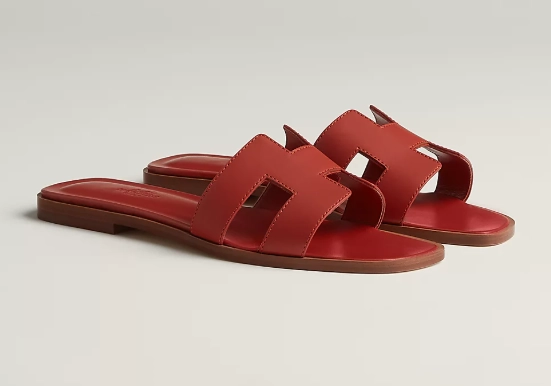
Are they true to size?
No. Almost everyone sizes down. Typically a half size, often a full size. Refer to the Hermès size chart and compare it to your measurements in centimeters, not your usual US size.
Can you wear them with socks?
The fashion world says yes (look at runway shows). In real life? It's a very specific, quirky look. I've done it with invisible no-show socks on a day I knew I'd be walking a ton. It works, but it changes the vibe completely.
What's the difference between the leathers?
Smooth calfskin is classic but shows scratches more. Grained Evercalf (like the popular "Gold" colorway) is more durable and scratch-resistant. Epsom is a grained, stamped leather that's very hardy. Exotics (crocodile, lizard) are a whole other level of price and care.
Are they worth the price?
This is the million-dollar question. They are worth it if: you value timeless design over trends, you appreciate exceptional leather quality, you'll wear them for years, and the cost-per-wear math works for your budget. They are NOT worth it if you're buying just for the logo, if you're rough on your shoes, or if you tend to fall in and out of love with styles quickly.
The Final Verdict: Should You Buy Them?
Look, I'm not here to tell you to drop a huge amount of money on shoes. That's a personal decision. But I can tell you what I learned.
My Oran sandals are one of my most-worn summer items. They go with everything. They make me feel put-together with minimal effort. The leather, now broken in, is supremely comfortable for my foot shape. Knowing I have a beautiful, well-made item that will last for years brings me a weird kind of joy that a disposable trend piece never could.
But I also remember the blister. And the panic when it almost rained. And the initial sticker shock.
If you're on the fence, consider the pre-owned market. Sites like The RealReal or Vestiaire Collective often have gently worn Oran sandals at a discount. It's a lower-risk way to try them. Just make sure you know how to authenticate them.
At the end of the day, Oran sandals aren't a perfect product. But for a certain person looking for a specific blend of minimalist style, luxury craftsmanship, and timeless appeal, they can be a perfect fit. Just maybe go down a half size.