You've found a gorgeous vintage Coach bag at a flea market or inherited one from a relative. It looks great on the outside, but you know the real story—the history, the wear, the secrets—are often hidden inside. Turning your vintage Coach bag inside out isn't just a quirky trick; it's the single most revealing step you can take for its care, authentication, and long-term preservation. As someone who's handled hundreds of these classics, I can tell you that skipping this step means you're only seeing half the picture, and you might be missing critical issues or cleaning it the wrong way.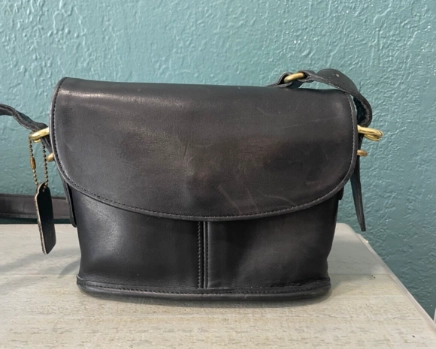
快速导览:本文核心要点
Why Turning Your Vintage Coach Inside Out is a Game-Changer
Think of it as a medical check-up for your bag. The exterior leather might be conditioned and shiny, but the interior holds the truth about its health and history.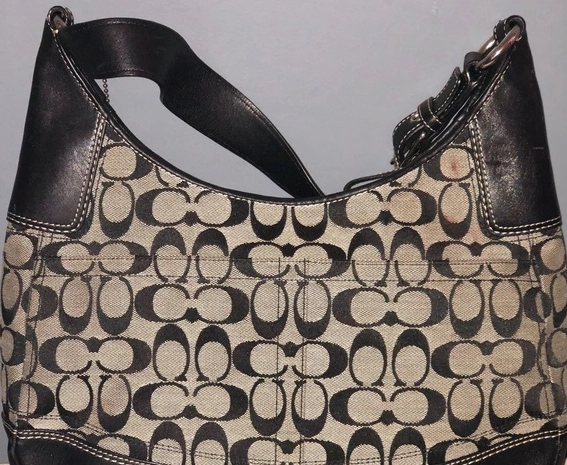
1. Deep Cleaning is Impossible Otherwise
Crumbs, old receipts, dust, and who-knows-what-else accumulate in the corners over decades. Surface wiping is like dusting around furniture without moving it. To truly refresh the bag, you need access. Mold or mildew, a common issue in stored leather goods, often starts in the dark, damp interior. Spotting and treating it early from the inside can save the entire bag.
2. The Golden Rule of Authentication
Forgers often replicate the outside perfectly—the logo, the stitching pattern, the hardware shape. Where they frequently slip up is on the interior details. The stamping of the serial number (its font, depth, and location), the quality and color of the lining fabric, the construction of pockets and seams—these are the telltale signs. The Vintage Fashion Guild's resources often emphasize interior construction for dating and authentication. You can't verify these details without a good look inside out.
3. Assessing Real Damage and Wear
Stains on the lining? A torn pocket? Weak stitching at stress points? These aren't just cosmetic. A failing seam on the inside can lead to a blowout on the outside. Understanding the full extent of wear helps you decide if it's a simple clean-up project or needs professional restoration before you use it daily.
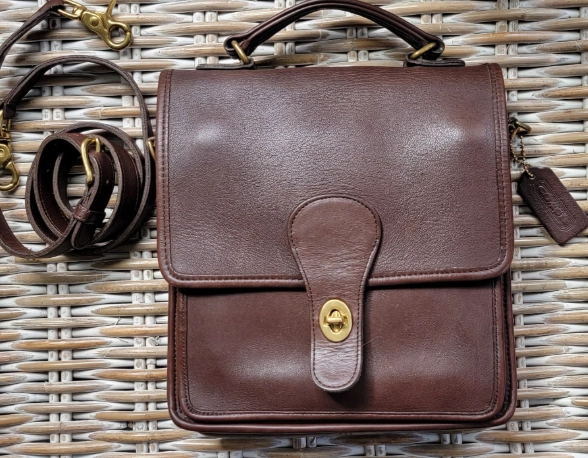
How to Safely Turn Your Coach Bag Inside Out: A Stress-Free Guide
Don't just yank it. These bags are sturdy, but old leather can be dry and brittle. Here's the method I've refined over the years.
Preparation is Everything
Clear a large, clean, flat surface. Gather your tools: a soft cloth, a horsehair brush, a mild leather cleaner, and some distilled water. If the bag is unlined, you can use a cotton swab. Remove all contents. Gently feel the leather—if it's very stiff or you hear cracking, be extra cautious. A light conditioning on the exterior might help first.
The Flipping Maneuver (The Right Way)
Start with the main compartment. Reach inside and grab the bottom-center of the bag from the inside. Gently pull it through the opening, turning the leather as you go. Use your other hand on the outside to guide and support, easing the tension. It should feel like slowly peeling a sock off, not wrestling it. For bags with structured shapes (like the Doctor's Bag or Station Bag), focus on turning the lining out first, then carefully work the leather body. If it resists, stop. Don't force it.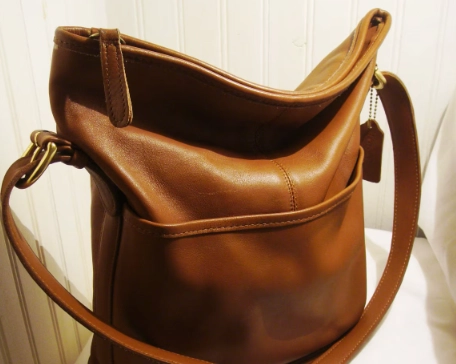
What to Do Once It's Inside Out
- Inspect: Look at every seam, the lining, the leather underside. Note any discoloration, tears, or weak spots.
- Clean: For fabric linings, vacuum gently. Use a soft brush with a tiny bit of your cleaning solution on stains. For unlined leather interiors, use the same gentle cleaner as the exterior. Always test in a hidden spot first.
- Dry Thoroughly: This is critical. Let the bag air-dry completely in its inside-out state in a well-ventilated room, away from direct heat or sunlight. Rushing this step with a hairdryer is a recipe for cracked leather or set-in stains.
Only turn it right-side-out once it's 100% dry to the touch.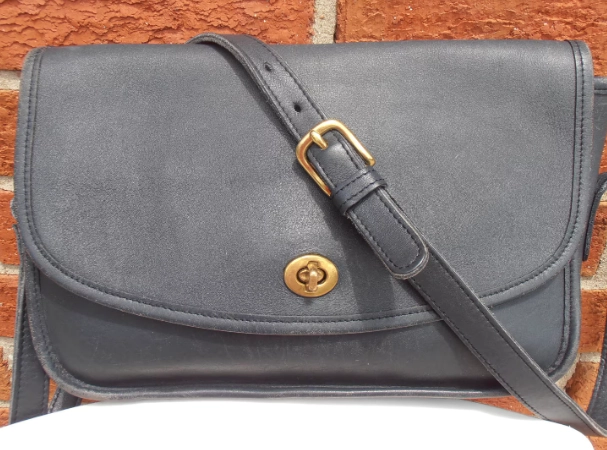
The Top 3 Mistakes Everyone Makes (And How to Avoid Them)
I've seen these errors shorten the life of a beautiful bag. Learn from them.
| Mistake | Why It's Bad | The Right Approach |
|---|---|---|
| Using harsh chemicals or soap | Strips natural oils from leather, dries it out, can discolor fabric linings permanently. | Stick to pH-neutral, leather-specific cleaners or a damp cloth with distilled water. For fabric, a mild upholstery cleaner foam. |
| Forcing a stiff bag to turn | The number one cause of ripped seams or cracked leather. If it fights back, it's telling you something. | If it's resistant, condition the exterior leather and let it absorb for 24-48 hours before trying again. Some very structured vintage bags aren't meant to fully invert. |
| Not drying completely before storing | Trapped moisture is the #1 cause of mold and mildew, which can ruin a bag beyond repair. | Dry for at least 48 hours, maybe more. Stuff with acid-free tissue paper to maintain shape and absorb any residual moisture before storing in a breathable dust bag. |
You Found an Issue. Assessment and Next Steps
Don't panic. Here's how to triage common interior problems.
Mold or Mildew: If it's light and powdery (surface level), take the bag outside. Gently brush off spores with a dry brush. Wipe with a cloth lightly dampened with a 50/50 water and isopropyl alcohol solution (test first!). Dry thoroughly. For heavy, slimy, or penetrating mold, consult a professional restorer immediately—it's a health hazard and deeply damaging.
Ink Stains or Heavy Soiling on Lining: Often, these are part of the bag's charm. Trying to aggressively remove them can damage the fabric. Sometimes, the best approach is to gently clean the area and accept it as a "patina." For a pristine look, a professional liner replacement is an option, though it affects value for purists.
Detached Pocket or Torn Seam: This is a job for a skilled cobbler or leather repair specialist. Don't use household glue or tape—it will make a professional repair later much harder and can stain the leather. A properly stitched repair will be strong and last for years.
Flaking or Sticky Coating on Leather: Some older linings or coated leather can degrade. Light flaking can be carefully removed. A sticky feeling often requires professional stripping and recoating, a specialized process.
Vintage Coach Bag Care: Your Questions Answered
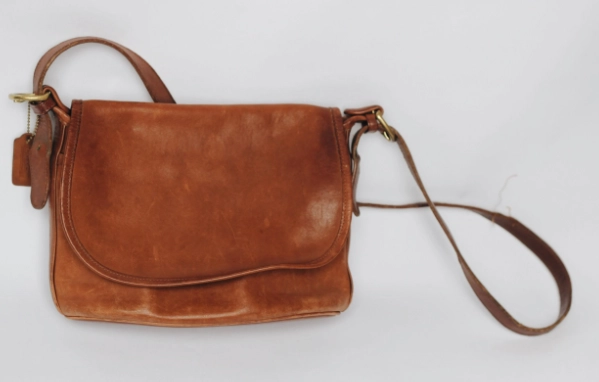
Turning your vintage Coach bag inside out transforms you from a passive owner into an informed custodian. It demystifies the bag's past, equips you to care for its present, and secures its future. That moment of revealing the clean, dry, intact interior? That's the true satisfaction of vintage stewardship. Now go forth, inspect with confidence, and give that classic bag the second life it deserves.