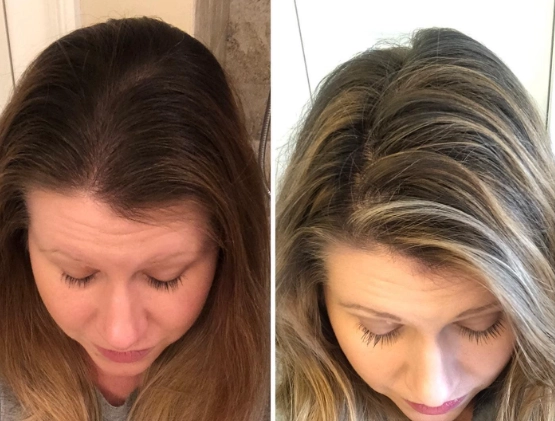
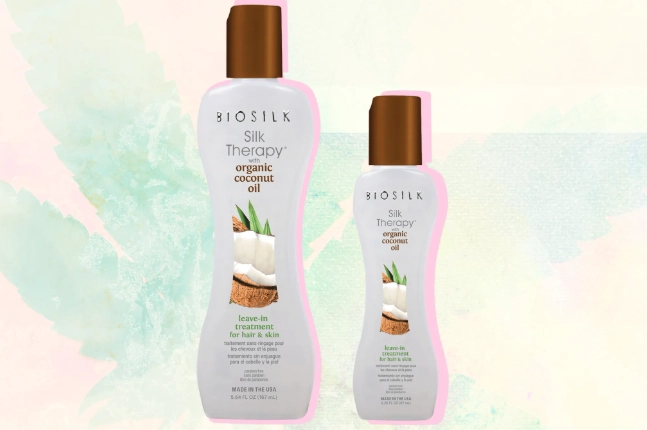
You've seen the ads. Hair that looks like liquid silk, zero frizz, insane shine. The promise of a "silk therapy hair treatment" sounds almost too good. Is it just another marketing gimmick, or is there real science that can turn your dry, frazzled strands into something smoother? After seeing hundreds of clients and testing formulas for a decade, I can tell you it's not magic—but when done right, it's close.
Most articles just tell you it's "good for frizz." Let's dig deeper. Silk therapy works because of hydrolyzed silk protein, a molecule small enough to slip into hair's micro-cracks and large enough to form a protective film on the surface. It's a filler and a shield. The big mistake people make? Thinking it's a heavy protein treatment. It's not. It's lightweight and often ideal for fine hair that gets weighed down by other reconstructors.
What’s Inside This Guide
What Silk Therapy Really Is (And Isn't)
Let's clear the air first. A silk protein hair treatment is a non-chemical, additive conditioning service. Unlike a keratin treatment that breaks bonds to straighten, or a Brazilian blowout that uses polymers to coat the hair, silk therapy is simpler. Its core ingredient is hydrolyzed silk peptide.
Imagine your hair cuticle is like shingles on a roof. Sun, heat, coloring, and brushing rough them up. Hydrolyzed silk protein acts like a skilled roofer. It fills in the gaps between the shingles (the cuticle cracks) and then lays down a smooth, protective layer on top. This doesn't change your hair's natural texture—it just makes whatever texture you have look its most defined, feel its softest, and behave its best.
It's not a "one-time fix" for severely damaged hair. If your hair is elastic and gummy when wet (a sign of extreme protein loss), you might need a deeper reconstructor first. Silk therapy is the brilliant finishing touch.
The Science & Tangible Benefits: More Than Just Shine
Why silk? Silk fibroin, the protein from silkworm cocoons, is rich in amino acids like serine and glycine. These have a strong affinity for hair keratin. According to research on cosmetic biomimetics, this affinity allows for better adhesion and film-forming properties compared to some other proteins.
Here’s what that translates to in your hands:
- Frizz Control That Lasts: The smooth film seals the cuticle, blocking humidity from swelling the hair shaft. Your hair resists puffing up in damp weather.
- Instant Detangling: This is the first thing clients notice. Combs glide through. It's a lifesaver for long hair or kids.
- Brilliance Without Weight: The film reflects light uniformly. You get high-gloss shine without the greasy or coated feel of heavy silicones.
- Strength Through Reinforcement: It doesn't add protein inside the hair like a treatment for breakage might. Instead, it binds to the surface, acting like a flexible "exoskeleton" that reduces snap from brushing and styling.
- Color Protection: By sealing the cuticle, it helps prevent color molecules from washing out. Treated color looks richer and lasts longer.
A quick note from experience: The biggest benefit no one talks about is manageability. Hair dries faster, styles with less heat, and holds a style better because it's not fighting against a rough, porous surface. It saves you time every single morning.
The Step-by-Step Salon Process: What You're Paying For
If you book this at a salon, here’s exactly what should happen. A proper service takes 60-90 minutes and costs between $50 and $150, depending on your location and hair length.
1. The Consultation & Wash: A good stylist will assess your hair's dryness and porosity. They'll use a clarifying or gentle shampoo to clean the canvas. No heavy conditioners at this stage.
2. The Application: This is key. The silk treatment cream is applied section by section, from roots to ends, on towel-dried hair. It shouldn't be slapped on. Every strand needs an even coat. This is where expertise matters—saturation is everything.
3. The Processing: You'll sit under a steamer or a hood dryer for 15-25 minutes. Heat is non-negotiable. The warmth opens the cuticle slightly and drives the silk protein deeper into the hair shaft. Without this step, you're just getting a surface mask.
4. The Rinse & Style: They'll rinse it out thoroughly with cool water to lock the cuticle shut, sealing the protein in. Then, a quick blow-dry. You'll feel the difference immediately—the slip, the lack of static, the mirror-like finish.
What's Actually in the Bottle? A Breakdown
Not all silk therapies are equal. Look for these ingredients on the salon menu or product label:
>| Key Ingredient | What It Does | What to Be Aware Of |
|---|---|---|
| Hydrolyzed Silk Protein | The star. Small protein fragments that penetrate and film-form. | Should be high on the list. "Silk amino acids" is also good. |
| Hydrolyzed Wheat/Corn Protein | Often blended with silk for a multi-protein repair effect. | Great for added strength. Not a red flag. |
| Cyclopentasiloxane/Dimethicone | Silicones that give immediate slip and seal. | Common. Provides the initial "wow" feel. Can build up over time if not clarified. |
| Panthenol (Pro-Vitamin B5) | Humectant that adds flexibility and hydration. | A great supporting player. Prevents the treatment from making hair stiff. |
| Fragrance/Parfum | Makes it smell luxurious. | Can be an irritant for sensitive scalps. Ask if you're concerned. |
Your At-Home Maintenance & Product Guide
The salon treatment is the intensive cure. Home care is the maintenance plan. To make the results last 6-8 washes, your product lineup needs a shift.
The Golden Rule: Ditch Sulfates. Sodium Lauryl Sulfate (SLS) is a harsh surfactant that strips away the silk protein film. Use a gentle, sulfate-free shampoo. Brands like Pureology, Redken, or even a good drugstore option like Love Beauty and Planet work.
Weekly Masking: Once a week, swap your conditioner for a silk hair mask. Apply it from mid-lengths to ends, leave it on for 5-7 minutes, and rinse. This tops up the protein layer. Don't overdo it—once a week is plenty for most hair types.
Heat Protection is Non-Negotiable: Now that your hair is smooth and sealed, protect that investment. Always use a heat protectant spray before blow-drying or using hot tools. A light spray with silk amino acids is perfect.
My Personal At-Home Cocktail: For a quick refresh, I mix a pump of a leave-in conditioner with 2 drops of pure argan oil. I spray it on damp ends before air-drying. It mimics that silky feel on non-wash days.
Answering Your Top Questions
Here are the questions I get asked most often in the chair, answered without the fluff.
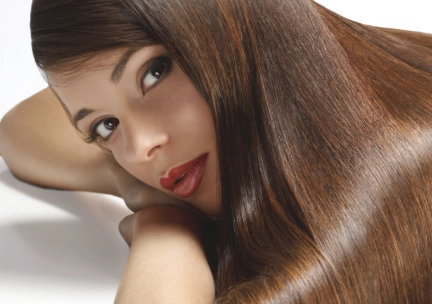
So, is silk therapy worth it? If you're battling frizz, dullness, or tangles and want a healthy-looking boost without chemical commitment, the answer is a solid yes. It's not a miracle for split ends—only a haircut fixes those. But for transforming the daily feel and look of your hair, it's one of the most underrated services in the salon. Start with a professional treatment to see the full potential, then maintain it with smart at-home care. Your hair will thank you.