Let's cut to the chase: a good bag isn't just an accessory; it's your daily companion that holds your life together. I've seen too many guys lug around mismatched totes or overstuffed backpacks that scream "I gave up." After a decade of testing bags from cheap knockoffs to luxury brands, I'll walk you through everything—types, how to pick, and what actually works.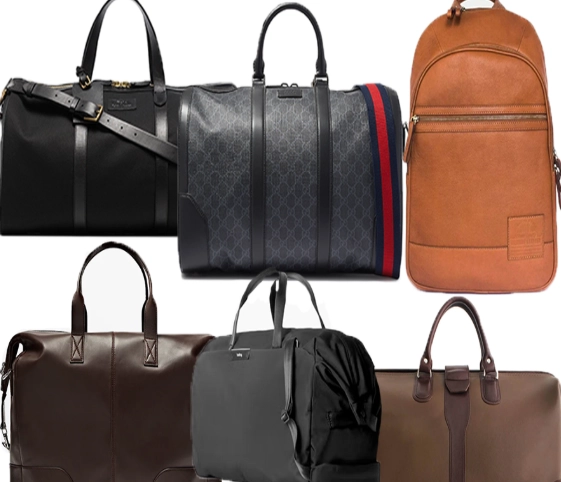
What's Inside This Guide
The Main Types of Bags Every Man Should Know
You wouldn't wear sneakers to a wedding, right? Same logic applies here. Each bag has a purpose, and mixing them up leads to frustration.
Backpacks: The All-Rounder
If you're commuting, hiking, or just need hands-free convenience, a backpack is your best bet. Look for ones with padded laptop sleeves (fit up to 16 inches), water bottle pockets, and sternum straps for weight distribution. I used a generic backpack for years until the zipper gave out during a rainstorm—lesson learned.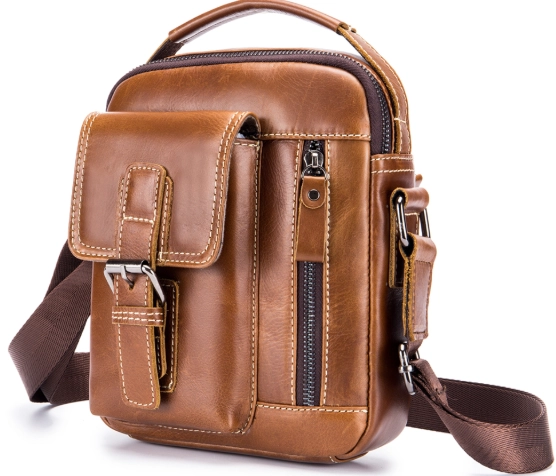
Popular options include the Patagonia Refugio for durability and the Aer Tech Pack for urban tech carry. Avoid oversized models unless you're traveling; they encourage overpacking.
Messenger Bags: The Urban Classic
Messenger bags sling over one shoulder, offering quick access for city dwellers. Great for tablets, notebooks, and a light jacket. But here's a nuance: if you carry heavy items, the uneven weight distribution can strain your back over time. I switched to a backpack after developing shoulder pain from a loaded messenger bag.
Brands like Timbuk2 and WaterField Designs excel here, with waxed canvas or ballistic nylon that ages well.
Tote Bags: The Minimalist's Choice
Totes are open-top bags, perfect for quick errands or a day at the beach. They're lightweight and stylish, but security is a concern—pick ones with zippered compartments. I once lost my keys from an open tote on a crowded train. Not fun.
Duffel Bags: For the Traveler
Weekend trips or gym sessions call for a duffel. Go for water-resistant materials like polyester or nylon, with separate shoe compartments. A common oversight: lack of structure. Floppy duffels are hard to organize. The Patagonia Black Hole Duffel solves this with sturdy fabric and multiple pockets.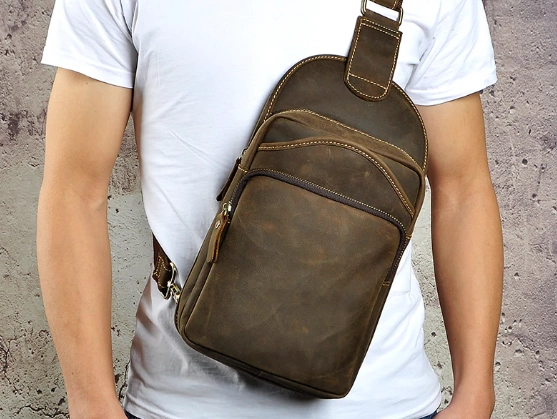
Briefcases: The Professional's Edge
For formal settings or client meetings, a briefcase projects competence. Leather is classic, but synthetic options like Bellroy's Venture Briefcase offer weather resistance. My take? Don't overspend on a briefcase if you rarely use it. A $300 bag can last decades with minimal wear.
How to Choose the Right Bag: A No-Nonsense Approach
Choosing a bag isn't rocket science, but most men skip the basics. Let's break it down.
First, define your use case. Are you carrying a laptop daily? Traveling weekly? Jot down your typical load: laptop size, water bottle, gym clothes, documents. I made a spreadsheet once—overkill, but it helped me realize I needed a bag with a separate wet pocket.
Material matters more than you think. Leather looks great but requires maintenance. Nylon or polyester are durable and water-resistant. For example, Cordura nylon, used by brands like GoRuck, can withstand abrasion better than cheap polyester. Check the denier rating—higher means tougher fabric.
Comfort is non-negotiable. Try the bag with weight inside. Padded straps, breathable back panels, and adjustable lengths make a difference. I returned a trendy bag because the straps dug into my shoulders after an hour.
Organization vs. simplicity. Some bags have pockets for everything; others are cavernous. If you tend to lose items, opt for more compartments. But too many pockets can waste space. A good balance: a main compartment, laptop sleeve, front admin panel, and side pockets.
Budget realistically. You can get a decent bag for $50-$100, but expect to replace it sooner. $150-$300 is the sweet spot for quality. I've seen $500 bags that aren't any better than $200 ones—sometimes you're paying for the logo.
Pro tip: Visit a store like REI or a local boutique to feel the bags in person. Online photos don't show texture or weight. I bought a bag online that looked sleek but felt like cardboard in hand.
Top Picks: Bags That Deliver on Their Promises
Based on my testing and community feedback, here are bags that actually work. No fluff.
- For Daily Commute: The Aer Flight Pack 3. It's a backpack that converts to a briefcase, with a clamshell opening for easy packing. Priced around $200, it fits a 16-inch laptop, has water-resistant zippers, and doesn't scream "tech geek." I've used it for two years, and the seams are still tight.
- For Travel: The Peak Design Travel Backpack. At $300, it's pricey, but the compression system and hideable straps are genius. It expands from 35L to 45L, perfect for carry-on. Downsides? It's heavy when empty, but the organization is worth it.
- For Minimalists: The Bellroy Lite Tote. Weighs nothing, packs into its pocket, and has a zippered closure. Around $80, it's ideal for grocery runs or beach days. I keep one in my car for emergencies.
- For Professionals: The Tumi Alpha 3 Briefcase. Yes, it's expensive ($400+), but the ballistic nylon and lifetime warranty justify it if you travel frequently. I've seen these bags survive airline abuse that destroyed cheaper options.
Don't just take my word. Check reviews on sites like Carryology or Pack Hacker for in-depth comparisons. They often highlight durability tests that brands don't advertise.
Common Mistakes and How to Dodge Them
I've messed up plenty, so learn from my errors.
Mistake 1: Prioritizing style over function. A sleek leather bag might look good, but if it lacks padding for your laptop, you'll regret it. I bought a designer messenger bag that scratched my MacBook—a $200 repair bill later, I switched to a practical backpack.
Mistake 2: Ignoring weather resistance. Living in Seattle taught me this. A light drizzle can ruin electronics. Look for bags with treated fabrics or built-in rain covers. The North Face Borealis Backpack has a rain cover that stows away, a feature many overlook.
Mistake 3: Overpacking. Bigger bags tempt you to fill them. Stick to your essentials. I used to carry cables I never used, adding unnecessary weight. Now, I do a weekly purge of my bag's contents.
Mistake 4: Neglecting maintenance. Even durable bags need care. Clean zippers with a brush, avoid overloading, and store them properly. I left a canvas bag in a damp garage, and mold spots appeared. A simple airing out would have prevented it.
Here's a non-consensus view: many "top 10" lists recommend bags based on popularity, not long-term use. I've found niche brands like Greenroom136 from Malaysia offer customizations that big brands don't, at similar prices. It's worth researching beyond the mainstream.
Your Burning Questions Answered
Final thought: your bag should make life easier, not harder. Test it, adjust, and don't be afraid to swap if it doesn't fit. Share your experiences in the comments—I'd love to hear what works for you.