I still remember my first pair of real gold hoop earrings. I saved up for months, walked into a jewelry store feeling fancy, and ended up with something that turned my ears green after two weeks. Turns out, they were gold-plated brass. That mistake taught me more about gold than any textbook could. If you're looking for real gold hoop earrings that last, you're in the right place. This guide cuts through the noise—no fluff, just practical advice from someone who's been there.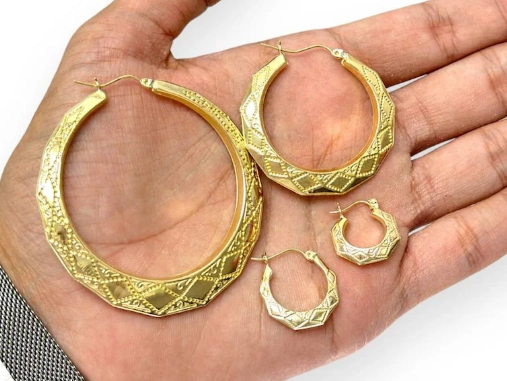
What's Inside This Guide
- Why Real Gold Hoop Earrings Are a Wardrobe Staple
- Decoding Gold Karats: What 10K, 14K, and 18K Really Mean
- How to Spot Fake Gold Hoops: A Practical Checklist
- The Style Spectrum: From Minimalist to Statement Hoops
- Caring for Your Investment: Cleaning and Storage Do's and Don'ts
- Frequently Asked Questions (FAQ)
Why Real Gold Hoop Earrings Are a Wardrobe Staple
Let's be real—hoop earrings never go out of style. But why spend on real gold? It's not just about bling. Real gold hoops hold value over time, unlike fashion jewelry that tarnishes. They're hypoallergenic for most people, which means no more itchy ears after a long day. I've worn my 14K gold hoops through workouts, showers (accidentally), and years of travel, and they still look brand new. That durability is something you can't get with plated versions.
Think of real gold hoops as an investment piece. According to the World Gold Council, gold jewelry retains intrinsic value, making it a smart buy if you're conscious about sustainability. Plus, they pair with everything—a t-shirt, a formal dress, you name it. My friend Lisa calls hers 'lazy day elevators' because they instantly make any outfit look put-together.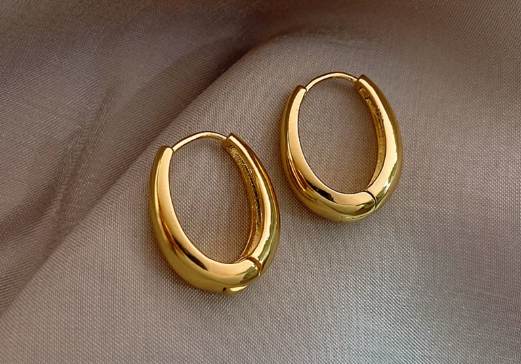
Decoding Gold Karats: What 10K, 14K, and 18K Really Mean
Karats measure gold purity. Higher karat means more pure gold, but it's not always better. Here's a breakdown I wish I had before buying:
| Karat | Gold Purity | Best For | Price Range (approx.) |
|---|---|---|---|
| 10K | 41.7% gold | Budget-friendly, durable for active wear | $50 - $200 |
| 14K | 58.5% gold | Everyday use, balance of luxury and strength | $100 - $500 |
| 18K | 75% gold | Special occasions, richer color, softer feel | $200 - $1000+ |
14K is the sweet spot for hoop earrings. It's durable enough to handle daily wear without losing shape, unlike 18K which can bend easily. I made the mistake of buying 18K hoops once—they looked gorgeous, but after a few months, the hoop wasn't round anymore. Stick with 14K if you're like me and forget to take jewelry off before bed.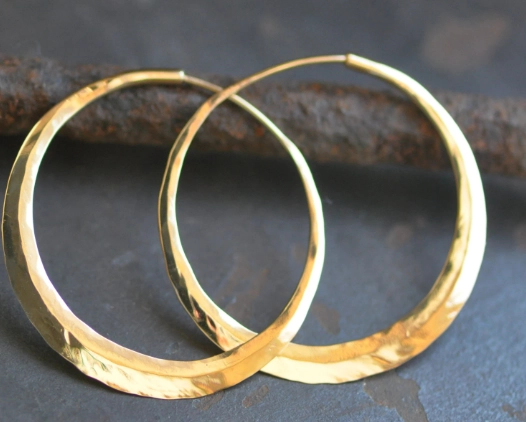
Pro tip: Don't just focus on karat. Check the alloy metals too. Some 10K gold uses nickel, which can cause allergies. Always ask for nickel-free options if you have sensitive skin.
How to Spot Fake Gold Hoops: A Practical Checklist
Fake gold is everywhere, especially online. Here's a quick checklist I use when shopping:
- Look for hallmarks: Real gold should have stamps like '14K', '585', or '750' on the earring post or inside the hoop. If it's missing, be suspicious.
- Magnet test: Gold isn't magnetic. Hold a magnet near the earring—if it sticks, it's likely plated steel.
- Ceramic test: Rub the earring on unglazed ceramic (like the back of a tile). Real gold leaves a golden streak; fake gold leaves black.
- Weight and feel: Real gold has a heft to it. Fake hoops often feel light and hollow.
I learned this the hard way from a marketplace purchase. The hoops looked perfect online, but in person, they felt cheap. Trust your instincts—if a deal seems too good to be true, it probably is. For reliable sources, I stick to reputable jewelers or brands with certifications, like those from the Responsible Jewellery Council.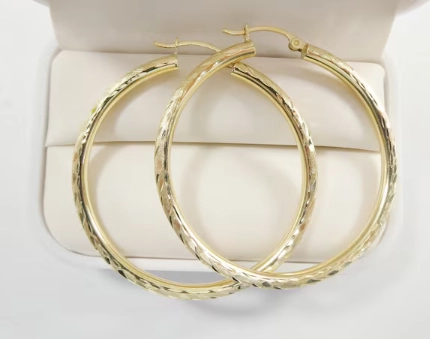
The Style Spectrum: From Minimalist to Statement Hoops
Gold hoop earrings come in endless styles. Choosing the right one depends on your face shape and lifestyle. Here are three common types:
Classic Thin Hoops
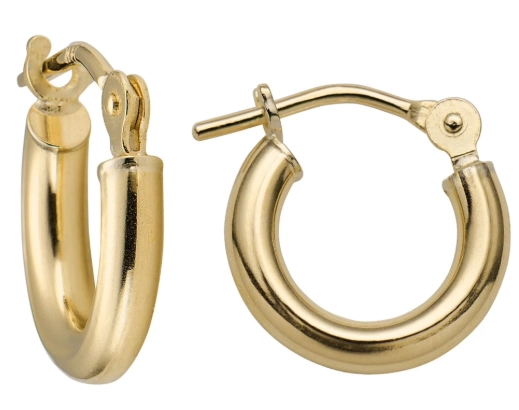
These are subtle, usually under 1 inch in diameter. Perfect for everyday wear. I wear thin 14K gold hoops almost daily—they're lightweight and don't catch on hair. If you have a round face, go for slightly larger thin hoops to elongate your features.
Huggie Hoops
Huggies are small hoops that 'hug' the earlobe. They're secure and great for active people. My yoga instructor swears by them because they don't swing during workouts. Look for huggies with a secure clasp to avoid losing them.
Oversized Statement Hoops
Big, bold hoops make an impact. Ideal for nights out or adding flair to simple outfits. But beware—oversized hoops in real gold can be heavy. I tried a pair once and my ears ached after a few hours. Opt for hollow designs if you want statement pieces without the weight.
Mixing metals is trending now, but for real gold hoops, I recommend sticking to one tone (yellow, white, or rose gold) to maintain value. Rose gold, for instance, uses copper alloys that can tarnish over time if not cared for properly.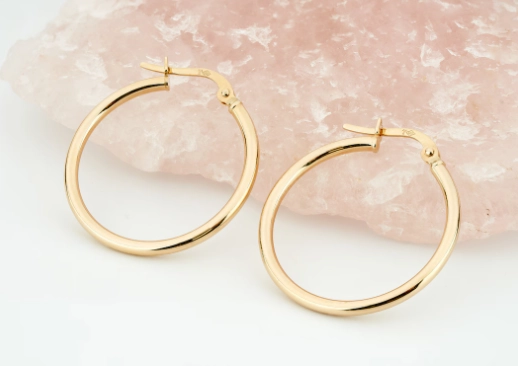
Caring for Your Investment: Cleaning and Storage Do's and Don'ts
Real gold is low-maintenance, but neglect can dull its shine. Here's my routine:
- Cleaning: Monthly, I soak my hoops in warm water with a drop of mild dish soap for 15 minutes. Gently scrub with a soft toothbrush, rinse, and dry with a microfiber cloth. Avoid harsh chemicals—bleach ruined a pair of my earrings once.
- Storage: Keep them in a soft pouch or a jewelry box with separate compartments. Don't toss them loose in a drawer; they can scratch or tangle.
- Wear care: Put on earrings after applying makeup and perfume. Chemicals in cosmetics can react with gold over time.
A common mistake I see is using ultrasonic cleaners for gold hoops with gemstones. It can loosen settings. Stick to manual cleaning for safety.
Frequently Asked Questions (FAQ)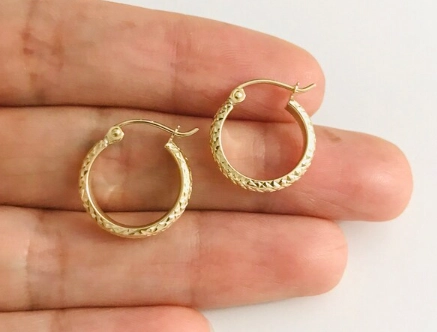
Finding the perfect real gold hoop earrings takes a bit of knowledge, but it's worth it. Start with 14K gold for durability, check hallmarks, and care for them well. They'll last you decades—mine have. If you have more questions, drop a comment below. Happy shopping!