You know the feeling. You're getting ready for a big event—maybe a wedding, a date, a presentation where you want to feel powerful. You pull out that bottle of black cherry nail polish. It's the color of a deep, expensive wine, of a winter night, of quiet confidence. You paint one nail. It looks... okay. You paint another. Suddenly there are streaks, the color looks uneven, and a tiny drop has flooded your cuticle. The vision is crumbling. I've been there. As someone who's painted thousands of nails (my own and others'), I can tell you that mastering black cherry isn't about having a steady hand. It's about strategy.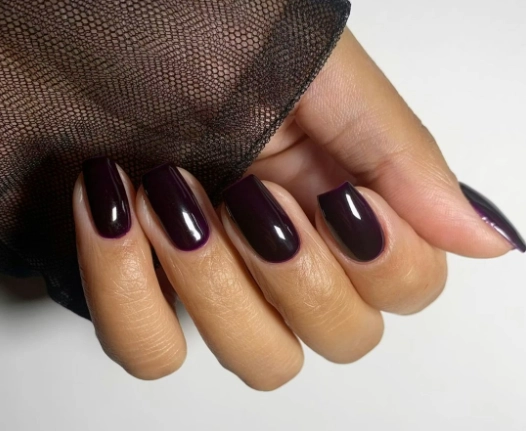
What's Inside: Your Quick Path to Perfect Black Cherry Nails
What Exactly Is "Black Cherry"? (It's Not Just Dark Red)
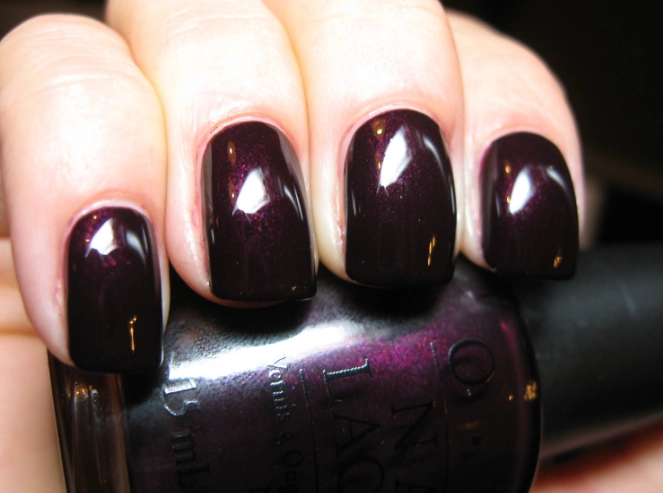
Let's clear this up first. When people search for black cherry, they're often imagining a very specific thing. It's not burgundy (which is redder), not oxblood (which is browner), and certainly not black. True black cherry sits in a delicious middle ground. It's a deep, darkened red with strong purple or violet undertones. In low light, it can look almost black. In sunlight, those plum and wine notes come alive.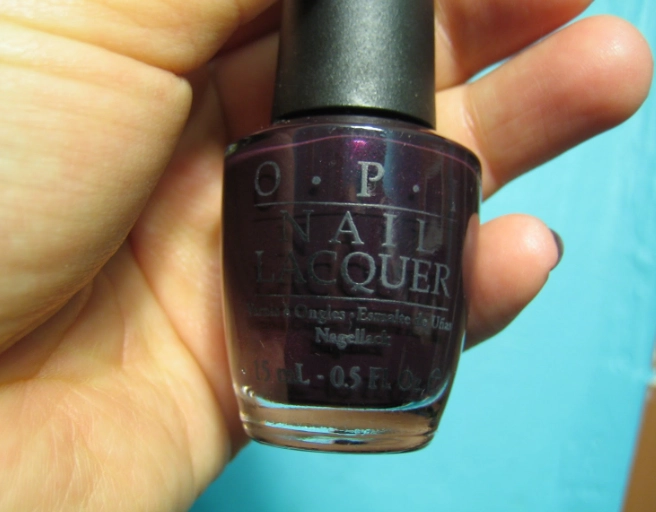
This complexity is why it's so flattering. The purple-blue base can make skin look brighter and teeth whiter, while the depth adds a sophisticated edge that a plain red can't match. A report on color psychology in fashion often cites deep reds and purples as conveying a sense of luxury and authority—think of a velvet curtain in an old theater.
But here's the non-consensus bit everyone misses: the finish changes everything. A glossy black cherry is classic and vampy. A matte black cherry? It becomes modern, soft-focused, and somehow less intimidating. A jelly finish (sheer and squishy-looking) gives a stained-glass effect that's surprisingly wearable. Most tutorials talk about the color but ignore the finish, which is half the battle.
How to Choose the Right Black Cherry Polish for You
Not all black cherries are created equal. Standing at the drugstore rack, they can all look the same. They're not. Your choice depends on your goals: ease of application, longevity, or specific visual effect.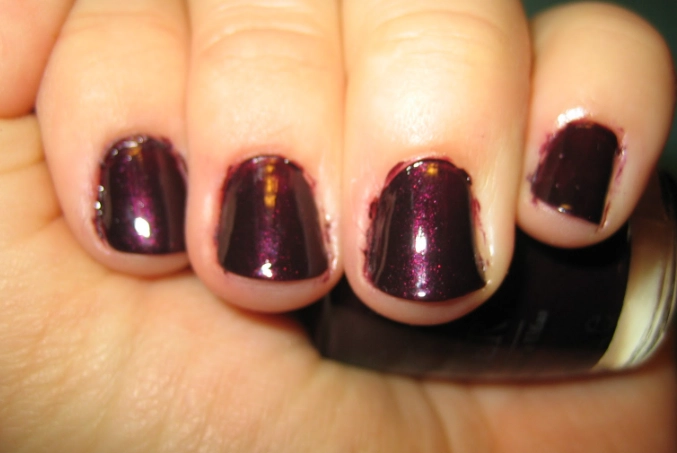
I've made the mistake of buying a cheap one because the color in the bottle was perfect. It applied thinly, needed four coats to be opaque, and chipped in a day. Lesson learned.
Pro Tip: Always look at online swatches on real nails, not just the brand's promo shots. Search for "[Brand Name] black cherry swatch" and look for photos in natural light. Skin tone changes how the color pulls.
Here’s a breakdown of types, based on my own shelf and constant testing:
>| Polish Type | Best For | Application Notes | Brand Examples (for reference) |
|---|---|---|---|
| Classic Cream | Everyone, especially beginners. Delivers opaque color in 2 coats. | Forgiving formula, minimal streaks. Dries to a high-shine finish. | OPI "Lincoln Park After Dark", Essie "Berry Naughty" |
| Metallic/Shimmer | Adding dimension, hiding minor imperfections. | The shimmer particles can sometimes make application trickier. Let each coat dry fully. | Chanel "Rouge Noir" (has a subtle sheen), Sally Hansen "Wine Not" |
| Gel-Effect (5+ day wear) | Longevity seekers who don't want UV lamps. | Thicker formula. Can be goopy if old. Requires a specific top coat from the same line. | Revlon ColorStay Gel Envy, Maybelline SuperStay 7 Days |
| Professional/Luxury | Flawless one-coat opacity, unique undertones. | Higher pigment load, self-leveling formulas. The brush is usually superior. | Deborah Lippmann "Ruby Red Slippers", Smith & Cult "Bitter Buddhist" |
If you have short nails, lean towards creams or mattes. Shimmers can make them look busier. For longevity, the gel-effect systems are hard to beat, but they can be a pain to remove.
The Step-by-Step Guide to a Flawless Application
This is where most blogs give you the basic "apply thin coats" advice and call it a day. Let's get into the nitty-gritty that actually matters for a dark, unforgiving color like this.
Prep is 90% of the Game
Wash your hands with soap to remove oils. Don't use lotion right before. Push back your cuticles gently. Lightly buff the nail surface to remove shine—this gives the polish something to grip. Wipe each nail with a cotton pad soaked in pure acetone or alcohol. This dehydrates the nail and removes the final layer of dust and oil. This step is non-negotiable for dark polishes. Skipping it is the #1 reason for premature chipping.
The Painting Technique No One Talks About
Shake your polish well, then roll the bottle between your palms to warm it and disperse bubbles. Uncap it.
Here's the critical part: how you load the brush. Pull the wand out, and wipe one side of the brush clean against the neck of the bottle. The other side should have a generous, but controlled, bead of polish. This gives you enough product to cover the nail in three strokes without flooding the cuticle.
Place the bead about 2mm above your cuticle. Gently push it down to meet the cuticle, then stroke up to the free edge. Do this for the center, then the left side, then the right side. Don't go back over areas that are starting to dry. If you miss a tiny spot at the cuticle, leave it. It's less noticeable than a gloopy fix.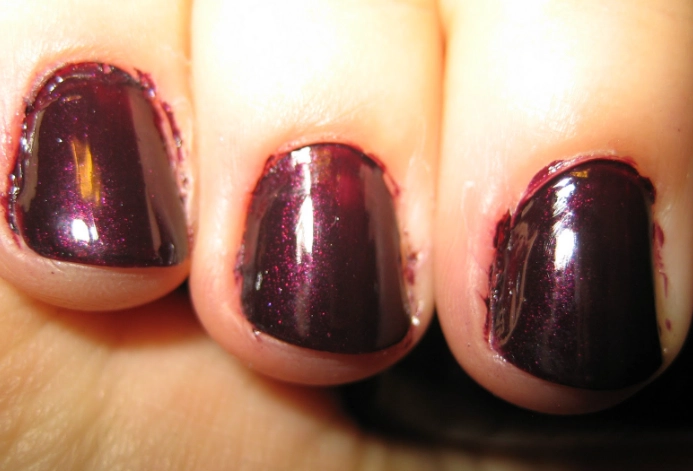
Wait two full minutes. Set a timer. The first coat will look pathetic and transparent. That's fine.
Apply the second coat the same way. This is where the magic happens and the color becomes fully opaque.
Sealing the Deal
After the second coat is touch-dry (about 5 minutes), apply a generous coat of quick-dry top coat. Wrap the tip by running the brush along the very edge of your nail. This seals the polish and prevents tip wear. I prefer a top coat like Seche Vite or INM Out the Door for their deep gloss and speed.
Expert Tricks to Make Your Manicure Last a Week
You didn't go through all that trouble for a two-day manicure. Here’s how the pros extend the life.
- Re-top coat every other day. A fresh layer of top coat every 48 hours fills in micro-wear and restores shine. It's a game-changer.
- Wear gloves. For washing dishes, cleaning, anything involving hot water and chemicals. This is the single most effective thing you can do.
- Oil your cuticles nightly. Use jojoba or cuticle oil. This keeps the nail plate flexible and hydrated, preventing the polish from cracking as your nail naturally bends.
- If a chip appears early, don't pick. Use a small brush dipped in polish remover to clean up the chip's edges, then fill it in with a tiny drop of color and a dab of top coat. It's a patch job, but it works.
Fixing Common Black Cherry Polish Problems
Even with perfect technique, dark polishes have their quirks.
Problem: Streaks and Bald Spots.
Cause: Polish is too thick or you're overworking it before it self-levels.
Fix: Add a few drops of polish thinner (not acetone) to the bottle. Apply your three strokes and then leave it alone. Don't go back over it.
Problem: Cuticle Flooding.
Cause: Too much polish on the brush or starting too close to the skin.
Fix: That angled eyeliner brush dipped in acetone is your best friend. Clean up immediately after each nail. If you wait, you'll smudge the whole thing.
Problem: Yellow Stains After Removal.
Cause: Pigments have penetrated the nail plate. A good base coat prevents 95% of this.
Fix: If it happens, lightly buff the surface stain. It will grow out. You can also use a whitening pencil under the nail tip to counteract the yellow visually.
Problem: It Looks Too Dark or Gothic.
Cause: The finish or your outfit.
Fix: Try a matte top coat over it. It instantly softens the look. Or, use black cherry as an accent nail with neutral colors.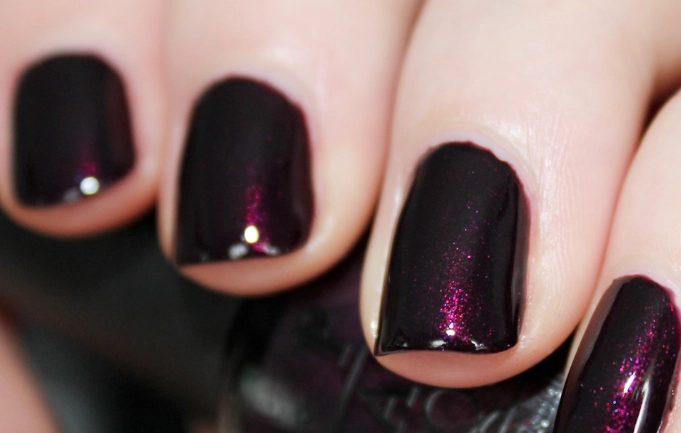
Black cherry nail polish isn't just a color; it's a commitment to a specific kind of elegance. It demands a bit more attention during application but pays you back tenfold in compliments and that deep, quiet confidence. Forget the fear of it being "too much." With the right prep and technique, it becomes your secret weapon—polished, powerful, and perfectly you.