Let's be real. The dry shampoo aisle is a minefield of white dust, weird scents, and cans that run out halfway through your root touch-up. I've tried them all. So when I heard about Badlands Dry Shampoo Paste—a solid, jar-based formula promising to absorb oil without the powder storm—I was skeptical but intrigued. After six months of testing it on my thick, wavy hair (and pestering friends with fine, straight hair to try it), I have thoughts. This isn't a miracle product, but it solves specific problems in a way sprays simply can't.
What's Inside
What Exactly Is This Stuff?
Badlands Dry Shampoo Paste is a concentrated, waxy balm housed in a small jar. You scoop out a tiny amount, warm it between your fingers, and massage it directly into your roots. The idea is that the paste absorbs sebum (your scalp's natural oil) on contact, providing texture and lift without any visible residue. It's a stark contrast to the aerosol cloud or powder puff of traditional dry shampoos.
The brand positions it for "all hair types," but that's where my experience diverges. It works phenomenally well for certain scenarios and falls flat for others. Its core strength is targeted application. Got oily bangs but dry ends? A greasy crown after a workout? This is your tool. It's not designed for lazily spraying your entire head on day four.
The Ingredient List, Decoded
Looking past the marketing, the formula tells the real story. The base is a blend of clays (like kaolin) and starches (tapioca)—classic oil absorbers. Then come the waxes (beeswax, candelilla wax) that give it that paste consistency and provide hold. There are some nice skin-friendly additions like squalane and bisabolol to soothe the scalp.
A note on "clean beauty": Badlands markets itself as a clean brand. The paste is free from sulfates, silicones, and synthetic fragrances. If you're sensitive to heavy perfumes, the mild, earthy scent is a major win. However, "clean" doesn't always mean non-comedogenic for the scalp. The wax content, while great for hold, can build up if you don't wash your hair thoroughly. According to the Environmental Working Group (EWG), some waxes have a moderate comedogenic rating, meaning they could potentially clog pores for very acne-prone individuals.
This is the subtle error most reviews miss: treating it like a pure absorbent. It's also a styling product. The wax gives grit and texture. That's fantastic for adding volume to limp roots, but it means you must wash it out with a clarifying shampoo, not a gentle daily one.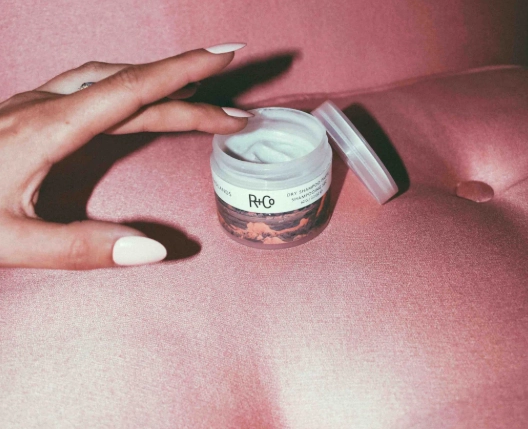
How to Apply It (The Right Way)
This is where most people fail. You can't just glob it on.
The Step-By-Step Method That Actually Works
1. Start with less than you think. Use the tip of a makeup spatula or clean fingernail. We're talking half a pea-sized amount for a section.
2. Emulsify it completely. Rub it vigorously between your fingertips for 10-15 seconds. The heat from your hands is crucial. It should turn from opaque to nearly translucent.
3. Press, don't rub, into roots. Press your fingertips into the oily root area. Use a gentle, patting motion to work it in. Do NOT drag it down the hair shaft—that's how you get waxy, greasy-looking strands.
4. Let it sit, then brush. Wait two minutes. Then use a boar bristle brush or a fine-tooth comb to gently distribute any excess and break up any slight tackiness.
The rookie mistake? Skipping the emulsification step. If you see a white streak, you didn't warm it up enough.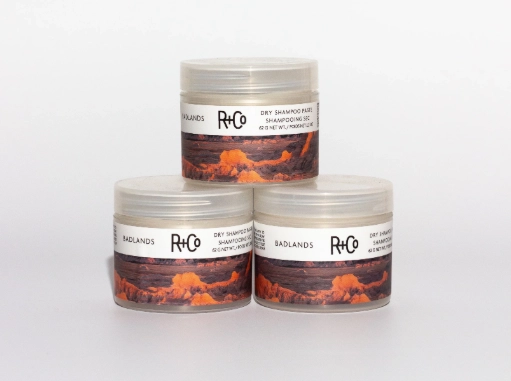
Paste vs. Spray: A Side-by-Side Comparison
Let's get concrete. Here’s where each format wins and loses.
| Factor | Badlands Dry Shampoo Paste | Traditional Aerosol Dry Shampoo |
|---|---|---|
| Application Precision | High. Perfect for targeting specific oily zones (hairline, part, crown). | Low. Tends to coat a broad area, often missing the root scalp. |
| Residue | None, if applied correctly. Blends invisibly. | Common (white cast), especially on dark hair. |
| Travel & Portability | Excellent. TSA-friendly, no risk of explosion, jar is tiny. | Risky (aerosol restrictions), can leak. |
| Speed for Full-Head Refresh | Slow. Sectioning and applying takes time. | Fast. A few sprays and you're done. |
| Added Benefits | Provides texture, grit, and light hold for styling. | Typically just absorbs oil; some offer scent. |
| Environmental Impact | Lower. No propellants, often less packaging. | Higher due to aerosol cans and propellants. |
My take? The paste is a specialist tool. The spray is a generalist. I keep both in my cabinet.
Who Should (and Shouldn't) Buy It
Based on my testing circle, here’s the breakdown.
Buy it if you have:
Thick, coarse, or curly hair. This is its sweet spot. The paste absorbs oil without drying out the lengths, and the texture boost is a godsend for volume. My friend with type 3B curls uses it to revive her roots between wash days without disturbing her curl pattern—a spray would make her hair stiff and flaky.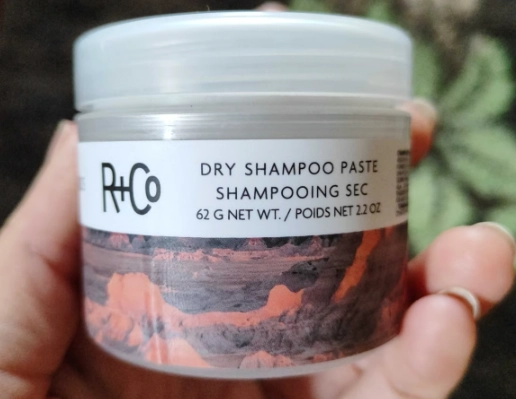
Dark or color-treated hair. No white cast. At all. If you've ever looked like you have premature gray roots from a spray, this is your solution.
A need for travel-friendly grooming. It’s a no-brainer for your dopp kit.
Skip it if you have:
Very fine, thin, or oily scalp-prone hair. This is the big one. The waxes can weigh fine hair down and, if not washed out meticulously, can lead to buildup that actually makes your hair look greasier faster. My sister with pin-straight, fine hair tried it. On day one, it was magic. By day two of use without a wash, her hair looked stringy. She went back to a lightweight powder.
A desire for a quick, full-head refresh. If you're looking for a 30-second fix on day-three hair, this isn't it. You'll get frustrated.
I have thick, wavy hair that gets oily at the roots. For me, it's a staple. But I only use it on day two or for a post-gym touch-up. I would never use it multiple days in a row.
Your Questions, Answered
So, is Badlands Dry Shampoo Paste the end of the powdery mess? For a specific set of hair types and needs, yes, it's a game-changer. It eliminates the white residue issue and offers precision that sprays dream of. But it demands a learning curve and isn't the lazy, full-coverage solution many hope for. It's a scalpel, not a sledgehammer. If your hair is thick, dark, or you're a frequent traveler, it's worth every penny. If your hair is fine and you crave speed, you might find it more fuss than it's worth. Honestly, my can of dry shampoo spray isn't going anywhere—but the little jar of Badlands paste has earned a permanent spot right next to it.