Let me guess. You've got that slick, shiny look by noon. Your bangs separate into oily strings by 3 PM. You've tried every "clarifying" and "deep clean" shampoo on the shelf, the ones that leave your scalp squeaky. And for a few hours, it works. But then the grease comes back, faster and angrier than before. So the idea of a sulfate-free shampoo for greasy hair sounds about as logical as using a drizzle of olive oil to clean a frying pan.
I get it. I was you. For years, I chased that squeaky-clean feeling, convinced my scalp was a relentless oil well that needed the strongest detergent possible. But here's the thing: that approach is probably making everything worse.
What's Inside This Guide
Why Greasy Hair Happens (It's Not Just Genetics)
We all have sebaceous glands attached to our hair follicles. Their job is to produce sebum, a natural oil that moisturizes our scalp and protects our hair. For some of us, these glands are just overachievers. But often, the problem is exacerbated by our habits.
The Vicious Cycle of Over-Washing
This is the big one. When you use a harsh, sulfate-laden shampoo every day, you strip your scalp of all its natural oils. Your scalp, in a panic, signals the sebaceous glands to produce more oil to compensate. You wash again to remove that oil, and the cycle continues. Your scalp never gets a chance to find its natural balance.
Other Common Culprits
It's not just shampoo. Touching your hair constantly transfers oil from your hands. Pillowcases that aren't washed regularly can re-deposit oil. Even certain hair products, especially those with heavy silicones, can build up and make hair look and feel greasier faster.
How Sulfate-Free Shampoos Actually Work for Oily Hair
So if they don't lather up into a stripping foam, how do they clean? Sulfate-free shampoos use milder surfactants (cleansing agents) like Cocamidopropyl Betaine or Decyl Glucoside. These gentler cleansers remove dirt, sweat, and excess oil without completely stripping the scalp of its natural, protective oils. The goal isn't to get that "squeaky clean" feeling—which is often a sign of being stripped dry—but to clean effectively while maintaining the scalp's natural moisture barrier.
Think of it like washing your face. You wouldn't use a harsh bar soap meant for your hands on your face every day. You'd use a gentler face wash. Your scalp is an extension of the skin on your face and deserves the same consideration.
How to Choose the Right Sulfate-Free Shampoo
Not all sulfate-free shampoos are created equal. Some are formulated with heavy butters and oils for dry, curly hair—these will be a disaster for you. You need to look for specific keywords and ingredients.
| Look For (Good for Oily Hair) | Avoid or Use Sparingly (Can Weigh Hair Down) |
|---|---|
| Clarifying or Balancing on the label | "Hydrating," "Nourishing," "For Dry Hair" |
| Volumizing formulas | "Smoothing" or "Anti-Frizz" (often heavy) |
| Ingredients like Tea Tree Oil, Salicylic Acid, Charcoal, or Apple Cider Vinegar | Heavy oils like Coconut Oil, Shea Butter (high on the list) |
| Water-soluble silicones (e.g., Dimethicone Copolyol) or silicone-free formulas | Non-water-soluble silicones (e.g., Dimethicone) that can build up |
My personal go-to for years has been a tea tree oil-based sulfate-free shampoo. The tingling sensation feels clean, and the tea tree has natural antibacterial properties that help keep my scalp fresh without being harsh. It was a game-changer after I stopped using the drugstore clarifying shampoo I thought I needed.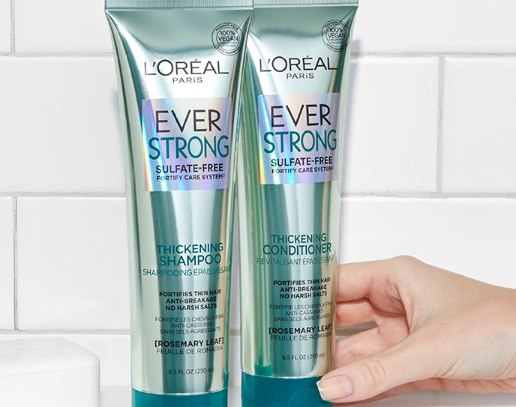
Navigating the Awkward Transition Period
This is where most people give up. When you first switch, your hair might feel... weird. It might not lather as much. It might feel like there's a residue (this is often your scalp's natural oil, which you're not used to feeling). And yes, it might get greasy faster for the first 1-3 weeks.
Your scalp has been in "overdrive oil production" mode for so long that it doesn't know how to stop. It needs time to adjust to the new, gentler routine and realize it doesn't need to pump out so much sebum.
How to Get Through It
Don't quit cold turkey. Start by using your new sulfate-free shampoo every other wash, alternating with your old one. Gradually increase the frequency.
Use a clarifying shampoo once every 2 weeks. Keep a bottle of a gentle clarifying shampoo (even one with sulfates is okay here) to use occasionally. This will remove any buildup and help you feel "reset" during the transition. It's a psychological lifesaver.
Dry shampoo is your best friend. Use it on the roots on non-wash days to absorb oil and extend the time between washes. It helps you stick with the new routine.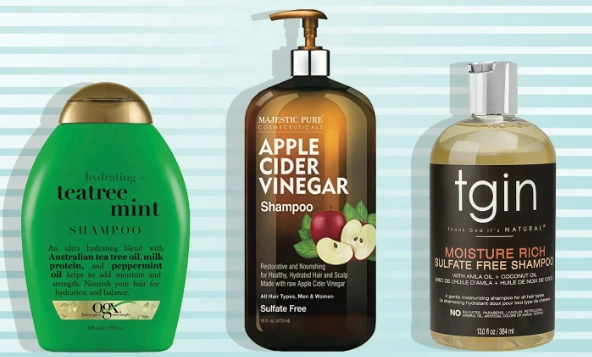
Building a Routine That Maintains Results
Once you're past the transition, maintenance is key. The goal isn't to wash your hair less necessarily, but to wash it better.
The Washing Technique Matters
This sounds basic, but most people do it wrong. Focus the shampoo on your scalp, not the ends of your hair. Massage it in thoroughly with your fingertips (not nails) to help break up oil and buildup. Let the suds run down the length of your hair as you rinse—that's enough to clean the strands. Always rinse with cool water to help close the hair cuticle and reduce oil production.
Conditioner: Yes, You Still Need It
But only on the mid-lengths to ends of your hair. Never apply conditioner to your scalp. Choose a lightweight, volumizing conditioner that complements your shampoo. Rinse thoroughly.
Other Lifestyle Tweaks
Wash your pillowcases at least once a week. Try to keep your hands out of your hair. If you use styling products, opt for water-based formulas rather than oil-based ones, and make sure you're washing them out completely.
The journey to less greasy hair isn't about finding a stronger detergent. It's about retraining your scalp. It requires patience through an awkward few weeks and a shift in how you think about "clean." But when you break the cycle of overproduction, you get hair that looks and feels better for longer. It's worth the awkward phase.