You've seen it everywhere. That delicate chain with a single, perfect diamond catching the light just above a collarbone. It's the diamonds by the yard necklace, and it's more than a trend—it's a modern jewelry staple that's earned its permanent place. But what's the real story behind this minimalist icon? And more importantly, how do you choose one that you'll wear for decades, not just a season?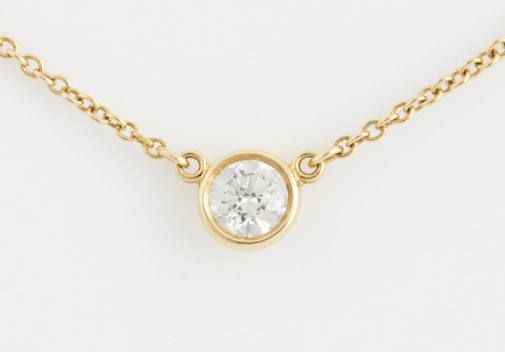
Your Quick Guide to Diamonds by the Yard
What Exactly Are Diamonds by the Yard?
Let's clear something up first. "Diamonds by the yard" doesn't refer to a specific brand. It's a style descriptor. Picture a fine, simple chain—gold, platinum, or silver—with one or several small, individually set diamonds that appear to "float" along it. The name is credited to Elsa Peretti, the legendary designer for Tiffany & Co., who introduced her groundbreaking "Diamonds by the Yard" collection in 1974. Before that, fine diamonds were almost exclusively for grand, formal pieces. Peretti put them on a simple chain and changed the game, making luxury personal and wearable every day.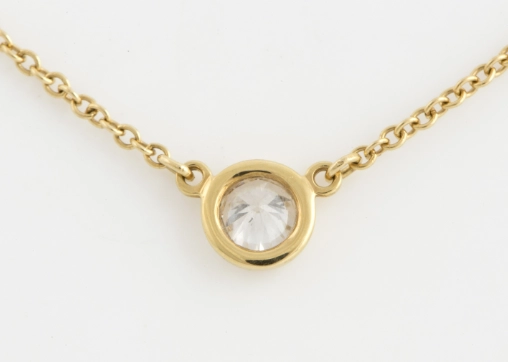
The core appeal is its deceptive simplicity. It's quiet luxury. It doesn't shout; it whispers. From a distance, it's a glint of light. Up close, it's a moment of undeniable quality.
The Anatomy of the Style: A classic piece has three key components: 1) A fine, high-quality chain (cable, rope, or box link are common), 2) One or more small diamonds (typically between 0.01 to 0.10 carats each), and 3) A secure, often minimalist clasp. The diamond is usually set in a simple four-prong or bezel setting directly on the chain.
How to Choose Your Perfect Diamonds by the Yard Necklace
This is where most guides give you generic advice. I've been wearing and advising on fine jewelry for over a decade, and here's the nuanced truth: the "perfect" one is about balancing aesthetics with the realities of daily life.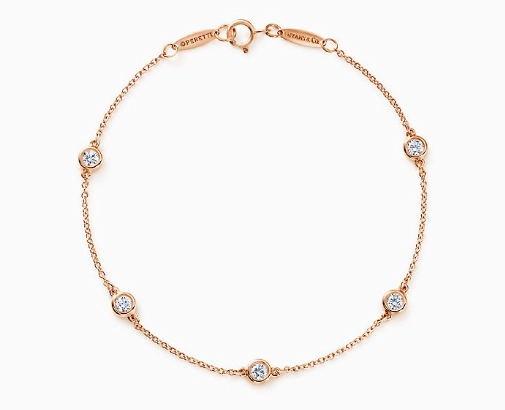
Metal Matters More Than You Think
Gold is the classic choice, but which one?
- White Gold/Rhodium-Plated: Makes the diamond look brighter and cooler. A common pitfall? The rhodium plating wears off over 12-18 months, revealing the slightly yellowish white gold beneath. You'll need to get it re-plated to maintain that ice-white look.
- Yellow Gold: Warm, classic, and hides scratches better. The diamond will take on a warmer glow. This is my personal go-to for an everyday piece because it's low-maintenance.
- Rose Gold: Romantic and modern. It complements most skin tones beautifully. The copper alloy makes it very durable.
- Platinum: The ultimate in durability and heft. It's naturally white, so no plating issues. It's also the most expensive. It develops a soft patina over time, which some love (adds character) and some dislike (looks less shiny).
Diamond Quality: Where to Splurge and Where to Save
With stones this small, the traditional 4Cs (Cut, Color, Clarity, Carat) don't apply in the standard way. Obsessing over a VS1 clarity or D color for a 0.02-carat diamond is a waste of money—you literally cannot see the difference with the naked eye.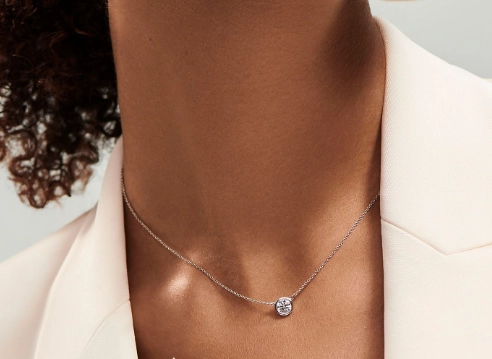
The one C that matters most: Cut. A well-cut diamond, even a tiny one, will have better sparkle and fire. Ask if the diamonds are "brilliant cut" or have "good symmetry." For color, stones in the G-I range look perfectly white against yellow or rose gold. For white gold or platinum, you might want to go up to F or G. Clarity? SI1 or SI2 is more than sufficient. Carat is personal, but remember, the charm is in the delicacy.
Chain Length and Style
This determines how it sits on you.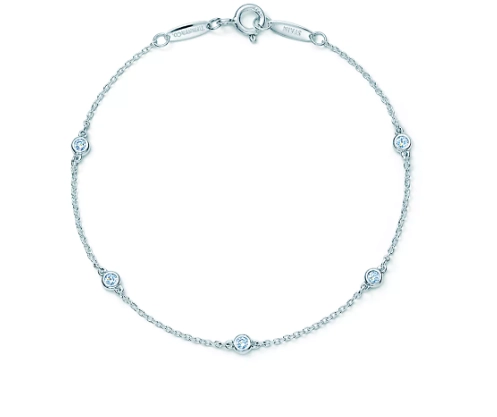
| Length (Inches) | Name | Where It Sits | Best For |
|---|---|---|---|
| 14" - 16" | Choker | Base of the neck | A bold, standalone statement. Can feel tight on some. |
| 16" - 18" | Princess | On the collarbone | The classic, most versatile length. Flattering on nearly everyone. |
| 18" - 22" | Matinee | Between collarbone and bust | Great for layering or wearing over higher necklines. |
| 22"+ | Opera | Below the bust | Dramatic, often doubled. Less common for a single diamond style. |
If you're buying your first one, a 16 or 18-inch princess length is the safest, most useful bet. Some brands offer adjustable chains, which are genius for versatility.
Mastering the Art of Styling & Wearing
The magic of this necklace is in its styling flexibility. It can be your only jewelry for a clean look, or the foundation of a layered masterpiece.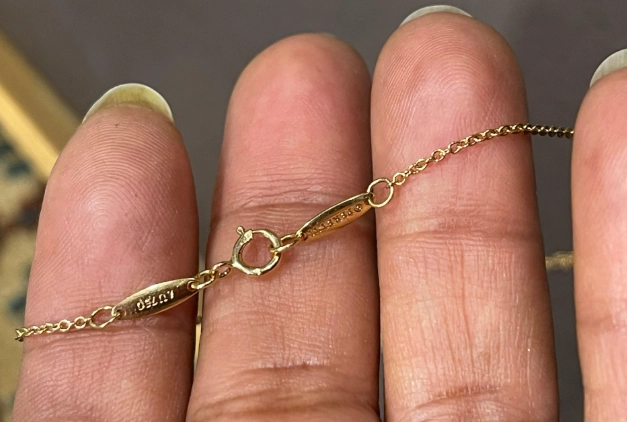
The Solo Act: With a crisp white shirt, a V-neck tee, or a little black dress, a single diamonds by the yard necklace is all you need. It adds a point of polished interest without competing.
Layering 101: This is where it gets fun. The key is variation in length and texture.
- Start with your diamond piece at 16-18 inches as the anchor.
- Add a shorter chain (14-15 inches) with a small pendant or a simple choker.
- Finish with a longer piece (20-24 inches), maybe a simple chain, a lariat, or a necklace with a different texture like a herringbone or paperclip chain.
Avoid layering multiple diamond pendants of the same size—it can look cluttered. Mix your diamond piece with plain chains or pendants of different shapes.
Keeping Your Necklace Sparkling: Care & Maintenance
Fine jewelry isn't indestructible. A few simple habits will keep it looking new.
1. Put it on last, take it off first. Perfume, hairspray, and lotions can coat the diamond and dull the metal. Get dressed, do your makeup and hair, then put your necklace on.
2. Clean it regularly, but gently. Once a month, soak it in a bowl of warm water with a few drops of mild dish soap for 15-20 minutes. Gently brush the chain and the diamond setting with a soft baby toothbrush. Rinse thoroughly with lukewarm water and pat dry with a soft, lint-free cloth. No harsh chemicals.
3. Store it properly. Don't toss it in a jumbled jewelry box. Hang it on a necklace stand or lay it flat in a soft-lined compartment. This prevents tangles and scratches.
4. Get a professional check-up. Once a year, take it to a jeweler. They'll check the security of the diamond setting (prongs can wear down) and the clasp, and give it a professional clean. This is the single best thing you can do to prevent loss.
Where to Buy: A Brand Comparison
You can find this style everywhere, from luxury houses to direct-to-consumer brands. The difference is in the details—and the price.
| Brand / Type | Price Range (Approx.) | The Vibe & Key Details | Considerations |
|---|---|---|---|
| Tiffany & Co. (Elsa Peretti) | $500 - $2,500+ | The originator. Timeless, iconic status. Exceptional craftsmanship and brand prestige. | You're paying a significant premium for the brand name and blue box. The designs are faithful to the original. |
| Catbird | $200 - $800 | Cool-girl, Brooklyn-based. Often uses recycled gold and lab-grown diamonds. Great for delicate, stackable styles. | Very dainty chains. Some find them almost too delicate for rough daily wear. Strong ethical sourcing focus. |
| Mejuri | $150 - $600 | Modern, minimalist, designed for everyday. Frequent new drops and a strong community feel. | Quality is good for the price, but can be mass-produced. A great entry point to try the style. |
| Blue Nile / James Allen (Online Retailers) | $200 - $1,500 | Maximum customization. Choose your exact chain metal, length, and diamond specs. Often good value. | You need to know what you want. The experience is less curated than a boutique. |
| Local Independent Jeweler | Varies Widely | Customization, personal service, and you can see the piece in person. Can often recreate any design. | Price can be higher or lower than online. Builds a relationship. Supports a small business. |
My advice? If budget allows and you want the heritage, Tiffany is unforgettable. For a fantastic balance of quality, ethics, and price without the luxury markup, brands like Catbird or a good local jeweler are hard to beat.
Your Questions, Answered
The diamonds by the yard necklace isn't a passing fancy. It's a design principle made wearable: that beauty often lies in restraint, and true luxury is something you can live in every day. By focusing on quality construction, a flattering length, and metal that suits your life, you're not just buying a piece of jewelry. You're investing in a quiet confidence that you'll reach for, year after year.