Your Suit Journey Starts Here
Let's be honest. The search for the perfect women's business suit can feel like trying to find a needle in a haystack. You want power, you want polish, but you also don't want to look like you're wearing your dad's (or your mom's) hand-me-downs. You want something that feels like you. Maybe you're transitioning into a more senior role, or perhaps you've landed your dream job and need to upgrade your wardrobe. Whatever the reason, this guide is here to cut through the noise.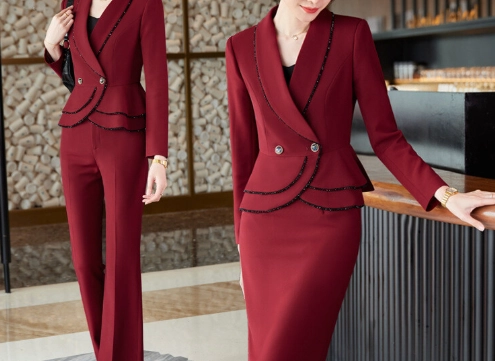
We'll cover everything from the foundational pieces you need to build a versatile suit collection, to the subtle details that can make or break an outfit. Forget the one-size-fits-all advice you see everywhere. This is about understanding your body, your industry, and your personal style.
Finding Your Fit: Beyond the Shoulders
Let's start with the most important part: fit. A suit that doesn't fit properly isn't just uncomfortable; it undermines your entire presence. I've seen too many women in suits that are either drowning in fabric or pulling so tight across the back that the seams are screaming.
The shoulders are crucial, yes. But the real magic happens through the torso and down to the hemline.
Shoulder Seam Alignment
The shoulder seam should hit right at the edge of your shoulder bone. Not before, not after. If it's too far in, you'll look hunched. Too far out, and the jacket loses its structure.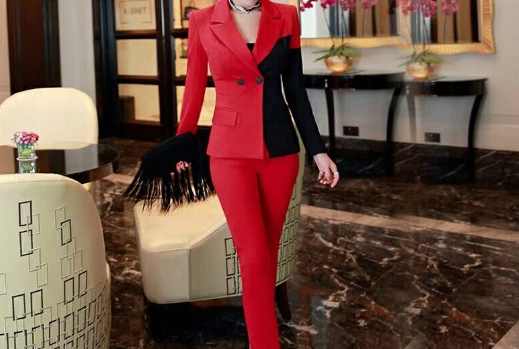
The Jacket Closure Test
Can you button the top button without any pulling or gaping across the chest? Good. Now try the middle one. There should be a slight 'X' shape of fabric pulling across the front, but no horizontal lines. The bottom button? Forget it. It's rarely meant to be fastened on a double-breasted jacket anyway, but on a single-breasted, it's a good sign of overall balance.
Suit Anatomy 101: Terms You Need to Know
Before you even think about color or fabric, you need to speak the language. Knowing these terms will save you hours of frustration when shopping or talking to a tailor.
- Lapel: The folded fabric on the front of the jacket that runs from the collar to the opening. Notch, peak, and shawl are the three main types, and they drastically change the suit's formality.
- Vent: The slit at the back of the jacket. Center vent, side vents (double vents), or no vent. Side vents are more modern and functional (your hand can slip into your pocket more easily).
- Button Stance: Refers to how high the top button of a single-breasted jacket is fastened. A higher stance (like on a British suit) is more formal; lower is more relaxed.
- Working Cuff: Also known as functioning buttonholes on the sleeve. A detail that shows the suit was made for you, not just altered from a standard size.
- Pocket Square: A small decorative fabric placed in the breast pocket. Not essential, but it adds a touch of personality.
The Trouser Break
This is where the bottom of the trouser leg meets your shoe. A full break means the fabric bunches up a lot; a slight break means it just touches the shoe; no break means it's shorter. It's a matter of personal preference and current trends, but knowing what you like is key.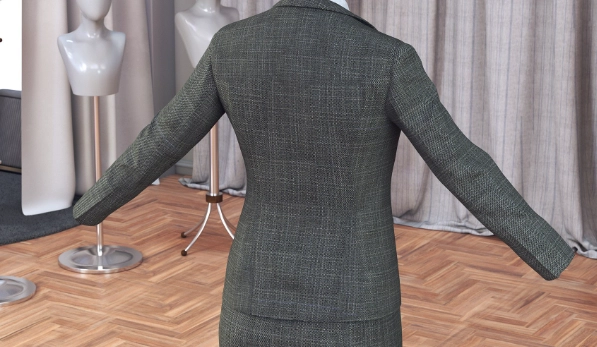
The Fabric Question: Wool, Blends, and Beyond
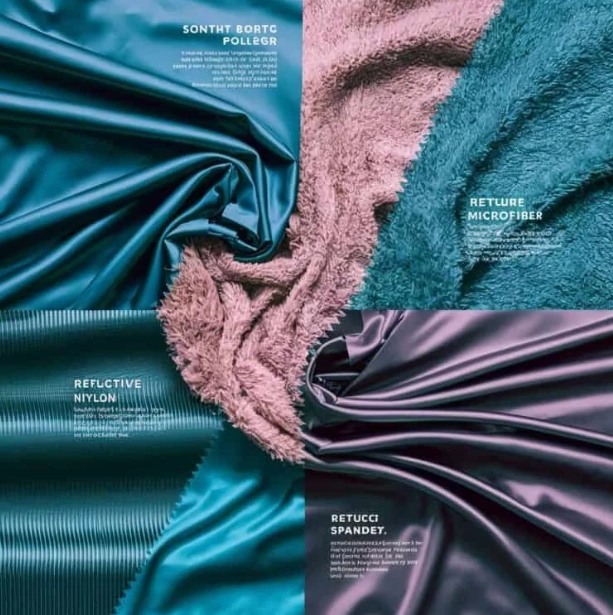
Wool is the king of suiting fabrics. It breathes, it drapes, it wears well over time. But it's also expensive and can be itchy if not of a high quality. Here's a quick breakdown of what you might encounter:
| Fabric Type | Best For | Pros | Cons |
|---|---|---|---|
| Super 100s - 120s Wool | Business formal, year-round wear | Drapes beautifully, breathable, durable | Can be pricey, requires care |
| Wool Blends (e.g., with polyester) | Budget-conscious options, wrinkle-resistant | More affordable, easy to care for | Less breathable, may not drape as well |
| Linen | Summer suits, warm climates | Extremely breathable, lightweight, natural texture | Wrinkles very easily, less structured look |
| Cotton or Cotton Blends | Spring/summer, business casual | Soft, breathable, can be less expensive | Can wrinkle, may not hold a sharp crease as well |
My personal rule? Avoid anything that feels more like plastic than fabric. If it's a suit you plan to wear often, invest in the highest wool content you can afford within the Super 100s to 120s range. It's the sweet spot between durability, softness, and price. I made the mistake of buying a 'wrinkle-resistant' blend once for a long day of back-to-back meetings. It felt like I was wearing a sauna by 10 AM.
Building Your Color Palette: The Neutrals and The Pops
Start with the core neutrals. You need a navy suit. It's non-negotiable. It's the most versatile, universally flattering, and appropriate for almost any situation. Next, a charcoal or black suit. These are your workhorses for more formal settings or when you want to project authority.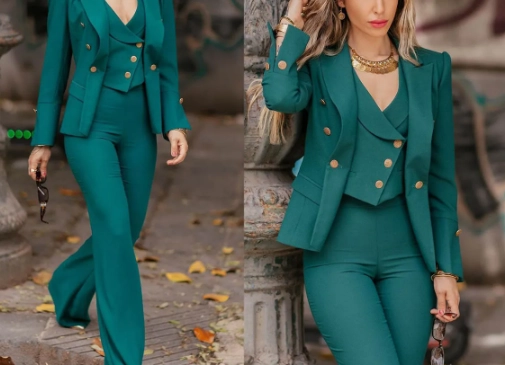
Only after you have these two should you consider expanding.
The Power of Gray
Gray is often overlooked, but it's a secret weapon. A medium gray suit can be even more versatile than black, especially in creative or less rigid corporate environments. It's less harsh, more approachable, but still professional.
Adding Color Strategically
Now for the fun part. Don't just buy a bright red suit because it's on sale. Think about how you'll wear it. A deep emerald or burgundy can be incredibly powerful for presentations or client meetings where you want to be remembered. A blush pink or soft blue can work in more creative fields.
But here's a tip most articles won't tell you: consider the lighting of your office. A color that looks stunning in natural sunlight might look completely different under fluorescent lights. Always check in the mirror under the lighting you'll be in most often.
Accessories: The Finishing Touches That Matter
Accessories are where you can truly make a suit your own. But there's a fine line between personal style and distraction.
- The Blouse: This is your foundation. A simple white silk shell is a classic for a reason. It goes with everything. But don't be afraid to play with texture (a satin stripe) or a subtle pattern (a small geometric print). Just keep it professional.
- Jewelry: Statement earrings or a necklace can draw attention to your face. Avoid anything too noisy or that might get caught on equipment.
- Bags and Shoes: These should be in the same color family (black, brown, navy) and of a similar level of formality. A sleek leather tote and pointed-toe pumps will always look more polished than a canvas backpack and sneakers.
My biggest pet peeve? The matchy-matchy suit set bought straight off the rack with no alterations. It screams inexperience. At the very least, get the trousers hemmed to the right length. Even better, find a good tailor and have the jacket taken in at the waist if needed. It makes all the difference.
Putting It All Together: Suit Scenarios
Let's walk through a few specific situations.
The Big Presentation
You're pitching to a new client. You want to project confidence, competence, and trust. Go with your navy suit. It's the most universally trusted color. Pair it with a crisp white blouse and simple, elegant jewelry. Keep your makeup and hair neat and polished. You want them to remember your ideas, not your outfit.
The Internal Meeting
This is where you can have a bit more flexibility. Perhaps try your gray suit with a colored blouse or a statement necklace. It shows you're part of the team but have your own style.
The Casual Friday (But Still Professional)
This is a tricky one. You want to look relaxed but not sloppy. A well-fitting blazer over a nice t-shirt and dark jeans can work. Or, wear the suit trousers with a casual sweater and clean sneakers. The key is to look put-together without looking like you're trying too hard.
Common Suit Mistakes (And How to Avoid Them)
We've all seen them. The suit that's too tight, too short, too... something. Here are a few of the most common pitfalls:
- Mismatched separates: Buying a blazer and trousers from different suits and hoping they match. They rarely do. Even in the same color, the fabric weight and sheen can be off.
- Wrong undergarments: Visible bra straps or panty lines. Opt for seamless undergarments in a color that matches your skin tone or the suit fabric.
- Wearing the jacket unbuttoned all the time: This can make a suit look sloppy. Button it when standing, unbutton when sitting for comfort.
- Forgetting about posture: A well-fitting suit will actually improve your posture by pulling your shoulders back slightly. But if the suit doesn't fit, it won't help.
One last piece of advice from someone who's spent more money on bad suits than I care to admit: trust your gut. If you don't feel amazing in it, you won't wear it. No matter how good the deal is.
Conclusion: Your Suit, Your Power
A great women's business suit is more than just clothing. It's armor. It's a statement. It's a tool that allows you to move through the world with confidence and intention. It shouldn't be a source of stress or a financial burden.
Start with one perfect suit. Learn what you love about it. Then build from there.