You've seen them everywhere. From TikTok to the red carpet, curtain bangs have cemented their status as more than a trend—they're a modern haircut staple. But between the perfectly styled Instagram photos and the reality of your morning routine lies a gap. A gap filled with questions: Will they suit me? How much work are they really? What if I mess it up?
I've had them, grown them out, cut them again, and watched clients in the salon chair go through the same cycle. This guide isn't about selling you a fantasy. It's about giving you the unvarnished truth, the stylist secrets, and the practical steps so you can decide if curtain bangs are your next great look or a styling burden you don't need.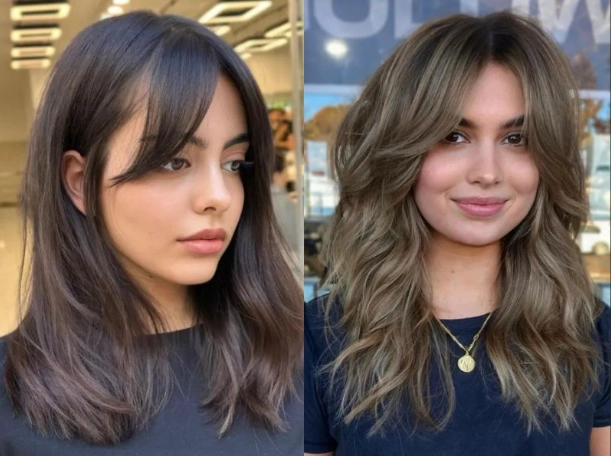
What's Inside This Guide?
- What Are Curtain Bangs, Really? (Beyond the Hype)
- Who Should Get Curtain Bangs? The Face Shape & Hair Type Breakdown
- The 5-Minute Styling Masterclass for Every Hair Type
- The Salon Conversation: What to Say (and What NOT to Say)
- The Graceful Grow-Out: Your Exit Strategy
- Your Curtain Bangs Questions, Answered
What Are Curtain Bangs, Really? (Beyond the Hype)
Let's clear this up first. Curtain bangs aren't just any bangs parted in the middle. They're a specific, face-framing technique where longer pieces of hair are cut to blend seamlessly from your shorter front sections into your longer lengths. Think of them as long, layered bangs that are intentionally cut to be swept to either side of your face, creating a soft, parted look that resembles... well, curtains.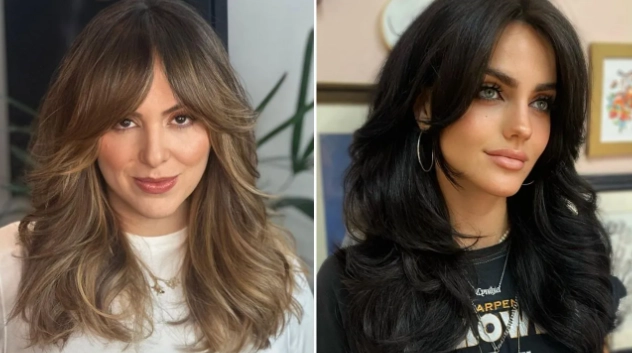
The magic is in the shape—a soft, graduated "V" or "U" that frames your cheeks and jawline. Unlike blunt bangs that create a hard horizontal line, curtain bangs work with your features. They're forgiving. They're fluid. When done right, they add movement, soften angles, and draw the eye in a flattering way.
Who Should Get Curtain Bangs? The Face Shape & Hair Type Breakdown
This is where most generic articles fail. They say "curtain bangs suit everyone!" That's only half-true. They can be adapted for everyone, but the starting point of the cut is crucial and depends entirely on your face shape and hair texture.
Here’s the stylist's cheat sheet no one talks about: the ideal "Parting Point." This is where the shortest piece of your bang should hit.
| Face Shape | Ideal Parting Point | Why It Works |
|---|---|---|
| Round/Square | At or below the cheekbone | Creates a longer, more oval visual line. Avoids adding width at the apples of your cheeks. |
| Oval/Heart | Cheekbone to just above the jaw | You have the most flexibility. This point balances the forehead and accentuates the cheekbones. |
| Long | Between the nose and mouth | Adds a horizontal line that visually shortens and widens the face, creating better proportion. |
Now, let's talk hair type, because this is a bigger deal than face shape.
Fine, Straight Hair: You need texture. A blunt cut will fall flat. Insist on invisible layers within the bang section to remove weight. Styling with a texturizing spray is non-negotiable, but the result can be incredibly soft and romantic.
Thick, Wavy/Curly Hair: You have a volume advantage, but weight is your enemy. Your stylist must thin out the ends significantly. The goal is to let your natural wave pattern create the shape, not fight against a heavy wedge of hair. You might find you need less heat styling than others.
Coarse or Frizzy Hair: Blunt cuts can look triangular. You need internal layers and possibly a light razor-point technique to soften the ends and encourage them to blend, not stick out. A good smoothing serum is your best friend.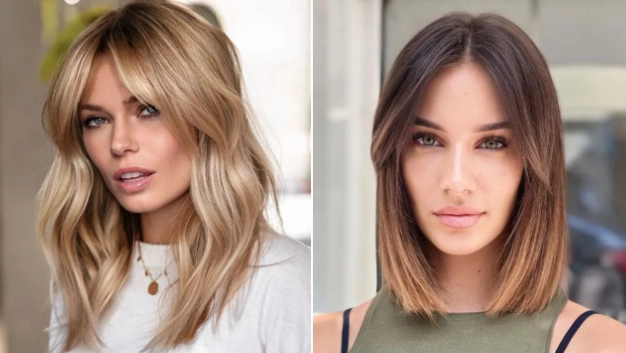
The 5-Minute Styling Masterclass for Every Hair Type
Forget the 20-minute tutorials. The real-world method is simpler. The core tool isn't a fancy iron; it's your blow dryer and a round brush.
The Foundational Blow-Dry (Do this on damp hair)
- Section: Isolate your bang section—a triangle from the corners of your eyebrows back to the crown.
- Prep: Apply a heat protectant. For fine hair, add a light texturizing spray. For thick hair, a smoothing lotion.
- The "C" Shape: Using a medium-sized round brush, start at the roots on one side. Roll the brush under, pulling the hair slightly away from your face. Direct the heat from the dryer down the hair shaft. Hold for a few seconds until cool. You're creating a rounded lift at the root, not a flip at the end.
- Repeat on the other side.
- Set the Part: Once completely cool, gently separate the bangs at your preferred part. Don't force it while they're warm.
That's it for a basic, clean look. For second or third-day hair, you can refresh with a 1-inch curling iron, just giving the mid-lengths a slight bend away from the face. Avoid curling the very ends.
The Salon Conversation: What to Say (and What NOT to Say)
Walking in and saying "I want curtain bangs" is a gamble. You need to be specific. Bring 2-3 photos that show the length you like. Say this:
"I'm looking for longer, blended curtain bangs. I'd like the shortest pieces to start around my cheekbones/jawline [pick your point from the table]. Can we add some light layers within the section so it's not too heavy? I want it to blend into my length when I pull my hair back."
What NOT to say: "Just like this photo!" (of a model with completely different hair texture). Also, avoid "Make it trendy." Be precise.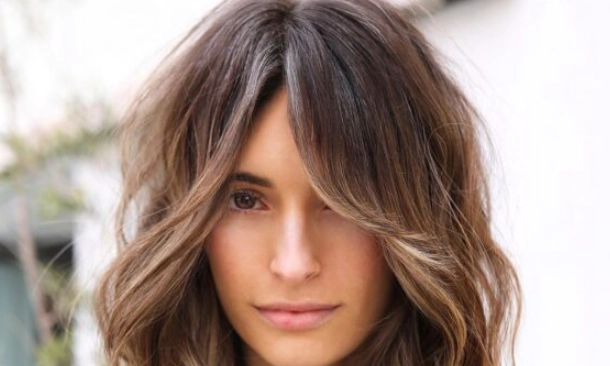
The Graceful Grow-Out: Your Exit Strategy
This is the best part. Unlike blunt bangs that hit an awkward stage, curtain bangs are designed to grow out beautifully. As they get longer, they simply become face-framing layers. You can tuck them behind your ears, blend them into braids, or sweep them back with a clip. The grow-out phase is a feature, not a bug.
Your Curtain Bangs Questions, Answered
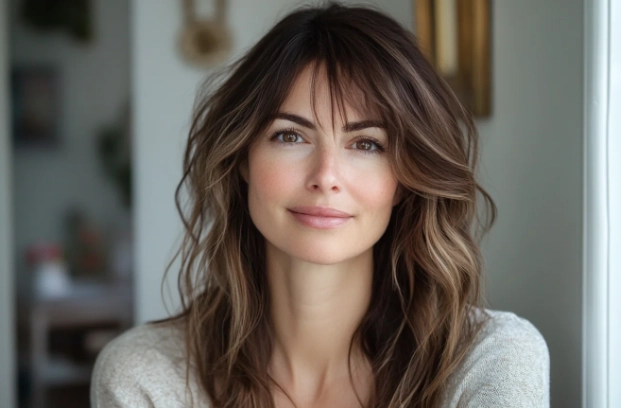 So, are curtain bangs for you? If you're willing to have a detailed consultation with your stylist and commit to a 5-minute blow-dry ritual, they can be one of the most flattering, low-commitment ways to change your look. They're not zero-maintenance, but they're arguably the most forgiving and versatile bang style out there. Take the guide, have the conversation, and you might just find your new signature look.