You just bought a Coach bag, or maybe you're eyeing one. You love the design, but a question pops into your head. Where was this thing actually put together? Is it from a workshop in New York, a factory in Vietnam, or somewhere else? That "Made in" label matters to a lot of us. It connects to ideas about quality, authenticity, and even brand story.
Let's cut through the noise. The short answer is that Coach purses are made in multiple countries, including the United States, Italy, Vietnam, China, the Philippines, and others. But that simple answer doesn't tell you anything useful.
The real story is about why they make bags in different places, what gets made where, and how this affects what you're holding in your hands. It's a map of modern luxury manufacturing.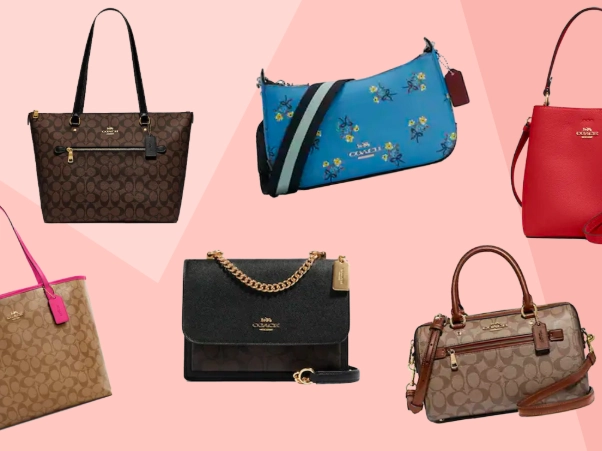
What You'll Find in This Guide
From NYC to the World: Coach's Manufacturing Journey
Coach started in a Manhattan loft in 1941. For decades, their bags were proudly Made in the USA, specifically in New York City and later in larger facilities in places like Florida. These vintage pieces are legendary for their thick, glovetanned leather that ages beautifully. You can still find them on resale sites, and they have a cult following.
So what changed?
Like almost every major fashion brand in the late 20th century, Coach faced pressure to scale up and control costs. To make their bags more accessible (a core part of their "affordable luxury" pitch), they began shifting production overseas in the 1990s and 2000s. This wasn't a secretive move; it was a business reality reported on by sources like the New York Times and business analyses.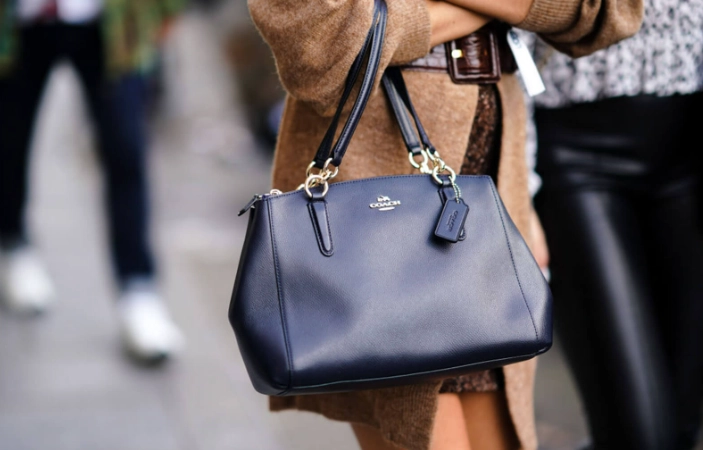
The key thing they maintained—and this is crucial—was control over design and quality standards. They didn't just license their name. They established their own manufacturing facilities and deep partnerships with contractors abroad, sending their own technicians and managers to oversee production.
A Personal Note: I have a vintage Coach Willis bag from the 90s, made in the USA, and a brand-new Coach Tabby from Vietnam. The vintage one feels like a tank—indestructible. The new one is sleeker, lighter, but the stitching is just as precise. They're different, but both are unmistakably Coach. The shift wasn't about abandoning quality; it was about evolving the product for a different era.
The Current Global Map of Coach Production
Today, Coach's manufacturing is a global network. Each location often specializes in certain types of products or leathers. Here’s a breakdown of the main players.
| Country | What's Typically Made There | Quality Tier & Notes |
|---|---|---|
| United States | Coach's highest-end lines (like Coach Originals, some Coach Reserve), custom pieces, and special collections. Produced in their own workshops. | Top Tier. Focus on heritage techniques, premium leathers. The "halo" manufacturing that connects back to their roots. |
| Italy | Many leather goods, especially those using smooth Italian calfskin or suede. Often higher-priced totes, crossbodies, and accessories. | Premium Tier. Leverages Italy's renowned leatherworking heritage for specific material-focused lines. |
| Vietnam | A massive hub. Produces a huge portion of their core collection: signature canvas items, pebble leather bags, popular styles like the Charlie, Tabby, and Field Tote. | Core Tier. Represents the bulk of Coach's output. High-volume, consistent quality adhering to global standards. |
| China | Another major production base. Makes many core collection items, smaller leather goods, wallets, and accessories. | Core Tier. Like Vietnam, operates under strict Coach quality protocols. The location is not an indicator of poor quality. |
| Philippines, India, etc. | Some production of accessories, non-leather items, or specific components. | Varied. Often for specialized items or cost-sensitive accessories. |
Look, seeing "Vietnam" or "China" on a luxury label can still make some shoppers pause. I get it. But here's the insider perspective most articles miss: Coach's factories in these countries are often state-of-the-art, built or specified by Coach themselves. The workers are trained on Coach methods. The leather might be sourced from the same tannery in Asia that supplies other luxury brands. The difference between a bag made there and one made in Italy is often more about the type of leather and price point targeting than a fundamental gap in construction skill.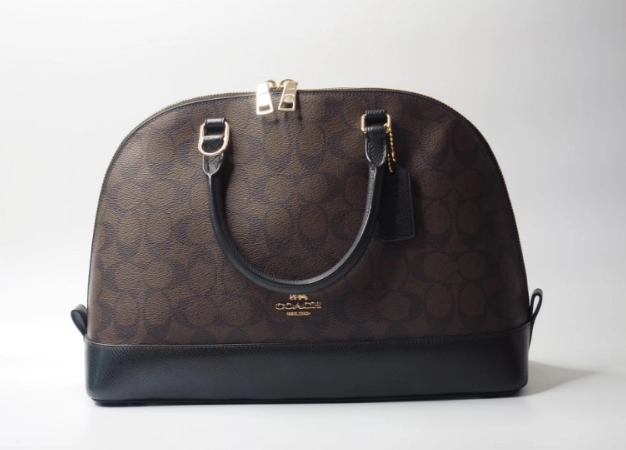
How to Check Your Own Coach Bag's Origin
This is the practical part. Don't guess—look.
Inside every authentic Coach bag, sewn into the lining, you'll find a leather or fabric creed patch. On modern bags, the country of origin is clearly stamped at the bottom. On older vintage bags, it's part of the text on the leather patch.
Where to look:
- Inside the main compartment, along a side seam.
- Inside an interior zip pocket.
- On smaller items (wristlets, card cases), check along a side seam or the back of a slot.
If you can't find a label at all, that's your first and biggest red flag for a counterfeit. Fake bags often have poorly made, glued-in labels with fuzzy stamping or grammatical errors.
Quality, Price, and Common Myths Debunked
Let's tackle the big questions head-on.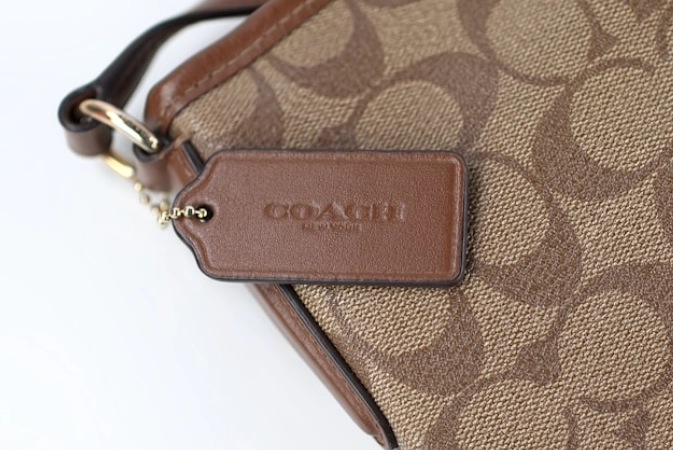
Myth 1: "Made in USA/Italy" always means better quality than "Made in Vietnam."
Not exactly. It usually means different materials and a higher price point. A $95 Coach pebble leather crossbody from Vietnam is designed to be a workhorse. A $895 Coach bag from their Italian-made collection uses a specific, expensive calfskin that demands a different finish. Both should have flawless stitching and hardware. The quality is in meeting the spec for that product.
Myth 2: The country tells you if it's "real" Coach.
Nope. Counterfeiters put "Made in USA" on fake bags all the time to trick vintage seekers. Authenticity is verified by the overall craftsmanship, the feel of the materials, the precision of the stamping, and the style of the creed patch matching the era—not just the country name.
Myth 3: Coach is hiding where their bags are made.
They're really not. It's right there on the label. The complexity comes from their diversified supply chain, which is a standard practice for resilience. A single bag's components might come from multiple countries, with final assembly in one.
The price difference you see is less about paying for "Italian hands" and more about the cost of the leather itself, the complexity of the design, and the marketing positioning of that particular line.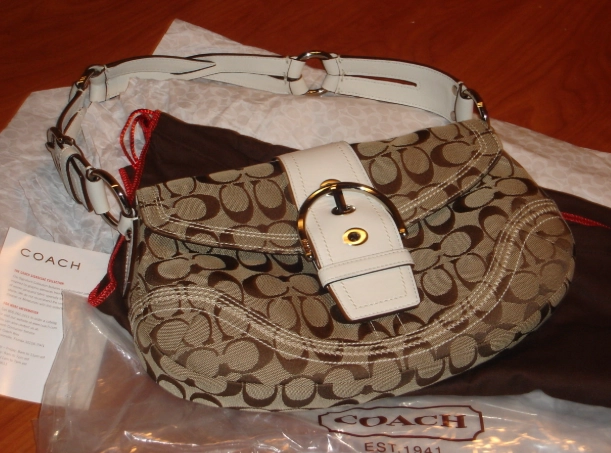
Your Top Questions, Answered
Are Coach purses made in China good quality?
Coach purses made in China are made to the brand's global quality standards. The location itself isn't a reliable indicator of inferior quality. Many of their popular, well-constructed crossbody bags and totes come from their partnered facilities in China. The quality control protocols are consistent. A common mistake is dismissing a bag solely based on a 'Made in China' label without inspecting the actual craftsmanship, stitching, and leather grain.
How can I tell if my vintage Coach bag is from the original USA factory?
Look for specific details on the creed patch inside the bag. Bags from the 1970s-1990s made in the New York City facilities will often have a serial number that starts with a letter prefix (like F for fall, S for spring) followed by four numbers. The patch will be made of leather and sewn in, not glued. The phrasing often includes 'Made in the United States' or 'Made in New York City.' The leather will be thick, pebbled, and develop a deep patina. Be wary of creeds that look too new, have typos, or are stamped on fabric on a supposedly vintage piece.
Do Coach purses made in Italy cost more than those made in Vietnam?
Typically, yes. Italian-made Coach items, often from their higher-end collections or using specific luxury leathers, command a higher price point. This reflects the cost of European craftsmanship, premium material sourcing, and the positioning of those pieces within their lineup. A bag from Vietnam, part of their core collection, offers excellent value and quality but is positioned at a more accessible price. The price difference is more about the product tier and materials than a simple 'better than' quality judgement between countries.
Where is the 'Made in' label located on a Coach purse?
You'll always find it on a leather or fabric tag sewn into the interior lining of the bag. Common spots are along a side seam or in a main interior pocket. For smaller items like wristlets or card cases, check a side seam or the back of an interior slot. It's never on the outside of the bag. If you can't find it, that's a major red flag for authenticity. The label is clear, stamped, or embroidered, not a cheap-looking sticker.
So, where are Coach purses made? All over. That's not a cop-out; it's the reality of a global brand that makes everything from $98 wristlets to $2,000+ collector's items.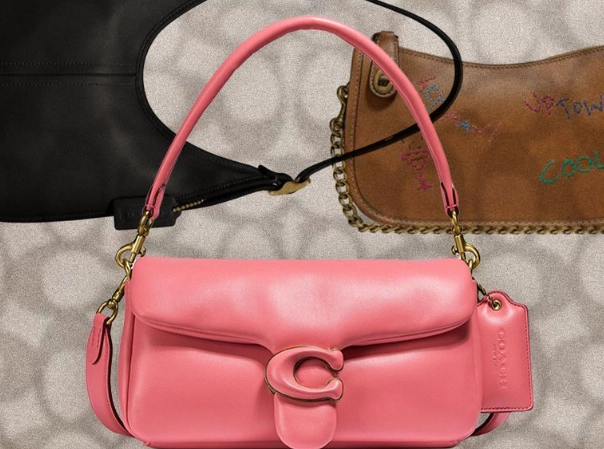
The "Made in" label is a starting point for curiosity, not the final verdict on quality. A well-made bag from Vietnam is a better purchase than a poorly made one from anywhere else. Your energy is better spent feeling the leather, checking the stitching, testing the zipper, and making sure you love the design. That's what you'll live with, long after you've forgotten what the tiny label inside says.