Quick Guide to Silk Therapy
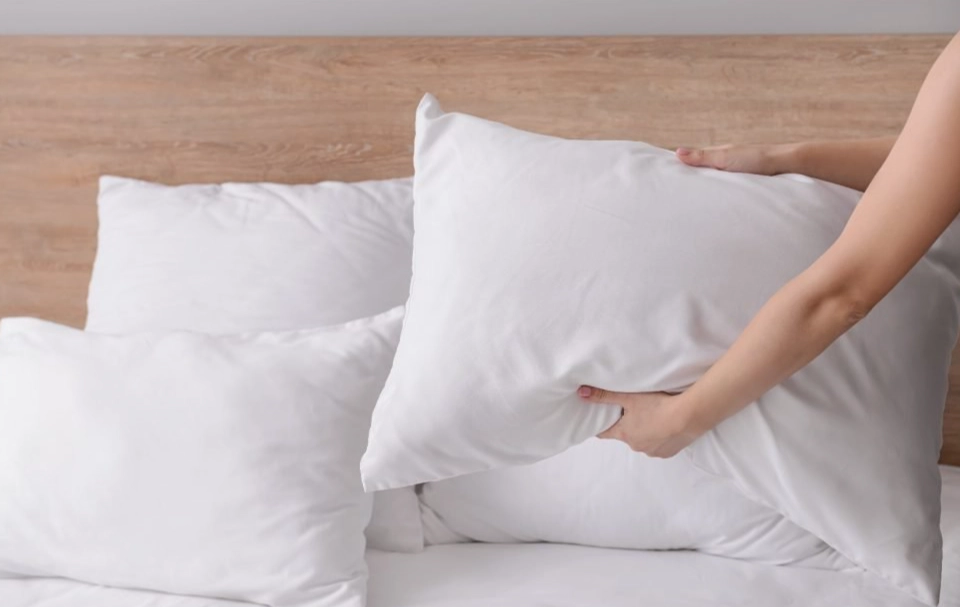
You've probably seen the ads. The perfectly lit models resting on silk pillows, talking about miraculous transformations. I was skeptical too. For years, I wrote it off as just another overpriced beauty trend for people with too much money. Then, after a particularly bad bout of waking up with crease marks on my face and frizzy hair that felt like straw, a friend literally forced a silk pillowcase into my hands. "Just try it," she said. Reluctantly, I did.
Let's be clear from the start. Silk therapy isn't a magical potion that erases wrinkles overnight. Anyone selling you that is lying. But the real, tangible silk therapy benefits? Those are rooted in some pretty solid science and simple physics. It's less about adding something to your skin and more about taking something away: friction.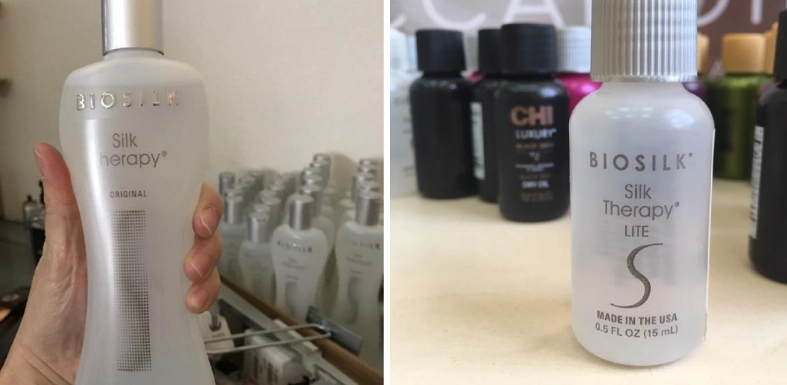
The hype is massive, but the practical information can be confusing. Is it all about pillowcases? What about silk-infused skincare? Does the type of silk matter? I spent weeks digging into research, trying different products (some great, some not worth the box they came in), and talking to dermatologists and textile experts to separate the facts from the fluffy marketing. This is what I wish I'd known before I started.
What Is Silk Therapy, Really? Beyond the Buzzword
When we talk about silk therapy benefits, we're usually referring to two main applications: topical products containing silk proteins (sericin and fibroin) and the use of pure silk textiles, most famously pillowcases and hair accessories. The International Sericultural Commission, which is the global body for silk, details how these natural proteins are extracted and their biocompatible properties. It's this dual approach—internal nourishment and external protection—that makes it a "therapy" rather than just a product.
The concept isn't even new. Historical records from ancient China and the Byzantine Empire talk about royal figures using silk for skin preservation. They were onto something. Modern science shows that silk fibroin, the main structural protein, shares amino acid similarities with the proteins that make up our own skin's outer layer. This biocompatibility is a big deal—it means our skin is less likely to see it as an irritant.
But here's where I think most articles get it wrong. They focus solely on the luxury angle. The real appeal, in my opinion, is in its simplicity and preventative nature. You're not applying another active ingredient that might react badly; you're creating a gentler environment. It's a passive, yet powerful, form of care.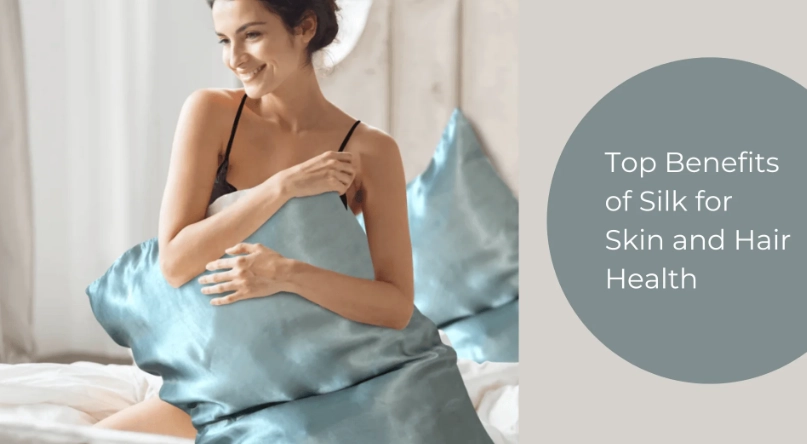
The Core Mechanism: It's All About Friction Reduction
Let's get physics-y for a second. Cotton, while natural, has a relatively rough surface under a microscope. When you sleep on it, your skin and hair cuticles catch and drag against those fibers. This creates micro-tears in the skin, disturbs the skin barrier, and roughens up the hair cuticle, leading to moisture loss, breakage, and yes, sleep creases that can, over years, become permanent lines.
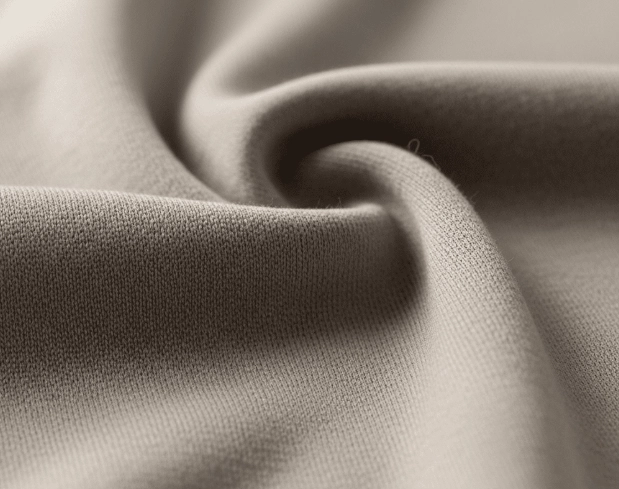
Silk, in contrast, has an incredibly smooth, cylindrical fiber structure. A study published in the Journal of Cosmetic Dermatology highlighted how this smoothness significantly reduces friction coefficient compared to other common fabrics. This single property is responsible for a huge chunk of the touted benefits of silk therapy. Less tugging equals less irritation, less breakage, and less deformation of the skin while you sleep.
The Tangible Benefits: What You Can Actually Expect
So, let's break down the promises versus the probable outcomes. Managing expectations is key, so I've categorized the benefits based on how supported they are by both science and widespread user experience.
For Your Skin: More Than Just Wrinkle Prevention
The skin-related silkworm cocoon therapy benefits (a term often used interchangeably) are the most celebrated. Here’s the realistic breakdown:
- Reduced Sleep Creases and Wrinkle Prevention: This is the big one, and it's legit. By minimizing the pressure and shear forces on your face for 6-8 hours a night, you prevent the formation of temporary sleep lines that can, over thousands of nights, etch themselves into permanent wrinkles. It's a brilliant, long-term preventative strategy. I notice my "side-sleeper" cheek crease is far less pronounced in the morning.
- Enhanced Skin Hydration: Silk is hygroscopic—it can absorb a fair amount of moisture without feeling damp. But more importantly, by reducing friction, it helps maintain your skin's natural lipid barrier. A healthy barrier keeps water in and irritants out. If you use night creams or oils, a silk pillowcase may help them stay put on your skin rather than being absorbed into your bedding.
- Gentleness for Sensitive or Acne-Prone Skin: This is a major win. The smooth surface doesn't trap bacteria, sweat, and oil against your skin like some synthetic fabrics can. It's also naturally hypoallergenic and dust-mite resistant. For anyone with rosacea, eczema, or acne, reducing nightly irritation can be a game-changer. I've heard from several people with sensitive skin who say it's the only bedding that doesn't cause flare-ups.
For Your Hair: The Frizz-Fighting, Breakage-Stopping Hero
Honestly, the silk therapy benefits for hair might be even more immediately noticeable than the skin benefits. If you have curly, frizzy, color-treated, or dry hair, pay attention.
| Hair Concern | How Silk Helps | Realistic Outcome |
|---|---|---|
| Frizz & Dryness | Minimizes friction that roughens up the hair cuticle. Smooth cuticles reflect light better and lock in moisture. | Waking up with smoother, shinier hair that requires less styling product to tame. Less "pillow head." |
| Breakage & Split Ends | Eliminates the nightly tug-of-war between hair and fabric, reducing stress on strands. | Less hair found on your pillow. Longer retention of length and healthier ends between trims. |
| Curly/Wavy Hair Definition | Allows curls to move freely without getting pulled apart or matted. | Better-preserved curl pattern overnight. Less need for complete re-wetting and styling in the AM. |
| Color-Treated Hair | Gentler surface causes less cuticle damage, helping seal in color molecules. | Potential for longer-lasting vibrancy and reduced fading from mechanical wear. |
My hair is fine and prone to breakage. After six months, my hairstylist actually commented that my ends were in better shape. That was proof enough for me.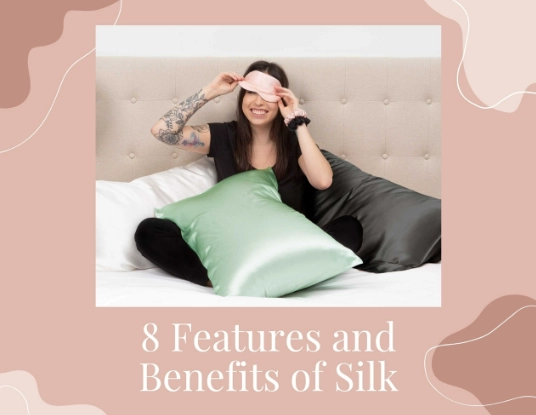
For Your Sleep and Overall Wellness
This is the underrated category. Silk is a temperature regulator. It's cool in summer and warm in winter because it adapts to your body temperature. If you're a hot sleeper, the difference is palpable—no more flipping the pillow to find the "cool side." That alone can improve sleep quality. Better sleep, as we know, is the ultimate beauty therapy. The sensory pleasure of the smooth, cool texture against your skin also has a calming effect, which can help you unwind faster.
How to Get the Real Benefits: A No-Nonsense Guide
Not all silk is created equal. You can buy a "silk" pillowcase for $20 or $200. The difference matters if you want the actual silk therapy benefits. Here's what to look for, based on my trial and error (and a few disappointing purchases).
Silk Quality: Momme Weight, Grade, and Weave
This is the jargon you need to understand:
- Momme (mm): This is the weight of the silk fabric. Heavier = denser, more durable, more opaque. For pillowcases, aim for 19mm to 25mm. Anything below 19mm feels too thin and flimsy to me—it won't last. The 22mm range is the sweet spot for a luxurious but sturdy feel.
- Grade: Grade 6A is the highest quality for mulberry silk (the best kind). It means long, continuous fibers with few imperfections. Lower grades may have more slubs (textural bumps) and shorter fibers that can break and pill over time.
- Weave: Charmeuse is the classic, shiny, slippery weave on one side (the good side) with a matte back. It's what most people picture. Habotai is lighter and has a more subtle sheen. For therapy purposes, charmeuse is typically recommended for its supreme smoothness.
My first cheap pillowcase was probably a low momme, low-grade silk. It developed a slight roughness and lost its luster after a few months of washing. Investing in a higher-quality one made the longevity and feel completely different.
Silk-Infused Skincare: Does It Work?
This is the other side of silk therapy benefits. Topical products containing hydrolyzed silk protein claim to moisturize, smooth, and strengthen hair and skin. According to research indexed by the National Institutes of Health's PubMed database, silk proteins can indeed form a protective, breathable film on the skin, helping to retain moisture and improve elasticity.
My take? They can be excellent hydrating and film-forming agents, especially in hair conditioners and leave-in treatments where they coat the hair shaft. In skincare, they add a silky feel and help with hydration. But are they a miracle ingredient? No. Think of them as a superb supporting actor in a formula, not the sole star. A good silk-protein serum is lovely, but it won't replace your retinoid or vitamin C.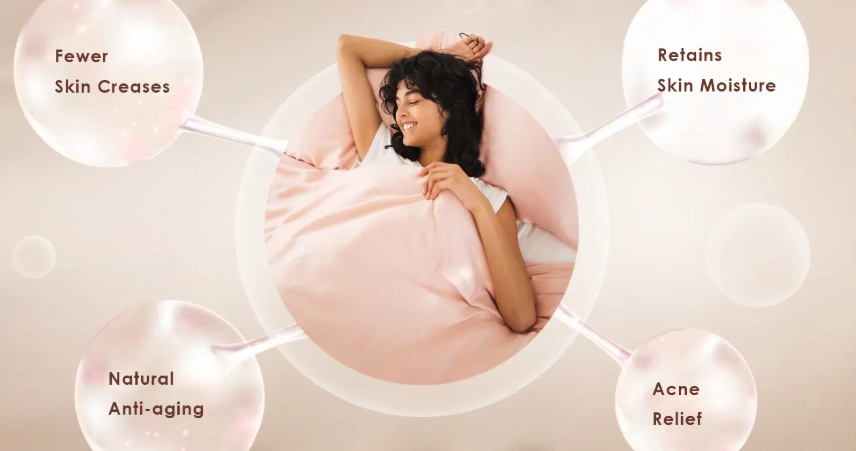
Your Silk Therapy Routine: Integrating It Seamlessly
You don't need to overhaul your life. Start small and see how it fits.
- The Pillowcase is King (or Queen): Start here. Get one good quality 22mm, Grade 6A Mulberry Silk Charmeuse pillowcase. Just one, for the pillow you actually sleep on. See if you notice a difference in 2-4 weeks.
- Hair Accessories: Silk scrunchies and hair wraps are fantastic. They cause far less breakage than elastic bands. A silk bonnet or wrap is a total game-changer for protecting elaborate hairstyles or very long/curly hair overnight.
- Bedding & Loungewear: This is the luxury tier. Silk sheets are divine but require serious commitment to care. Silk pajamas feel amazing and are great for temperature regulation.
- Topical Products: Look for hydrolyzed silk protein or sericin in the ingredient list of your moisturizers, serums, and hair masks. It's often found in products marketed for smoothing and anti-frizz.
Common Questions & Straight Answers
The Final Word: Is It Worth It?
After living with it, researching it, and talking to others, my verdict is a qualified yes. The core benefits of silk therapy—drastic friction reduction, temperature regulation, and gentleness—are very real. It's a holistic, preventative approach to beauty and comfort.
But go in with clear eyes. Don't expect a facelift in a fabric. Do expect to wake up with less creased skin, more manageable hair, and a more comfortable night's sleep. Start with a single, well-chosen pillowcase. See if your hair feels different, if your skin feels calmer. For many people, that single change is where the magic—the real, non-hyped magic—happens. It’s not a loud transformation; it’s a quiet, nightly upgrade that adds up. And sometimes, that's exactly what you need.
It turned this skeptic into a believer. Not in miracles, but in the power of a good night's rest on the right surface.