Quick Navigation
- What Does "Worth It" Even Mean for an Engagement Ring?
- The Cartier Value Proposition: Where Your Money Actually Goes
- Cartier vs. The Competition: A Side-by-Side Look
- Deep Dive: The Most Popular Cartier Engagement Styles
- The Practicalities: Buying, Owning, and Regretting
- So, Who is a Cartier Ring *Actually* For?
So you're thinking about popping the question, and your mind has wandered to that little red box. Cartier. It's a name that carries a certain weight, doesn't it? It whispers of old-world Parisian elegance, red carpets, and a legacy that goes back over a century. But when you're staring down at a price tag that could also be a down payment on a car, the question hits you hard: Are Cartier engagement rings actually worth it?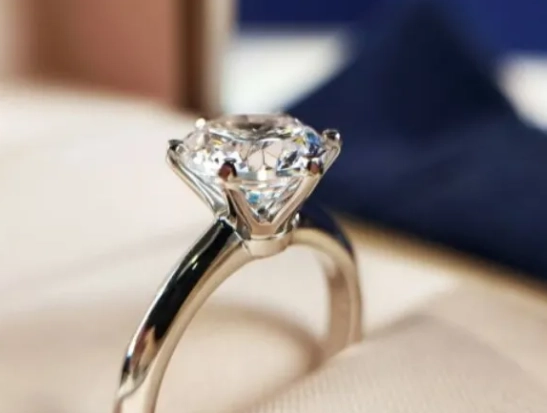
I remember being in that exact spot a few years ago. I'd saved up, I knew what she liked (or thought I did), and I walked into that boutique feeling a mix of excitement and sheer terror. The lighting was perfect, the sales associate was impeccably dressed and knew her history, and the rings... they were stunning. But later, with my bank account groaning, I had to really ask myself if I was paying for the diamond and the gold, or for the name on the box.
This isn't a fluffy love letter to a brand. We're going to strip away the marketing gloss and look at the cold, hard facts. We'll talk about what you're really getting—the craftsmanship, the materials, the designs that are iconic for a reason. But we're also going to talk about the hefty price premium, the sometimes-conservative styles, and whether that little screwdriver for the Love bracelet is a metaphor for something.
Let's break it down, no holds barred.
What Does "Worth It" Even Mean for an Engagement Ring?
Before we can answer "Are Cartier engagement rings worth it?", we need to define our terms. "Worth" is deeply personal. For some, it's purely about the carat weight and diamond quality they can get for their budget. For others, it's about the emotional resonance of the brand, the design, and the story it tells. For many, it's a brutal calculus of all the following:
- Tangible Quality: The cut, color, clarity, and carat of the diamond (the 4Cs). The purity and weight of the metal.
- Design & Craftsmanship: Is the ring beautifully made? Is the setting secure? Does the design feel timeless or trendy?
- Brand Value & Prestige: The intangible "feeling" of owning a Cartier. The recognition factor.
- Long-Term Value: Will it hold its value? Can it be easily serviced or resold?
- Emotional Payoff: Does it make you and your partner feel something special every time you look at it?
A ring from a mall jeweler might score high on carat size for your budget but low on craftsmanship and prestige. A vintage ring from an estate sale might score high on uniqueness and value but low on warranty and ease of resizing. Cartier sits in a specific cross-section of this Venn diagram.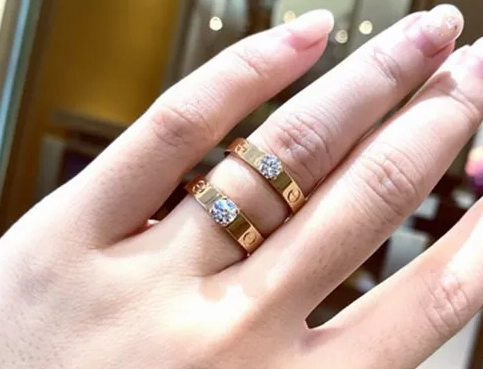
The Cartier Value Proposition: Where Your Money Actually Goes
Let's be clear: you are paying a significant premium for the name. Anyone who tells you otherwise isn't being honest. But that premium isn't just for a logo. It's for a bundled package. The question is, is that a package you want?
The Good Stuff (The "Pros")
- Iconic, Timeless Designs: This is Cartier's superpower. The Cartier Love collection, the Trinity ring, the 1895 solitaire setting—these aren't just rings; they're pieces of jewelry history. They are unlikely to look dated in 20 years. You're buying a classic.
- Exceptional Craftsmanship: The finishing is where you often see the difference. The polish is mirror-like, the prongs are perfectly formed, and the settings feel substantial and secure. There's a heft and precision to them that cheaper rings often lack.
- High-Quality Materials (Usually): Cartier uses excellent metals (18k gold, platinum) and their diamonds are ethically sourced. While they don't publicize a blanket policy, they have committed to responsible sourcing. You can find their statements on their corporate commitments page.
- The "Cartier Experience": From the boutique service to the iconic red box and pouch, the unboxing and ownership experience is curated. It feels special. For a once-in-a-lifetime purchase, that matters to a lot of people.
- Strong Resale Value (for the brand): Compared to a no-name brand, a Cartier ring will hold its value better in the secondary market. The brand has a global, dedicated following. Sites like Worthy or auctions show that classic Cartier pieces retain value decently.
- Global Service Network: If you move across the world, you can walk into almost any Cartier boutique for cleaning, sizing, or repair. The peace of mind is real.
The Not-So-Good Stuff (The "Cons")
- The Price Premium is Real: You are paying for the brand, full stop. For the cost of a 1-carat Cartier solitaire, you could often get a larger or higher-spec diamond from a high-end independent jeweler or online retailer like Blue Nile.
- Diamond Specifications Can Be "Just Fine": Cartier diamonds are guaranteed to be of good quality, but they are not always the absolute top-tier in terms of clarity or color for the price. They prioritize cut and overall beauty, which is smart, but a gemologist might find better "paper" specs elsewhere.
- Designs Can Be Conservative: If you want a ultra-modern, organic, or wildly unique design, Cartier might not be your place. Their strength is in timeless, often symmetrical, designs. Some find this elegant; others find it safe or boring.
- Cost of Ownership: Sizing and repairs at Cartier are expensive. Lose a diamond? Be prepared for a bill that also carries the brand premium.
- The "Everyone Has It" Factor: The Love bracelet is arguably one of the most recognizable (and copied) jewelry items in the world. If exclusivity is a primary concern, this might bug you.
Cartier vs. The Competition: A Side-by-Side Look
"Are Cartier engagement rings worth it?" often really means "Are they worth it compared to X?" Let's put them in the ring with other heavyweights.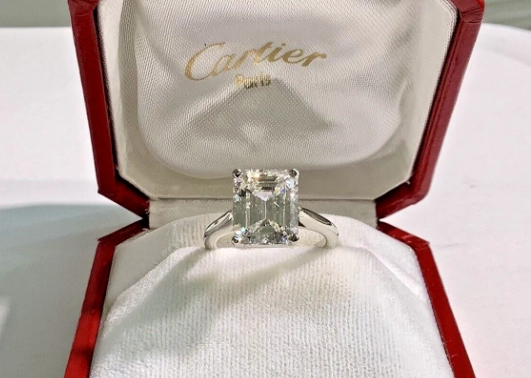
| Brand | Price Point (for 1ct Solitaire) | Design Signature | Craftsmanship | Best For... | Potential Drawback |
|---|---|---|---|---|---|
| Cartier | Very High Premium | Timeless, Iconic, European Elegance | Exceptional finish & heft | Those who value brand heritage, timeless design, and global service. | Highest price premium for specs; conservative styles. |
| Tiffany & Co. | Very High Premium | Classic American, The Tiffany Setting® | Excellent, brilliant polish | Lovers of the classic "blue box" and iconic six-prong setting. | Similar premium to Cartier; very branded experience. |
| Harry Winston | The Highest (Ultra-Premium) | Ultimate Diamond Luxury, Cluster designs | Peerless diamond selection & setting | The ultimate budget-is-no-object statement for diamond connoisseurs. | Extremely expensive; less everyday wearable for some designs. |
| Van Cleef & Arpels | Very High Premium | Romantic, Motif-Driven (flowers, fairies) | Exquisite, often intricate | Those seeking ultra-feminine, unique, and artistic designs. | Even less focus on "big diamond" solitaires; very high art premium. |
| High-End Independent Jeweler | High (but often less premium) | Fully Customizable, Unique | Can be exceptional (research needed) | Buyers who want maximum diamond quality/size for budget and a one-of-a-kind piece. | No global brand recognition; vetting the jeweler is crucial. |
| Online Retailer (Blue Nile, James Allen) | Lower (Best value for specs) | Vast selection, Customizable | Good to Very Good | Value-focused buyers who prioritize diamond specifications and selection. | Lacks the in-person boutique experience; can feel less "special." |
See the pattern?
Cartier and Tiffany are in a similar tier—you're paying for a powerful, global brand with a deep history. The choice between them often comes down to aesthetic preference (Parisian vs. New York) and which iconic design speaks to you. If your main goal is the largest, highest-graded diamond possible, the right-hand column starts looking very attractive. But if the story, the heritage, and the specific Cartier look are part of the dream, that's what you're buying.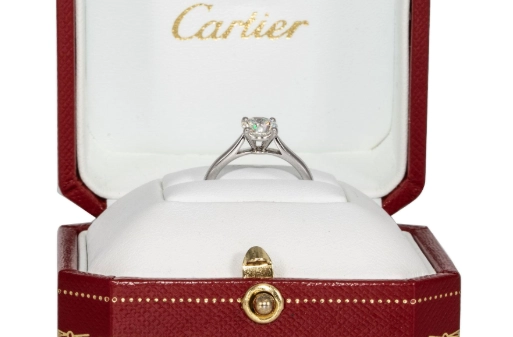
A Critical Point on Diamonds & Certification
Cartier provides its own grading. For absolute transparency and comparison shopping, you want a diamond graded by an independent lab like the Gemological Institute of America (GIA) or the American Gem Society (AGS). Most independent and online jewelers use these reports. With Cartier, you're trusting their in-house standards (which are high, but not as easy to compare). Always ask for the full specifications.
Deep Dive: The Most Popular Cartier Engagement Styles
The Cartier 1895 Solitaire
This is their quintessential engagement ring. Four or six prongs, a simple band, all focus on the center stone. It's understated, elegant, and the craftsmanship is in the details—the way the prongs are shaped, the flow of the metal. It's a direct competitor to the Tiffany Setting. Is a Cartier 1895 engagement ring worth it? If you crave that perfect, timeless solitaire and value the Cartier name on the inside of the band, then yes. If you just want a simple solitaire and are indifferent to the brand, you can find virtually identical settings for less.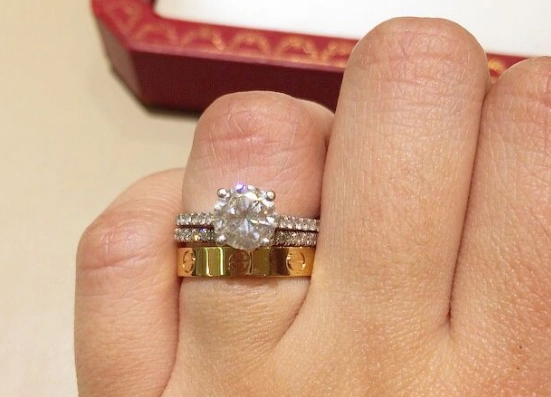
The Cartier Love Ring as an Engagement Ring
This is a fascinating choice. The iconic screw motifs make it unmistakable. It's bold, it's modern, and it's a symbol of commitment in its own right. Using it as an engagement ring is a powerful statement. However, the flat profile can make it tricky to pair with a wedding band. It's also a very specific look—you have to love the Love aesthetic. It's less about the diamond and more about the band itself as the symbol.
The Cartier Trinity
The interwoven bands of pink, white, and yellow gold symbolizing love, fidelity, and friendship. It's deeply meaningful and beautiful in motion. As an engagement ring, it's unconventional and deeply personal. It whispers rather than shouts. Worth it for someone who values symbolism and unique design over traditional bling.
Ballon Bleu de Cartier or Other Collection Rings
Some adapt rings from other collections. This is risky unless your partner has explicitly said they want it. It can look like you bought a fashion ring and called it an engagement ring. Tread carefully here.
The Practicalities: Buying, Owning, and Regretting
Let's talk logistics, because this is where the rubber meets the road.
The Buying Process
You'll likely go to a boutique. The experience is generally excellent, but don't be intimidated. Ask questions. Ask to see the diamonds under a loupe. Ask about the exact dimensions of the ring (carat weight is a measure of mass, not size). Inquire about the lead time for sizing. Get everything in writing. Remember, you can sometimes find discontinued or nearly new Cartier rings from reputable pre-owned luxury sites, often at a significant discount. This is a fantastic way to answer "are Cartier engagement rings worth it?" with a more forgiving price point.
Cost of Ownership & Maintenance
Cartier recommends cleaning and check-ups every few years. This isn't free, but it's part of protecting your investment. Insurance is non-negotiable. Add it to your homeowner's or renter's policy immediately, with a scheduled jewelry rider. Get a formal appraisal from Cartier for this purpose.
The Resale Reality
Will you get your money back? Almost never. Will you lose less than with a no-name ring? Almost certainly. Classic styles (1895 solitaire, simple Love rings) fare best. Highly stylized or heavily worn pieces lose more value. It's an emotional purchase first, an asset second.
Your Burning Questions, Answered
So, Who is a Cartier Ring *Actually* For?
After all this, I think a Cartier engagement ring is worth it for a specific person:
- The Classicist: Someone who values timeless design over trendy styles and wants a ring that will look elegant forever.
- The Brand Believer: Someone for whom the history, legacy, and story of Cartier add significant emotional value to the ring.
- The Global Citizen: A couple who moves or travels frequently and values the peace of mind of a worldwide service network.
- The "Experience" Buyer: Someone for whom the entire process—the boutique visit, the red box, the heritage—is a meaningful part of the engagement story.
It's probably not the best choice for:
- The Maximum Spec Hunter: If your primary goal is the largest or highest-graded diamond for your budget, look elsewhere.
- The Non-Conformist: If you crave a wildly unique, custom-designed art piece, an independent jeweler is your friend.
- The Purely Practical Spender: If the idea of paying a large premium for a brand name causes physical discomfort, you will have regret.
The Final Verdict
"Are Cartier engagement rings worth it?" isn't a yes or no question. It's a "it depends on what you value."
If you view the ring as a symbol where brand heritage, timeless design, and a globally recognized standard of quality are intrinsic parts of its meaning, then the premium can be justified. You are buying a piece of enduring jewelry from a house with a profound legacy.
If you view the ring primarily as a vehicle for a diamond, where the primary goals are size and quality on a gemological report, then the Cartier premium is harder to swallow. You can likely get more diamond for your money through other channels.
My advice? If you're considering it, go try them on. Feel the weight, see the finish, and get the full presentation. Then, visit a highly-rated independent jeweler and see what they offer for a similar budget. The difference will become clear. One isn't inherently better; they are different propositions. Your gut, and your partner's taste, will tell you which path feels right. For some, only the red box will do. And you know what? If that's the case, and it's within your means, then for you, a Cartier engagement ring is absolutely worth it.
Remember: An engagement ring's true worth is measured in the love it represents and the joy it brings every single day. The best ring is the one that makes your partner's face light up, regardless of the name inside the band.