Your Quick Navigation
- Where It All Began: Heritage & Brand Positioning
- The Wallet Test: Price Points & Accessibility
- Under the Loupe: Materials, Craftsmanship & Design Ethos
- The Icon Showdown: What Each Brand Is Famous For
- The Intangibles: Exclusivity, Experience & Resale Value
- So, Is Cartier Higher End Than Tiffany? The Verdict
- Your Decision Framework: Which One Is Right For YOU?
So you're standing there, maybe browsing online or even in a fancy department store, and the question pops into your head: is Cartier higher end than Tiffany? It's not just you. I've had this debate with friends, read countless forum threads, and even felt that subtle social pressure when someone spots a blue box versus a red one. Let's be honest, we're not just talking about jewelry here; we're talking about symbols, status, and a whole lot of perceived value.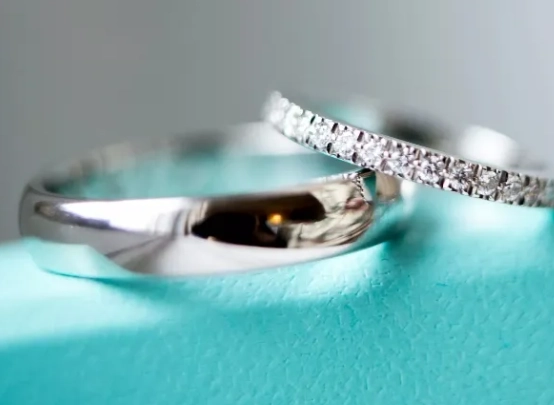
The short, unsatisfying answer is: it's complicated. But that's why you're here, right? You don't want a one-word answer. You want to know why one might be considered more prestigious than the other, where the real differences lie, and most importantly, which one deserves your hard-earned money if you're looking to make a statement or an investment.
I remember saving up for my first "serious" piece. I was torn between the classic Tiffany knot ring and Cartier's Trinity band. I spent hours comparing, not just prices, but the feel, the brand stories, and what each said about the wearer. That experience taught me it's never just about the sparkle.
Let's cut through the marketing. This isn't about which brand has better commercials. We're going to dig into heritage, price points (the real ones, not just the entry-level stuff), materials, craftsmanship, and that elusive aura of exclusivity. By the end, you'll have a clear framework to decide for yourself where each brand stands in the luxury hierarchy.
Where It All Began: Heritage & Brand Positioning
History matters in luxury. It's the foundation of the story they sell you.
Cartier, founded in Paris in 1847, built its reputation as "the jeweler of kings, the king of jewelers." That's not just a catchy slogan. They held royal warrants from the British, Spanish, and Thai monarchies. They created the first wristwatch for an aviator, Santos-Dumont. Their client list reads like a history book: royalty, aristocrats, and later, Hollywood icons like Grace Kelly and Elizabeth Taylor. The brand's DNA is intertwined with legacy, craftsmanship for the elite, and a sense of regal authority. Walking into a Cartier boutique, even today, feels like entering a private club with a heavy dose of European old-world gravitas.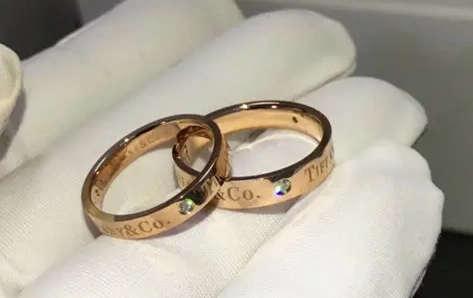
Tiffany & Co., founded in New York in 1837, started as a "stationery and fancy goods emporium." Its American roots shaped a different destiny. While it certainly catered to the wealthy (they supplied swords and surgical equipment during the Civil War, and later, diamonds to the nouveau riche), Tiffany's genius was in democratizing luxury, just a tiny bit. They pioneered the Blue Book catalog in 1845, bringing high jewelry to a wider audience. Their defining moment came in 1886 with the Tiffany Setting, the six-prong solitaire engagement ring that literally raised the diamond up to the light, revolutionizing how we think about engagement rings. Tiffany's aura is one of accessible romance, American optimism, and iconic, wearable style.
So, in the heritage duel, Cartier wins on pure, unadulterated aristocratic pedigree. Tiffany wins on cultural impact and creating iconic symbols for the masses (albeit wealthy masses).
One feels like a family heirloom; the other feels like a milestone gift.
The Wallet Test: Price Points & Accessibility
This is where the rubber meets the road. Anyone can claim to be luxurious, but the price tag tells a different story. Let's be brutally honest about what "entry-level" really means.
Breaking Down the Cost of Entry
Both brands have silver items to hook younger customers. A Tiffany Return to Tiffany tag bracelet in sterling silver is around $200. Cartier's equivalent, like a small silver Love bracelet-inspired bangle, doesn't really exist in pure silver—they use steel or other metals for their more affordable lines, like the Juste un Clou in stainless steel, starting around $2,000.
See the gap already?
The true comparison begins with their signature pieces in precious metals.
| Product Category | Cartier Entry Point (Approx.) | Tiffany & Co. Entry Point (Approx.) | Notes & Context |
|---|---|---|---|
| Iconic Bracelet (Precious Metal) | Love Bracelet in Yellow Gold (small model): ~$5,900+ | Tiffany T Wire Bracelet in Gold: ~$3,500+ | Cartier's Love requires a screwdriver, feels more substantial. Tiffany's T is open, more delicate. |
| Classic Ring (Gold Band) | Trinity Ring (3-band, 18k gold): ~$2,000+ | Atlas Ring (18k gold): ~$1,500+ | Both are iconic. Cartier's Trinity has a more complex, interwoven design. |
| Diamond Solitaire Ring (0.5 ct) | Solitaire 1895 setting: ~$4,500 - $6,000+ | Tiffany Setting: ~$3,500 - $5,000+ | Price heavily depends on diamond grade. Cartier's setting is often more minimalist. |
| High Jewelry / Couture | Cartier [S]antos-Dumont Haute Joaillerie watch: $200,000+ | Tiffany Blue Book Collection Necklaces: $50,000+ | At the pinnacle, Cartier's high jewelry and exceptional pieces regularly reach into the millions, often featuring extraordinary gemstones and historical design references. |
Looking at this, a pattern emerges. For directly comparable iconic items in gold, Cartier is consistently 20-40% more expensive. Their entry into "serious" jewelry (solid gold, signature designs) starts higher. Tiffany has a broader range that comfortably includes the $1,000-$3,000 bracket with many gold and diamond pieces, making it feel more accessible.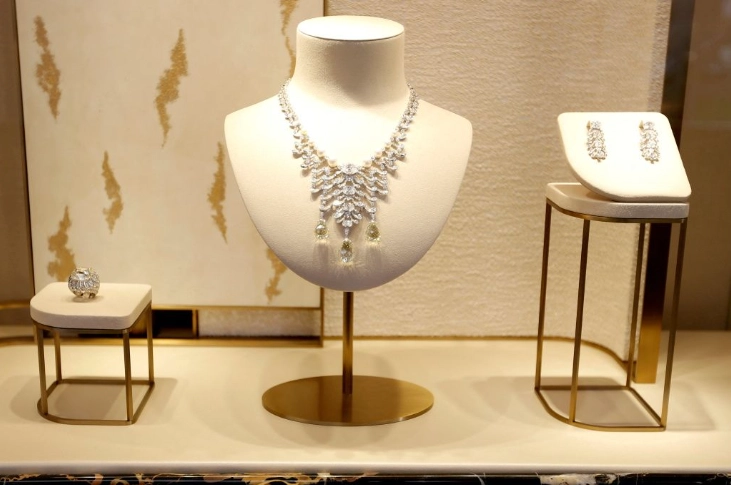
But here's the kicker, and where the "is Cartier higher end than Tiffany" question gets interesting. Cartier's pricing strategy feels more vertically aligned. Even their "affordable" steel jewelry sits at a price that is still a significant investment. Tiffany has a steeper slope from silver charm bracelets to multi-million dollar Blue Book pieces. This can, ironically, make Cartier's brand image feel more consistently elevated.
I once asked a sales associate at Cartier why the Love bracelet was so much more than a similar weight in gold. She didn't talk about materials. She talked about the design patent, the ritual of fastening it with a screwdriver (often with a partner), and its status as a modern "eternal" piece. You're not just buying gold; you're buying a myth.
Under the Loupe: Materials, Craftsmanship & Design Ethos
Price is one thing, but what are you actually getting? Both brands use high-quality materials, but their philosophies differ.
Diamonds & Gemstones
Tiffany has a huge advantage here with complete vertical integration. They source their own diamonds, cut and polish them, and set them. They famously invented the "Tiffany setting" and have their own proprietary diamond grading system. For a diamond engagement ring, many consumers trust the Tiffany Diamond Certificate as a mark of quality. You can verify their standards on their official diamond quality page.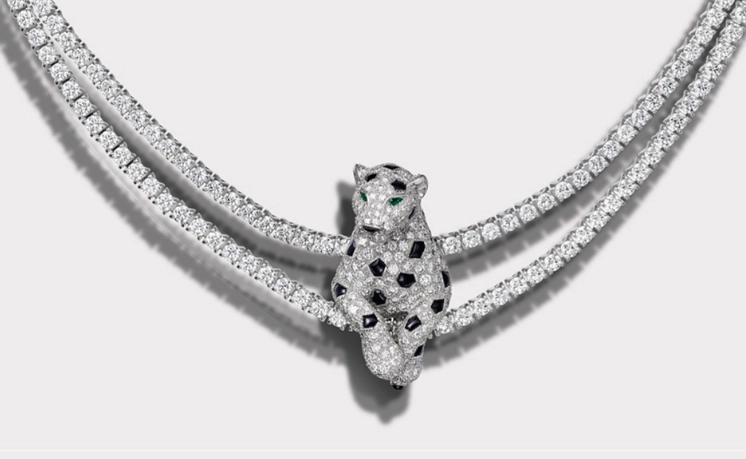
Cartier, while also using excellent gemstones, often focuses on the design and artistry as the star. They are known for creative use of colored gemstones (sapphires, emeralds, onyx) and for pioneering the use of platinum in jewelry. Their craftsmanship in intricate settings and their iconic "mystery setting" (where no metal claws are visible) is legendary. A visit to the Cartier high jewelry collections showcases this narrative-driven, artistic approach.
Tiffany sells you a perfect diamond. Cartier sells you a story set in stones.
Gold & Metals
Both use 18k gold as standard. However, Cartier is particularly renowned for its 18k pink gold alloy, a unique shade they've perfected. The weight and finish of Cartier pieces, like the Love bracelet, often feel more substantial—heavier, smoother, with a deeper polish. Tiffany's gold work can sometimes feel lighter or more delicate in comparison, which suits their aesthetic but contributes to a different tactile experience.
The Icon Showdown: What Each Brand Is Famous For
Signature creations are the heartbeat of a luxury brand. They're instantly recognizable and carry the brand's entire identity.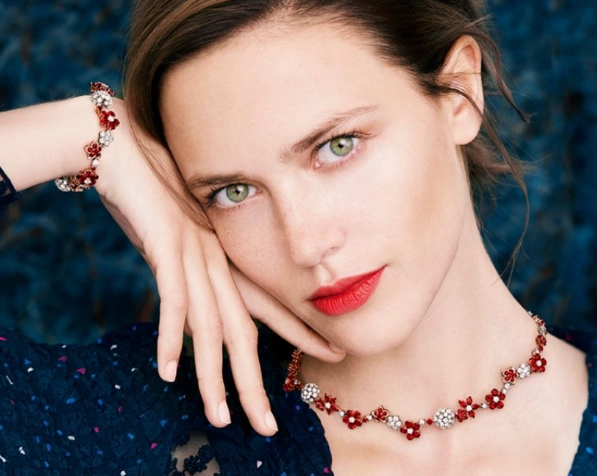
| Brand | Top 3 Iconic Jewelry Pieces | Starting Price (Approx.) | What It Says |
|---|---|---|---|
| Cartier | 1. Love Bracelet | $5,900+ | Permanent love, commitment, status symbol. Requires a tool to remove. |
| 2. Trinity Ring | $2,000+ | Elegance, intertwined lives (friendship, love, fidelity). A design classic. | |
| 3. Juste un Clou (Nail Bracelet) | $4,800+ (gold) | Edgy, modern, transforming the ordinary into precious. | |
| Tiffany & Co. | 1. Tiffany Setting Engagement Ring | Varies with diamond | The universal symbol of marriage proposals. Classic romance. |
| 2. Return to Tiffany Heart Tag Bracelet | $200+ (silver) / $2,000+ (gold) | Preppy, classic, sentimental. Often a first luxury gift. | |
| 3. Tiffany T Smile Necklace | $1,500+ (gold) | Modern, graphic, everyday luxury. |
Cartier's icons feel more like permanent statements—the Love bracelet is literally screwed on. Tiffany's icons are often about celebrating moments—the proposal, the graduation, the self-gift. This fundamentally shapes their perceived position.
The Intangibles: Exclusivity, Experience & Resale Value
Store Experience & Exclusivity
Cartier boutiques are fewer and often feel more curated and hushed. The focus is on appointments and private viewings, especially for high-value items. Tiffany stores are more numerous, brighter (all that blue!), and feel more welcoming to walk-ins. This accessibility is a double-edged sword for Tiffany's high-end image.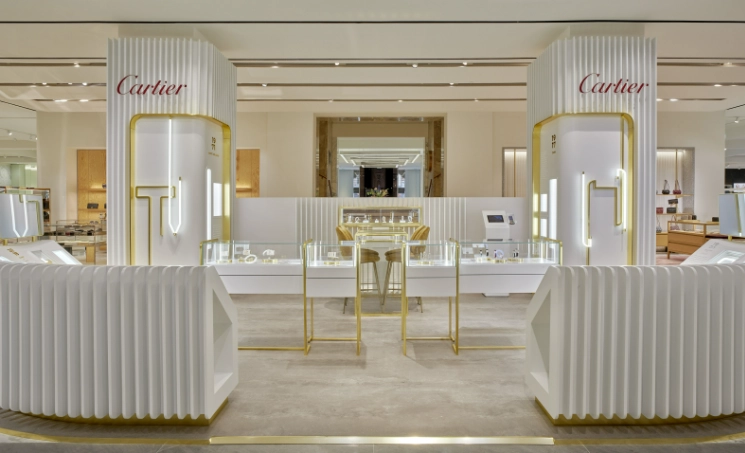
Ever tried to just walk in and buy a Love bracelet? They often have waitlists, especially for popular sizes and metals. That artificial scarcity, whether real or perceived, fuels desirability. Tiffany's iconic pieces are almost always in stock.
The Investment Angle (Resale Value)
This is a crucial point often overlooked. In the secondary market (platforms like The RealReal, auction houses), Cartier pieces, particularly the Love bracelet and certain vintage watches, hold their value remarkably well, sometimes selling for close to retail. Their design consistency and strong brand codes make them timeless.
Tiffany pieces, with the notable exception of rare vintage designs or exceptional diamonds, tend to depreciate more significantly after purchase. Their silver jewelry has almost no resale value. This market reality speaks volumes about which brand the market views as a more durable asset.
Key Insight: If you think of your purchase as an heirloom or an asset, Cartier has a clear edge. If it's a beautiful piece for a special occasion, Tiffany's resale hit matters less.
So, Is Cartier Higher End Than Tiffany? The Verdict
After pulling all these threads—heritage, price, materials, icons, and exclusivity—a clearer picture forms.
In the traditional, European-defined hierarchy of luxury, Cartier occupies a slightly higher tier. It's more expensive at the comparable product level, its brand story is more closely tied to historical royalty and exclusivity, its designs are perceived as more substantial and permanent, and its items hold value better. The question "is Cartier higher end than Tiffany" is often answered affirmatively by industry insiders and collectors based on these metrics.
However, Tiffany & Co. is a powerhouse of cultural relevance and accessibility. It owns the most important moment in many people's jewelry lives—the engagement. Its brand is warmer, more optimistic, and for many, more relatable.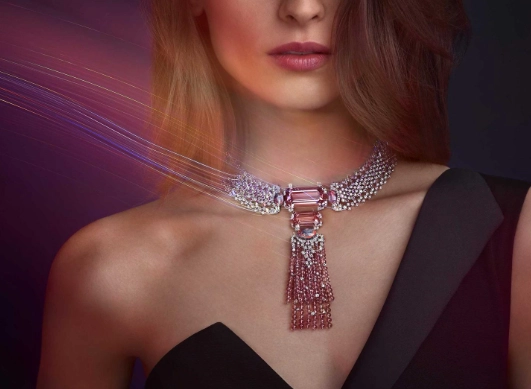
Think of it this way:
- Cartier is like a bespoke Savile Row suit: timeless, authoritative, an investment in a legacy.
- Tiffany is like a perfectly tailored, iconic designer dress: instantly recognizable, beautiful, and made for celebrated moments.
Both are unequivocally luxury. But one leans more towards old-world, asset-class luxury, and the other towards democratic, emotional luxury.
Your Decision Framework: Which One Is Right For YOU?
Stop asking which brand is objectively better. Start asking which is better for you.
Choose Cartier if: You value heritage and permanence. You see jewelry as a long-term investment or heirloom. You prefer heavier, more substantial pieces. You're drawn to designs with a historical narrative. Status and exclusivity are important factors in your purchase.
Choose Tiffany if: You're celebrating a specific, romantic milestone (especially an engagement). You prefer lighter, more delicate and wearable everyday pieces. The classic American optimism and the iconic blue box bring you joy. You want a wider range of entry points into fine jewelry.
Honestly, I own pieces from both. My Cartier Trinity ring feels like a part of me—a quiet, personal statement. My Tiffany earrings are what I throw on when I want to feel put-together and cheerful. They serve different purposes.
Quick Questions You Might Still Have
At the end of the day, the debate of is Cartier higher end than Tiffany reveals more about what we value in luxury itself. Is it the inaccessible history, the weight of gold, and the resale value? Or is it the iconic symbol, the emotional connection, and the joy of a bright blue box?
There's no wrong answer, only your answer. Now you have the details to choose with confidence.