Quick Navigation
- First Impressions: What You're Actually Getting in the Bottle
- Cracking the Code: The Kirkland Shampoo Ingredient List
- The Great Comparison: Kirkland vs. The Brands It's Said to Mimic
- Who is the Kirkland Shampoo From Costco REALLY For? (And Who Should Skip It)
- The Long-Term Use Experience: Buildup, Clarifying, and Rotation
- Frequently Asked Questions (The Stuff You Actually Search For)
- The Final Verdict: Is the Costco Kirkland Shampoo Worth Your Money?
Let's be honest. You're standing in the Costco aisle, staring at that gigantic, no-frills bottle of Kirkland Signature Moisture Shampoo. It's huge. The price per ounce is laughably small. A little voice in your head whispers, "This has to be a trick, right?" How can something so big and so cheap possibly be any good for your hair? Is it just watered-down soap with a fancy label, or is it a secret weapon for savvy shoppers?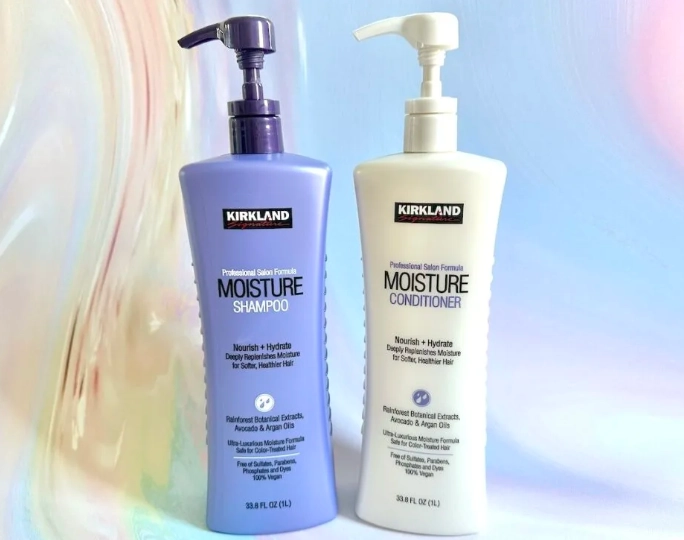
I wondered the same thing. After years of cycling through salon brands that cost as much as a small meal, I finally caved and tossed the twin-pack of Kirkland shampoo into my cart. What followed was a months-long experiment that completely changed my perspective on what you can expect from a budget shampoo.
The biggest question isn't if Kirkland shampoo works—it's if it works for YOU.
This isn't just a quick thumbs-up or thumbs-down. We're going to pick apart that bottle from every angle. We'll dig into what's actually inside, who it's genuinely perfect for, and who might want to walk on by. We'll compare it to the brands it's often rumored to dupe. I'll even share my own messy, real-life results (the good, the bad, and the surprisingly flat days).
First Impressions: What You're Actually Getting in the Bottle
Okay, so you've bought it. You haul home what feels like a gallon of shampoo. The first thing you notice is the packaging. It's... utilitarian. This is Kirkland Signature through and through—simple, straightforward, confident without being flashy. There's no luxurious pump, no embossed glass bottle. It's a practical plastic bottle designed for a family bathroom or a long haul.
The scent is the next big reveal. It's a clean, fresh, almost salon-like fragrance. It's not overly floral or fruity. Some people describe it as a generic "clean" smell, but I find it pleasant and not too strong. It doesn't linger heavily on your hair, which is a plus if you're sensitive to perfumes or prefer to let your conditioner or styling products provide the scent.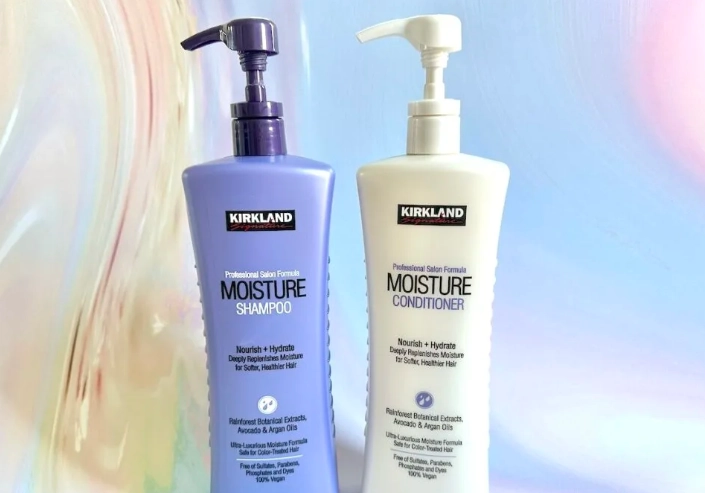
Now, the texture. It's a rich, pearlescent, creamy liquid. It lathers generously—sometimes overwhelmingly so. If you're used to sulfate-free formulas that produce minimal suds, the lather from the Kirkland shampoo might shock you. It feels substantial and cleansing.
Cracking the Code: The Kirkland Shampoo Ingredient List
This is where the rubber meets the road. To understand any shampoo, you gotta look under the hood. The Kirkland Signature Moisture Shampoo formula is often discussed in hushed tones as a "dupe" for higher-end brands. Let's see what's really in there.
Key Ingredients Breakdown
The Cleansers: Sodium Laureth Sulfate and Cocamidopropyl Betaine. This is a classic, effective cleansing combo. SLS gets a bad rap, but Sodium *Laureth* Sulfate is generally considered milder. It's what creates that copious lather. If your scalp is truly sensitive to sulfates, this is your red flag.
The Moisturizers & Shine-Enhancers: This is where the "Moisture" claim comes from. You'll see Hydrolyzed Silk (a protein that can add slip and shine), Glycerin (a humectant that draws moisture), and Silicones like Dimethicone and Amodimethicone. Ah, silicones. They're the controversial ones. They coat the hair shaft, smoothing cuticles, reducing frizz, and adding instant shine. For many hair types, this is a good thing! It makes hair manageable. But for some—especially those with fine, low-porosity hair that gets weighed down easily—it can lead to buildup and a limp feeling over time.
Other Notables: It has a pH-balancing Citric Acid further down the list, and some botanical extracts like Chamomile and Marigold. It's also formulated without parabens, for what that's worth to you.
So, what does this formula tell us? The Costco Kirkland shampoo is designed as a moisturizing, smoothing, and shine-focused cleanser. It's not a clarifying shampoo. It's not a volumizing shampoo. Its mission is to clean while depositing smoothing agents to make hair look polished.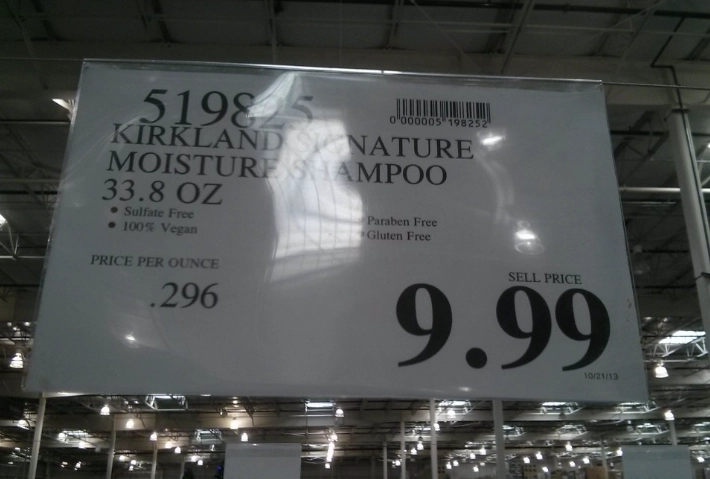
For a deeper dive into cosmetic ingredient safety and definitions, resources like the U.S. Food and Drug Administration's cosmetic ingredient pages or the Environmental Working Group's Skin Deep database can be useful for personal research, though it's always good to cross-reference information.
The Great Comparison: Kirkland vs. The Brands It's Said to Mimic
You've probably heard the rumors. "It's just Pureology in a different bottle!" or "It's a dupe for [Insert Expensive Salon Brand Here]." Let's put that to rest with a straightforward comparison.
The most common comparison is to Pureology Hydrate Shampoo. Having used both, I can see why. The scent profiles are strikingly similar—that fresh, "salon" fragrance. The texture and color are also close. However, the ingredient lists are not identical. Pureology's sulfate-free formula is built around different cleansing agents and features its AntiFade Complex for color protection. The Kirkland shampoo contains sulfates and has a different core focus. Calling it an exact dupe isn't accurate. It's more of a sensory cousin—it mimics the experience for a fraction of the price, but the underlying mechanics differ.
| Feature | Kirkland Signature Moisture Shampoo | Pureology Hydrate Shampoo | Typical Drugstore Moisturizing Shampoo |
|---|---|---|---|
| Key Focus | Cleansing, Smoothing, Shine | Color Care, Hydration, Sulfate-Free | Basic Cleansing & Moisture |
| Cleansing Agents | Sulfates (Sodium Laureth Sulfate) | Sulfate-Free (Cocamidopropyl Betaine, etc.) | Often Sulfates |
| Silicones | Yes (Dimethicone, Amodimethicone) | Yes (Amodimethicone) | Commonly Yes |
| Fragrance Similarity | Very High | — | Low |
| Price per fl oz (approx.) | ~$0.25 | ~$2.50+ | ~$0.50 - $1.00 |
The real Kirkland shampoo value proposition isn't about being a perfect clone. It's about delivering 80% of the sensory and performance experience of a premium product at 10% of the cost. For many people, that's an incredible trade-off.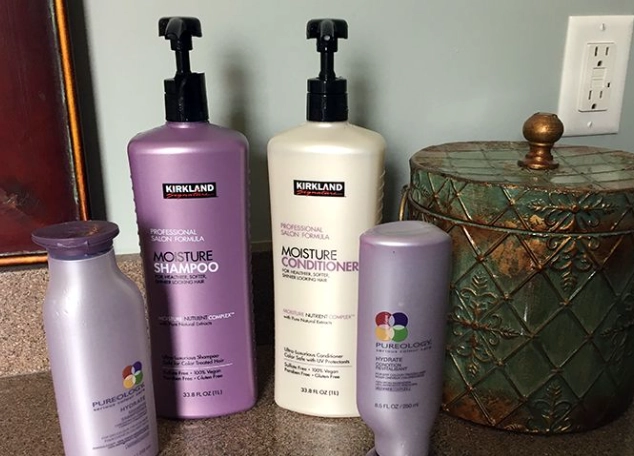
Who is the Kirkland Shampoo From Costco REALLY For? (And Who Should Skip It)
This is the million-dollar question. Based on the formula and countless user reports (including my own), here’s the breakdown.
The Ideal User Profile:
- Thick, Coarse, or Frizzy Hair: This hair type often thrives with the smoothing silicones. It tames the mane, adds shine, and makes detangling a dream.
- Dry or Damaged Hair: The moisturizing agents and silicones can provide a temporary smoothing effect that makes hair look and feel healthier.
- Families & High-Volume Users: The value is unbeatable for a household that goes through shampoo quickly. It's a workhorse.
- People Who Double Wash or Use Lots of Product: If you use heavy styling creams, oils, or dry shampoo, this is an effective, affordable cleanser to reset your scalp.
- Those Not Married to "Clean Beauty" Labels: If you're okay with sulfates and silicones in your routine, this is a non-issue.
Think Twice If You Have:
- Fine, Thin, or Low-Porosity Hair: This is the biggest caution. The silicones and rich formula can easily weigh fine hair down, making it look greasy at the roots and limp overall by the second or third wash. My hair is fine, and this was my main struggle.
- A Sensitivity or Aversion to Sulfates: If sulfates irritate your scalp or you simply prefer to avoid them, this isn't your shampoo.
- Curly Hair Following the Curly Girl/Guy Method (CGM): Most CGM routines forbid sulfates and non-water-soluble silicones, which this shampoo contains. It's likely too harsh and will cause buildup that requires a clarifying wash.
- An Oilier Scalp: The moisturizing focus might not provide the deep cleansing an oily scalp craves, potentially leading to faster greasiness.
See the pattern?
It's all about hair density and texture. The Kirkland shampoo is a heavyweight champion in a league that doesn't always favor featherweights.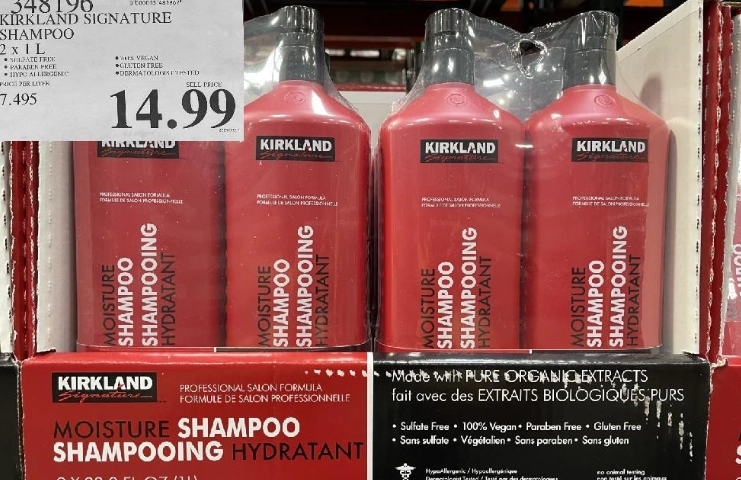
The Long-Term Use Experience: Buildup, Clarifying, and Rotation
Let's talk about the elephant in the room: silicone buildup. It's real. If you use this shampoo (and especially its matching conditioner) daily, week after week, you will likely experience buildup. Your hair might start to feel coated, waxy, stubbornly limp, and lose volume.
This isn't a flaw unique to Kirkland—it's a characteristic of any silicone-heavy regimen. The solution isn't to ditch the shampoo, but to incorporate a clarifying wash into your routine.
My personal strategy became a rotation:
- Week 1 & 2: Use the Kirkland Shampoo. Hair feels smooth, shiny, manageable.
- Week 3: Hair starts feeling a bit "too" smooth, less body. Time for a reset.
- Clarifying Day: Use a shampoo with no silicones, often with a stronger cleansing agent. A simple Suave Daily Clarifying or even a diluted apple cider vinegar rinse works.
- Then, start the cycle again.
This rotation system lets me enjoy the benefits of the Costco shampoo—the shine, the detangling aid, the incredible cost savings—without suffering the downsides of buildup. It turns a potential con into a manageable part of a haircare system.
Frequently Asked Questions (The Stuff You Actually Search For)
Is Kirkland shampoo good for color-treated hair?
It's not specifically formulated for color protection like a salon brand would be. It contains sulfates, which can contribute to faster color fading compared to sulfate-free formulas. If you have expensive color you want to preserve maximally, you might want a dedicated color-care shampoo. For standard box dye or if you don't mind a slightly faster fade for the sake of value, many color-treated users report it's fine.
Does it cause hair loss?
There is no ingredient in the Kirkland Signature shampoo that is scientifically linked to causing hair loss. However, any shampoo that causes buildup or scalp irritation for an individual could potentially lead to increased shedding if it inflames the follicle environment. If you experience unusual shedding, stop use and consult a dermatologist. For the vast majority, it's not an issue.
Can I use it every day?
You can, but you might not need to. It's quite effective, and daily washing, especially with a rich formula, can lead to faster buildup. Many find they can stretch washes to every other day or longer when using it. Listen to your hair.
Is there a matching conditioner?
Yes! Costco typically sells the Kirkland Signature Moisture Conditioner in an identical twin-pack. It's equally massive and follows the same philosophy—rich, silicone-heavy, and intensely moisturizing. It's a great partner if your hair can handle the double dose of smoothing agents.
Is Kirkland shampoo cruelty-free?
Kirkland Signature brand states that its products are not tested on animals. However, it is not certified by organizations like Leaping Bunny. If official certification is important to you, you'll need to research the current brand stance.
The Final Verdict: Is the Costco Kirkland Shampoo Worth Your Money?
It depends. Annoying answer, I know, but it's the truth.
If your hair profile aligns with the "Ideal User" list above, then absolutely, 100% yes. It's a spectacular value. You're getting a highly functional, pleasant-to-use moisturizing shampoo for pennies per wash. The savings are insane, and the performance is genuinely good for those hair types.
If you have fine, thin, or oily hair, or you're strictly sulfate/silicone-free, then it's probably not your holy grail. You might be able to make it work with a strict clarifying rotation, but there are likely better-targeted options for you, even within the value sphere.
The Kirkland Signature shampoo from Costco isn't trying to be everything to everyone. It's a straightforward, well-executed moisturizing shampoo sold in an economically brilliant format. It demystifies the idea that good hair care has to be expensive. The key is knowing your own hair well enough to decide if its particular strengths are what you need.
So next time you're in that aisle, you won't just see a giant bottle of mystery liquid. You'll see a tool—one that's incredibly powerful for the right person. Now you know if that person is you.