Quick Navigation
- Why Are Korean Shampoos So Popular, Anyway?
- The Main Contenders: Korean Shampoo Brands at Costco
- Head-to-Head: Which Costco Korean Shampoo Should You Choose?
- How to Pick the Right One For YOUR Hair (A Simple Flowchart in Words)
- The Unspoken Truth: Downsides of Buying Korean Shampoo at Costco
- FAQs: Your Questions, Answered
Let's be honest. Wandering down the hair care aisle at Costco can be overwhelming. You've got the giant bottles of your childhood staples, the new organic brands, and then... a whole section of packaging covered in Hangul. Korean beauty, or K-beauty, has taken the skincare world by storm, and now it's making a serious push into hair care. Costco has become a surprisingly good source for these products. But are they really worth the hype? And more importantly, which bottle should you actually toss into that massive cart of yours?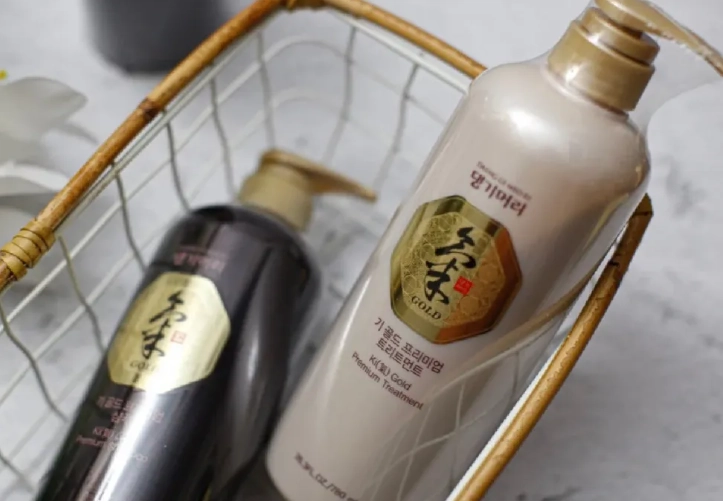
I've been down this rabbit hole myself. Standing there, holding a huge twin-pack of a Korean shampoo from Costco, squinting at the ingredient list, and wondering if it'll fix my frizz or just sit in my shower for two years. I've tried a few, loved some, been utterly disappointed by others. This guide is my attempt to save you from the guesswork. We're going to break down the major Korean shampoo brands you'll find at Costco, what they actually do, who they're for, and whether the Costco bulk deal is the smart move.
Why Are Korean Shampoos So Popular, Anyway?
Before we dive into the specific Costco finds, it helps to know what you're buying into. Korean hair care philosophy often differs from Western approaches. It's less about heavy, immediate smoothing and more about long-term scalp health and gentle nourishment. Think of it like the difference between a heavy foundation and a lightweight, skin-first serum. The goal is healthy hair that starts at the root.
Common traits you'll see in a Korean shampoo at Costco or elsewhere include a focus on natural, often unique ingredients (like ginseng, camellia oil, green tea, or rice water), gentler surfactants that don't strip your scalp raw, and formulas that target specific concerns like hair loss or extreme dryness with a blend of traditional and modern science. The Korean Ministry of Food and Drug Safety (MFDS) has stringent regulations on cosmetic claims, which adds a layer of trust—you can't just slap "prevents hair loss" on a bottle without some substantiation. You can read more about their cosmetic regulations on the official MFDS website.
The Main Contenders: Korean Shampoo Brands at Costco
Costco's selection rotates, but a few brands have become semi-permanent fixtures. Here’s a breakdown of the ones you're most likely to encounter on your next warehouse run.
Elizavecca CER-100 Collagen Coating Hair Protein Treatment (The Misleading Star)
Okay, let's address the elephant in the room first. You'll see Elizavecca everywhere. But here's the crucial thing: The famous pink bottle is NOT a shampoo. It's a hair treatment, like a deep conditioner or a mask. Costco often sells it in a pack with what I think is their actual shampoo, but the star of the show is the treatment. People buy it thinking it's shampoo, use it as one, and then wonder why their hair feels weird. Don't be that person.
The treatment itself is fantastic for a quick, intense dose of protein. If your hair is damaged, bleached, or just feels mushy, this can help strengthen it. But using protein treatments too often can make hair brittle. So if you grab this Costco Korean shampoo and treatment pack, use the treatment once a week, max. The actual shampoo in the pack is fine—nothing revolutionary, but a decent, gentle cleanser.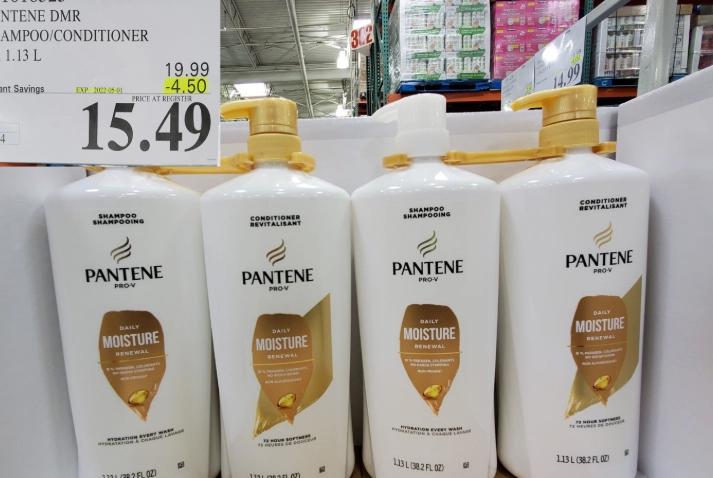
TS (Tresemme? No.) Shampoo & Treatment
TS is a huge Korean brand that's made a big splash at Costco. They often sell their shampoos paired with matching treatments or conditioners in value packs. TS focuses a lot on salon-quality results at home. Their most common lines at Costco target damage repair and color-treated hair.
I tried their "Damage Care" set. The shampoo lathers really well—sometimes a bit too well, which makes me question how gentle those surfactants are. The scent is strong and perfumey, a very classic "salon" smell that lingers. Performance-wise, it did make my hair smooth and manageable. It's a solid, effective product. But if you're sensitive to fragrance or prefer a truly minimalist formula, this might not be it. It feels more like a high-quality Western drugstore shampoo with a Korean label.
Ryo (呂) Hair Loss Care Shampoo
This is the heavy hitter for a specific concern. Ryo is a heritage brand from Amorepacific (the giant behind Sulwhasoo and Laneige) that specializes in traditional Korean herbal medicine for hair. Their signature line uses ginseng, biotin, and other herbs to nourish the scalp and strengthen hair roots to prevent loss. Finding a Korean shampoo for hair loss at Costco often means finding Ryo.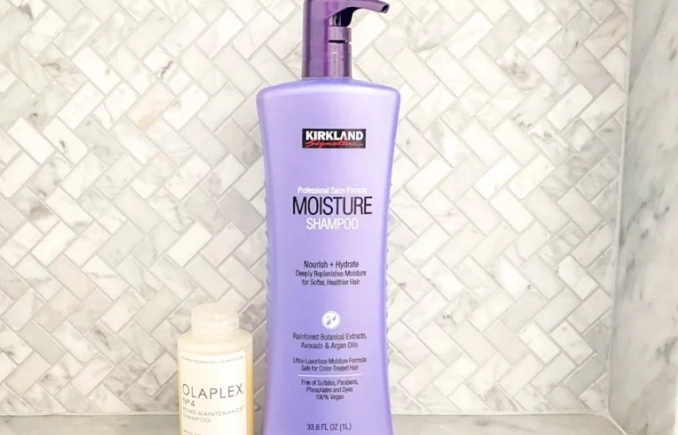
This is where the K-beauty scalp-health philosophy shines. It doesn't sudse a ton, which takes some getting used to. It feels like you're washing your scalp with a herbal tonic. The smell is medicinal—pure ginseng and herbs. It's not for everyone. Did it stop hair loss? It's hard to attribute cause and effect, but my hair fall in the shower seemed to reduce noticeably after a month of consistent use. The American Academy of Dermatology notes that gentle, scalp-friendly cleansers are a key part of managing hair loss, which aligns with Ryo's approach. You can find their general hair loss tips here.
Other Frequent Flyers
You might also spot brands like Diane (great for moisturizing, often with unique oils), Kerasys (known for lovely, feminine scents and softness), or Lador (professional-grade formulas). The stock varies by region and season. I once saw a Lador Acidic Shampoo pack that was gone the next week—so if you see something intriguing, don't sleep on it.
Head-to-Head: Which Costco Korean Shampoo Should You Choose?
Let's make this visual. Here’s a quick comparison table to help you scan based on your primary hair goal.
| Brand / Product (Common at Costco) | Key Ingredients & Focus | Best For Hair That Is... | Texture & Scent | The Costco Value Verdict |
|---|---|---|---|---|
| Elizavecca (Treatment Focus) | Collagen, Ceramide; Intensive Protein Treatment | Damaged, bleached, weak, over-processed | Thick, creamy treatment; Mild shampoo scent | High. The treatment is a cult favorite, and getting it in bulk is cheap. |
| TS Damage Care | Ceramide, Keratin; Damage Repair & Protection | Dry, frizzy, color-treated, needing smoothness | Rich lather, strong perfumed salon scent | Good. You get a lot for your money, performance is reliable. |
| Ryo Hair Loss Care | Ginseng, Biotin, Herbal Extracts; Scalp Health & Strengthening | Thinning, oily scalp, weak roots, lifeless | Low lather, strong herbal/medicinal scent | Very High. Specialty hair loss shampoos are pricey elsewhere. |
| Kerasys Moisturizing | Argan Oil, Shea Butter; Hydration & Softness | Dry, coarse, curly, in need of moisture | Medium lather, floral/fruity fragrance | Fair. Good if you know you love the scent and feel. |
See? It's not one-size-fits-all. Grabbing the first Korean shampoo from Costco you see might leave you disappointed if it's mismatched to your needs.
How to Pick the Right One For YOUR Hair (A Simple Flowchart in Words)
Staring at the shelf? Ask yourself these questions.
Is your main worry hair fall or a weak, itchy scalp?
Go straight for Ryo. Embrace the herbal smell. It's the most targeted Korean shampoo at Costco for this issue. Be patient with results.
Is your hair fried from heat or bleach?
Look for the Elizavecca pack (remember, use the treatment weekly!) or the TS Damage Care line. Both are designed to patch up the damage.
Do you just want shiny, soft, manageable hair?
TS or Kerasys are safe bets. They're the all-rounders focused on cosmetic results—smoothness and scent.
Do you hate strong perfume?
Avoid TS and Kerasys. Lean towards Ryo (medicinal) or check the ingredient list of others for "fragrance/parfum" lower down.
Is this your first time trying a Korean shampoo?
Maybe don't commit to a Costco-sized twin-pack. See if you can find a single bottle at an Asian supermarket or online first to test. I made the mistake of buying a huge pack of a moisturizing one that was way too heavy for my fine hair. Wasted money.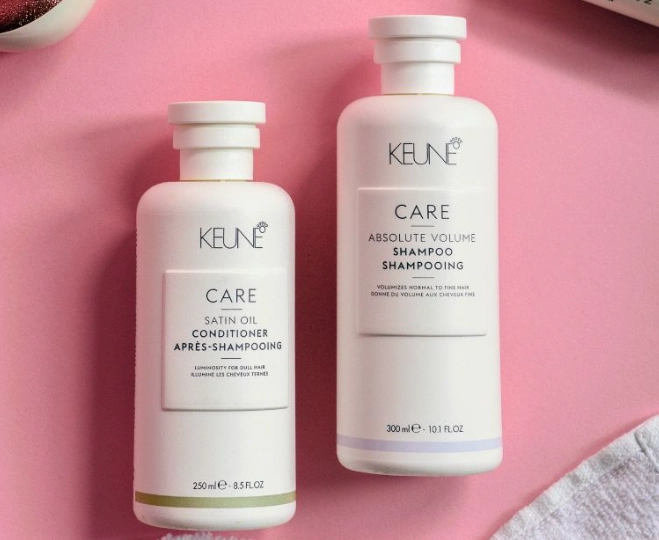
The Unspoken Truth: Downsides of Buying Korean Shampoo at Costco
It's not all rainbows and bulk savings. Let's get real about the potential pitfalls.
Commitment Issues: You're buying two or three huge bottles. If you hate it, you're stuck with a liter of regret. These bottles are massive.
Limited Range: Costco carries a few popular lines, not the entire catalog. You might miss out on a brand's more specialized or newer formulas.
Translation & Information Gap: While there's an English sticker, sometimes the marketing nuance or specific instructions are lost. You might not know if it's a pre-wash treatment, a scalp scrub, or a daily shampoo.
Freshness? This is a minor worry, but with slower-moving inventory, how long has that bottle been on the shelf? Cosmetic products do have a shelf life, usually marked by a Period After Opening (PAO) jar icon (e.g., 12M).
My personal negative? I found one popular Costco Korean shampoo brand left a weird, almost waxy film on my hair after a few uses. It took a clarifying shampoo to reset. That's the risk of the bulk buy.
FAQs: Your Questions, Answered
Usually, no. They are authentic imports. However, sometimes brands create slightly different formulations or packaging for export markets to comply with local regulations or ingredient restrictions. The core product is the same. The presence of a Korean ingredients list (in Hangul) on the bottle is a good sign of authenticity.
Most are formulated to be gentle enough for daily use, especially the scalp-care ones like Ryo. However, the general dermatological advice, echoed by experts worldwide, is that most people don't need to shampoo daily. It depends on your scalp oiliness. Listen to your hair. A good Korean shampoo from Costco shouldn't leave your scalp screaming for moisture.
You don't have to, but it's designed as a system. The pH and ingredients often complement each other. For the best results from lines like TS or the Elizavecca pack, using the pair is recommended. It's also why Costco sells them together—it's a complete regimen.
This is the biggest adjustment! Many Korean shampoos use gentler, often plant-based surfactants that don't produce the thick, dense foam of SLS-heavy shampoos. Less foam doesn't mean less clean. It means it's less stripping. It might feel weird at first, but your scalp may thank you.
Costco wins on price per ounce, almost always. Online, you pay a premium for single bottles and shipping. Costco's return policy is also your safety net—if you truly have a bad reaction, you can usually return it. Try that with an online international retailer. The trade-off is the limited selection and bulk commitment.
The Final Take: Is a Costco Korean Shampoo Haul Right for You?
Here's my honest summary. If you have a clear hair concern (like damage or hair loss) that matches a specific brand Costco carries, and you're ready to commit to a 3-6 month supply, then yes, absolutely. The value is outstanding.
If you're just curious about K-beauty hair care, have finicky hair, or hate strong scents, proceed with caution. Maybe start with a single bottle from elsewhere. The world of Korean hair care is vast and wonderful, and Costco offers a tempting, value-packed entry point. Just shop with your eyes open—and with this guide in your back pocket.
Next time you see that wall of Hangul in the Costco beauty aisle, you won't just see foreign bottles. You'll see potential solutions. You'll know that the pink Elizavecca is a treatment, that Ryo smells like a herb garden but might save your thinning hair, and that TS will give you that blowout feel. Happy hunting, and may your hair be healthy, shiny, and bulk-discounted.