Your Cocktail Attire Cheat Sheet
So you got an invite that says "cocktail attire." You stare at your closet, and a wave of panic hits. Is that little black dress fancy enough? Do you need a full tuxedo? What about shoes? You're not alone. What is the dress code for cocktail wear? It's one of the most common, and most confusing, style questions out there.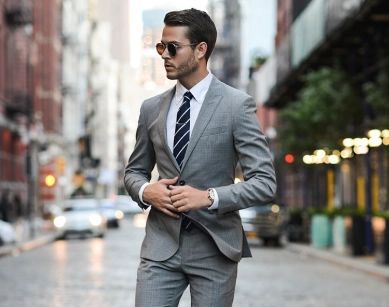
Let's cut through the noise. I've been to more cocktail events than I can count—weddings, gallery openings, fancy fundraisers, work parties. I've seen the good, the bad, and the "oh honey, no." I've also been the person who got it wrong once or twice. That sinking feeling when you're either wildly overdressed or embarrassingly underdressed? Yeah, let's avoid that.
This guide isn't about strict, boring rules. It's about understanding the vibe. Cocktail attire sits in that sweet spot between business casual and full-on black tie. It's elegant but not stuffy, polished but with room for personality. The core idea is semi-formal. Think of it as your best, most put-together version of yourself.
The Golden Rule of Cocktail Attire: When in doubt, it's always better to be slightly overdressed than underdressed. Showing up in a suit when others are in blazers is fine. Showing up in jeans when others are in dresses is a social faux pas you'll feel all night.
The Heart of the Matter: Defining Cocktail Attire
Let's get specific. The term "cocktail attire" originated in the mid-20th century for parties held before formal dinners. The goal was stylish, relatively brief socializing over drinks. That spirit remains. It's not a full-evening gown affair, nor is it a casual backyard BBQ.
If you're still wondering what is the dress code for cocktail wear in practical terms, picture these elements: refined fabrics (silk, lace, satin, fine wool, crepe), tailored silhouettes, knee-length or midi hemlines (typically), and deliberate accessories. It's an outfit that says you made an effort.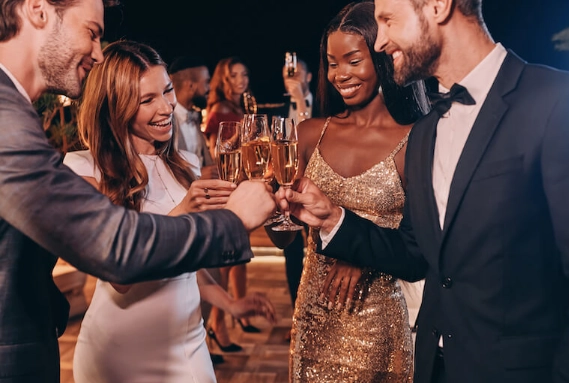
The confusion often comes from venue and time. A rooftop cocktail party in summer demands a different approach than a winter holiday party in a historic ballroom. We'll get to those nuances.
For Women: The Cocktail Attire Blueprint
The options for women are vast, which is both a blessing and a curse. Here’s your fail-safe formula.
The Dress: This is the most common choice. The classic cocktail dress is knee-length or tea-length. Not mini, not maxi. Think anywhere from just above the knee to mid-calf. A-line, fit-and-flare, sheath, or slip dresses are all excellent. The little black dress (LBD) is a legend for a reason—it works every single time. But don't feel limited to black. Navy, emerald, burgundy, or even a sophisticated print can be stunning.
The Jumpsuit or Separates: A wide-leg, elegant jumpsuit in a luxe fabric is a fantastic modern alternative. Equally chic is a pair of tailored trousers or a sleek skirt paired with a sophisticated top—think a silk blouse, a sequined camisole, or a structured bodysuit.
I once wore a emerald green velvet jumpsuit to a holiday cocktail party, and I got more compliments that night than on any dress I've ever worn. It felt fashion-forward yet perfectly appropriate. Sometimes breaking the "dress" expectation pays off.
Shoes & Accessories: This is where you elevate the look. Heels are standard—pumps, sandals, or elegant block heels. If you absolutely cannot do heels, a pointed-toe flat in patent leather or satin can work. Your bag should be small and chic—a clutch or a mini bag. Jewelry is your friend: statement earrings, a delicate necklace, or a few good bracelets. A pashmina or wrap is both a stylish accessory and practical for temperature changes.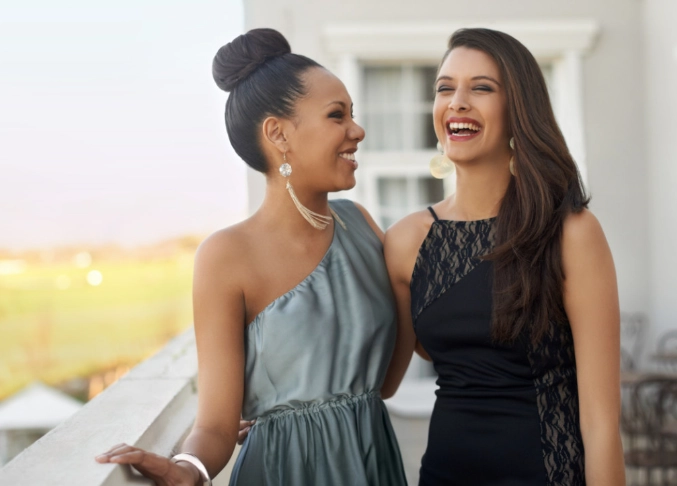
For Men: The Cocktail Attire Blueprint
Men have fewer items to choose from, but the details matter immensely.
The Suit: A dark, well-fitted suit is the cornerstone. Navy, charcoal grey, or dark grey are your best bets. Black can work but leans more formal. The fit is non-negotiable—it should feel comfortable but sharp. You can often forgo the full matching suit jacket and trousers if you have a killer blazer and complementary dress pants, but a suit is the safest, most polished route.
The Shirt & Tie: A crisp dress shirt, preferably in white or light blue. You can go with a tie or without. A tie (silk, no crazy patterns) makes it more formal. Going tieless? Unbutton that top button, but ensure the shirt is immaculate. A patterned or textured shirt can add personality if the event is more creative.
Footwear & Finishing Touches: Leather dress shoes. Oxfords, derbies, or loafers (if they are dressy, not boat shoes). Brown or black, polished to a shine. Belt should match your shoes. Socks should be dark and long enough that no skin shows when you sit. A pocket square is a small touch that shows you care. A watch is always a good idea.
Honestly, I see so many men mess up the shoes. Scuffed, casual sneakers with a suit is a hard no for cocktail attire. It ruins the whole effort.
Navigating Different Cocktail Scenarios
Not all cocktail events are created equal. The invitation might just say "cocktail attire," but you need to read between the lines. Here’s a quick guide to adjusting your outfit based on context.
| Type of Event | Vibe / Location | Women: Lean Towards | Men: Lean Towards | Key Consideration |
|---|---|---|---|---|
| Wedding (Cocktail Attire) | C celebratory, traditional. Often in hotel ballrooms, gardens. | Knee-length dress in festive colors (avoid white/ivory!). Dressy separates. | Full suit, tie recommended. Dark colors. | Respect the couple. No overly sexy cuts or loud patterns that distract. |
| Holiday Office Party | Professional but festive. Office or nice restaurant. | Midi dress, elegant jumpsuit. Add sparkle with accessories. | Suit, tie optional. A darker shirt or festive pocket square. | Keep it classy, not clubby. You're still with colleagues. |
| Summer Garden / Rooftop Party | Lighter, brighter, more relaxed. Outdoor elements. | Linen or cotton-blend dresses, lighter colors, wedges or dressy sandals. | Lighter suit (linen, cotton), maybe no tie, loafers. | Fabric breathability. Have a layer for when the sun sets. |
| Evening Gallery Opening / Fundraiser | Artsy, sophisticated, urban. Can be edgier. | Architectural silhouettes, bold colors, statement pieces. | Suit with a trendy cut, turtleneck instead of shirt, fashion sneakers (if high-end). | You can express more personal style here. |
See how what is the dress code for cocktail wear shifts slightly? The baseline is the same, but the accents change.
What NOT to Wear: The Cocktail Attire Faux Pas List
Sometimes knowing what to avoid is more helpful. Here’s my personal list of items that usually miss the mark for cocktail attire.
For Everyone: Denim (even "dressy" dark jeans), athletic wear of any kind, shorts, beachwear, overly casual t-shirts, baseball caps, backpacks, and beat-up sneakers.
For Women: Ultra-mini dresses (if you're questioning the length, it's probably too short), super casual sundresses (the kind you'd wear to the market), overly revealing clubwear (sheer panels, extreme cut-outs), daytime sandals (like flip-flops or Birkenstocks), and bulky daytime bags.
For Men: Wrinkled or ill-fitting suits, short-sleeved dress shirts (they rarely look right), novelty or overly bright ties, cargo pants, sport coats with jeans (unless specified as "smart casual"), and white athletic socks.
I went to a fundraising gala once where a guy showed up in a nice blazer... paired with khaki cargo shorts and boat shoes. It was indoors, in November. He looked utterly confused all night. Don't be that guy. When you understand what the dress code for cocktail wear entails, you avoid that isolating feeling.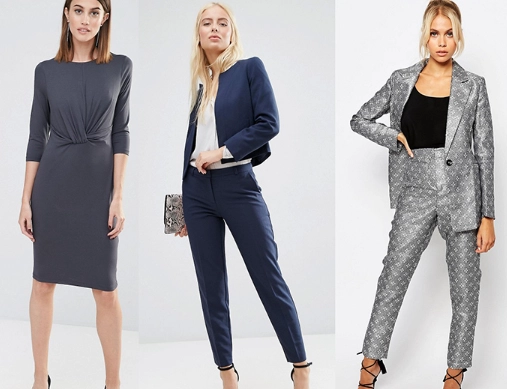
Answering Your Top Cocktail Attire Questions
You might also search for things like "cocktail attire men summer" or "cocktail wedding guest dress." The principles above apply—just adjust fabric and formality for season and specific event type.
Building Your Cocktail Attire Foundation
You don't need a massive wardrobe. A few key, high-quality pieces will see you through years of events.
For Women:
- The Universal Dress: A well-fitting little black dress in a seasonless fabric like crepe or ponte.
- The Colorful Option: A dress in a jewel tone (burgundy, navy, emerald) that flatters you.
- The Statement Jumpsuit: One elegant, wide-leg jumpsuit in black or a dark color.
- The Dressy Top: A silk blouse or sequined top to pair with black trousers.
- Footwear: Nude pumps and a pair of dressy black sandals.
- Accessories: A clutch, statement earrings, and a classic watch.
For Men:
- The Core Suit: One excellent-fitting navy or charcoal grey suit.
- The Versatile Blazer: A navy blazer that can be mixed with grey or khaki dress pants.
- The Shirts: Two white and one light blue dress shirt.
- Footwear: Brown leather oxfords or derbies.
- Finishing Touches: A simple silk tie, a pocket square, a leather belt.
Final Thoughts: Confidence is the Best Accessory
At the end of the day, what is the dress code for cocktail wear really asking? It's asking you to show up with respect for the hosts and the occasion. It’s about participating in a shared atmosphere of polished celebration.
The most important thing you can wear is confidence. If you feel good in what you're wearing, it shows. You'll stand taller, smile more, and enjoy the conversation instead of fussing with your outfit.
So next time that invite lands in your inbox, don't panic. Remember the golden rule, check the venue and season, and build from your foundation pieces. You've got this. Now go enjoy that cocktail.
For further inspiration and a deep dive into formalwear history and classifications, resources like Vogue's fashion guides or GQ's style section often provide great visual references and commentary from fashion editors. Another fantastic, practical resource is The Black Tux's style guide, which breaks down men's dress codes with clear examples.