Quick Navigation
You've got the invitation. It says "cocktail attire." You stare at your closet, and a wave of panic hits. Is that little black dress you love too short? Is the floral midi too casual? What even is a cocktail dress, anyway? If you've ever found yourself in this exact situation, you're not alone. The term gets thrown around a lot, but it's surprisingly tricky to pin down. It's not quite a ballgown, but it's definitely more than just a nice sundress. It lives in that stylish, sometimes confusing, in-between zone.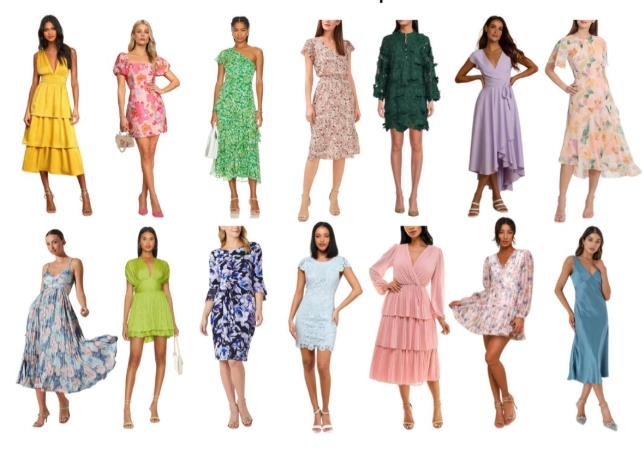
I remember my first real cocktail event. I showed up in what I thought was a perfect dress, only to feel completely out of place. Some people were in sparkly minis, others in elegant tea-length numbers. I was lost. That experience sent me down a rabbit hole of research, and let me tell you, the rules aren't as rigid as you might think. But there are clear signposts. This guide is everything I wish I'd known back then. We're going to move past the vague definitions and get into the nitty-gritty of how to identify a cocktail dress with absolute confidence.
The Core Idea: A cocktail dress is the sartorial sweet spot for semi-formal evening events. It's dressy, polished, and intentionally stylish, designed for socializing, drinking, and looking fabulous without trying to upstage the bride or the guest of honor. It's about looking put-together, not overdressed.
The Four Pillars: How to Identify a Cocktail Dress Every Time
Forget memorizing a single picture. Identifying a cocktail dress is about checking a series of boxes related to four key elements. If a dress hits most of these marks, you're almost certainly in cocktail territory.
1. The Length (The Most Reliable Clue)
This is your starting point. Length is the quickest visual cue. While there's some flexibility, cocktail dresses overwhelmingly fall within a specific range.
- The Gold Standard (Knee-Length & Tea-Length): This is the classic, fail-safe zone. A dress that hits anywhere from just above the knee to mid-calf (tea-length) is a quintessential cocktail dress. It's elegant, allows for easy movement, and is appropriate for virtually any venue. A Vogue article on evening wear often highlights the timeless appeal of the knee-length sheath for cocktail parties.
- The Modern Mini: Yes, a shorter dress can be a cocktail dress. The key here is elevation. A casual daytime mini won't cut it. A cocktail mini is usually made of a richer fabric (think silk, satin, lace, or beaded material), has a more refined cut, and is paired with sophisticated accessories. It's short, but it's not casual.
- What to Avoid: Full-length, floor-sweeping gowns are for black-tie events. Ankle-length can sometimes work if the fabric and style are very cocktail-appropriate, but it's a riskier choice. When in doubt, go shorter rather than longer for a cocktail event.
Length is your first filter. Get this right, and you're halfway there.
2. The Silhouette & Style (Where Personality Shines)
This is where you get to play. Cocktail attire welcomes a variety of styles, all with a shared sense of intention.
- The Sheath: Sleek, body-skimming, and eternally chic. It's a blank canvas for amazing jewelry.
- The Fit-and-Flare/A-Line: Flattering on almost every body type. The fitted bodice and flaring skirt feel playful and feminine, perfect for dancing.
- The Wrap Dress: A surprisingly good contender if done in a luxe fabric. It's elegant and universally forgiving.
- The Slip Dress: The minimalist's dream. In silk or satin, it's effortlessly cool and very modern for a cocktail party.
- LBD (Little Black Dress): The ultimate cocktail dress archetype. If you're ever truly stuck on how to identify a cocktail dress, a well-cut LBD in the right length and fabric is almost always a correct answer.
Watch Out: Super bodycon bandage dresses or overly casual styles like shirt dresses or denim dresses (unless extravagantly embellished) typically miss the cocktail mark. They skew either too clubbing or too daytime.
3. The Fabric & Embellishment (The "Feel" Factor)
This is what separates a "nice dress" from a "cocktail dress." The fabric tells a story of occasion.
Cocktail-Friendly Fabrics: Silk, satin, chiffon, velvet (seasonal), lace, crepe, high-quality knitwear (like a fancy ponte), taffeta, brocade. These fabrics have structure, sheen, or texture that reads as "dressy."
Common Embellishments: Beading, sequins, embroidery, strategic ruffles, pleating, or a dramatic open back. A little sparkle or a interesting detail goes a long way. The Met's Costume Institute archives show how embellishment has always been used to elevate daywear into eveningwear.
Fabrics to Question: Plain cotton, jersey (unless it's a very dressy design), chambray, linen (wrinkles too easily for evening), or flannel. These are great for other things, but they fight against the cocktail vibe.
I made the fabric mistake once. I wore a simple cotton sundress to a rooftop cocktail party, thinking the cut was cute enough. I felt underdressed all night next to people in silks and laces. The cut wasn't the issue; the fabric was all wrong. It just didn't have that evening "weight" to it.
4. The Color & Pattern (The Rules Are Looser Here)
Black, navy, burgundy, emerald green—these are classic, powerful choices. But cocktail doesn't mean boring.
Jewel tones are always a win. Rich patterns like florals, art deco prints, or polka dots can work beautifully if the dress's cut and fabric are dressy enough. The question to ask is: "Does this color/pattern feel celebratory and evening-appropriate?" A neon color might be too casual, while a muted pastel could be perfect for a garden party cocktail event.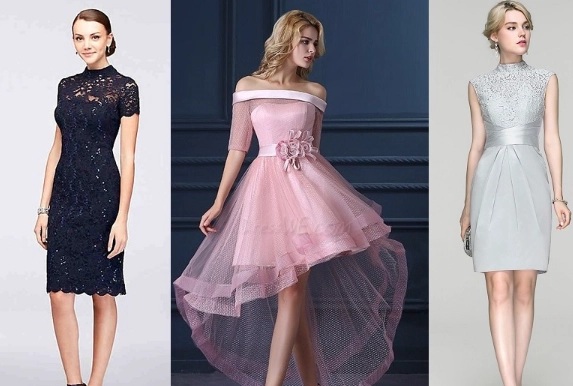
Putting It All Together: The Cocktail Dress vs. Other Dress Codes
Sometimes, the best way to identify a cocktail dress is to know what it's not. This table should clear up the confusion.
| Dress Code | Typical Length | Fabric & Embellishment | Formality Level | Key Differentiator from Cocktail |
|---|---|---|---|---|
| Cocktail Attire | Knee to Tea-Length (Minis possible) | Silk, Satin, Lace, Beading, Crepe | Semi-Formal to Formal | The standard. The balanced, stylish midpoint. |
| Business Formal / Office | Knee-Length or Below | Wool, Gabardine, Crepe (matte, structured) | Professional | Less decorative, more structured & conservative. Often has sleeves. |
| Casual / Day Dress | Any Length | Cotton, Denim, Jersey, Linen | Informal | Fabric is the dead giveaway. Lacks the "special occasion" feel. |
| Semi-Formal | Knee-Length or Longer | Similar to Cocktail, but can be slightly simpler | Semi-Formal | Often used interchangeably with Cocktail, but can be a touch more relaxed. |
| Black Tie Optional / Formal | Tea-Length to Floor-Length | Luxurious: Velvet, Heavy Silk, Extensive Embellishment | Very Formal | Length is key. A full-length gown is expected here. |
| Black Tie | Floor-Length Gown | Ultra-Luxe: Sequins, Beading, Silk, Tulle | Most Formal | Non-negotiable floor length. Cocktail dresses would be underdressed. |
See the pattern? It's a spectrum. Cocktail sits firmly between the everyday and the ultra-glamorous.
The Context Matters: A Quick Guide to Different Cocktail Scenarios
Not all cocktail parties are created equal. A wedding cocktail hour is different from a work holiday party. Here’s how to adjust your identification process.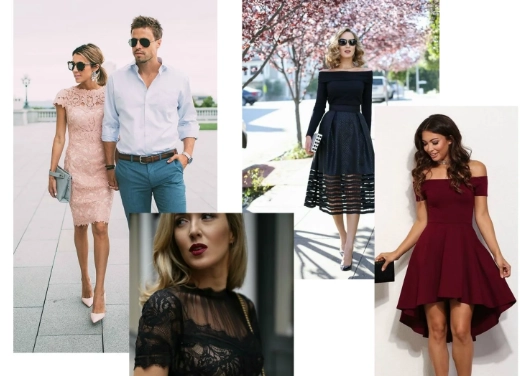
The Classic Evening Cocktail Party
This is what we've been talking about. Go for the classic signs: knee-length, elegant fabric, stylish details. This is your chance to wear that dressier LBD or the colorful silk number.
Cocktail Attire for a Wedding
You need to be more mindful. Avoid white, ivory, or anything that could photograph as white. Also, be cautious of anything too revealing or flashy that might distract from the bride. A chic fit-and-flare or a elegant wrap dress in a jewel tone is a perfect, safe bet. The advice from Brides.com on guest attire always emphasizes respecting the couple's day while looking your best.
Daytime or Garden Party Cocktail
The rules loosen a bit. Lighter fabrics like chiffon are great. Florals and pastels shine here. The length can still be cocktail, but the overall feel can be breezier and more playful. A tea-length dress with a floral print is a classic garden party cocktail look.
Office Holiday Party (Cocktail Attire)
This is a tricky one. You want to look festive and fun, but still professional. Maybe lean into a richer fabric in a conservative cut, or add sparkle with accessories rather than a fully sequined dress. A velvet dress in a classic silhouette is a fantastic choice.
Pro Tip: When the invitation says "Cocktail Attire," it's perfectly acceptable to read the room. If you know the host loves bold fashion, you can push the envelope. If it's a more conservative crowd, stick to the classics. When unsure, it's better to be slightly overdressed than underdressed.
Your Cocktail Dress Identification Checklist (The Fast Version)
Staring at a dress and still unsure? Run through this mental list.
- ✓ Length: Is it between above-the-knee and mid-calf?
- ✓ Fabric: Does it feel dressy (silk, satin, lace, etc.) and not casual (cotton, jersey)?
- ✓ Cut/Silhouette: Is it a deliberate, polished style (sheath, fit-and-flare, slip) and not overly casual or clubby?
- ✓ Details: Does it have some element of "specialness"—a interesting neckline, a bit of sparkle, elegant pleating?
- ✓ Overall Vibe: Does it make you feel celebratory, polished, and ready for a social evening event?
If you checked 4 out of 5, you've likely found a winner.
Answering Your Burning Questions (FAQs)
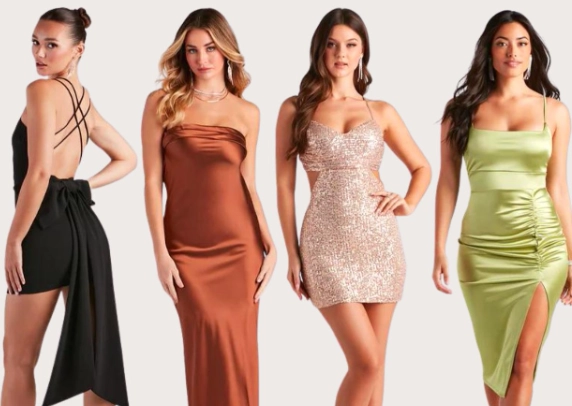
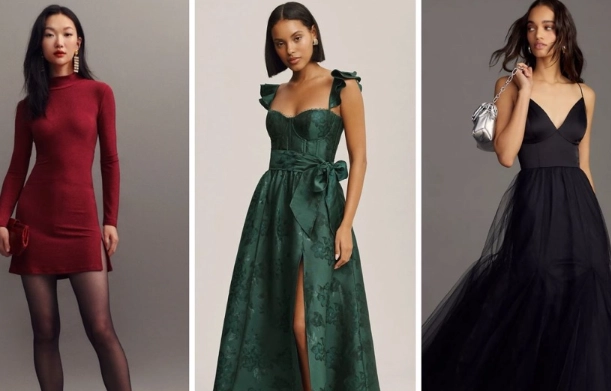
Figuring out how to identify a cocktail dress is really about developing an eye for context and details. It's less about a single rule and more about understanding a formula: Special Fabric + Polished Silhouette + Occasion-Appropriate Length = Cocktail Dress.
Once you start looking with these pillars in mind, it becomes second nature. You'll spot a cocktail dress on a rack instantly. The goal isn't to follow rigid rules, but to build the confidence to choose a dress that makes you feel amazing and perfectly suited for the celebration ahead. So next time you see "cocktail attire," take a deep breath. You've got this.