Quick Navigation
- Why It Matters Who Makes Your Shampoo
- Meet the Likely Maker: Henkel's Role
- Kirkland Signature vs. The National Brands: A Side-by-Side Look
- Breaking Down the Kirkland Shampoo & Conditioner Ingredients
- Your Practical Guide to Buying Kirkland Hair Care
- Answering Your Burning Questions (FAQ)
- The Final Verdict
You're standing in the massive aisle at Costco, staring at that giant twin-pack of Kirkland Signature Moisture Shampoo and Conditioner. The price is unbeatable. It promises salon-quality. But a little voice in your head asks the question we've all wondered: who makes Kirkland Signature shampoo and conditioner? Is it some random factory, or is it a brand you already know and trust? I had the same question, so I spent a good chunk of time piecing this together. The answer isn't on the bottle, but it's not exactly a state secret either.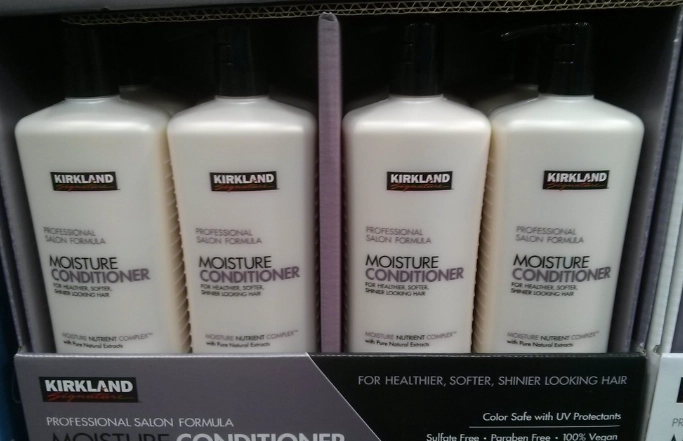
Here's the thing about Costco's Kirkland Signature brand – they're famously tight-lipped about their exact manufacturing partners. They treat those relationships like gold, and for good reason. It's a core part of their business model. But through public documents, industry patterns, and a bit of logical deduction, we can get to a very confident answer.
Let's be clear, Costco doesn't own shampoo factories. Their magic is in leveraging their insane buying power. They go to the best manufacturers in the world – the ones already making your favorite premium products – and say, "Make us something just as good, or better, without the marketing budget and fancy bottle. We'll buy a gazillion units." That's the Kirkland secret sauce.
Why It Matters Who Makes Your Shampoo
You might think, why do I care as long as it works? Well, knowing the manufacturer tells you a lot about what you're putting on your hair.
It's about trust by proxy. If you learn that a company like Henkel, with over 140 years of hair care science, is the brains behind the formula, it suddenly makes sense why that Kirkland bottle works so well. It's not a gamble on an unknown entity; it's accessing proven R&D without the celebrity endorsement fee. This is a classic private-label strategy, but Costco executes it at a master level. When you're trying to figure out who makes Kirkland Signature shampoo, you're really asking about the quality and safety standards behind it.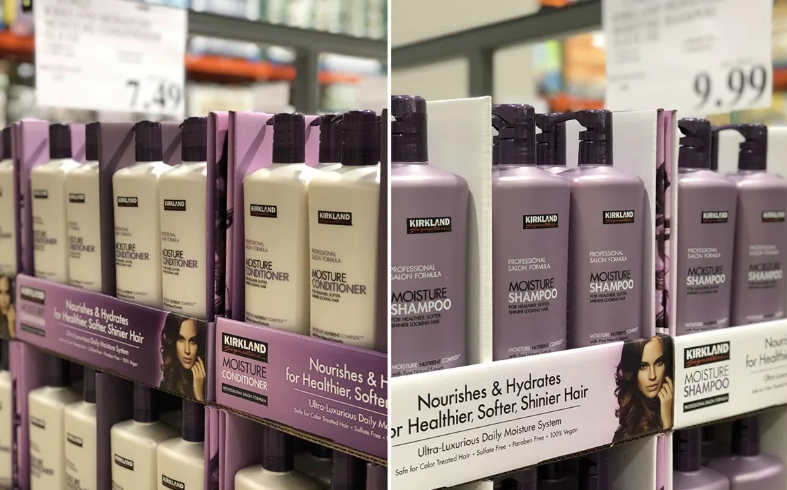
I remember trying a no-name shampoo from a discount store once. My hair felt like straw. Ever since, I've been wary. With Kirkland, the context of a potential Henkel partnership changes everything. It means the formula likely went through rigorous testing, uses established and safe ingredients, and is built on a platform of real hair science. That's reassurance you can't get from a marketing slogan.
Meet the Likely Maker: Henkel's Role
Henkel isn't some obscure contractor. They're a global powerhouse in adhesives, laundry care, and beauty care. Their hair salon division, Henkel Beauty Care, is a leader in professional products. This isn't a small detail.
Think about it. Costco's goal with Kirkland Signature is to offer a "premium alternative." Who better to partner with than a company that supplies actual salons? The formulation expertise, the understanding of different hair types, the focus on performance – it all aligns perfectly. While neither Costco nor Henkel publicly confirms the specific contract (that's standard), the consistency in industry reports and the obvious synergy make a very strong case.
You can see this philosophy echoed on Costco's own corporate site. They state their Kirkland Signature products are "often made in the same manufacturing plants as national brands." This is a key piece of indirect evidence. When you look for who makes Kirkland shampoo and conditioner, linking it to a plant that also produces Schwarzkopf (a Henkel brand) fits their stated model perfectly.
What This Partnership Means for Your Hair
So if Henkel is indeed the manufacturer, what does that trickle down to in your shower? It means the Kirkland formula likely shares technological DNA with more expensive salon brands. We're talking about similar surfactant blends (the cleaning agents), comparable conditioning agents, and parallel quality control.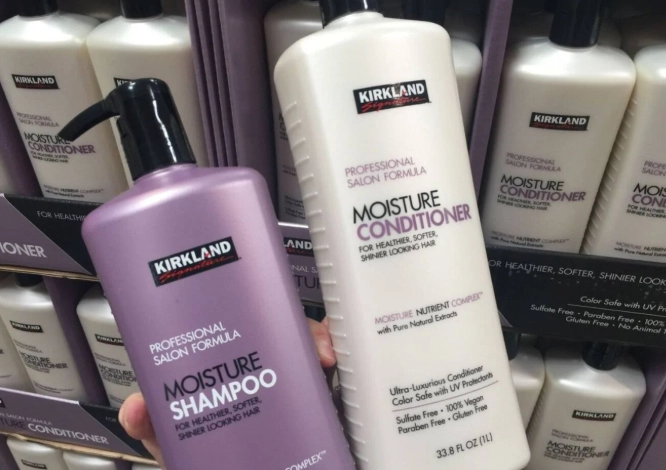
But – and this is a big but – it is not the same exact formula as Schwarzkopf Gliss, for example. Costco's specifications will be unique. They might request higher concentrations of certain moisturizing ingredients or omit a specific fragrance component to hit their cost target. The manufacturer builds a custom formula to Costco's brief, using their in-house expertise. The result is a product that performs in the same league but has its own distinct character.
Kirkland Signature vs. The National Brands: A Side-by-Side Look
This is where it gets interesting. Let's pit the Kirkland Moisture Shampoo against a typical national brand competitor, like Pantene Pro-V. Remember, the goal here isn't to say one is universally "better," but to show where the value and differences lie.
| Feature | Kirkland Signature Moisture Shampoo | Pantene Pro-V Sheer Volume Shampoo |
|---|---|---|
| Likely Manufacturer | Henkel Corporation (Industry consensus) | Procter & Gamble (Brand owner) |
| Price Point (per oz) | Extremely Low (Costco bulk advantage) | Moderate to High (Retail pricing) |
| Marketing & Advertising Cost | Minimal (Word-of-mouth & in-store) | Very High (TV, digital, endorsements) |
| Formula Transparency | Good (Full ingredient list on bottle) | Good (Full ingredient list on bottle) |
| Key Ingredient Focus | Moisturizing agents, Keratin (as advertised) | Pro-Vitamin B5, Volume boosters |
| Packaging | Utilitarian, large size, pump option | Sleek, branded, smaller retail bottles |
| Best For | Value-focused shoppers, families, daily users | Brand-loyal shoppers, specific need (volume) |
Looking at this, the core difference is in the business model. Pantene's price includes a massive tax for advertising. You're paying for the Jennifer Aniston campaign. With Kirkland, you're paying almost exclusively for the product itself and the logistics of getting it to the warehouse. The manufacturing quality, if our Henkel theory holds, could be strikingly similar.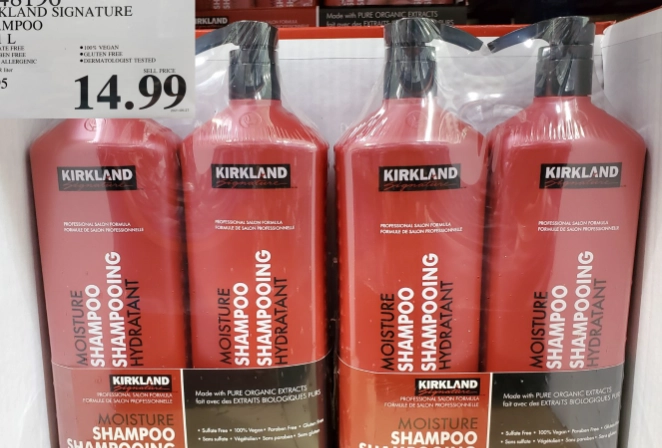
My own experience? I switched from a mid-tier salon brand (not Pantene) to the Kirkland Moisture set about a year ago. The transition was seamless. No weird buildup, no loss of shine. My hair stylist didn't notice any change in texture or health during my trims. The biggest adjustment was getting used to the no-frills bottle. That's a trade-off I'll take for saving nearly 70% on my hair care budget.
Breaking Down the Kirkland Shampoo & Conditioner Ingredients
Let's pop the hood and see what's inside. Understanding who makes Kirkland Signature shampoo and conditioner is one thing; understanding what they put in it is another. The ingredient list reads like that of a competent, no-nonsense moisturizing system.
Taking the Kirkland Signature Moisture Shampoo as an example, the primary cleanser is Sodium Lauryl Sulfoacetate, a gentler, foam-rich surfactant derived from coconut that's often considered milder than the more common Sodium Lauryl Sulfate (SLS). This is a good sign – it points to a formulation choice that considers scalp gentleness.
You'll also see staples like Cocamidopropyl Betaine (another gentle cleanser/foam booster) and a roster of moisturizers and conditioners further down the list like Glycerin, Hydrolyzed Keratin, and various silicones (like Dimethicone). The silicones are worth a mention. They provide great slip and detangling, but some people with very fine hair or those following a strict "curly girl" method avoid them. It's not a "bad" ingredient; it's just a formulation choice that works for most, but not all.
The conditioner follows a similar philosophy: a solid base of moisturizing agents (like Behentrimonium Chloride to detangle), a mix of silicones for smoothness, and proteins like Hydrolyzed Keratin. It's a workhorse formula designed to do the job of conditioning effectively and reliably, not to win awards for most exotic ingredient.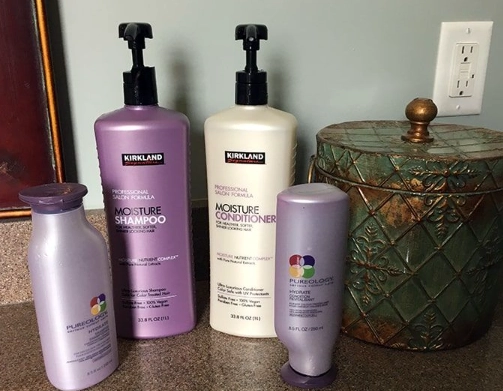
What About the "Salon Quality" Claim?
This is the million-dollar question. Based on the likely manufacturer and the ingredient deck, does it hold up? In my view, yes, but with a specific definition. It's "salon quality" in terms of foundational technology and performance, not necessarily in terms of specialized, customizable solutions.
A high-end salon brand might offer ten different lines for ten different hair concerns (color-treated, bleached, fine, curly, etc.). Kirkland typically offers one or two (Moisture, and sometimes a Volume variant). Their Moisture line is an excellent, well-rounded performer for the majority of people with normal to dry hair, or those wanting a moisturizing baseline. If you have a very specific, complex hair need, a salon brand with a targeted solution might be worth the splurge. For general maintenance and health? Kirkland, backed by a maker like Henkel, absolutely meets the "quality" benchmark.
Your Practical Guide to Buying Kirkland Hair Care
So you're convinced and want to try it. Here's the real-world info you need.
Where to Buy: This is the easiest part. Only at Costco warehouses or on Costco.com. You won't find it at Walmart, Target, or Amazon (unless it's a reseller marking up the price, which defeats the purpose). You need a Costco membership.
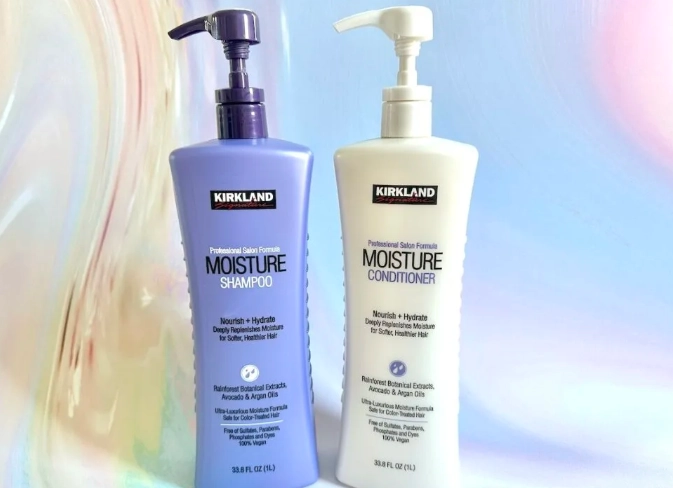
The Packaging Reality: You're buying in bulk. It's almost always a twin-pack of 33.8 fl oz (1 Liter) bottles. This is a 2-4 month supply for most individuals, or a great family option. The pump on the large bottle is a lifesaver. No fumbling with heavy bottles in the shower.
The Trial Dilemma: The biggest hurdle for newcomers is the commitment. You can't buy a small trial size. You're diving in with two giant bottles. My advice? If you have a friend or family member with a Costco membership, ask if you can split a pack with them. Try it for a few weeks. The risk is low given the total cost, but the bottle size can be intimidating.
Is it Cruelty-Free/Vegan? This is a common modern concern. Kirkland Signature states on their packaging that their finished products are not tested on animals. However, they do not make blanket claims about all individual ingredients or suppliers, nor do they claim to be vegan. If you follow strict cruelty-free or vegan standards, you may need to contact Costco directly for their latest policy details.
Answering Your Burning Questions (FAQ)
The Final Verdict
So, who makes Kirkland Signature shampoo and conditioner? While no press release will ever announce it, the consistent and logical answer is Henkel Corporation, leveraging their deep expertise in professional hair care to create a value powerhouse for Costco.
This isn't just a guess; it's a conclusion based on how Costco operates, who the major players in the industry are, and where the product's quality places it. When you buy that big red bottle, you're not buying a mystery. You're very likely buying the formulation prowess of a global hair care leader, stripped of its expensive branding and sold directly to you.
Is it perfect for everyone? No single product is. The scent is basic, the bottle is huge, and if you need highly specialized care, you might look elsewhere. But for probably 80% of people looking for a reliable, gentle, and profoundly effective daily shampoo and conditioner that won't obliterate their budget, understanding who makes Kirkland shampoo and conditioner provides the confidence to grab that twin-pack and never look back. I did, and my hair—and my wallet—haven't regretted it for a second.