Quick Navigation
- The Big Question: What Type of Hair Dye Do You Actually Need?
- Beyond the Box: Your Personal Hair Profile
- Navigating the Aisle: Top Contenders & Brand Breakdown
- The Home Application Bible: How Not to Mess It Up
- Aftercare: Making Your Color Last (and Your Hair Happy)
- Your Burning Questions, Answered
- Final Thoughts: It's a Journey, Not a Sprint
I remember staring at the drugstore aisle, completely overwhelmed. Rows and rows of boxes, each promising gorgeous color, shiny hair, and easy application. Which one was right for me? I've made my share of mistakes—colors that turned out brassy, dyes that dried my hair to a crisp, and one memorable attempt at platinum that ended up a sickly yellow. It took years of trial, error, and a lot of research to finally understand that asking "what is the best hair dye to use" is like asking what the best shoe is. It depends entirely on you, your hair, and what you're trying to achieve.
So let's cut through the marketing noise. There's no single magic box that works for everyone. The best hair dye for your neighbor with fine, virgin blonde hair is a disaster waiting to happen for you if you have thick, dark, previously colored hair. This guide is here to walk you through everything, from the chemistry in the box to the aftercare on your shelf, so you can make a confident choice.
The short, honest answer? The best hair dye is the one that safely gives you the color you want while keeping your hair as healthy as possible. Simple to say, trickier to find. Let's break down how.
The Big Question: What Type of Hair Dye Do You Actually Need?
This is the most important place to start. Picking the right category is 80% of the battle. Get this wrong, and you're fighting an uphill battle for results.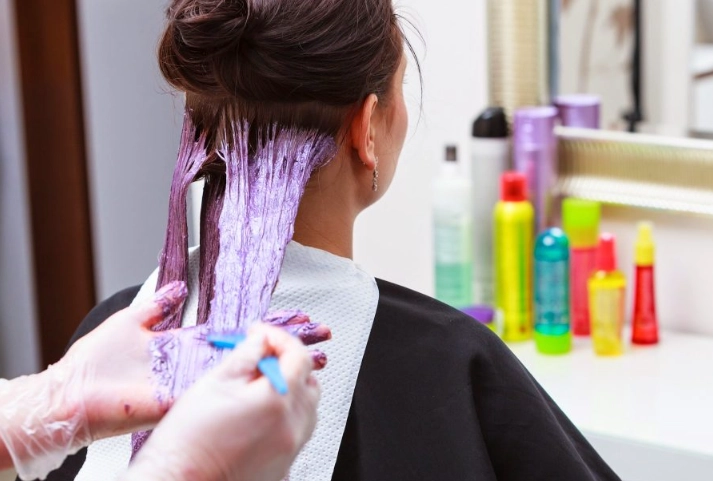
| Type of Dye | How It Works | Lasts For | Best For | Downsides to Consider |
|---|---|---|---|---|
| Permanent Hair Color | Uses ammonia or MEA to open the hair cuticle. Developer (peroxide) lifts your natural pigment, then new color molecules deposit inside the hair shaft. | Until hair grows out (4-6 weeks for roots). | Covering gray completely, making a dramatic color change (like dark to light), achieving vibrant fashion colors on pre-lightened hair. | Most damaging due to the lifting process. Commitment is high. Color fades but the lightened base remains. |
| Demi-Permanent Color | Uses a low-volume developer. Deposits color onto the hair shaft and slightly into the cortex without major lifting. | 12-24 shampoos. | Refreshing faded color, blending gray (not fully covering resistant gray), adding tone and shine, trying out a shade close to your own. | Cannot lighten hair. Coverage on stubborn gray can be patchy. Still contains some chemicals. |
| Semi-Permanent/Direct Dye | No developer. Color molecules coat the outside of the hair shaft like a stain. | 4-12 shampoos. | Fun, temporary colors. Adding a color wash or tint. Toning blonde hair. The least damaging option. | Washes out quickly. Can stain towels and pillowcases. May not show up on dark hair without pre-lightening. |
| Natural/Henna Dyes | Plant-based pigments (like lawsone from henna) bind to the keratin in hair. | Very long-lasting, often permanent in the sense that it won't wash out, but it grows out. | People seeking chemical-free options, wanting a rich red/auburn/black gloss. Can condition hair. | Very limited color range (reds, browns, blacks). Can be messy. Major warning: You cannot use chemical dye over pure henna—it can cause severe breakage. Must be 100% body-art quality henna. |
See what I mean? If you want to go from brown to blonde, you're in the permanent color camp. If you're a blonde wanting to neutralize brassiness, a semi-permanent purple shampoo or a demi-permanent toner is your best hair dye for the job. Asking "what is the best hair dye to use" forces you to ask this follow-up: "For what goal?"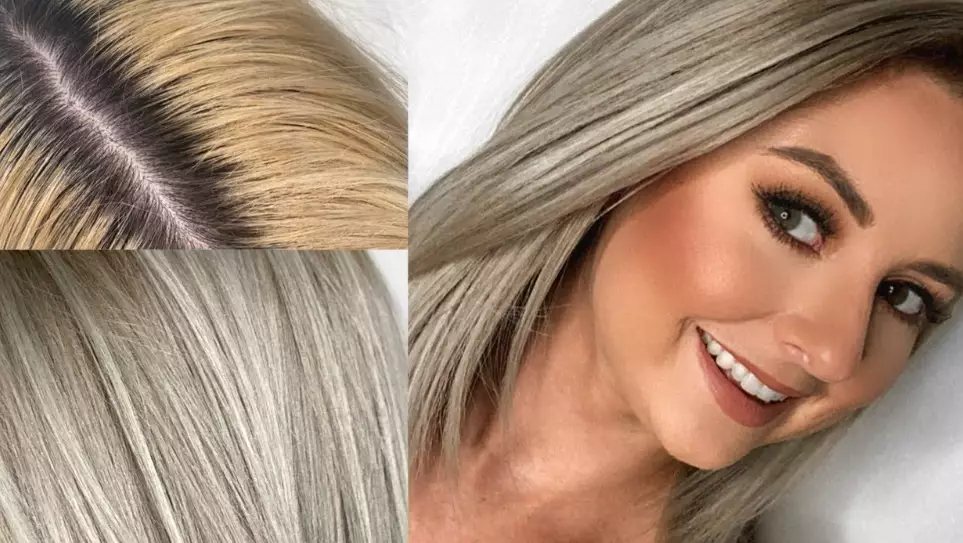
A quick but vital note on allergies: Always, and I mean always, do a patch test 48 hours before using any new dye, even if it's labeled "natural." Mix a tiny bit of the color and developer, dab it behind your ear or in the crook of your elbow, and leave it. An allergic reaction to paraphenylenediamine (PPD), a common ingredient in dark dyes, is no joke. The American Academy of Dermatology has clear guidelines on this. It's a boring step, but skipping it can lead to a swollen, itchy scalp or worse. Trust me, it's not worth the risk.
Beyond the Box: Your Personal Hair Profile
The dye type is one thing. How it interacts with your hair is another. You need to be a detective about your own head.
Your Hair's History and Health
This is the biggest factor pros consider. Is your hair virgin (never chemically treated)? You have the most options and the best chance for even, predictable results. Is it previously colored or highlighted? The new dye will interact with the old color, possibly creating uneven patches or unexpected tones. Is it damaged from heat, bleach, or the environment? Damaged hair is porous—it sucks up color quickly and can turn darker or muddier than intended, and it also loses color faster.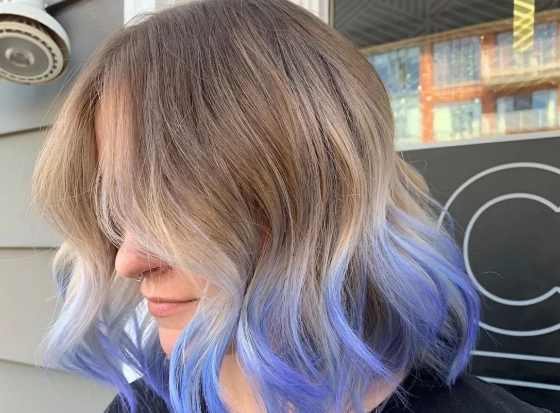
My personal rule: If my hair feels straw-like or breaks easily, coloring it (especially with a permanent dye) is the last thing it needs. A deep conditioning treatment and a break are the best hair dye alternatives at that moment.
Your Natural Hair Color and Gray Percentage
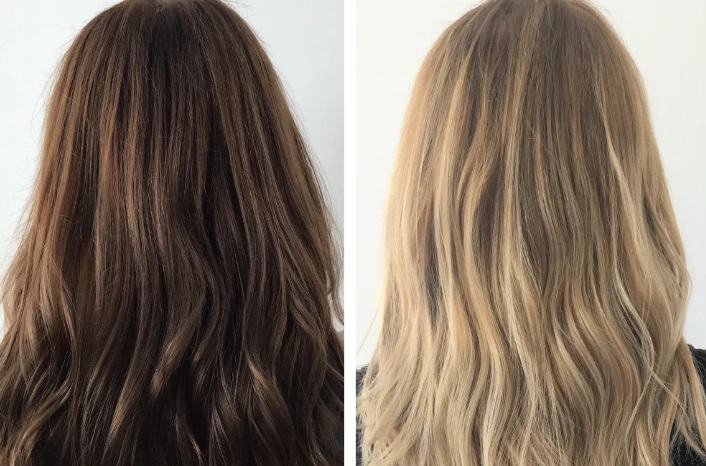
Your starting point dictates your journey. The color on the box is the result on medium blonde hair. That's the industry standard. If your hair is darker, the result will be darker. If you have a lot of gray (especially coarse, resistant gray), you'll need a dye specifically formulated for gray coverage, usually a permanent one with stronger pigments. Demi-permanent might just tint the gray a different color, which can look cool, but it won't make it disappear.
Your Desired Result vs. Reality
This is where hearts get broken. Want icy platinum blonde but you're a natural level 3 dark brown? That's a multi-session process with a professional, not a one-box solution. A good rule from colorists: you can usually dye your hair 2-3 shades lighter or darker at home with reliable results. Anything more dramatic involves major lifting (bleaching), which is incredibly tricky and risky to do evenly on yourself. For a major change, consulting a pro is the best hair dye strategy you can have—it saves money on corrective color later.
Pro Tip: Find your hair's "level." Hair color levels run from 1 (black) to 10 (lightest blonde). Look at a chart online. Knowing you're a level 5 (light brown) makes choosing a target shade (like a level 7 blonde) much clearer and sets realistic expectations.
Navigating the Aisle: Top Contenders & Brand Breakdown
Alright, let's talk brands. I've tried a lot of them. Some are fantastic, some are overhyped. Here's my no-sugar-coated take.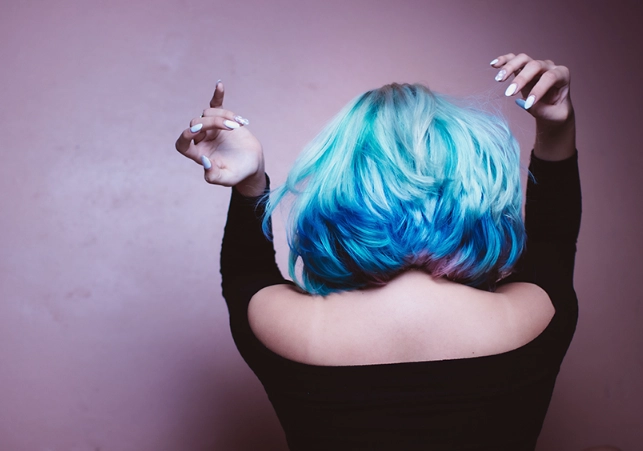
For Salon-Quality Results at Home
These brands often mirror professional formulas with better quality ingredients than the super-budget options.
- L'Oréal Paris Excellence Creme: A longtime favorite for gray coverage. The cream formula is less drippy than liquids, and it comes with a pretty decent post-color conditioner. I find it reliable for covering my mom's stubborn gray. It can be a bit drying, though, so I follow up with a mask.
- Schwarzkopf Keratin Color: This one impressed me. The color was shiny, and my hair felt smoother after than with some other permanents. Their application system is also less messy. A solid choice if you're looking for permanent color with a bit of a treatment feel.
- Garnier Olia: Uses an oil-based delivery system instead of ammonia. The scent is definitely less pungent. The color payoff is good, but on my thick hair, I sometimes felt I needed two boxes for full saturation. Great if you're sensitive to strong chemical smells.
For Gentle Coloring & Gray Blending
When you don't want the full commitment or damage of permanent color.
- Clairol Natural Instincts (Demi-Permanent): This is my go-to for a refresh. It adds shine and deepens my natural color beautifully, blending my few grays without making them obvious. Washes out gradually and evenly. It's the answer I give friends who ask "what is the best hair dye to use if I'm scared of damage?"
- Madison Reed Radiant Cream Color Kit: This direct-to-consumer brand gets a lot of hype. The kit is luxurious, with gloves, a cape, and a great conditioner. The color is rich and uses less harsh ingredients. It's more expensive per box, but for a special treat or if you have sensitivities, it's worth considering. I wasn't blown away compared to my salon color, but for a box dye, it's top-tier.
For Fun & Fashion Colors
The world of direct dyes is amazing.
- Arctic Fox: Vibrant, long-lasting for a semi-permanent, and the condition my hair is in after is unreal—soft and shiny. Plus, it's vegan and cruelty-free. The colors blend beautifully.
- Manic Panic: The O.G. of punk rock color. Some shades are iconic. Their staying power can vary by shade and your hair's porosity. Always do a strand test.
- Overtone: The genius of this brand is the maintenance. They have coloring conditioners to keep your vibrant shade from fading. It's a game-changer for keeping pink hair pink, not peachy.
But honestly? The best hair dye brand is the one whose color chart you study carefully and whose instructions you follow to the letter.
The Home Application Bible: How Not to Mess It Up
You've picked your weapon. Now, let's apply it like you mean it. A botched application can ruin even the best formula.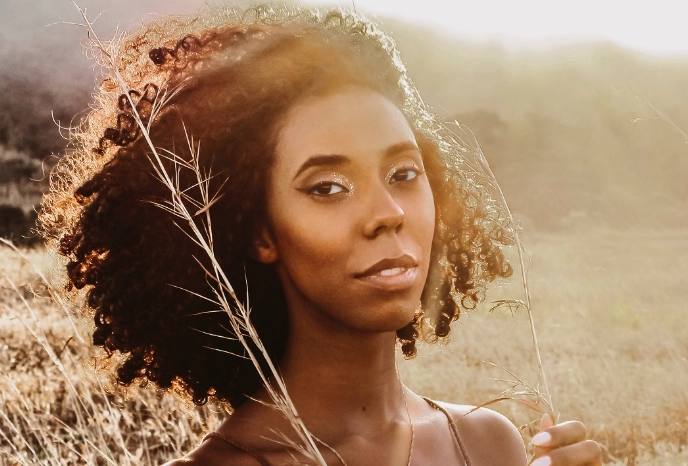
Prepping Your Hair and Space
Don't wash your hair 24-48 hours before coloring. Those natural oils protect your scalp. Wear old clothes you don't care about. Use Vaseline around your hairline and ears to prevent staining. Have a timer, clips to section hair, and all your tools laid out. Read the instructions all the way through first. I've learned this the hard way by scrambling mid-process.
The Order of Operations
This is critical for even color, especially with roots. Most kits now advise applying color to the mid-lengths and ends first, then going back to the roots for the last 10-20 minutes of processing. Why? Your scalp heat processes the color faster at the roots. If you apply it all at once, your roots end up lighter and hotter than the ends—the dreaded "hot roots." For gray coverage, you might apply to the roots first, but only if the instructions specify.
Section your hair into four parts. Work methodically. Use the applicator tip to paint color onto thin sections, ensuring every strand is saturated. Mousy, uneven color is usually from rushing and missing spots.
My biggest at-home hack: Buy a professional tint brush and mixing bowl from a beauty supply store. They cost a few dollars and give you way more control than the bottle applicator, leading to more professional, less messy results. It's a small upgrade that makes a huge difference.
Processing and Rinsing
Set the timer for the minimum time listed. You can always add a few minutes if you need more coverage, but you can't take processed color out. Don't pile your hair on top of your head—it can lead to uneven development. Just let it hang.
When time's up, rinse with lukewarm (not hot) water until it runs clear. Then use the provided conditioner. This conditioner is often formulated to seal the cuticle; don't skip it. Avoid shampooing for at least 24-48 hours to let the color set.
Aftercare: Making Your Color Last (and Your Hair Happy)
Thinking "what is the best hair dye to use" doesn't end at rinsing. The aftercare determines how good it looks in two weeks.
Color-treated hair is thirsty and more fragile. Sulfate-free shampoos and conditioners are non-negotiable. Sulfates are harsh detergents that strip color and moisture. Look for formulas for color-treated hair.
Heat styling fades color faster. Use a heat protectant spray every single time. Try to air-dry when you can.
Invest in a weekly deep conditioning mask. A leave-in conditioner is also a great daily defender. Sun and chlorine are color's enemies. Wear a hat in the sun, and wet your hair with tap water and apply conditioner before swimming in a pool.
For blonde/toned hair, a purple shampoo once a week neutralizes yellow tones. For brunettes, a blue shampoo cancels orange brassiness. Don't overuse them, or you might get a slight tint.
Your Burning Questions, Answered
Final Thoughts: It's a Journey, Not a Sprint
So, after all this, what is the best hair dye to use? I hope you see now that the answer is a checklist, not a brand name.
It's the one that matches your goal (cover gray, go darker, add shine).
It's the one that suits your hair's current condition (virgin, colored, damaged).
It's the one you apply correctly and care for diligently afterward.
Start with a strand test. Always. It saves you from a full-head disaster. When in doubt, go a shade lighter—dark color is much harder to remove than to add.
Don't be afraid to experiment within safe boundaries. Your hair will grow. The fun is in the trying. Armed with this knowledge, you can walk down that drugstore aisle or browse that website not with fear, but with the confidence of someone who knows exactly what they're looking for. Happy coloring!