In This Article
- First, Ask Yourself These Questions
- The Big Four: A Side-by-Side Breakdown
- Digging Deeper: Gray Hair, Damage, and Sensitive Scalps
- Brand Spotlight: Cutting Through the Marketing Hype
- The Application Matters Just as Much as the Formula
- Your Hair Color Maintenance Plan
- Common Questions (The Stuff You're Secretly Searching)
- Final Verdict: So, Which Type of Hair Dye IS Best?
Let's be honest, you probably typed "which type of hair dye is best" into Google hoping for a single, clear winner. A magic bullet. I wish I could give you that. I really do. But the truth is, asking which hair dye is best is like asking which shoe is best. Are you running a marathon? Going to a wedding? Just lounging at home? The "best" entirely depends on you—your hair, your goals, your lifestyle, and even your tolerance for mess.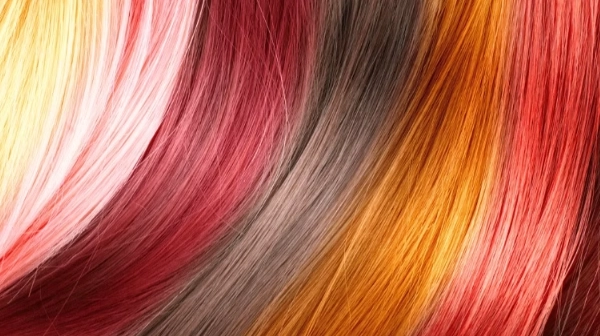
I've been coloring my own hair for over a decade, from box dye disasters in my bathroom to semi-successful salon-grade attempts. I've had my scalp itch for days, I've ended up with brassy orange when I wanted cool blonde, and I've also found some absolute gems that made me feel fantastic. So this isn't just a theoretical rundown. It's a messy, practical guide from someone who's been in the trenches.
First, Ask Yourself These Questions
Before we dive into chemicals and color charts, hit pause. Grab a notebook or just think about these points. Your answers will guide everything.
- Gray Coverage: How much gray do you have? Is complete, opaque coverage your non-negotiable goal, or are you okay with a blended, softer look?
- Commitment Level: Do you want this color for 6+ weeks, or are you just experimenting for a weekend?
- Hair History & Health: Is your hair virgin (never colored), or is it already processed, bleached, or damaged? Fine, thin hair often reacts differently than thick, coarse hair.
- Scalp Sensitivity: Does your skin get irritated easily? Have you ever had a reaction to hair dye before? This is a huge one.
- Skill & Budget: Are you a DIY pro, or is this your first time? And are you looking at drugstore prices or salon-level investment?
See? Already, your "best" is starting to look different from your neighbor's.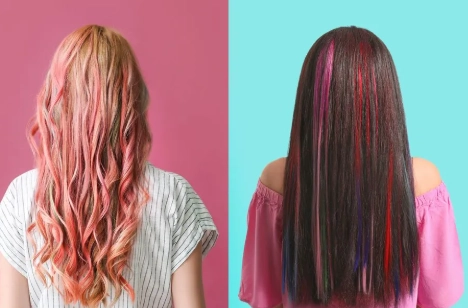
The Big Four: A Side-by-Side Breakdown
Let's get into the nitty-gritty. Most hair dyes fall into four main categories. Understanding these is the key to answering "which type of hair dye is best" for your situation.
| Type | How It Works | Lasts | Best For | Downsides |
|---|---|---|---|---|
| Permanent Hair Dye | Uses ammonia or MEA to open the hair cuticle, then developer (peroxide) removes your natural pigment. New color molecules are deposited inside the hair shaft and swell to stay there. It's a permanent chemical change. | Until your hair grows out (6-8 weeks for roots). The color does not wash out. | Complete gray coverage. Making a major color change (darker, covering reds). Anyone who wants long-lasting, fade-resistant results. | Most damaging due to the cuticle opening. Strong chemical smell. Can cause scalp irritation. Regrowth is very noticeable. |
| Demi-Permanent Hair Dye | Uses a low-volume developer (like 10 vol) to deposit color inside the hair shaft without aggressively stripping your natural pigment. No or very low ammonia. | Up to 24-28 shampoos. Gradually fades. | Refreshing faded color. Enhancing natural tone. Blending grays (not fully covering resistant ones). Adding subtle dimension. It's a fantastic "in-between" option. | Cannot lighten hair. Gray coverage can be inconsistent on stubborn whites. Less dramatic change than permanent. |
| Semi-Permanent Hair Dye | No developer or ammonia. Color molecules coat the outside (cortex) of the hair shaft. They are larger and cannot penetrate deeply. | 6-12 shampoos. Fades relatively quickly. | Temporary fun colors (pink, blue, purple). Adding tone or shine to blonde or lightened hair. Trying out a darker shade risk-free. Zero damage coloring. | Fades quickly, especially with hot water. Can stain towels/pillows. Limited ability to deposit on dark or gray hair without pre-lightening. |
| Natural & Herbal Hair Dyes | Uses plant-based pigments (henna, indigo, cassia) that bind to the hair's keratin. Pure henna is a permanent dye, but it acts as a coating. | Permanent (henna). Grows out but doesn't fade. | People with severe chemical sensitivities. Those wanting a purely natural approach. Adding rich, warm reds and auburns (henna). | Major Warning: Cannot be used over or with chemical dyes. Can be messy and time-consuming. Color options are very limited (mostly reds, browns, blacks). Results can be unpredictable. |
Looking at that table, things might be getting clearer. If your grandma wants her silver roots gone for good, she's looking at permanent. If a teenager wants mermaid hair for a festival, semi-permanent is their jam.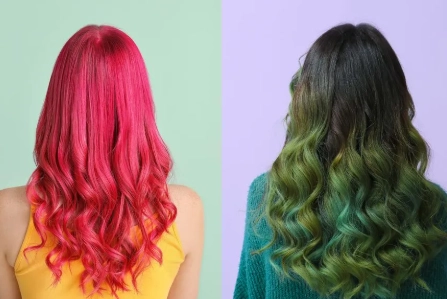
Digging Deeper: Gray Hair, Damage, and Sensitive Scalps
These are the three biggest pain points people have. Let's tackle them one by one.
Which type of hair dye is best for covering gray hair?
This is the million-dollar question. Gray hairs are resistant because they lack the melanin that color needs to bind to. Their cuticle is often tighter, too.
- Champion: Permanent dye. It's designed for this job. The ammonia opens that stubborn cuticle, and the oxidative process ensures full, opaque coverage. Look for formulas specifically marketed for gray coverage—they often have higher pigment load.
- Strong Contender: Demi-permanent can work brilliantly for up to 50% gray or for a more blended, natural look (like a glazing effect). It's less harsh but may not get those last few stubborn whites.
- Forget It: Semi-permanent will barely tint grays, if at all. It'll wash right off.
Personal tip: For my dad's salt-and-pepper hair, a good demi-permanent gives him a natural, refreshed look without the harsh regrowth line. For my mom, who wants solid coverage, only permanent does the trick.
Which type of hair dye is best for damaged hair?
If your hair is already fried from bleaching, heat, or previous coloring, your goal is to add color without more trauma.
- Top Pick: Demi-permanent. It's the least damaging option that still gives decent longevity and tone. It adds shine and can help seal the cuticle slightly.
- Safe Bet: Semi-permanent. Zero damage. It's a pure conditioner with pigment. It won't repair damage, but it won't cause any more. Great for adding a unifying tone to uneven, bleached hair.
- Proceed with Extreme Caution: Permanent dye. The ammonia and high-volume developer can be the final straw for fragile hair. If you must, use a "no-lift" permanent formula (just deposits color without lightening) with a low-volume developer, and focus it only on the roots.
Which type of hair dye is best for sensitive scalp?
This is a health and safety issue, not just comfort. The main culprit is often Para-phenylenediamine (PPD), a common ingredient in permanent (and some demi) dyes that can cause allergic reactions.
- Safest Route: PPD-Free formulas. Many brands now offer permanent and demi dyes that use alternative developers. They are explicitly labeled "PPD-Free."
- Great Option: Semi-permanent or vegetable dyes. Since they contain no developer, they are much less likely to cause a reaction. Always patch test, though!
Brand Spotlight: Cutting Through the Marketing Hype
Okay, so you've picked a type. Now, which brand? The aisle is overwhelming. Here's a no-nonsense look at some popular categories.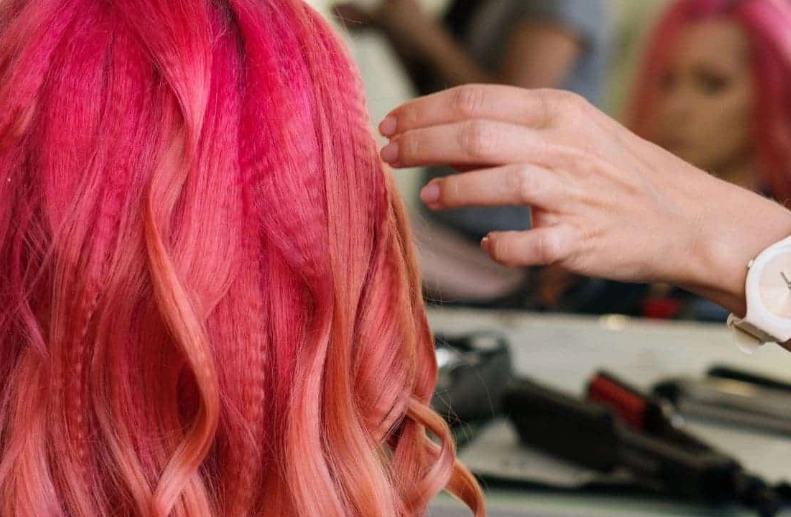
For the DIYer at the Drugstore
Garnier Nutrisse or Olia: These are permanent dyes. Nutrisse has fruit oil ampoules, Olia is oil-based. Both are relatively gentle for box dyes. Good gray coverage. The color can be a bit predictable, but for a reliable all-over brown or black, they work.
Clairol Natural Instincts: A demi-permanent classic. Great for refreshing color with minimal commitment. Fades nicely. Won't cover heavy gray.
Manic Panic or Arctic Fox: The kings of semi-permanent fashion colors. Vibrant, conditioning, and fun. Arctic Fox is vegan and smells like candy.
For the At-Home Pro (Salon Quality)
Wella Color Charm (at Sally Beauty): This is professional-grade permanent and demi-permanent cream dye you mix yourself. You need to buy the color tube and the developer separately. It gives you control over the volume of developer (10, 20, 30, 40 vol), which is huge. The color results are far superior to most box dyes, in my experience. More pigment, better gray coverage.
Schwarzkopf Igora Royal: Another pro-line available to the public. Incredible, rich pigments. Their formulas are often gentler and smell better than drugstore options.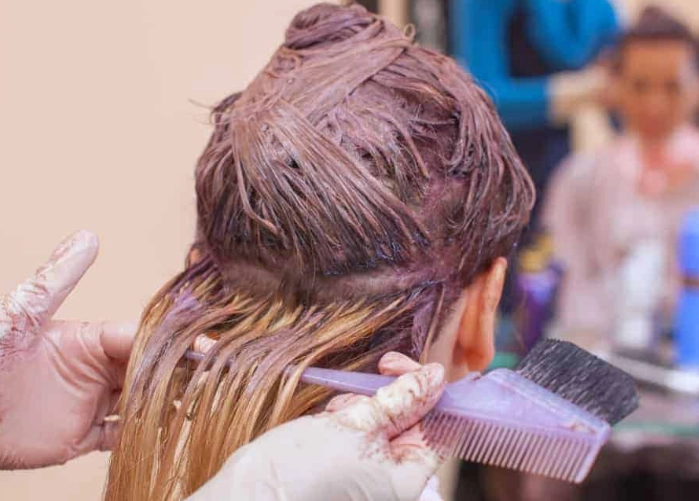
For the Sensitive & Natural-Seeking
Herbatint: A permanent dye that's ammonia-free and uses herbal extracts. It's a solid choice for those wanting less harsh chemicals but still needing real gray coverage.
Pure Henna (from a reputable source like Light Mountain): If you want to go fully natural and commit to red tones. Ensure it's 100% pure henna with no metallic salts.
My personal go-to? Wella Color Charm with 10 volume developer for a demi-permanent refresh. The color payoff is just so much better than any pre-mixed box I've tried.
The Application Matters Just as Much as the Formula
You can buy the best hair dye in the world and ruin it with bad technique. A few universal tips:
- Dirty Hair is Better: Apply to hair that hasn't been washed in 1-2 days. The natural oils protect your scalp.
- Section, Section, Section: Use hair clips. Work in thin, manageable sections from the back to the front to ensure even coverage.
- Roots Last: For permanent color, apply to the mid-lengths and ends first, then go back and do the roots for the last 15-20 minutes. Your scalp's heat processes color faster, and this prevents "hot roots" (brighter roots).
- Set a Timer: Don't guess. Over-processing causes damage; under-processing gives patchy color.
Your Hair Color Maintenance Plan
Choosing the dye is half the battle. Keeping the color looking good is the other half.
- Cool Water Rinse: Hot water opens the cuticle and lets color wash out faster. Finish your rinse with cool water to seal it.
- Sulfate-Free Shampoo: Sulfates are harsh detergents that strip color. Switch to a color-safe, sulfate-free formula.
- UV Protection: The sun bleaches hair color. Use a leave-in with UV filters or wear a hat.
- Touch-Up Tricks: For root regrowth, consider a root touch-up kit instead of re-dyeing your whole head every time.
Common Questions (The Stuff You're Secretly Searching)
Final Verdict: So, Which Type of Hair Dye IS Best?
Let's circle back to the original question with the understanding we now have.
- For unbeatable gray coverage and a permanent change: You want a Permanent Hair Dye. Prioritize PPD-free and ammonia-free options if you have sensitivity concerns.
- For refreshing color, blending grays, and wanting less damage with good longevity: A Demi-Permanent Hair Dye is your best friend. It's the unsung hero of the hair color world.
- For temporary fun, zero damage, or toning light hair: Grab a Semi-Permanent Hair Dye and enjoy the ride.
- For a strictly natural lifestyle with no chemical exposure and you love reds/browns: 100% Pure Plant Dyes like henna are your only path. Do your homework first.
The journey to find your best hair dye is personal. It might take some experimentation. Start with the gentlest option that can achieve your goal (demi over permanent if you can). Always do a strand test and a patch test. And remember, sometimes the absolute best choice is consulting a professional colorist, especially for major changes or if you have a history of damage or reactions.
Your hair is your canvas. Now you've got the knowledge to choose the right paint.