Quick Guide
- What Makes a Hair Dye "Healthy" Anyway?
- The Contenders: Types of Healthier Hair Color
- Head-to-Head: Comparing Your Healthier Options
- Key Ingredients to Look For (And to Avoid)
- My Personal Experience & Top Picks
- How to Apply Any Dye More Safely
- Answering Your Burning Questions (FAQ)
- Final Thoughts: Making Your Choice
Okay, let's be honest. We all want great hair color without the salon price tag. But then you start reading the ingredient list on a box dye, and it looks like a chemistry experiment. Parabens, ammonia, resorcinol... what even is that stuff, and do you really want it soaking into your scalp? I've been there. I've used the harsh stuff, and my hair felt like straw for weeks. Not fun.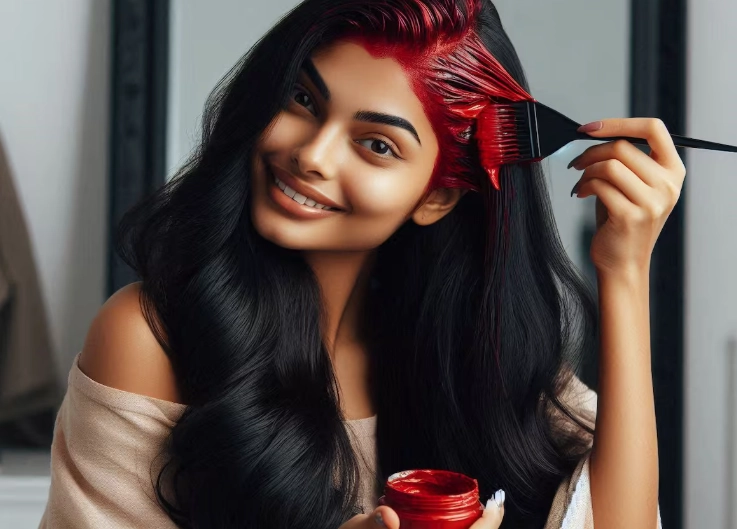
So, you're asking the right question: what is the healthiest hair dye to use at home? The answer isn't just one magic product. It's about understanding what "healthy" means for you. Does it mean no ammonia? Plant-based? Completely chemical-free? The healthiest choice balances safety, effectiveness, and what your hair can actually handle.
This isn't about pushing a single brand. It's a deep dive into your options, the good and the bad, so you can make a choice you feel good about. We'll talk ingredients, types, application tips, and I'll even share some brands I've tried that worked (and one that was a total disaster).
What Makes a Hair Dye "Healthy" Anyway?
Before we name names, let's set the ground rules. A "healthy" hair dye typically aims to minimize exposure to certain chemicals that have raised concerns among dermatologists and health advocates. It's about reducing potential irritation and damage.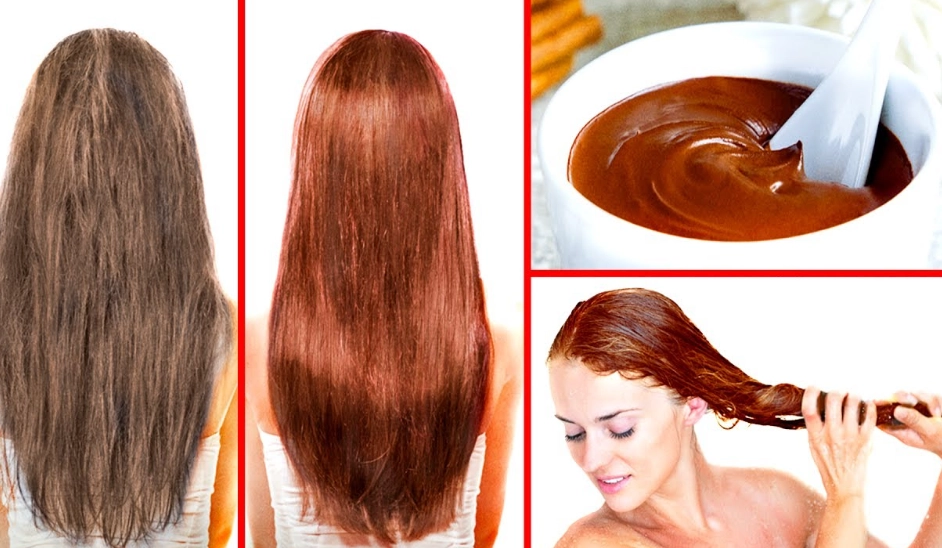
The usual suspects people try to avoid include:
- Ammonia: Its job is to swell the hair shaft so color can get in. But it's that strong smell, and it can be very drying and irritating to the scalp and lungs.
- Parabens: Preservatives that have sparked debate about hormone disruption. Many brands now proudly label themselves "paraben-free."
- Resorcinol: A common color developer that can be a skin irritant and allergen. It's one of the trickier ones to replace in permanent formulas.
- PPD (p-Phenylenediamine): A prevalent ingredient in dark dyes, but a potent allergen for some people. "PPD-free" is a big selling point for sensitive individuals.
- Phthalates, SLS, etc.: The list goes on. More people are checking ingredients using resources like the Environmental Working Group's Skin Deep database to research their beauty products.
But here's a personal thought – sometimes a dye without ammonia might use another alkaline agent that does a similar job. The marketing says "no ammonia!" which is technically true, but your hair might still get damaged. You have to look at the whole picture.
The Contenders: Types of Healthier Hair Color
Alright, let's break down the main categories. Think of this as a spectrum, from the least to the most chemically involved (but still on the healthier side).
1. Plant-Based & Herbal Powders (Henna, Indigo, Cassia)
This is the OG of natural hair color. Pure henna (from the Lawsonia inermis plant) gives a rich, red-orange stain. Mix it with indigo for browns and blacks, or cassia for blonde tones. It coats the hair shaft rather than penetrating it.
The Good: It's as natural as it gets. Conditions the hair, adds shine, and is generally safe for most. No chemicals at all. I've used pure henna, and the conditioning effect is unreal – hair feels thick and strong.
The Not-So-Good: It's messy. I mean, *really* messy. You're mixing a green mud paste. Color options are limited to the red/brown/black family. Most importantly, it's permanent in a different way. You cannot use chemical dye over it successfully (it can react badly and turn hair green). It's a commitment.
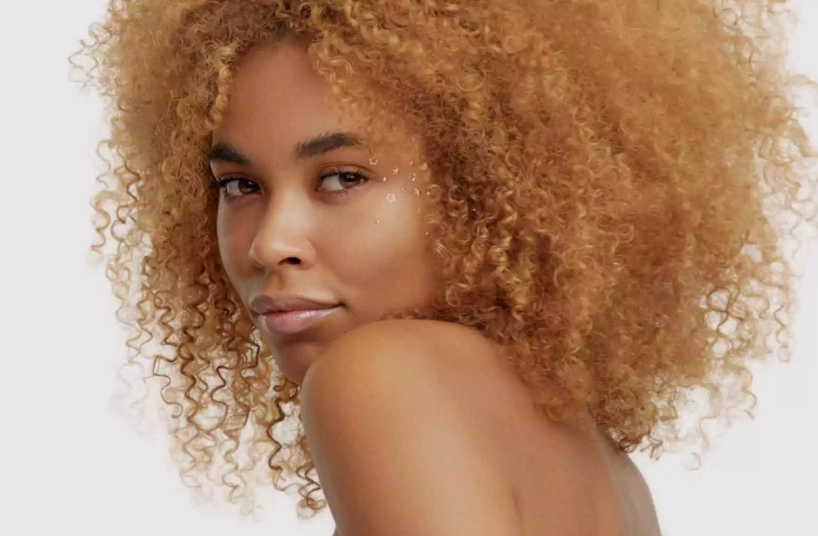
2. Herbal Creams & Pastes (Like Ayurvedic Blends)
These are a step up from DIY powders. Brands like Radico or Light Mountain offer pre-mixed pastes with a blend of herbs (henna, amla, shikakai, etc.). They're easier to apply than powder and often have added conditioning oils.
They still work by coating the hair. The color is often more subtle and builds with repeated applications. Great for covering grays gradually and adding gloss. A solid middle-ground if you want plant-based but less fuss.
3. Ammonia-Free Permanent & Demi-Permanent Dyes
This is where most of the mainstream "healthier" box dyes live. They remove ammonia but use other, gentler alkalizing agents like monoethanolamine (MEA) or amino acids to open the hair cuticle. They still contain developers (like peroxide) and colorants to change your hair color permanently or semi-permanently.
Brands to look at: Madison Reed, Garnier Olia (oil-powered), Naturtint, Clairol Natural Instincts (demi-permanent). These are the kits you find at the drugstore or online that feel familiar but with a cleaner ingredient list.
They are far less smelly than traditional dyes.
The results are predictable, they cover gray well, and you get a wide shade range. For many people asking what is the healthiest hair dye to use at home that still performs like a traditional dye, this category is the winner. It's a practical compromise.
4. Direct-Deposit, No-Mix Color (Semi-Permanent)
These don't use developers or ammonia. They're like highly pigmented conditioners that sit on the outside of the hair. Think Manic Panic, Arctic Fox, Overtone, or even some lines from Adore.
They're fantastic for fashion colors, refreshing your existing color, or adding a tint. They're very gentle because there's no chemical process. But they fade with every wash (usually 4-8 weeks) and won't lighten your hair or provide full gray coverage.
I love these for playing with color without guilt. If you have light hair and want pastel pink? Perfect. Dark hair wanting a burgundy gloss? Also works.
5. Clay-Based and Mineral Colors
A newer category. Brands like L'Oréal's Botanea (discontinued but similar concepts exist) used clay as a carrier instead of chemicals. They are often mixed with a low-volume developer. The idea is that minerals are gentler. They're harder to find now but represent an interesting approach.
Head-to-Head: Comparing Your Healthier Options
Let's put this in a table to make it clearer. This should help you match the type to your priority.
| Type of Dye | How It Works | Best For | Compromise / Downside |
|---|---|---|---|
| Pure Plant Powders (Henna) | Coats hair with plant stain | All-natural purists, condition/strengthen, red/brown shades | Extremely messy, permanent commitment, can't use chemical dye later |
| Ammonia-Free Permanent | Gentler alkali opens cuticle, developer changes color inside | Full gray coverage, lasting results, wide shade range, familiar ease | Still contains some chemicals (PPD, resorcinol often present), can still cause dryness |
| Demi-Permanent | Gentle developer, deposits color without lifting | Enhancing natural color, blending grays, low commitment, shiny results | Fades over ~24 washes, won't lighten hair |
| Direct-Deposit Semi-Permanent | Pigmented conditioner sits on hair surface | Fashion colors, adding gloss, gentle experimentation, no chemical process | Fades quickly, poor gray coverage, won't lighten |
See? No one type is perfect. You trade one thing for another. The healthiest hair dye to use at home for your neighbor might be a disaster for you, depending on your goals.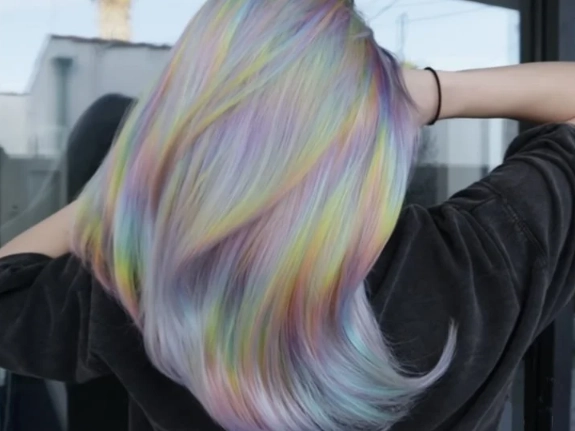
Key Ingredients to Look For (And to Avoid)
Beyond the big categories, become a label detective. Here's a quick cheat sheet.
- Botanical Oils & Extracts: Argan oil, coconut oil, sunflower seed oil, aloe vera, chamomile. These condition and protect hair during the process.
- Vitamin E: An antioxidant that can help protect hair.
- Cetyl/Alcohols: Not the drying kind! These are fatty alcohols that act as conditioners.
- Keratin or Protein: Can help fortify hair during coloring.
- Ammonia: You know this one.
- Resorcinol: A common irritant. Some brands like Madison Reed have developed permanent colors without it.
- PPD (p-Phenylenediamine): The #1 allergen in hair dye. If you have sensitive skin, seek PPD-free options.
- Parabens (methylparaben, etc.): Many brands are already free of these.
- Phthalates: Often hidden under "fragrance."
Remember, "free-of" marketing is powerful. A dye can be ammonia-free but packed with other harsh stuff. Read the whole list.
My Personal Experience & Top Picks
I've tried a lot in the name of research (and vanity). Here's my unfiltered take.
For a long time, I used a popular ammonia-free drugstore brand. It worked fine, covered my grays, but my scalp would itch for days after. I later realized it contained resorcinol, which I'm probably sensitive to.
Switching to a demi-permanent kit was a game-changer for me. Less commitment, no scalp itch, and it made my hair shinier. It doesn't cover my stubborn white hairs 100%, but it blends them enough that I'm happy. This, for my current life, feels like the healthiest hair dye to use at home for *me*.
I also did the henna thing once. The color was gorgeous, a vibrant coppery red. My hair felt like silk. But six months later, when I wanted to go back to brown? Nightmare. I had to grow it out and cut it off. Lesson learned: henna is a marriage, not a date.
For playing with color, I adore direct-deposit dyes. I've used a copper gloss from Overtone on my brown hair, and it gave the most beautiful sunny sheen without damage. It washed out in a month, no regrets.
The bottom line? Your "healthiest" depends on your hair's history, your sensitivity, your color goals, and how much maintenance you can handle.
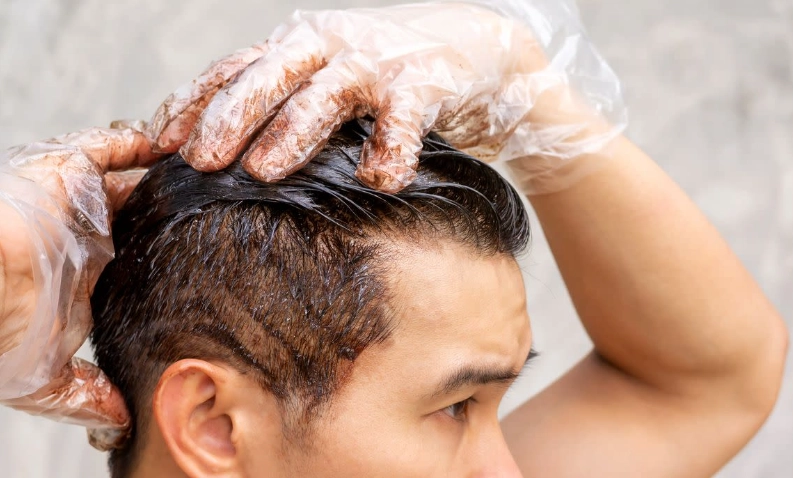
How to Apply Any Dye More Safely
Even with a healthier dye, technique matters.
- Patch Test, Always. I know, nobody does it. But you should. Mix a tiny bit of color and apply it behind your ear or inner elbow. Wait 48 hours. This is the #1 way to avoid a horrific allergic reaction on your scalp. The American Academy of Dermatology stresses its importance.
- Don't Wash Hair Right Before. A little natural oil on your scalp acts as a protective barrier.
- Use Vaseline. Smear a thin layer around your hairline and ears to prevent skin staining.
- Wear Gloves. Even if the kit doesn't include good ones, use your own nitrile gloves.
- Time It Right. Don't leave the dye on longer than instructed thinking you'll get more color. You'll get more damage.
- Rinse Like Crazy. Use cool water until it runs completely clear.
- Follow Up with Care. Use a good conditioner or mask. Healthier dyes often include them. Use a sulfate-free shampoo to make your color last longer.
Answering Your Burning Questions (FAQ)
Answering Your Burning Questions (FAQ)
Let's tackle the stuff you're probably Googling at 2 AM.
Final Thoughts: Making Your Choice
Figuring out what is the healthiest hair dye to use at home is a personal calculation. You weigh the ingredients against the results you need.
If you want maximum gray coverage and lasting power with fewer harsh chemicals, a good ammonia-free permanent dye is your workhorse.
If you want to enhance your color, add shine, and blend grays with minimal commitment and very low damage, explore the world of demi-permanent color.
If you want to avoid synthetic chemicals entirely and don't mind the limitations, dive into the world of pure plant dyes like henna. Just go in with your eyes wide open.
And if you just want to have fun or add a glow, direct-deposit semi-permanent colors are a blast and super gentle.
Start with your goal.
Then, read labels, do that patch test, and maybe start with a demi-permanent or a trusted cleaner permanent brand. Your hair—and your peace of mind—will thank you. It's not about finding a perfect product, but a smarter one that works for your life.