Quick Navigation
- The Heart of the Matter: What's Actually in That Bottle?
- The Real Health Concerns: Separating Scary Stories from Science
- Permanent, Semi, Demi, Natural: A Side-by-Side Look
- How to Color Your Hair More Safely: A Practical Game Plan
- Straight Answers to Your Burning Questions
- The Final Word: It's About Informed Choice, Not Fear
Look, we've all been there. Staring at a new gray hair, feeling bored with our look, or just wanting a change. The first thought? Maybe a new hair color. But then that little voice in the back of your head whispers the question: is it healthy to dye hair? It's not a simple yes or no answer, and anyone who tells you it is probably hasn't looked at the ingredients list. I've been coloring my own hair for years, and let me tell you, I've had my share of itchy scalps and weird, brassy tones that made me swear off the stuff for good... until the next time.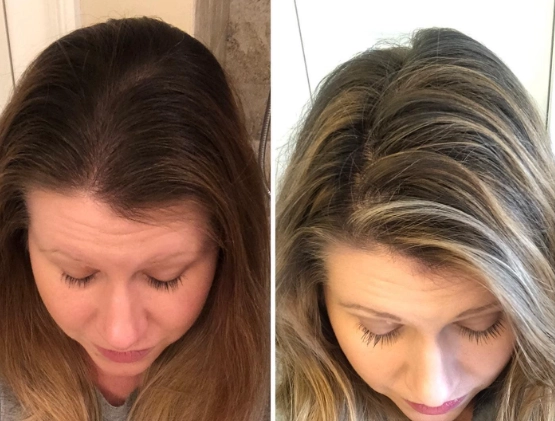
The truth is, hair dye sits in this weird space between a beauty treatment and a chemical process. We do it to feel good, to express ourselves, but we're also applying a mix of substances that can irritate skin, damage hair strands, and raise long-term health questions. This guide isn't about scaring you away from the salon. It's about giving you the full picture—the risks, the realities, and the ways to make smarter, safer choices. Because knowing what you're putting on your head is the first step to answering that big question for yourself.
The Heart of the Matter: What's Actually in That Bottle?
To understand if coloring your hair is a healthy choice, you gotta know what you're working with. Most permanent hair dyes (the kind that last through multiple washes) operate on a simple chemical principle. They use ammonia or similar alkalizing agents to pry open the hair's outer layer, the cuticle. Once that door is open, color molecules can march inside.
Here's where it gets interesting. Inside the hair shaft, these small, colorless molecules react with hydrogen peroxide (the developer). This reaction is like a tiny chemical explosion—it both removes your natural pigment (bleaches it) and causes the new color molecules to swell up and get trapped inside the hair. That's why the color lasts. But this process isn't gentle. It fundamentally alters the structure of your hair, making it more porous and often weaker.
- Ammonia or MEA/ETA: The "door opener." Ammonia is harsher and has that strong smell, while alternatives like monoethanolamine (MEA) are somewhat gentler but may not be as effective for drastic color changes.
- Hydrogen Peroxide: The "activator." It bleaches your natural color and triggers the color-forming reaction. The higher the volume (like 20, 30, 40), the more lifting power and potential damage.
- Para-Phenylenediamine (PPD) & Related Dyes: These are the primary color-forming agents in many dark shades. They're also the most common culprits behind allergic reactions.
- Resorcinol: Another common ingredient that helps the color bind to your hair. It can also be a skin irritant and sensitizer.
Semi-permanent and demi-permanent dyes are a bit different. They don't use ammonia and don't require a strong developer, so they don't "open" the hair cuticle as much. Instead, they coat the outside of the hair shaft or penetrate just a little bit. This means less damage, but also less dramatic, long-lasting color and less ability to cover gray. They're like a temporary tattoo versus a permanent one.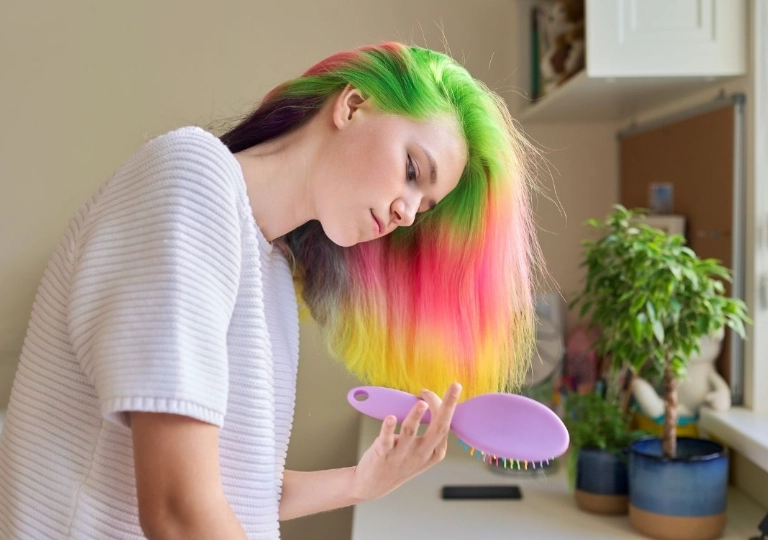
The Real Health Concerns: Separating Scary Stories from Science
Okay, so we know it's chemicals. But what does that actually mean for you sitting in the salon chair or standing in your bathroom? The concerns generally fall into three buckets: immediate reactions, hair damage, and long-term "what ifs."
1. The Immediate Stuff: Allergies and Skin Reactions
This is the most common and serious immediate risk. PPD is a notorious allergen. A reaction can range from a bit of itching and redness on your scalp, ears, or neckline to a full-blown, severe allergic contact dermatitis. We're talking swelling, blistering, oozing—the whole miserable shebang. In extremely rare cases, it can cause a severe systemic reaction.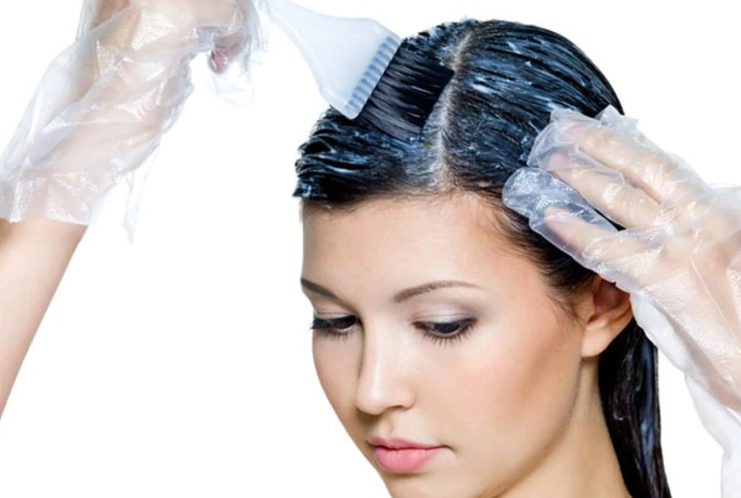
Other ingredients like resorcinol, ammonia, and even certain fragrances can also be irritants, causing dryness, flaking, or a burning sensation. If your scalp feels unhappy during or after coloring, listen to it.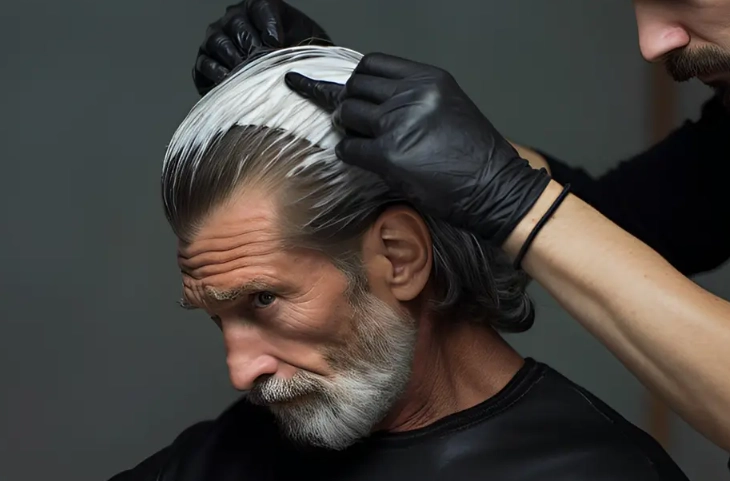
2. The Visible Damage: What It Does to Your Hair
Let's be honest, when most people ask "is it healthy to dye hair," they're thinking about their hair's look and feel. And here, the answer is often a qualified "not really." The chemical process strips away natural oils, weakens the protein structure (keratin), and leaves the hair shaft more porous. This translates to:
- Dryness and Brittleness: Hair loses its ability to retain moisture, feeling like straw.
- Breakage and Split Ends: Weakened strands snap more easily, especially with brushing, heat styling, or even just ponytails.
- Loss of Elasticity: Healthy hair stretches a bit before bouncing back. Damaged hair just snaps.
- Dullness: A roughed-up cuticle doesn't reflect light smoothly, so hair loses its shine.
This damage is cumulative. The more you color, especially with lightening processes (bleach), the worse it can get. It's a trade-off: color for integrity.
3. The Big, Long-Term Question: Cancer and Systemic Health
This is the elephant in the room. It's the worry that lingers long after the dye job is done. The research here is complex and, frankly, not entirely conclusive.
Some older studies, particularly from the 1970s and 80s, suggested a possible link between certain chemicals in hair dyes (like aromatic amines) and an increased risk of cancers like bladder cancer (in hairdressers with long-term, high exposure) and some blood cancers. However, it's crucial to note that hair dye formulations have changed significantly since then. Many of the most concerning chemicals have been removed or reduced.
Major health organizations have weighed in. The American Cancer Society states that most studies looking at people who use hair dyes have not found a consistent link to cancer. The National Cancer Institute notes that evidence is limited and inconsistent, and any potential risk appears to be very small.
The current scientific consensus, as reviewed by agencies like the U.S. Food and Drug Administration (FDA), is that there is no clear, definitive evidence that personal use of modern hair dyes poses a significant cancer risk for most people. The greater risk for hairdressers and professionals comes from years of daily, unprotected skin contact and inhalation.
Permanent, Semi, Demi, Natural: A Side-by-Side Look
Not all dyes are created equal. Your choice of product type is one of the biggest factors in determining how healthy (or unhealthy) the process will be for your hair. Let's break them down.
| Type of Hair Dye | How It Works | Pros | Cons & Health Considerations | Best For... |
|---|---|---|---|---|
| Permanent Dye | Uses ammonia/peroxide to open cuticle and deposit color inside hair shaft. | Full gray coverage. Dramatic color changes. Long-lasting (6-8 weeks to roots). | Most damaging. Highest allergy risk (PPD). Harsh chemicals. Process alters hair structure permanently. | Major color shifts, covering resistant gray, anyone wanting long-term results. |
| Demi-Permanent Dye | Uses low-volume peroxide, no ammonia. Deposits color slightly into cortex. | Gentler than permanent. Good for blending gray, refreshing color, adding shine. Fades gradually over ~24 washes. | Can still contain PPD/allergens. Limited lightening power. Won't cover 100% gray. | Enhancing natural color, toning, low-commitment changes, sensitive scalps (check ingredients). |
| Semi-Permanent Dye | No ammonia/peroxide. Color coats the outside of hair shaft. | Least damaging. No mixing, often conditioner-based. Great for fun colors. Fades in 6-12 washes. | Very little to no gray coverage. Color transfers easily. Can stain. | Experimenting with fashion colors, adding temporary highlights/tones, damaged hair. |
| Natural/Herbal Dyes (Henna, Indigo) | Plant pigments coat and bind to hair. | Generally non-allergenic (pure henna). Conditions hair. No harsh chemicals. | Very permanent and hard to remove. Can react badly with chemical dyes. Color options limited (reds, browns, blacks). Results can be unpredictable. | Those seeking chemical-free option, wanting conditioning benefits, okay with commitment. |
See? It's a spectrum. Jumping from black to platinum blonde with permanent dye is a totally different ballgame—health-wise—than using a semi-permanent rose gold conditioner on bleached ends.
How to Color Your Hair More Safely: A Practical Game Plan
If you've decided to go for it, there are ways to tilt the odds in your favor. Think of it as harm reduction for your hair and scalp.
- The Patch Test is Non-Negotiable. Even if you're in a rush. Mix a tiny bit of the color and apply it behind your ear or on your inner elbow. Wait 48 hours. No itching, redness, or swelling? You're (probably) good to go.
- Do a Strand Test Too. This tells you how the color will actually look and how your hair will react to the chemicals. It saves you from a full-head disaster.
- Don't Wash Your Hair Right Before. A day or two of natural oils builds up a slight protective barrier on your scalp.
- Read the Ingredients. Look for PPD-free or "sensitivity-tested" formulas if you have sensitive skin. Brands now offer more of these.
During the application, be precise. Avoid getting dye on your scalp and skin as much as possible. Use vaseline around your hairline. Don't leave the dye on longer than instructed—"more time" doesn't mean "better color," it means "more damage." Rinse thoroughly with cool water until it runs clear.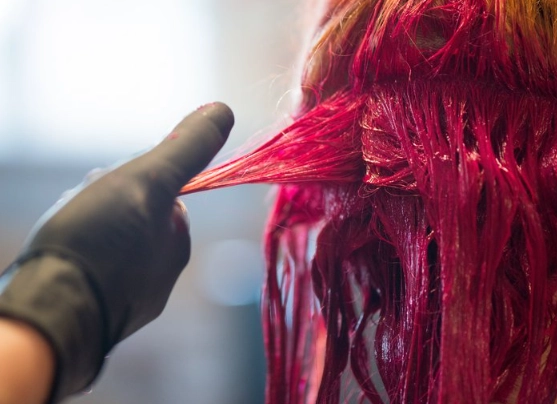
Aftercare is where you can really make a difference. Your hair is vulnerable.
- Switch to a Color-Safe, Sulfate-Free Shampoo: Sulfates are harsh detergents that strip color and moisture.
- Invest in a Good Conditioner & Weekly Mask: You need to put moisture and protein back in. Look for ingredients like keratin, ceramides, and natural oils.
- Heat Styling is Your Enemy (Temporarily): Give your hair a break from blow dryers and flat irons for a few days. When you do use heat, always use a thermal protectant spray.
- Space Out Your Color Sessions: Can you stretch it to 8 or 10 weeks instead of 6? Touch up roots only instead of doing a full-head application every time.
Straight Answers to Your Burning Questions
I'm pregnant. Is it healthy to dye my hair now?
Most experts, including the American College of Obstetricians and Gynecologists (ACOG), say that using hair dye is likely safe during pregnancy because very little chemical is absorbed through the skin. However, many doctors recommend waiting until after the first trimester as a precaution, and suggest opting for highlights (where the dye doesn't touch the scalp) or using ammonia-free, plant-based dyes. Always talk to your own doctor first—they know your health best.
What about breastfeeding?
Similar reasoning applies. Minimal systemic absorption means it's unlikely to pass into breast milk in significant amounts. Ensuring good ventilation and avoiding scalp contact (like with highlights) can ease any remaining concerns.
My scalp burns/itches every time. What can I do?
First, stop using that product! You're likely sensitized. See a dermatologist to confirm. For future coloring, you'll need to become a label detective. Look for "PPD-free" dyes. Consider switching to a demi-permanent formula or even a semi-permanent one. Always, always patch test new products. A persistent itchy scalp is your body saying no.
Are box dyes worse than salon dyes?
Not necessarily in terms of basic chemical composition. A permanent dye from a box and a permanent dye from a salon often work the same way. The major difference is customization and application. A stylist can mix developers and colors to suit your specific hair, minimizing damage. They can apply it precisely to avoid overlap and scalp irritation. They can also assess your hair's condition and advise against processing if it's too damaged. For a simple root touch-up on a familiar color, a box dye might be fine. For anything complex or if your hair is fragile, a professional is a safer bet.
What are the absolute safest alternatives?
If you want to minimize chemical exposure entirely, your options are more limited but do exist.
- 100% Pure Henna: This is a green powder that makes hair red/auburn. It's messy and permanent, but it's a natural plant dye that actually conditions hair. Crucial: Ensure it's pure henna with no metallic salts or additives, which can cause horrific reactions with chemical dyes.
- Herbal Rinses: Using strong teas or decoctions (like chamomile for lightening, black tea or coffee for darkening, hibiscus for red tones). These are very subtle, temporary tints that coat the hair. They won't cover gray but can enhance natural color.
- Vegetable-Based Semi-Permament Colors: Brands like Manic Panic, Arctic Fox, and Overtone use direct dyes that are generally considered non-toxic and sit on top of the hair. They're great for fantasy colors on pre-lightened hair.
The Final Word: It's About Informed Choice, Not Fear
So, circling back to our big question: is it healthy to dye hair?
The most honest answer I can give is this: It's a managed risk. For most people, the immediate risks of allergy and damage are more relevant than unproven long-term health fears. The process is inherently somewhat damaging to your hair because it has to alter it to make the color stick. But that doesn't mean you have to avoid it forever.
It means going in with your eyes open. It means choosing the gentlest product that will achieve your goal. It means doing the damn patch test. It means babying your hair with good products afterward. It means listening to your body—if your scalp protests, find another way.
For me, the boost in confidence I get from covering my grays is worth the extra conditioning treatments and the careful approach. But that's my calculus. Yours might be different. Maybe you'll decide highlights that avoid your scalp are the way to go. Maybe you'll embrace the gray with pride. Maybe you'll dive headfirst into pastel pink with a semi-permanent dye.
The power is in knowing what you're choosing. Now you do.