Quick Guide
- Why a Small Shoulder Tote Bag Might Be Your Daily Game-Changer
- The Devil's in the Details: Your Checklist for Choosing *The One*
- Material Deep Dive: Leather vs. The World
- Beyond the Basics: Features That Elevate a Good Bag to a Great One
- Making It Last: Care & Maintenance for Your Small Tote
- Answering Your Questions: Small Shoulder Tote Bag FAQ
- Wrapping It Up: Finding Your Perfect Match
Let's be honest, we've all been there. Staring into the abyss of a giant tote bag, digging for our keys like we're on an archaeological dig, only to pull out a forgotten granola bar and three old receipts. The big tote promises the world but delivers chaos. That's exactly why I fell hard for the small shoulder tote bag. It wasn't love at first sight—more like a gradual appreciation for something that just... works.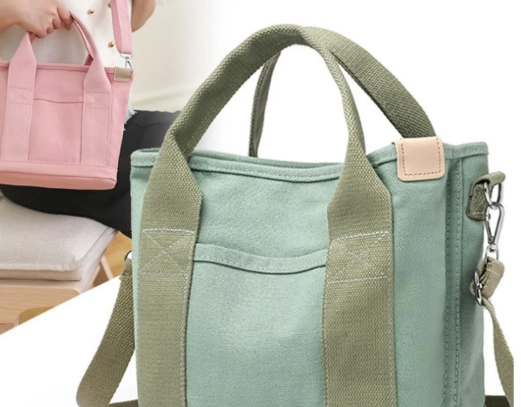
I remember switching from a massive carry-all to my first small shoulder tote. The relief was physical. My shoulder stopped aching. I could find my phone in under two seconds. I wasn't carrying the equivalent of a small child's weight in "just-in-case" items. This isn't just about downsizing your bag; it's about upgrading your daily routine. A small shoulder tote bag forces a kind of beautiful minimalism. You carry what you need, not what you fear you might need someday.
But here's the catch. Not all small totes are created equal. Some are deceptively heavy. Others have straps that dig in after twenty minutes. Some are black holes despite their size. I've bought a few duds along the way, bags that looked perfect online but were deeply flawed in person. That's why I wanted to put this guide together. To cut through the marketing fluff and talk about what makes a great small shoulder tote bag, where to find them, and how to make yours last for years.
Why a Small Shoulder Tote Bag Might Be Your Daily Game-Changer
So, what's the big deal? Why are so many people swapping their backpacks and giant satchels for this style? It boils down to a few key benefits that you really feel in everyday use.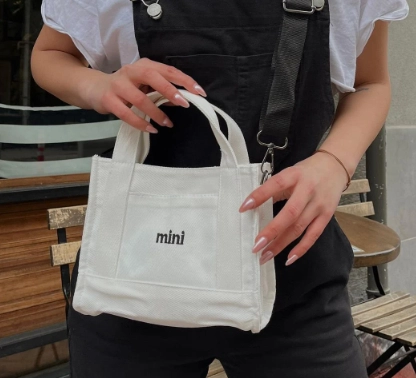
First, the ergonomic win. A smaller bag is, by definition, a lighter bag. When you limit the space, you limit the temptation to fill it with junk. This translates directly to less strain on your shoulder and back. I used to get a knot in my shoulder by mid-afternoon. With a well-designed small tote, that's largely disappeared. The shoulder strap style also keeps your hands free, which is a huge plus when you're commuting, shopping, or just trying to juggle a coffee.
Then there's the organizational clarity. A big bag is a vortex. A small shoulder tote bag, especially one with a couple of interior pockets, forces you to be intentional. Wallet, phone, keys, sunglasses, a small pouch for lip balm and hand sanitizer—that's usually the roster. You know where everything is. No more frantic dumping of contents on the passenger seat. It brings a weird sense of calm to your day.
Style versatility is another massive point. A small tote is inherently more polished than a backpack for many settings. It can transition from a casual weekend look (jeans and a tee) to a work-appropriate accessory (with a blazer and trousers) seamlessly. It doesn't look out of place. The silhouette is clean and timeless. Unlike some trendy micro-bags that barely fit a credit card, a small shoulder tote bag is still genuinely functional.
Finally, let's talk about the mental shift. Carrying less stuff feels lighter in more ways than one. There's a psychological burden to being prepared for every conceivable scenario. A small tote bag encourages you to let that go. You're carrying your essentials, and that's enough. For travel, it's a superstar—perfect as a personal item under the airplane seat or a sleek companion for sightseeing, holding your passport, wallet, and water bottle without being a bulky nightmare.
The Devil's in the Details: Your Checklist for Choosing *The One*
Okay, you're interested. But how do you pick a good one from the sea of options? You need to become a detail detective. It's not just about the color (though that's important too). Here’s what your checklist should really focus on.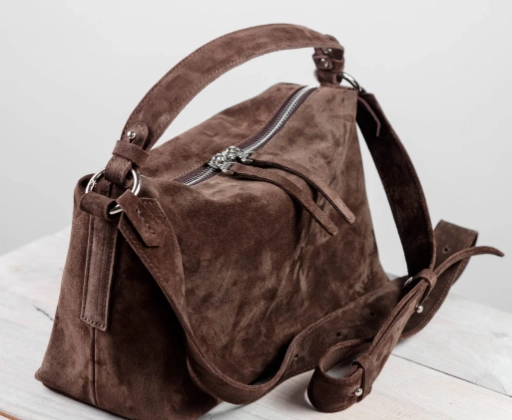
Size & Dimensions: The "Small" Spectrum
"Small" is relative. One brand's small is another brand's medium. You need to think in terms of dimensions and, more importantly, what you need to carry. The sweet spot for a truly versatile small shoulder tote bag tends to be between 10 to 14 inches in width and 8 to 12 inches in height. Depth is crucial too—anything under 4 inches might be too slim, over 6 inches and you're veering into larger tote territory.
My personal litmus test? My standard-sized wallet, my Kindle Paperwhite, a small cosmetics pouch, and my phone. If a bag can swallow those four items with a little room to spare for sunglasses or a foldable tote, it's a winner. Always check the product dimensions in the description, don't just rely on photos. A model might be 5'10" and make the bag look tiny—it's a classic trick.
Material Matters: A Quick Breakdown
This is where the personality and longevity of your bag are decided. The material affects weight, look, maintenance, and durability. Let's break down the common ones you'll see for small shoulder tote bags.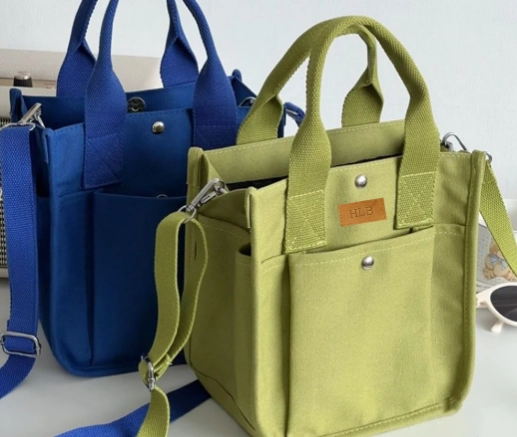
| Material | Best For | Considerations | My Take |
|---|---|---|---|
| Genuine Leather (Full-grain, Top-grain) | Durability, luxury feel, develops a patina. | Can be heavier, requires conditioning, most expensive. | My top pick for a long-term companion. It ages beautifully. Top-grain is a great balance of quality and price. |
| Canvas or Cotton Twill | Casual, lightweight, easy-care styles. | Can lose shape if not structured, may stain easily. | Perfect for a beachy, relaxed vibe. Look for a coated canvas if you want water resistance. |
| Nylon or Polyester (e.g., Recycled materials) | Ultra-lightweight, weather-resistant, often vegan. | Can look sporty or technical, may not be as structured. | Amazing for travel or rainy climates. Brands like Baggu do this really well. It's practical, not always pretty. |
| Faux Leather / PU | Affordable, vegan, wide color range. | Less breathable, can peel or crack over time. | A decent budget option, but temper your expectations on longevity. I've had some peel after a year of heavy use. |
| Straw or Woven Textures | Summer, seasonal looks, breathability. | Not year-round, can snag, limited structure. | Pure fun. I have one for summer weekends. It's not my workhorse, but it brings joy. |
Leather is an investment. If you're going that route, it's worth learning a bit about leather types. The International Guild of Leather Craftsmen has some great beginner resources on leather care that apply to bags too, not just crafts.
Strap & Comfort: The Make-or-Break Feature
You could love everything about a bag, but if the strap is awful, you'll never wear it. This is non-negotiable. For a small shoulder tote bag, you typically have a few strap styles:
- Single Long Strap: The classic shoulder carry. Look for a strap that's at least 20 inches long (drop length) to fit over a winter coat. A wider strap (over 1 inch) distributes weight much better than a skinny one.
- Double Handles + Detachable Strap: The ultimate in versatility. You can carry it in your hand for a more formal look or use the crossbody strap for hands-free ease. This is my preferred configuration.
- Adjustable Strap: Gold standard for comfort. Being able to switch between crossbody and shoulder length is a huge plus.
Feel the strap if you can. Is it reinforced where it attaches to the bag (the most common stress point)? Is it padded? A thin, unlined leather strap can cut into your shoulder on a long day. I once bought a beautiful bag with a razor-thin chain-and-leather strap. It was a shoulder killer after 30 minutes. Never again.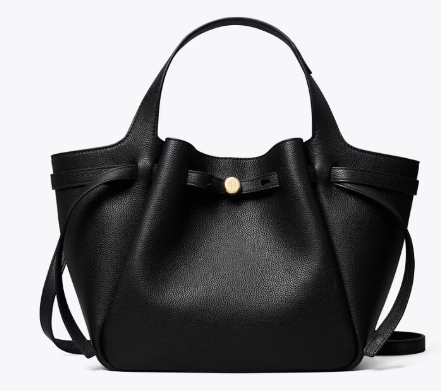
Organization & Closure: Security vs. Access
How many times have you tipped your bag upside down? A good closure prevents that. Zipper tops offer the most security and are great for travel or crowded places. Magnetic snaps or flap closures are quicker to access and look sleek, but offer less security. Open tops are the most casual and accessible, but only suitable if you're in low-risk environments or are very vigilant.
Inside, pockets are your friends. At a minimum, look for a small zip pocket for coins or valuables and a slip pocket for your phone. Anything more is a bonus. Some small shoulder tote bags now come with detachable key leashes or card slots—fantastic features that prevent the bottom-of-the-bag dig.
Material Deep Dive: Leather vs. The World
Since leather is such a popular and debated choice for a small shoulder tote bag, it deserves its own moment. Walking into a store or browsing online, you're hit with a wall of terms: genuine leather, full-grain, top-grain, bonded. What does it all mean for your bag?
Here's the simplified version. "Genuine leather" is a broad, almost meaningless term in quality terms. It just means it contains some leather, often the lower layers that are heavily processed. Top-grain leather is where you start seeing good quality for bags. It's the second-highest grade (the top layer is sanded and finished for a uniform look), it's durable, and it's what many quality mid-range brands use. Full-grain leather is the top of the line. It includes the entire grain layer, marks and all, making it the strongest and most breathable. It develops a unique patina over time. It's also the most expensive.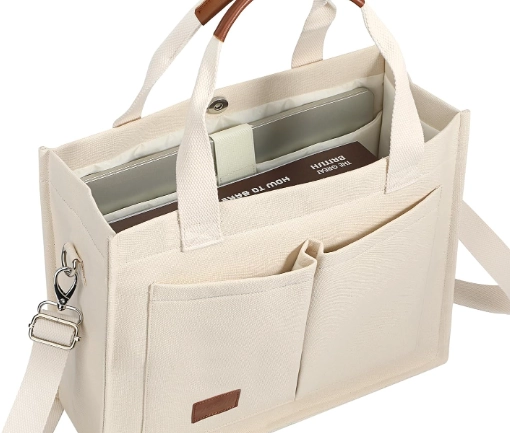
Then there's bonded leather. This is basically leather dust and fibers glued onto a backing. Avoid it for a bag you want to last. It will peel and crack. I made this mistake with an office chair once, and the same principle applies.
For a small shoulder tote bag that you'll use daily, top-grain leather is a fantastic choice. It offers a great blend of durability, aesthetic, and manageable cost. Full-grain is an heirloom piece. Publications like Vogue often run guides on leather care that are worth a look, emphasizing gentle cleaning and regular conditioning to keep the material supple.
My everyday small tote is a top-grain leather one I've had for four years. It has scuffs and a beautiful sheen from use. It looks lived-in and loved, not worn out. That's the goal.
Beyond the Basics: Features That Elevate a Good Bag to a Great One
Some features aren't on the standard spec sheet but make a world of difference in daily life. These are the hallmarks of thoughtful design.
- Feet on the Bottom: Four little metal or plastic feet. They prevent the bottom of your bag from getting dirty or wet when you set it down. A simple, brilliant addition.
- Weight: This is huge. An empty bag should feel light. Pick it up in the store. If the empty small shoulder tote bag feels substantial, imagine it with your stuff. Heavy hardware and thick leather can add surprising heft.
- Lining Quality: A lightweight, smooth lining (like cotton twill or polyester) is easier to clean and less likely to snag than a fuzzy one. A bright lining is a game-changer for visibility—you can actually see what's inside.
- Exterior Pocket: Even a single slip pocket on the outside for your phone or transit pass is a massive convenience. You don't have to open the main compartment for your most-reached-for item.
One of my favorite small totes has a dedicated, padded exterior pocket just for sunglasses. It sounds trivial, but it means I'm not constantly fishing for my case in the main compartment. Little things.
Making It Last: Care & Maintenance for Your Small Tote
You've found your perfect small shoulder tote bag. Now, how do you keep it looking great? Care varies by material, but some rules are universal.
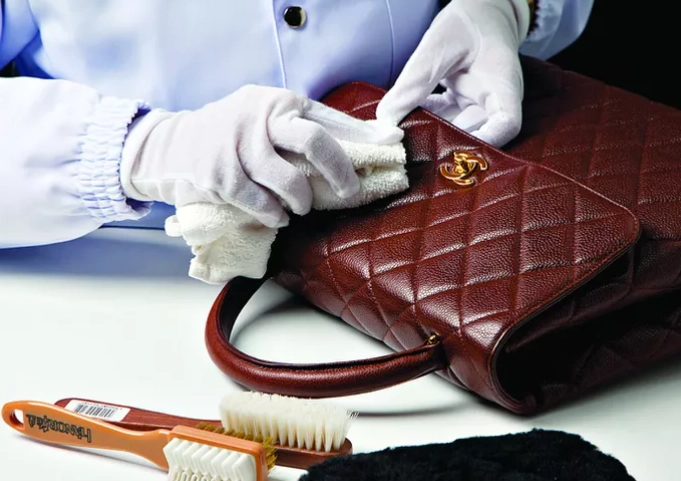
For leather bags, keep them away from prolonged direct sunlight and heat. Clean spills immediately with a damp cloth. Use a leather conditioner every few months to prevent drying and cracking—don't overdo it. Stuff it with paper or a bag shaper when not in use to maintain its shape.
For canvas or nylon bags, most can be spot-cleaned with mild soap and water. Check the care label. Some are even machine washable (on gentle, air dry!). For stains, act fast.
General rules: Empty your bag regularly. Crumbs and debris at the bottom can attract pests and cause stains. Rotate your bags if you can; giving one a rest extends its life. If you get caught in the rain, let the bag air dry naturally away from direct heat. Stuff it with paper towels to absorb moisture from the inside.
For serious stains or damage on a valuable bag, don't try to be a hero. Take it to a professional cleaner or cobbler who specializes in leather goods. It's worth the cost to save an investment piece.
Answering Your Questions: Small Shoulder Tote Bag FAQ
Wrapping It Up: Finding Your Perfect Match
Choosing a small shoulder tote bag is a personal process. It's about matching a tool to your specific life. There's no single "best" bag, only the best bag for you right now. Think about your daily routine, your climate, your style, and what you truly need to have with you.
My biggest piece of advice? If possible, try before you buy. Go to a store, put your own items in it, wear it on your shoulder. Feel the weight. Test the zippers. See how it sits against your body. That in-person test tells you more than any review.
If you're buying online, read reviews carefully, especially the critical ones. Look for comments on strap comfort, weight, and material quality. And remember, a good small shoulder tote bag is an investment in daily ease. It’s the thing you grab without thinking, that makes your day run just a little smoother. And honestly, isn't that what we all want from the stuff we carry?