In This Guide
- What Exactly Are "Long Hair Curtain Bangs with Fringe" Anyway?
- Who Actually Looks Good with This Cut? (The Face Shape Truth)
- The Salon Conversation: How to Ask for This Cut (and Get What You Want)
- The Real Deal: Daily Styling & Maintenance for Long Curtain Bangs
- Advanced Maneuvers: From Day to Night & Fixing Common Problems
- Frequently Asked Questions (The Stuff You Actually Google)
- The Final Verdict
So you're scrolling through Instagram or Pinterest, and you keep seeing these gorgeous, face-framing layers. Not quite full bangs, but not just face-framing pieces either. They part perfectly in the middle, grazing the cheeks, and somehow make everyone look cooler. That's the magic of long hair curtain bangs with fringe.
I remember the first time I got them cut. I walked in with a photo of a 70s-inspired model, heart pounding, hoping I wouldn't end up with a weird, too-short fringe I'd regret for months. The good news? It turned out great. The bad news? Nobody told me about the two-week "awkward phase" where they refused to lay right. This guide is everything I wish I'd known back then.
Let's cut through the hype. Are long hair curtain bangs with fringe just a trend, or are they a legit low-maintenance game-changer? Who do they actually look good on? And once you have them, how on earth do you style them without spending an hour each morning?
We're going deep. This isn't just a fluffy "they're pretty" article. We'll talk face shapes, hair textures, the exact words to say to your stylist, daily routines, product fails (and wins), and how to handle the dreaded greasy-bangs-day.
What Exactly Are "Long Hair Curtain Bangs with Fringe" Anyway?
First things first, let's define our terms. Sometimes people throw around "curtain bangs" and "fringe" like they're the same thing. In many places, "fringe" is just the British word for bangs. So "long hair curtain bangs with fringe" essentially means the same thing twice—it's emphasizing that face-framing, parted-in-the-middle bang style.
But here's the key difference from your classic, blunt, straight-across bangs. Think of curtain bangs as the chill, non-committal cousin.
- Blunt Bangs: A solid, heavy line across the forehead. High drama, high maintenance.
- Curtain Bangs: Longer pieces, cut at an angle, designed to part naturally in the center and "frame" your face like, well, curtains. They blend into the rest of your hair.
The "long hair" part is crucial. This style is specifically for those with longer locks, where the bangs gradually merge into your long layers. It's a soft, blended look, not a stark chop.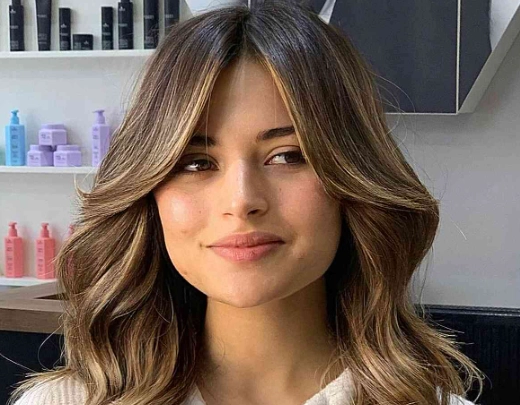
Why the obsession? Well, they're incredibly versatile. They can make a long face look softer, a round face look more sculpted, and they add instant movement and style to even the simplest long hair. It's a two-minute upgrade that looks like you tried much harder.
Who Actually Looks Good with This Cut? (The Face Shape Truth)
Here's the marketing lie: "This hairstyle suits everyone!" Here's the real talk: Long hair curtain bangs with fringe can be adapted to suit almost everyone, but the "how" changes dramatically. The length, the starting point, and the thickness are your levers.
I'm not a fan of strict rules, but some guidelines prevent disaster. Let's break it down in a way that's actually useful.
| Face Shape | Best Curtain Bangs Approach | What to Avoid |
|---|---|---|
| Round | Longer, wispier bangs that start further back on the crown. Keep them around cheekbone or jaw length to create vertical lines and elongate the face. A side-swept variation within the curtain style can help. | Short, heavy, rounded bangs that end at the apples of your cheeks—they'll emphasize roundness. |
| Square | Softer, layered, and feathered ends are your friend. Aim for length around the chin or below to soften a strong jawline. A wispy, piecey texture works wonders. | A blunt, heavy line at the ends of your bangs that mirrors your jawline. |
| Oval | You lucky duck. You have the most flexibility. You can play with shorter (just below brow) or longer (jaw-length) versions. Almost any texture works. | Getting too cocky! Even on an oval face, the wrong density for your hair type can look off. |
| Heart | Focus on balancing a wider forehead. Slightly fuller, textured bangs that start at the temples can help. Length around the chin balances a narrower chin. | Super wispy, sparse bangs that don't provide enough coverage for a broad forehead. |
| Long | The goal is to widen and break up the length. Keep bangs shorter—think between eyebrows and cheekbones. Add some soft waves or bends to create horizontal movement. | Super long, straight curtain bangs that follow the long lines of your face; they'll just lengthen it more. |
But what about hair texture? This is where stylists often gloss over the details.
Fine, Straight Hair: You need internal layering and texture. Ask your stylist to "point cut" or use thinning shears strategically (not all over!) to remove weight and prevent the bangs from looking like two sad, flat strips. A light texturizing spray is your new best friend. The American Academy of Dermatology has some great general tips on caring for fine hair that apply here.
Thick, Coarse Hair: You might need your bangs thinned out considerably to avoid a triangular, "helmet-y" look. The weight can make them fall awkwardly. Layers are non-negotiable.
Curly/Wavy Hair: Yes, you can have curtain bangs! But they will look different day-to-day based on your curl pattern. Embrace the variation. They should be cut dry, in their natural state, so your stylist sees exactly how the curls fall. Expect a more voluminous, bouncy effect rather than a sleek curtain.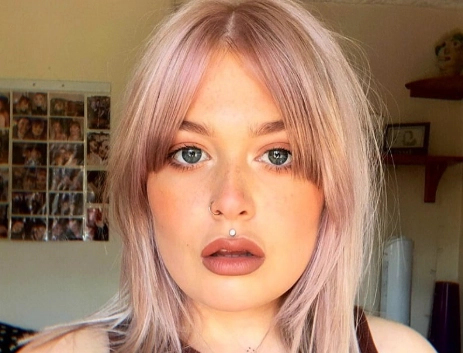
The Salon Conversation: How to Ask for This Cut (and Get What You Want)
This is the moment of truth. You're in the chair, cape on. Don't just say "I want curtain bangs." That's like going to a restaurant and saying "I want food." Too vague.
Use this script. I'm serious. It works.
"Hi! I'm looking to get some long, face-framing curtain bangs. I'm imagining them starting about here (point to where your part naturally is, or further back for more face-framing), and I'd like the longest pieces to hit about here (touch your cheekbone, jaw, or chin). I want them to blend into my long layers, so there's no harsh line. Can we make sure they're textured and not too heavy?"
Key phrases that make a stylist's ears perk up:
- "Face-framing layers"
- "Blended, not blunt"
- "Texturized" or "feathered ends"
- "I want to be able to push them to the side or wear them parted." (This signals the curtain style)
And listen to their advice! If you have a cowlick right in the middle of your forehead (like I do), a true center part might be a battle. A good stylist will point this out and suggest starting the part slightly off-center to work with your hair's natural growth.
The Real Deal: Daily Styling & Maintenance for Long Curtain Bangs
Okay, you got the cut. You left the salon feeling like a million bucks. Then you wake up the next day and they're doing a weird sideways flip. Welcome to the club. Styling long hair curtain bangs with fringe is a skill, but it's a fast one to learn.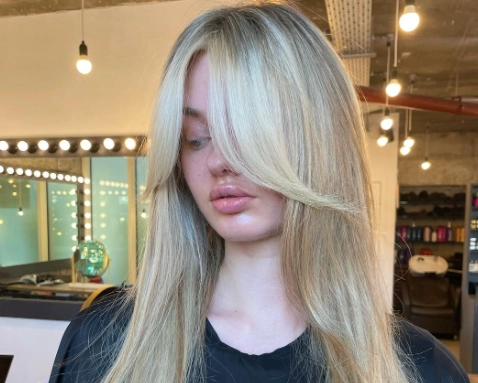
The 5-Minute Morning Routine (No Heat Required)
This is my go-to on lazy days or when my hair needs a break from heat.
- Spritz & Reset: Lightly dampen your bangs with a spray bottle of water or a mix of water and a leave-in conditioner.
- Part & Roll: Re-establish your center part. Then, take each side of your curtain bangs (the left and right sections) and roll them under, away from your face, around your fingers. Hold for 30 seconds. This sets a gentle, outward curve.
- Pin & Forget: If they're being particularly rebellious, use two small roller clips to pin each rolled section back away from your face while you do your makeup. Take them out, and the shape should be set.
The Heat Styling Method (For That "I Did Something" Look)
You'll need a round brush (medium size) and a blow dryer, or a flat iron/curling wand.
Blow-Dry Method:
Start with towel-dried or damp bangs. Use the round brush. Place the brush under a section of your bangs, near the roots. Pull the brush down and slightly outward (towards your ear), following with the blow dryer. The key is that outward tension—it creates the curtain effect that opens up your face. Do this for each side. I find a concentrator nozzle on the dryer is a game-changer for control.
Flat Iron/Wand Method:
This is for adding a more defined curve or wave. Take a section of your fringe. Instead of clamping and pulling straight down, clamp the iron near the roots and gently rotate the wrist away from your face as you glide down, creating a soft "C" shape. It's a very subtle motion. For a more retro bend, use a curling wand and wrap the section away from your face.
It took me weeks to stop curling them towards my face out of habit. Towards the face closes you off. Away opens you up.
Product Recommendations (The Non-Sticky Kind)
Heavy products are the enemy of long curtain bangs. They get greasy fast and lose all movement.
- Root Lifter/Volumizing Spray: A tiny spritz at the roots of your bangs before blow-drying gives them lift and prevents flatness.
- Lightweight Texturizing Spray: This is the MVP. A quick spray on dry hair adds separation, grit, and hold without crunch. It helps piecey, wispy ends look intentional, not messy.
- Dry Shampoo (Preemptively): Don't wait for your bangs to look oily. Put a little dry shampoo at the roots the night before you think you'll need it. It soaks up oil as you sleep.
- A good, non-greasy hair oil: Just a single drop rubbed between your palms and smoothed over just the ends of your bangs and long hair can tame flyaways and add shine without weighing anything down.
Publications like Allure often feature stylist tips on tools and techniques that are worth checking for updated advice.
Advanced Maneuvers: From Day to Night & Fixing Common Problems
Got the basics down? Let's level up.
Problem: The "Triangle Head." Your bangs are too thick at the bottom, making your head look wide. Fix: This is a salon fix. Go back and ask them to add more internal layering and texturizing to remove bulk from the mid-lengths to ends.
Problem: They Won't Hold a Part. They keep falling into your eyes. Fix: Try switching up your part slightly. Sometimes a millimeter shift makes all the difference. A light-hold styling cream applied while wet can also train them. If it's a cowlick, you might need to embrace a slightly off-center part as your signature look.
Problem: Growing Them Out. The beauty of long hair curtain bangs with fringe is that growing them out is easier than blunt bangs. As they get longer, they simply blend into your face-framing layers. You can pin them back with cute clips, tuck them behind your ears, or braid them to the side. The Professional Beauty Association notes that regular trims on the ends of your long hair while letting the bangs grow can help maintain a neat shape during the transition.
Frequently Asked Questions (The Stuff You Actually Google)
The Final Verdict
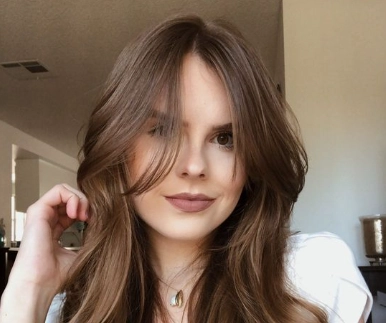
So, should you get long hair curtain bangs with fringe? If you're looking for a way to refresh your long hair without a major chop, if you like a relaxed, '70s-inspired vibe, and if you're willing to spend a few minutes styling them, then 100% yes.
They're forgiving, flattering, and frankly, fun. They teach you about your hair's texture and how to work with it. Some days they'll be perfect waves, other days they'll be a bit wild. And that's okay. That's the point.
Just remember: bring good photos, communicate clearly with your stylist, invest in a good texturizing spray, and embrace the learning curve. That first time you nail the perfect, breezy blow-out and your curtain bangs frame your face just right? You'll forget all about the awkward phase. Promise.